Goji Berry (Lycium barbarum) – Seeds
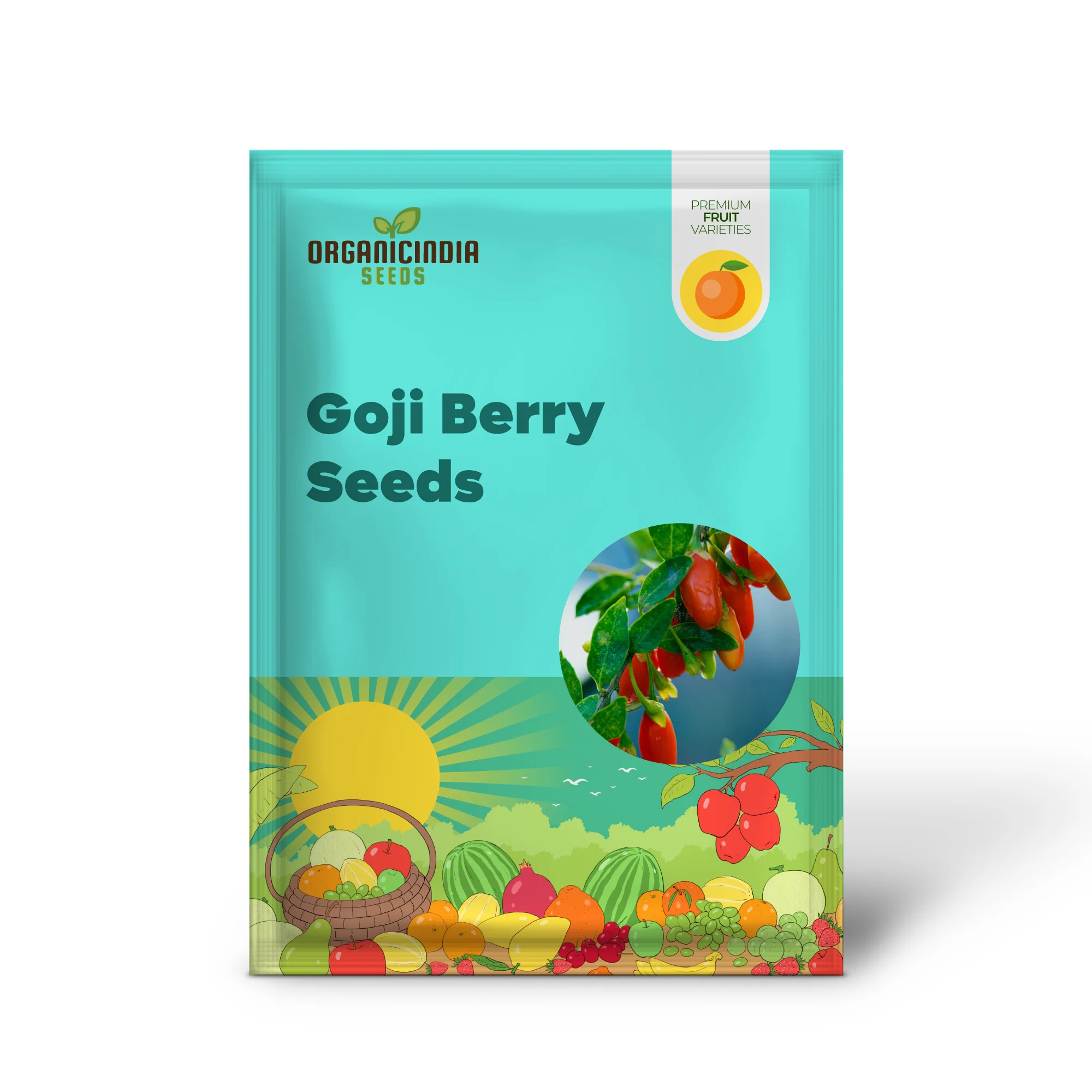
Add a touch of health and color to your garden with Goji Berry (Lycium barbarum) seeds.
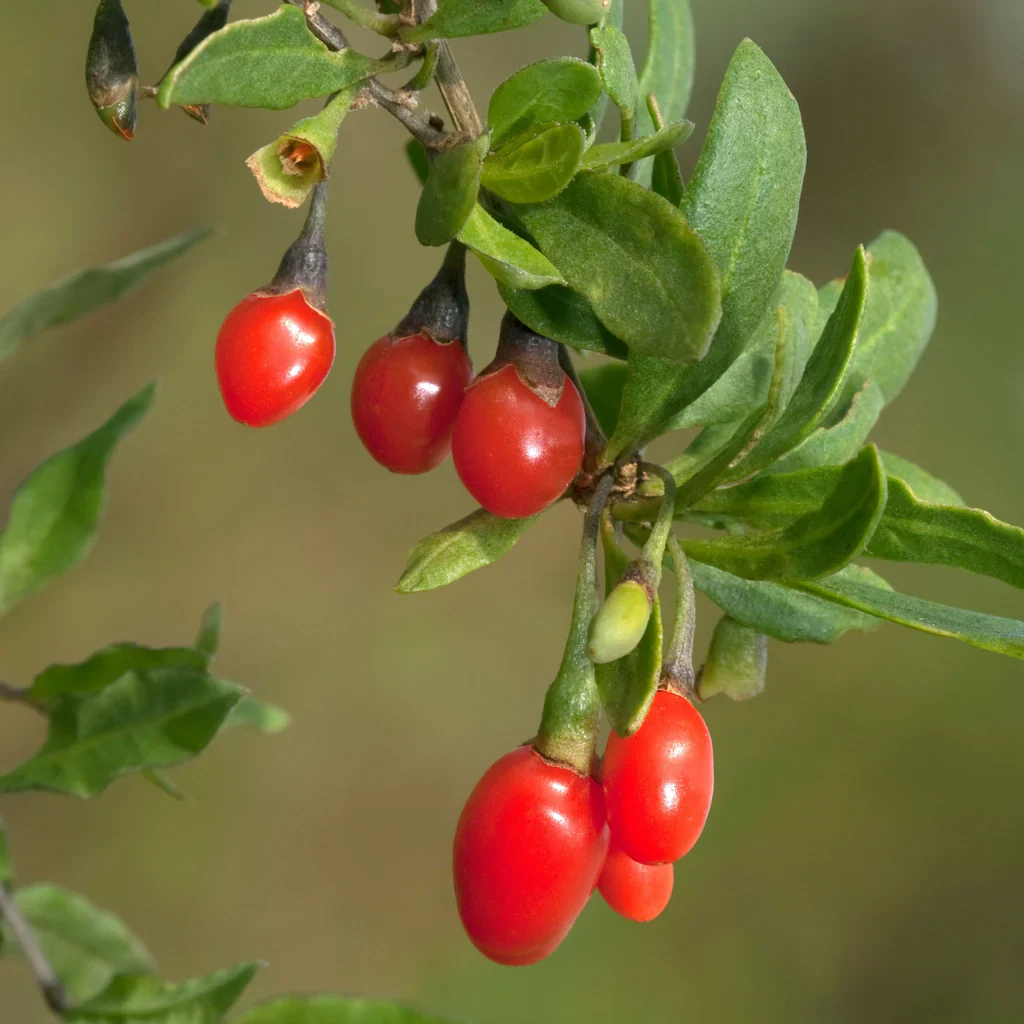
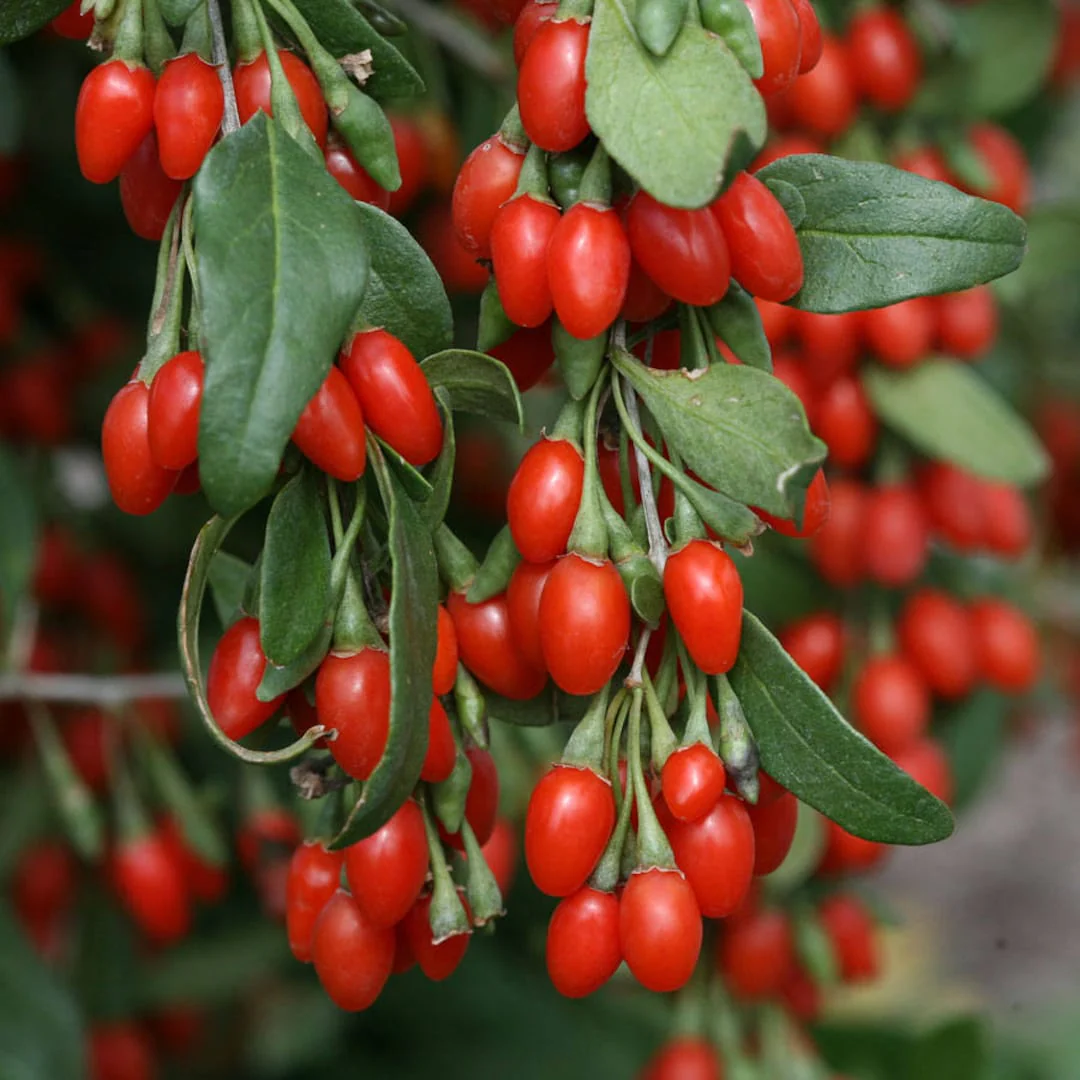
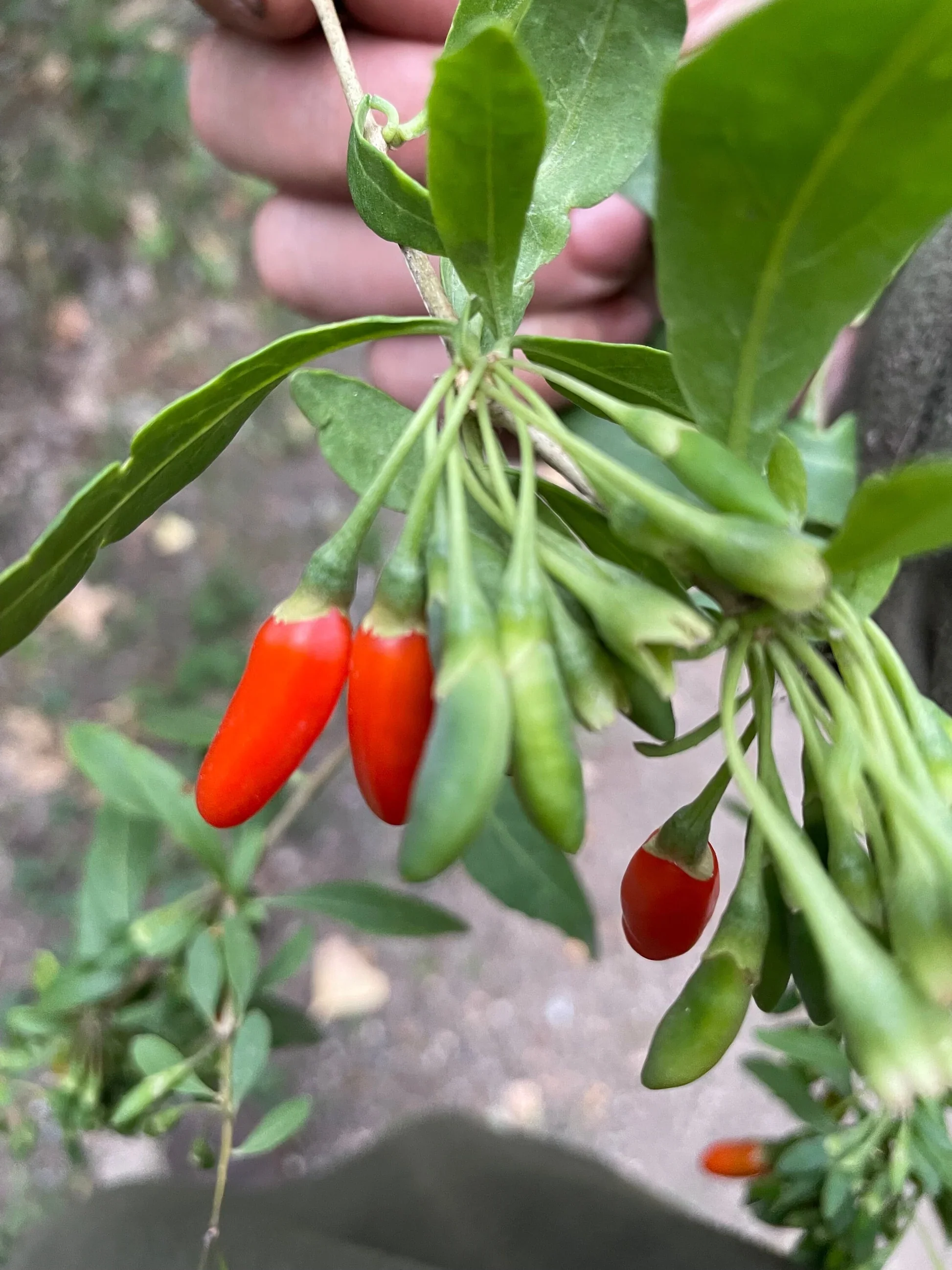
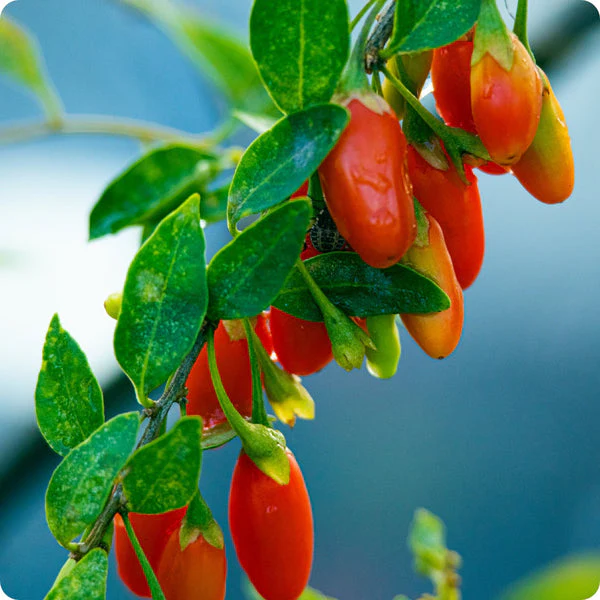
These non-GMO, heirloom-quality seeds grow into hardy shrubs that produce clusters of bright red berries loved for their sweet-tart flavor and ornamental beauty.
Adaptable to a variety of climates, Goji Berry plants are easy to maintain, drought-tolerant, and ideal for both home gardens and containers.
Key Features
-
Produces bright red, nutrient-rich berries
-
Non-GMO and heirloom seed variety
-
Hardy perennial shrub that thrives in most climates
-
Drought and cold tolerant once established
-
Excellent for edible landscaping and container growing
-
Attracts pollinators like bees and butterflies
-
Long harvest season from summer to fall
-
Suitable for beginners and experienced gardeners
Specifications
-
Common Name: Goji Berry / Wolfberry
-
Scientific Name: Lycium barbarum
-
Seed Type: Non-GMO, Heirloom
-
Plant Type: Perennial Shrub
-
Season: Spring or Early Summer
-
USDA Hardiness Zones: 5–9
-
Soil Type: Well-drained loamy soil
-
Sun Exposure: Full Sun
-
Germination Time: 14–21 days
-
Maturity Period: 2–3 years for fruiting
-
Water Needs: Moderate; drought-tolerant once established
-
Spacing: 3–5 feet between plants
-
Temperature Range: 65–85°F (18–29°C)
-
Growth Height: 6–10 feet tall
-
Heirloom: Yes
-
GMO Status: 100% Non-GMO
-
Perennial or Annual: Perennial
-
Recommended For: Home Gardens, Hedges, Containers, Edible Landscaping
Planting Guide
-
Soil Preparation: Loosen soil to improve drainage and aeration before planting.
-
Sowing Depth: Sow seeds ¼ inch deep; cover lightly with soil.
-
Germination: Keep soil consistently moist until germination (2–3 weeks).
-
Sunlight: Choose a sunny location with at least 6–8 hours of direct sunlight.
-
Watering: Water regularly during the first growing season; reduce once established.
-
Transplanting: Move seedlings to permanent location once they reach 4–6 inches in height.
-
Pruning: Trim branches after fruiting to encourage bushy growth.
-
Harvesting: Harvest ripe red berries from midsummer through fall.
Original: $16.99
-65%$16.99
$5.95More Images
Goji Berry (Lycium barbarum) – Seeds
Add a touch of health and color to your garden with Goji Berry (Lycium barbarum) seeds.
These non-GMO, heirloom-quality seeds grow into hardy shrubs that produce clusters of bright red berries loved for their sweet-tart flavor and ornamental beauty.
Adaptable to a variety of climates, Goji Berry plants are easy to maintain, drought-tolerant, and ideal for both home gardens and containers.
Key Features
-
Produces bright red, nutrient-rich berries
-
Non-GMO and heirloom seed variety
-
Hardy perennial shrub that thrives in most climates
-
Drought and cold tolerant once established
-
Excellent for edible landscaping and container growing
-
Attracts pollinators like bees and butterflies
-
Long harvest season from summer to fall
-
Suitable for beginners and experienced gardeners
Specifications
-
Common Name: Goji Berry / Wolfberry
-
Scientific Name: Lycium barbarum
-
Seed Type: Non-GMO, Heirloom
-
Plant Type: Perennial Shrub
-
Season: Spring or Early Summer
-
USDA Hardiness Zones: 5–9
-
Soil Type: Well-drained loamy soil
-
Sun Exposure: Full Sun
-
Germination Time: 14–21 days
-
Maturity Period: 2–3 years for fruiting
-
Water Needs: Moderate; drought-tolerant once established
-
Spacing: 3–5 feet between plants
-
Temperature Range: 65–85°F (18–29°C)
-
Growth Height: 6–10 feet tall
-
Heirloom: Yes
-
GMO Status: 100% Non-GMO
-
Perennial or Annual: Perennial
-
Recommended For: Home Gardens, Hedges, Containers, Edible Landscaping
Planting Guide
-
Soil Preparation: Loosen soil to improve drainage and aeration before planting.
-
Sowing Depth: Sow seeds ¼ inch deep; cover lightly with soil.
-
Germination: Keep soil consistently moist until germination (2–3 weeks).
-
Sunlight: Choose a sunny location with at least 6–8 hours of direct sunlight.
-
Watering: Water regularly during the first growing season; reduce once established.
-
Transplanting: Move seedlings to permanent location once they reach 4–6 inches in height.
-
Pruning: Trim branches after fruiting to encourage bushy growth.
-
Harvesting: Harvest ripe red berries from midsummer through fall.
Product Information
Product Information
Shipping & Returns
Shipping & Returns
Description
Add a touch of health and color to your garden with Goji Berry (Lycium barbarum) seeds.
These non-GMO, heirloom-quality seeds grow into hardy shrubs that produce clusters of bright red berries loved for their sweet-tart flavor and ornamental beauty.
Adaptable to a variety of climates, Goji Berry plants are easy to maintain, drought-tolerant, and ideal for both home gardens and containers.
Key Features
-
Produces bright red, nutrient-rich berries
-
Non-GMO and heirloom seed variety
-
Hardy perennial shrub that thrives in most climates
-
Drought and cold tolerant once established
-
Excellent for edible landscaping and container growing
-
Attracts pollinators like bees and butterflies
-
Long harvest season from summer to fall
-
Suitable for beginners and experienced gardeners
Specifications
-
Common Name: Goji Berry / Wolfberry
-
Scientific Name: Lycium barbarum
-
Seed Type: Non-GMO, Heirloom
-
Plant Type: Perennial Shrub
-
Season: Spring or Early Summer
-
USDA Hardiness Zones: 5–9
-
Soil Type: Well-drained loamy soil
-
Sun Exposure: Full Sun
-
Germination Time: 14–21 days
-
Maturity Period: 2–3 years for fruiting
-
Water Needs: Moderate; drought-tolerant once established
-
Spacing: 3–5 feet between plants
-
Temperature Range: 65–85°F (18–29°C)
-
Growth Height: 6–10 feet tall
-
Heirloom: Yes
-
GMO Status: 100% Non-GMO
-
Perennial or Annual: Perennial
-
Recommended For: Home Gardens, Hedges, Containers, Edible Landscaping
Planting Guide
-
Soil Preparation: Loosen soil to improve drainage and aeration before planting.
-
Sowing Depth: Sow seeds ¼ inch deep; cover lightly with soil.
-
Germination: Keep soil consistently moist until germination (2–3 weeks).
-
Sunlight: Choose a sunny location with at least 6–8 hours of direct sunlight.
-
Watering: Water regularly during the first growing season; reduce once established.
-
Transplanting: Move seedlings to permanent location once they reach 4–6 inches in height.
-
Pruning: Trim branches after fruiting to encourage bushy growth.
-
Harvesting: Harvest ripe red berries from midsummer through fall.