Glaucium Corniculatum Seeds – Hardy Perennial Garden Variety for Unique Landscapes
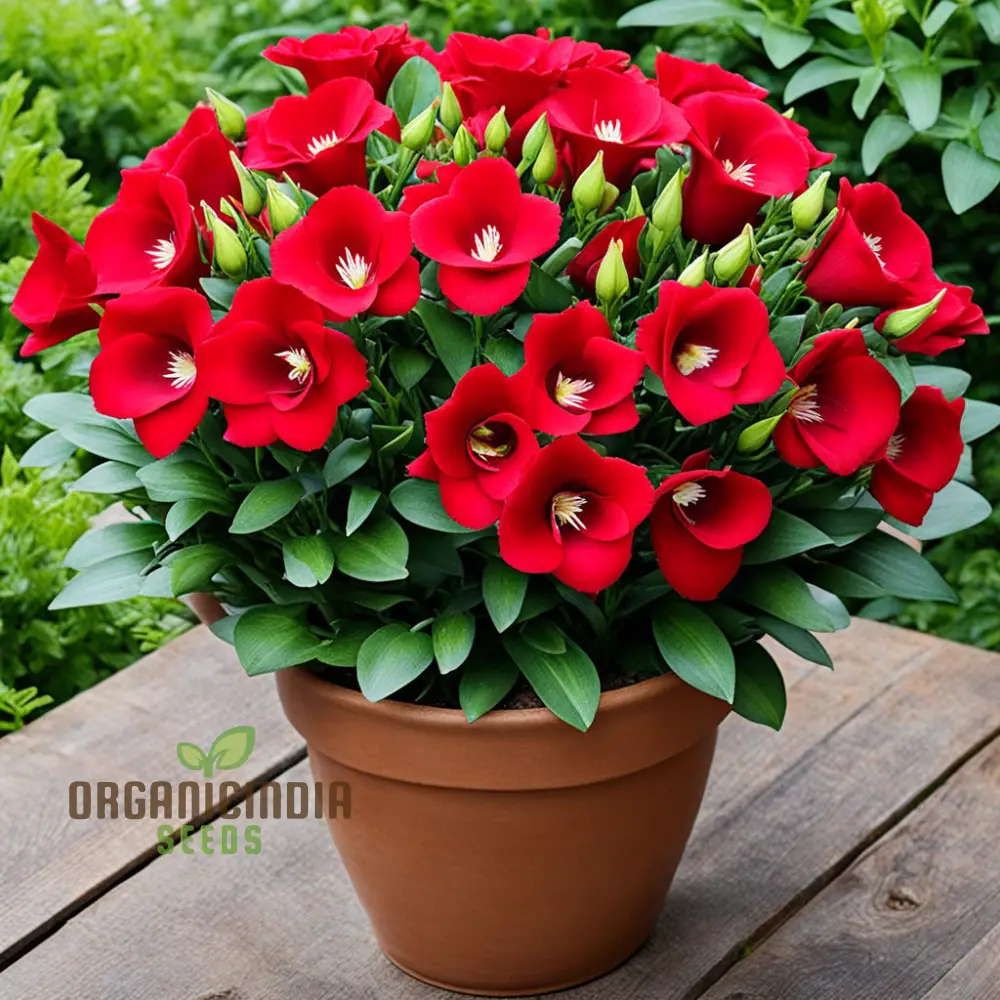
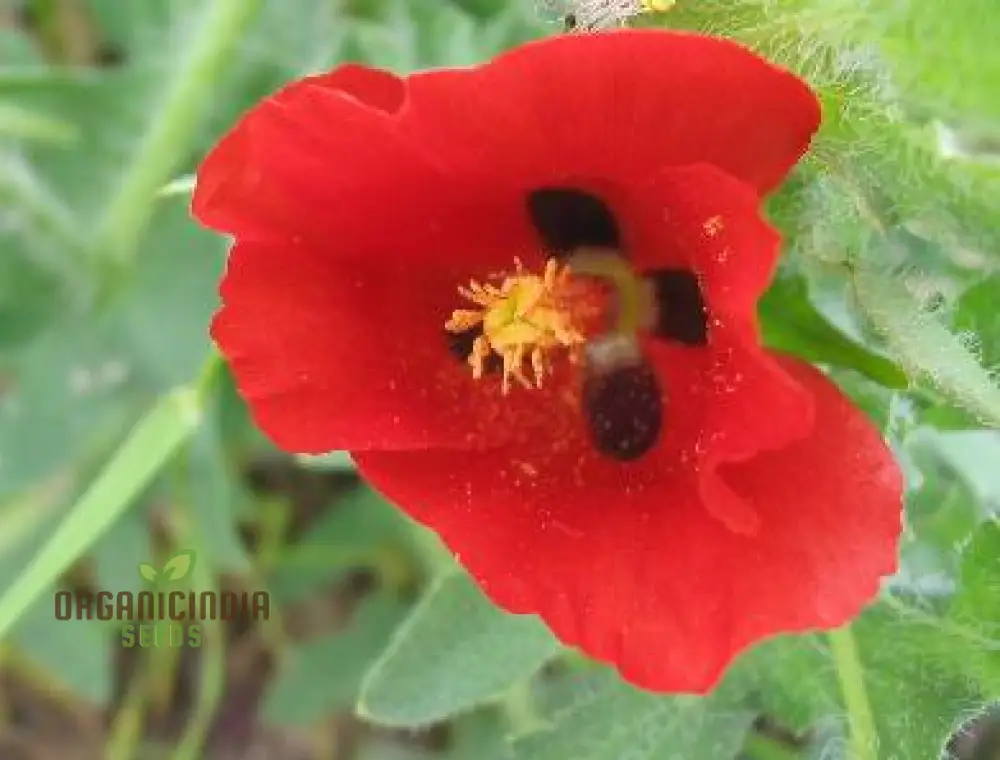
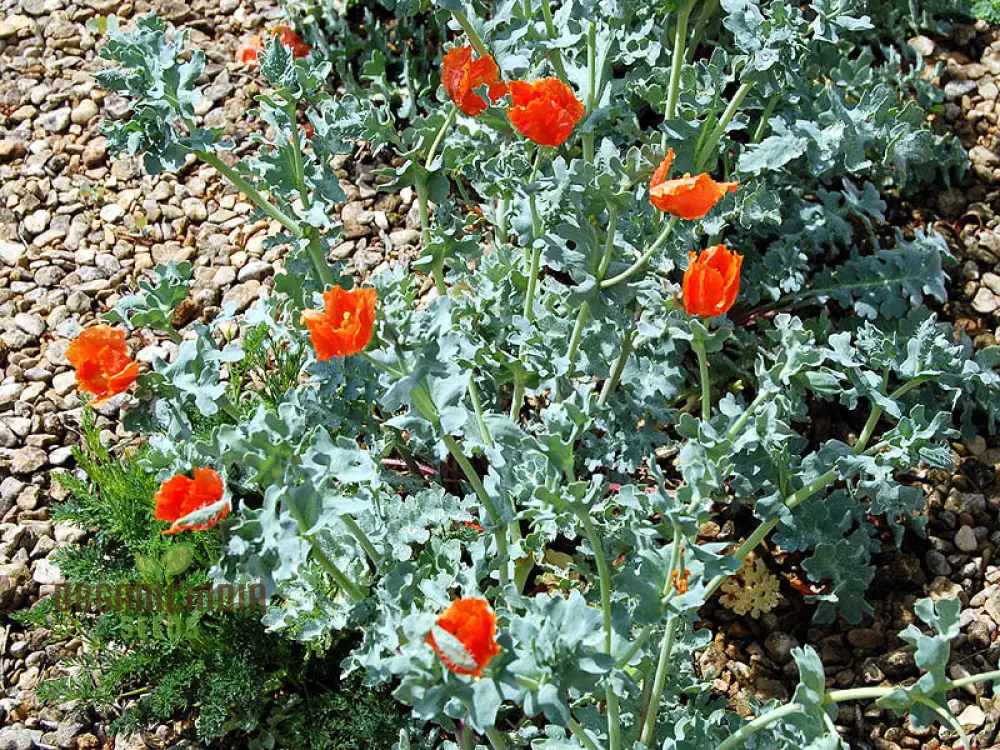
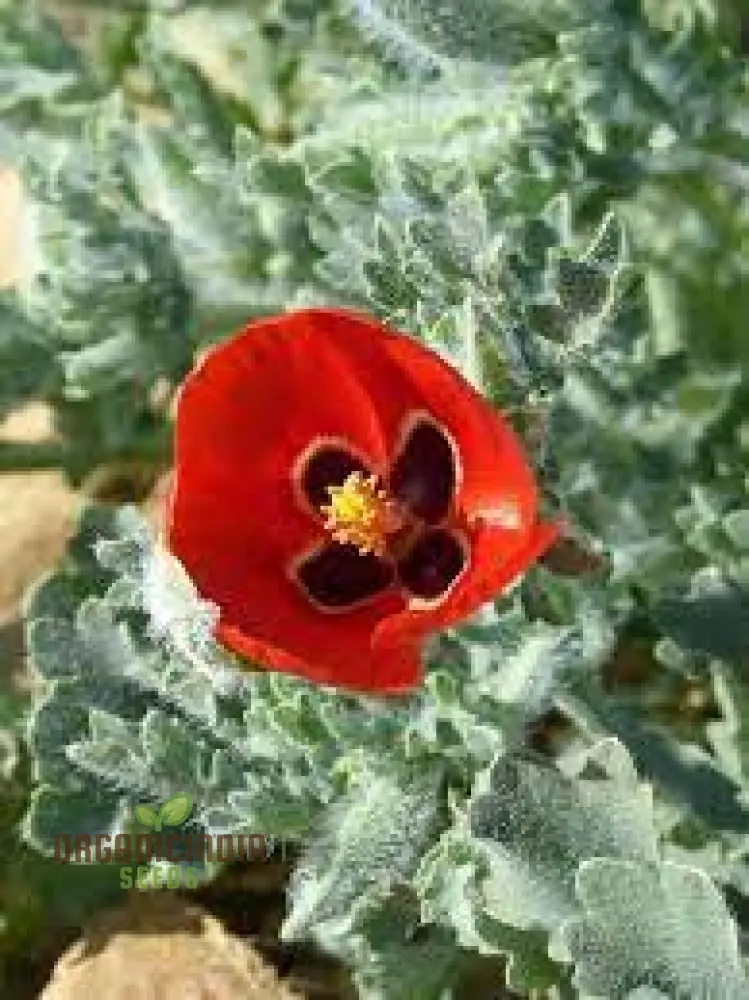
Bring striking color and texture to your garden with Glaucium Corniculatum Seeds, a rare and hardy perennial known for its bold, ornamental appearance. Recognized for its finely divided, silvery foliage and vibrant cup-shaped flowers, this plant is an excellent choice for gardeners seeking unique landscape additions.
Glaucium Corniculatum thrives in sunny, well-drained areas and is valued for its ability to tolerate heat, poor soils, and drought once established. These high-quality, non-GMO seeds produce beautiful, resilient plants perfect for rock gardens, borders, dry landscapes, and decorative outdoor settings.
Key Features
-
Rare and highly distinctive perennial species
-
Produces bright, eye-catching blooms
-
Hardy and drought-tolerant once established
-
Ideal for rock gardens, borders, and ornamental landscaping
-
Silvery-blue foliage adds visual contrast
-
High-quality, non-GMO seeds with reliable germination
-
Suitable for both beginner and experienced gardeners
Specifications
Botanical Name: Glaucium corniculatum
Common Name (US): Red Horned Poppy or Blackspot Poppy
Plant Type: Hardy Perennial (may behave as annual/biennial in cold regions)
Seed Type: Premium, Non-GMO
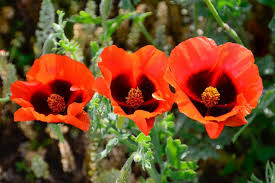
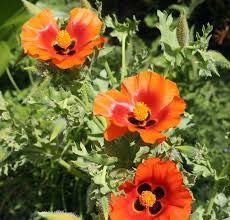
Flower Color: Bright red to orange (varies by habitat)
Bloom Season: Late Spring to Summer
USDA Hardiness Zones: 6–10
Sun Exposure: Full Sun
Soil Requirements: Sandy, rocky, or well-drained soil
Plant Height: 12–24 inches
Spacing: 12–18 inches
Watering Needs: Low to moderate; prefers dry conditions
Germination Time: 10–20 days
Temperature for Germination: 60–70°F
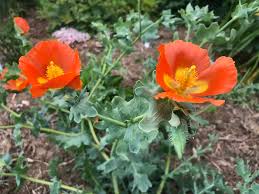
Growth Habit: Upright, bushy, clump-like
Uses: Xeriscaping, rock gardens, borders, ornamental gardening
Special Notes:
-
Avoid overwatering; prefers dry, sunny sites
-
Can reseed naturally in suitable conditions
Planting Guide
1. Sowing Indoors (Recommended)
-
Start seeds indoors 6–8 weeks before the last frost.
-
Use a well-draining seed-starting mix.
2. Sowing Outdoors
-
Direct sow after frost danger has passed.
-
Scatter seeds on prepared soil and lightly press in.
3. Sowing Depth
-
Cover seeds lightly—around 1/16 inch.
4. Light & Temperature Requirements
-
Provide full sun for strong seedling development.
-
Maintain 60–70°F for germination.
5. Watering
-
Keep soil slightly moist during early growth.
-
Once established, water sparingly.
6. Transplanting
-
Transplant seedlings after 2–3 sets of true leaves.
-
Choose a sunny, dry location with good drainage.
7. Care & Maintenance
-
Remove spent blooms to encourage more flowering.
-
Avoid wet soils, especially in winter.
Benefits
-
Perfect for heat-tolerant landscapes
-
Provides unique color and texture contrast
-
Low-maintenance once established
-
Suitable for drought-resistant gardening
-
Enhances decorative and naturalistic garden designs
Original: $16.99
-65%$16.99
$5.95More Images
Glaucium Corniculatum Seeds – Hardy Perennial Garden Variety for Unique Landscapes
Bring striking color and texture to your garden with Glaucium Corniculatum Seeds, a rare and hardy perennial known for its bold, ornamental appearance. Recognized for its finely divided, silvery foliage and vibrant cup-shaped flowers, this plant is an excellent choice for gardeners seeking unique landscape additions.
Glaucium Corniculatum thrives in sunny, well-drained areas and is valued for its ability to tolerate heat, poor soils, and drought once established. These high-quality, non-GMO seeds produce beautiful, resilient plants perfect for rock gardens, borders, dry landscapes, and decorative outdoor settings.
Key Features
-
Rare and highly distinctive perennial species
-
Produces bright, eye-catching blooms
-
Hardy and drought-tolerant once established
-
Ideal for rock gardens, borders, and ornamental landscaping
-
Silvery-blue foliage adds visual contrast
-
High-quality, non-GMO seeds with reliable germination
-
Suitable for both beginner and experienced gardeners
Specifications
Botanical Name: Glaucium corniculatum
Common Name (US): Red Horned Poppy or Blackspot Poppy
Plant Type: Hardy Perennial (may behave as annual/biennial in cold regions)
Seed Type: Premium, Non-GMO
Flower Color: Bright red to orange (varies by habitat)
Bloom Season: Late Spring to Summer
USDA Hardiness Zones: 6–10
Sun Exposure: Full Sun
Soil Requirements: Sandy, rocky, or well-drained soil
Plant Height: 12–24 inches
Spacing: 12–18 inches
Watering Needs: Low to moderate; prefers dry conditions
Germination Time: 10–20 days
Temperature for Germination: 60–70°F
Growth Habit: Upright, bushy, clump-like
Uses: Xeriscaping, rock gardens, borders, ornamental gardening
Special Notes:
-
Avoid overwatering; prefers dry, sunny sites
-
Can reseed naturally in suitable conditions
Planting Guide
1. Sowing Indoors (Recommended)
-
Start seeds indoors 6–8 weeks before the last frost.
-
Use a well-draining seed-starting mix.
2. Sowing Outdoors
-
Direct sow after frost danger has passed.
-
Scatter seeds on prepared soil and lightly press in.
3. Sowing Depth
-
Cover seeds lightly—around 1/16 inch.
4. Light & Temperature Requirements
-
Provide full sun for strong seedling development.
-
Maintain 60–70°F for germination.
5. Watering
-
Keep soil slightly moist during early growth.
-
Once established, water sparingly.
6. Transplanting
-
Transplant seedlings after 2–3 sets of true leaves.
-
Choose a sunny, dry location with good drainage.
7. Care & Maintenance
-
Remove spent blooms to encourage more flowering.
-
Avoid wet soils, especially in winter.
Benefits
-
Perfect for heat-tolerant landscapes
-
Provides unique color and texture contrast
-
Low-maintenance once established
-
Suitable for drought-resistant gardening
-
Enhances decorative and naturalistic garden designs
Product Information
Product Information
Shipping & Returns
Shipping & Returns
Description
Bring striking color and texture to your garden with Glaucium Corniculatum Seeds, a rare and hardy perennial known for its bold, ornamental appearance. Recognized for its finely divided, silvery foliage and vibrant cup-shaped flowers, this plant is an excellent choice for gardeners seeking unique landscape additions.
Glaucium Corniculatum thrives in sunny, well-drained areas and is valued for its ability to tolerate heat, poor soils, and drought once established. These high-quality, non-GMO seeds produce beautiful, resilient plants perfect for rock gardens, borders, dry landscapes, and decorative outdoor settings.
Key Features
-
Rare and highly distinctive perennial species
-
Produces bright, eye-catching blooms
-
Hardy and drought-tolerant once established
-
Ideal for rock gardens, borders, and ornamental landscaping
-
Silvery-blue foliage adds visual contrast
-
High-quality, non-GMO seeds with reliable germination
-
Suitable for both beginner and experienced gardeners
Specifications
Botanical Name: Glaucium corniculatum
Common Name (US): Red Horned Poppy or Blackspot Poppy
Plant Type: Hardy Perennial (may behave as annual/biennial in cold regions)
Seed Type: Premium, Non-GMO
Flower Color: Bright red to orange (varies by habitat)
Bloom Season: Late Spring to Summer
USDA Hardiness Zones: 6–10
Sun Exposure: Full Sun
Soil Requirements: Sandy, rocky, or well-drained soil
Plant Height: 12–24 inches
Spacing: 12–18 inches
Watering Needs: Low to moderate; prefers dry conditions
Germination Time: 10–20 days
Temperature for Germination: 60–70°F
Growth Habit: Upright, bushy, clump-like
Uses: Xeriscaping, rock gardens, borders, ornamental gardening
Special Notes:
-
Avoid overwatering; prefers dry, sunny sites
-
Can reseed naturally in suitable conditions
Planting Guide
1. Sowing Indoors (Recommended)
-
Start seeds indoors 6–8 weeks before the last frost.
-
Use a well-draining seed-starting mix.
2. Sowing Outdoors
-
Direct sow after frost danger has passed.
-
Scatter seeds on prepared soil and lightly press in.
3. Sowing Depth
-
Cover seeds lightly—around 1/16 inch.
4. Light & Temperature Requirements
-
Provide full sun for strong seedling development.
-
Maintain 60–70°F for germination.
5. Watering
-
Keep soil slightly moist during early growth.
-
Once established, water sparingly.
6. Transplanting
-
Transplant seedlings after 2–3 sets of true leaves.
-
Choose a sunny, dry location with good drainage.
7. Care & Maintenance
-
Remove spent blooms to encourage more flowering.
-
Avoid wet soils, especially in winter.
Benefits
-
Perfect for heat-tolerant landscapes
-
Provides unique color and texture contrast
-
Low-maintenance once established
-
Suitable for drought-resistant gardening
-
Enhances decorative and naturalistic garden designs