Fritillaria Pyrenaica Seeds - Rare Alpine Planting for Gardening Enthusiasts - Planting Instructions Included
Fritillaria Pyrenaica Seeds - Rare Alpine Planting for Gardening Enthusiasts - Planting Instructions Included
Fritillaria Pyrenaica Seeds – Rare Alpine Beauty for Gardening Enthusiasts
Scientific Name: Fritillaria pyrenaica
Common Name: Pyrenean Fritillary
Plant Type: Perennial, Bulbous Flower
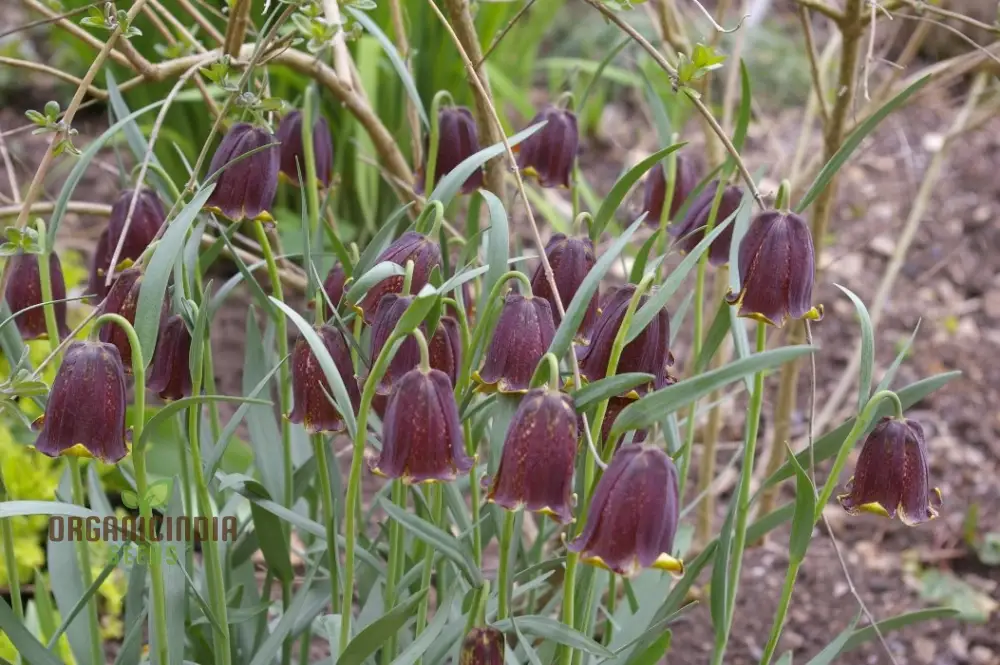
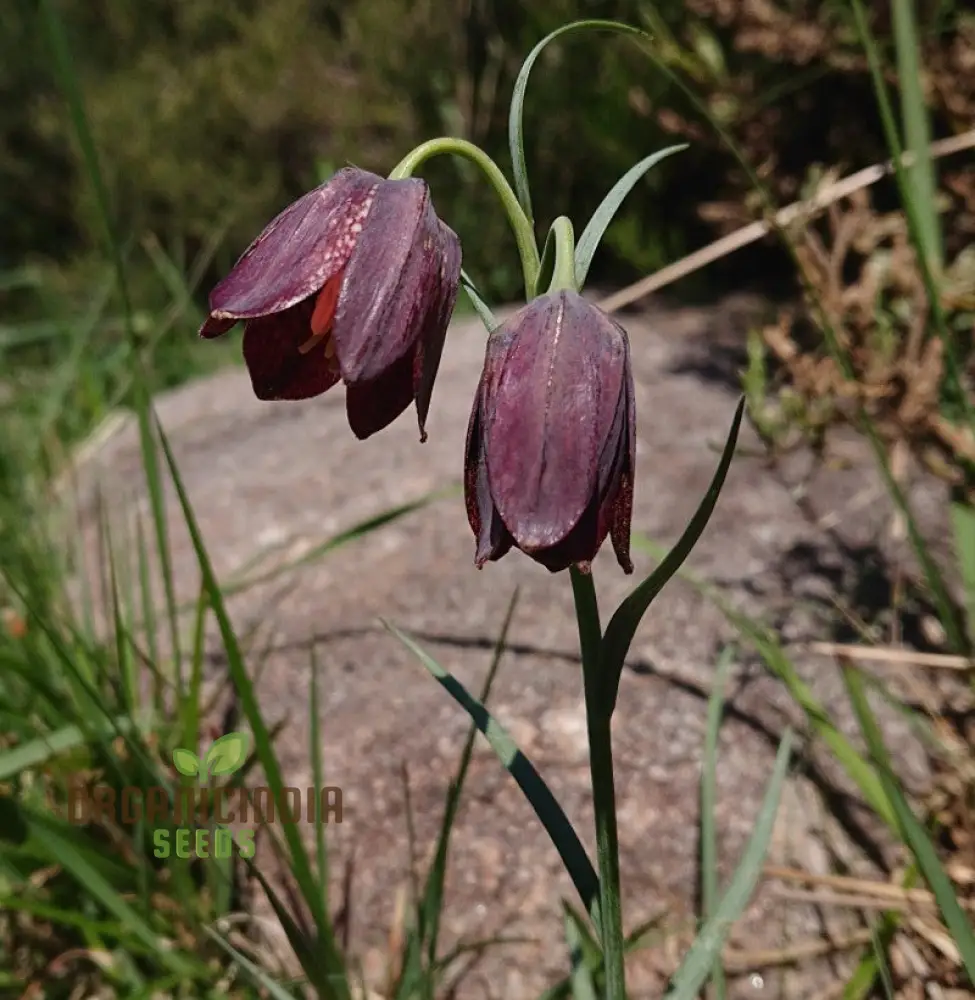
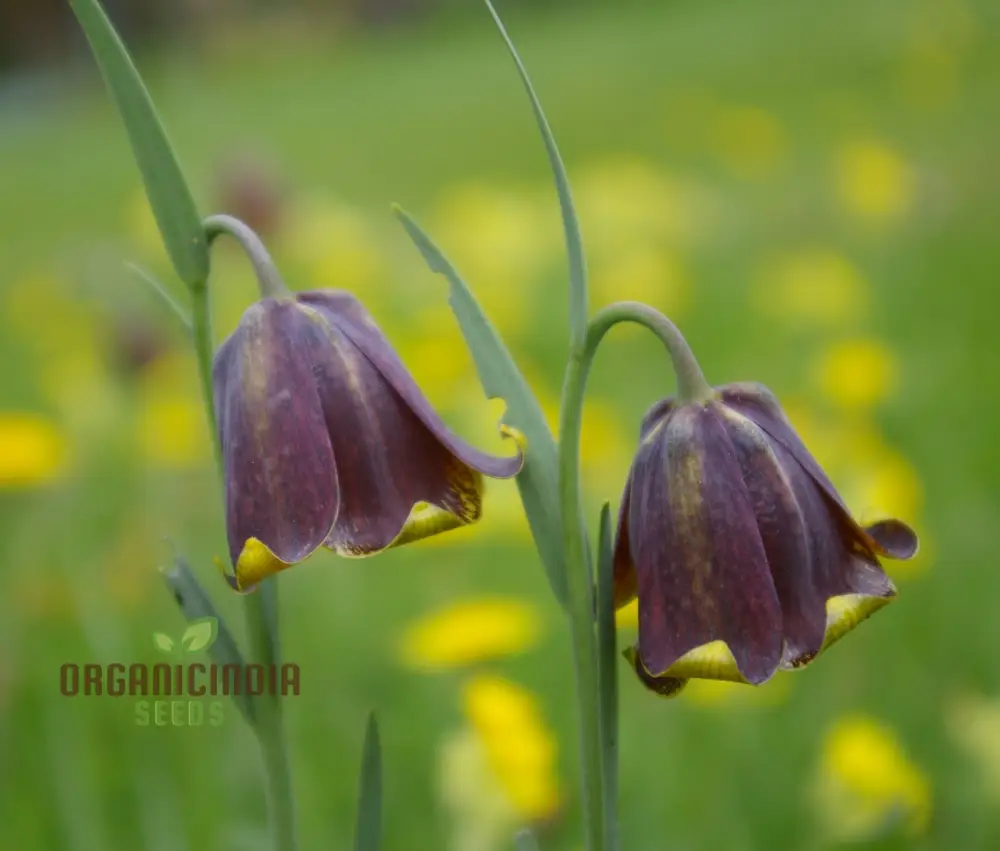
Flower Color: Deep purple-brown with golden-yellow highlights
Mature Height: 12 to 18 inches
Spread: 6 to 8 inches
Light Requirements: Full sun to partial shade
Soil Requirements: Well-drained, humus-rich, slightly alkaline to neutral soil
Watering Needs: Moderate; prefers moist soil in spring but drier conditions after flowering
Blooming Season: Late spring to early summer
Uses: Rock gardens, woodland edges, borders, containers, and alpine displays
Product Details
- Germination Rate: Moderate; benefits from cold stratification
- Cold Hardiness: Suitable for USDA zones 5-8
- Growth Speed: Slow to moderate
- Wildlife Benefits: Attracts pollinators like bees
- Maintenance Level: Low; naturalizes well over time
Planting Instructions
Seed Preparation and Sowing
- Best Planting Time: Late summer to early winter
- Sowing Method:
- Cold stratify seeds by storing them in moist sand or peat at 35-40°F (1-4°C) for 8-12 weeks.
- Sow seeds in a well-draining seed mix, lightly covering them with soil.
- Keep the soil moist but not waterlogged.
- Maintain a temperature range of 50-60°F (10-15°C) after stratification for germination.
- Spacing: 4 to 6 inches apart.
- Germination Time: 6 to 12 months, as it requires seasonal temperature changes.
Care and Maintenance
- Watering: Keep the soil moist during the growing season; reduce watering after flowering.
- Fertilization: Apply a balanced, slow-release fertilizer in early spring.
- Pruning: Allow foliage to die back naturally to support bulb development.
- Pest and Disease Resistance: Generally resistant to pests; ensure good drainage to prevent bulb rot.
- Winter Care: In colder zones, apply mulch to protect young plants from extreme frost.
Why Grow Fritillaria Pyrenaica?
- Exquisite and Rare Blooms: Unique, bell-shaped flowers with rich, contrasting hues.
- Low Maintenance: Once established, requires minimal care.
- Pollinator-Friendly: Supports bees and beneficial insects.
- Alpine Elegance: Perfect for rock gardens, naturalized settings, and woodland edges.
Companion Planting Suggestions
- Pairs beautifully with Anemones, Muscari, and Crocuses for a layered spring display.
- Complements other Fritillarias, Tulips, and Erythroniums for a diverse color range.
- Looks stunning alongside Hostas and Ferns in shaded garden areas.
Enhance Your Garden with the Rare Beauty of Fritillaria Pyrenaica!
Original: $16.99
-65%$16.99
$5.95More Images
Fritillaria Pyrenaica Seeds - Rare Alpine Planting for Gardening Enthusiasts - Planting Instructions Included
Fritillaria Pyrenaica Seeds – Rare Alpine Beauty for Gardening Enthusiasts
Scientific Name: Fritillaria pyrenaica
Common Name: Pyrenean Fritillary
Plant Type: Perennial, Bulbous Flower
Flower Color: Deep purple-brown with golden-yellow highlights
Mature Height: 12 to 18 inches
Spread: 6 to 8 inches
Light Requirements: Full sun to partial shade
Soil Requirements: Well-drained, humus-rich, slightly alkaline to neutral soil
Watering Needs: Moderate; prefers moist soil in spring but drier conditions after flowering
Blooming Season: Late spring to early summer
Uses: Rock gardens, woodland edges, borders, containers, and alpine displays
Product Details
- Germination Rate: Moderate; benefits from cold stratification
- Cold Hardiness: Suitable for USDA zones 5-8
- Growth Speed: Slow to moderate
- Wildlife Benefits: Attracts pollinators like bees
- Maintenance Level: Low; naturalizes well over time
Planting Instructions
Seed Preparation and Sowing
- Best Planting Time: Late summer to early winter
- Sowing Method:
- Cold stratify seeds by storing them in moist sand or peat at 35-40°F (1-4°C) for 8-12 weeks.
- Sow seeds in a well-draining seed mix, lightly covering them with soil.
- Keep the soil moist but not waterlogged.
- Maintain a temperature range of 50-60°F (10-15°C) after stratification for germination.
- Spacing: 4 to 6 inches apart.
- Germination Time: 6 to 12 months, as it requires seasonal temperature changes.
Care and Maintenance
- Watering: Keep the soil moist during the growing season; reduce watering after flowering.
- Fertilization: Apply a balanced, slow-release fertilizer in early spring.
- Pruning: Allow foliage to die back naturally to support bulb development.
- Pest and Disease Resistance: Generally resistant to pests; ensure good drainage to prevent bulb rot.
- Winter Care: In colder zones, apply mulch to protect young plants from extreme frost.
Why Grow Fritillaria Pyrenaica?
- Exquisite and Rare Blooms: Unique, bell-shaped flowers with rich, contrasting hues.
- Low Maintenance: Once established, requires minimal care.
- Pollinator-Friendly: Supports bees and beneficial insects.
- Alpine Elegance: Perfect for rock gardens, naturalized settings, and woodland edges.
Companion Planting Suggestions
- Pairs beautifully with Anemones, Muscari, and Crocuses for a layered spring display.
- Complements other Fritillarias, Tulips, and Erythroniums for a diverse color range.
- Looks stunning alongside Hostas and Ferns in shaded garden areas.
Enhance Your Garden with the Rare Beauty of Fritillaria Pyrenaica!
Product Information
Product Information
Shipping & Returns
Shipping & Returns
Description
Fritillaria Pyrenaica Seeds – Rare Alpine Beauty for Gardening Enthusiasts
Scientific Name: Fritillaria pyrenaica
Common Name: Pyrenean Fritillary
Plant Type: Perennial, Bulbous Flower
Flower Color: Deep purple-brown with golden-yellow highlights
Mature Height: 12 to 18 inches
Spread: 6 to 8 inches
Light Requirements: Full sun to partial shade
Soil Requirements: Well-drained, humus-rich, slightly alkaline to neutral soil
Watering Needs: Moderate; prefers moist soil in spring but drier conditions after flowering
Blooming Season: Late spring to early summer
Uses: Rock gardens, woodland edges, borders, containers, and alpine displays
Product Details
- Germination Rate: Moderate; benefits from cold stratification
- Cold Hardiness: Suitable for USDA zones 5-8
- Growth Speed: Slow to moderate
- Wildlife Benefits: Attracts pollinators like bees
- Maintenance Level: Low; naturalizes well over time
Planting Instructions
Seed Preparation and Sowing
- Best Planting Time: Late summer to early winter
- Sowing Method:
- Cold stratify seeds by storing them in moist sand or peat at 35-40°F (1-4°C) for 8-12 weeks.
- Sow seeds in a well-draining seed mix, lightly covering them with soil.
- Keep the soil moist but not waterlogged.
- Maintain a temperature range of 50-60°F (10-15°C) after stratification for germination.
- Spacing: 4 to 6 inches apart.
- Germination Time: 6 to 12 months, as it requires seasonal temperature changes.
Care and Maintenance
- Watering: Keep the soil moist during the growing season; reduce watering after flowering.
- Fertilization: Apply a balanced, slow-release fertilizer in early spring.
- Pruning: Allow foliage to die back naturally to support bulb development.
- Pest and Disease Resistance: Generally resistant to pests; ensure good drainage to prevent bulb rot.
- Winter Care: In colder zones, apply mulch to protect young plants from extreme frost.
Why Grow Fritillaria Pyrenaica?
- Exquisite and Rare Blooms: Unique, bell-shaped flowers with rich, contrasting hues.
- Low Maintenance: Once established, requires minimal care.
- Pollinator-Friendly: Supports bees and beneficial insects.
- Alpine Elegance: Perfect for rock gardens, naturalized settings, and woodland edges.
Companion Planting Suggestions
- Pairs beautifully with Anemones, Muscari, and Crocuses for a layered spring display.
- Complements other Fritillarias, Tulips, and Erythroniums for a diverse color range.
- Looks stunning alongside Hostas and Ferns in shaded garden areas.