Fritillaria Crassifolia Subsp Kurdica Seeds for Planting - Premium Quality Seeds for Your Garden
Fritillaria Crassifolia Subsp Kurdica Seeds for Planting - Premium Quality Seeds for Your Garden
Fritillaria Crassifolia subsp. kurdica Seeds – A Rare and Stunning Addition to Your Garden
Scientific Name: Fritillaria crassifolia subsp. kurdica
Common Name: Kurdistan Fritillary
Plant Type: Perennial, Bulbous Flower
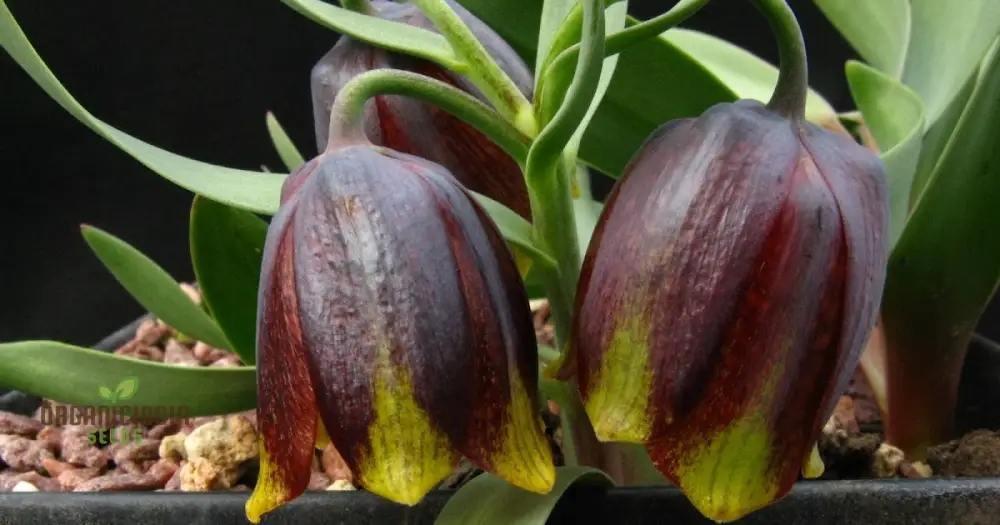
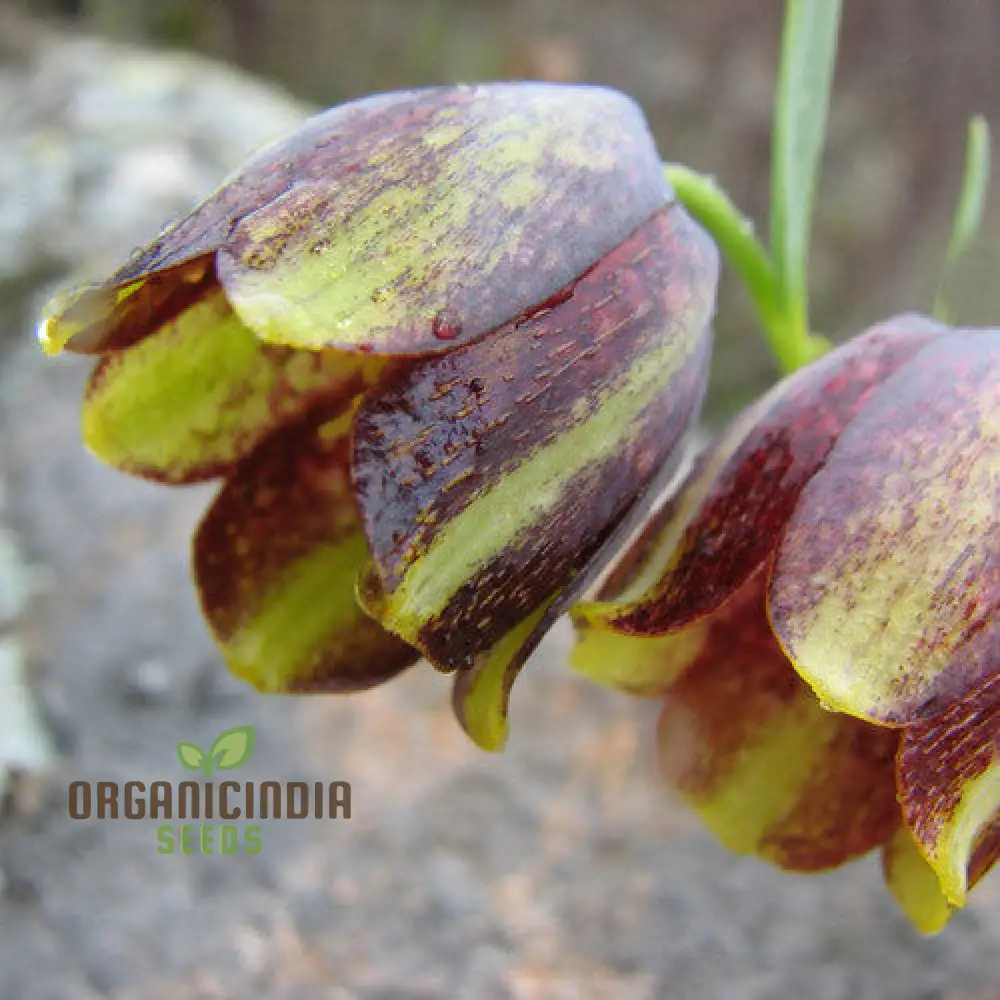
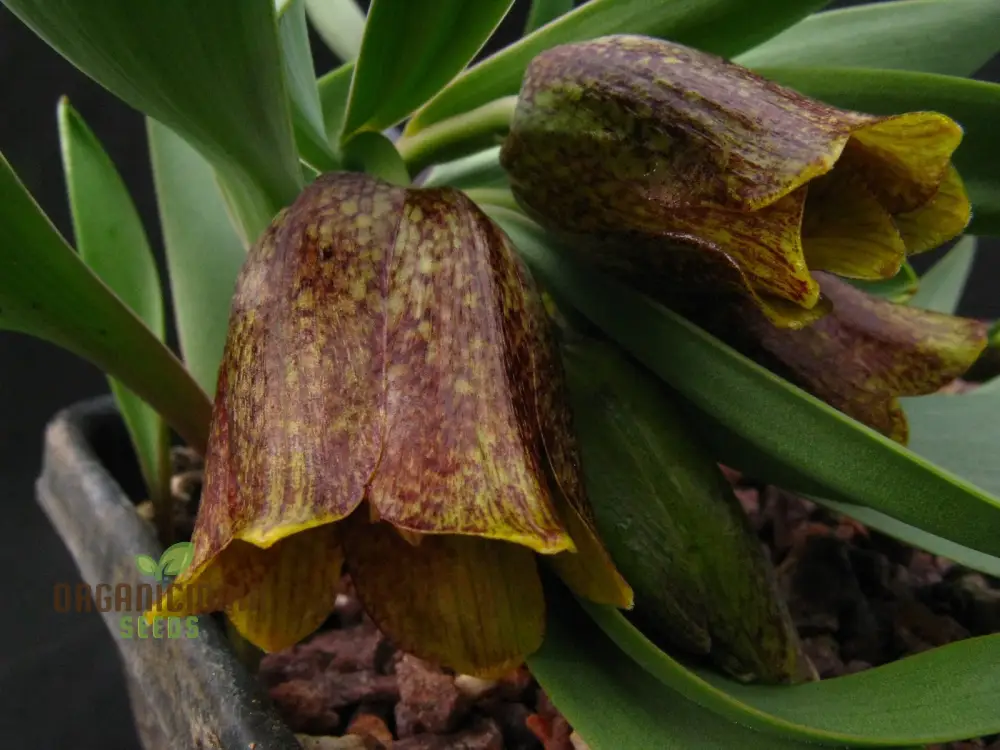
Flower Color: Soft yellow-green with maroon markings
Mature Height: 6 to 12 inches
Spread: 4 to 8 inches
Light Requirements: Full sun to partial shade
Soil Requirements: Well-drained, sandy, or rocky soil
Watering Needs: Moderate; prefers dry conditions after blooming
Blooming Season: Early to mid-spring
Uses: Rock gardens, alpine gardens, borders, containers, and naturalized landscapes
Product Details
- Germination Rate: High with proper stratification
- Cold Hardiness: Suitable for USDA zones 4-8
- Growth Speed: Slow to moderate
- Wildlife Benefits: Attracts early-season pollinators
- Maintenance Level: Low; drought-tolerant once established
Planting Instructions
Seed Preparation and Sowing
- Best Planting Time: Fall or late winter for optimal germination
- Cold Stratification: Store seeds in moist sand in the refrigerator for 8-12 weeks before planting
- Sowing Method:
- Sow seeds in well-drained soil, lightly covering them with a thin layer (about 1/8 inch) of soil or sand.
- Keep soil slightly moist but not waterlogged.
- Use pots or plant directly in a cold frame for best results.
- Spacing: 3 to 6 inches apart
- Germination Time: 6 to 12 months; patience is key, as Fritillaria species take time to establish
Care and Maintenance
- Watering: Water moderately during active growth; reduce after blooming.
- Fertilization: Apply a balanced, diluted fertilizer in early spring.
- Pruning: Remove spent flowers to encourage healthy bulb development.
- Pest and Disease Resistance: Generally pest-resistant but may be prone to bulb rot in wet conditions.
- Winter Care: Hardy in most climates; mulch lightly in colder regions to protect bulbs.
Why Grow Fritillaria Crassifolia subsp. kurdica?
- Rare and Unique: A distinctive addition to alpine and rock gardens.
- Early Spring Blooms: Brings color to the garden when most plants are still dormant.
- Low Maintenance: Thrives with minimal care once established.
- Drought-Tolerant: Well-adapted to dry, rocky soils, making it a great choice for water-wise gardens.
Companion Planting Suggestions
- Complements Crocus, Iris reticulata, and Eranthis for an early spring floral display.
- Pairs beautifully with Sedum, Saxifraga, and Draba in rock gardens.
- Looks stunning alongside Tulipa humilis, Muscari, and Scilla for a naturalized meadow effect.
Bring the Rare Beauty of Fritillaria Crassifolia subsp. kurdica to Your Garden!
Original: $16.99
-65%$16.99
$5.95More Images

Fritillaria Crassifolia Subsp Kurdica Seeds for Planting - Premium Quality Seeds for Your Garden
Fritillaria Crassifolia subsp. kurdica Seeds – A Rare and Stunning Addition to Your Garden
Scientific Name: Fritillaria crassifolia subsp. kurdica
Common Name: Kurdistan Fritillary
Plant Type: Perennial, Bulbous Flower
Flower Color: Soft yellow-green with maroon markings
Mature Height: 6 to 12 inches
Spread: 4 to 8 inches
Light Requirements: Full sun to partial shade
Soil Requirements: Well-drained, sandy, or rocky soil
Watering Needs: Moderate; prefers dry conditions after blooming
Blooming Season: Early to mid-spring
Uses: Rock gardens, alpine gardens, borders, containers, and naturalized landscapes
Product Details
- Germination Rate: High with proper stratification
- Cold Hardiness: Suitable for USDA zones 4-8
- Growth Speed: Slow to moderate
- Wildlife Benefits: Attracts early-season pollinators
- Maintenance Level: Low; drought-tolerant once established
Planting Instructions
Seed Preparation and Sowing
- Best Planting Time: Fall or late winter for optimal germination
- Cold Stratification: Store seeds in moist sand in the refrigerator for 8-12 weeks before planting
- Sowing Method:
- Sow seeds in well-drained soil, lightly covering them with a thin layer (about 1/8 inch) of soil or sand.
- Keep soil slightly moist but not waterlogged.
- Use pots or plant directly in a cold frame for best results.
- Spacing: 3 to 6 inches apart
- Germination Time: 6 to 12 months; patience is key, as Fritillaria species take time to establish
Care and Maintenance
- Watering: Water moderately during active growth; reduce after blooming.
- Fertilization: Apply a balanced, diluted fertilizer in early spring.
- Pruning: Remove spent flowers to encourage healthy bulb development.
- Pest and Disease Resistance: Generally pest-resistant but may be prone to bulb rot in wet conditions.
- Winter Care: Hardy in most climates; mulch lightly in colder regions to protect bulbs.
Why Grow Fritillaria Crassifolia subsp. kurdica?
- Rare and Unique: A distinctive addition to alpine and rock gardens.
- Early Spring Blooms: Brings color to the garden when most plants are still dormant.
- Low Maintenance: Thrives with minimal care once established.
- Drought-Tolerant: Well-adapted to dry, rocky soils, making it a great choice for water-wise gardens.
Companion Planting Suggestions
- Complements Crocus, Iris reticulata, and Eranthis for an early spring floral display.
- Pairs beautifully with Sedum, Saxifraga, and Draba in rock gardens.
- Looks stunning alongside Tulipa humilis, Muscari, and Scilla for a naturalized meadow effect.
Bring the Rare Beauty of Fritillaria Crassifolia subsp. kurdica to Your Garden!
Product Information
Product Information
Shipping & Returns
Shipping & Returns
Description
Fritillaria Crassifolia subsp. kurdica Seeds – A Rare and Stunning Addition to Your Garden
Scientific Name: Fritillaria crassifolia subsp. kurdica
Common Name: Kurdistan Fritillary
Plant Type: Perennial, Bulbous Flower
Flower Color: Soft yellow-green with maroon markings
Mature Height: 6 to 12 inches
Spread: 4 to 8 inches
Light Requirements: Full sun to partial shade
Soil Requirements: Well-drained, sandy, or rocky soil
Watering Needs: Moderate; prefers dry conditions after blooming
Blooming Season: Early to mid-spring
Uses: Rock gardens, alpine gardens, borders, containers, and naturalized landscapes
Product Details
- Germination Rate: High with proper stratification
- Cold Hardiness: Suitable for USDA zones 4-8
- Growth Speed: Slow to moderate
- Wildlife Benefits: Attracts early-season pollinators
- Maintenance Level: Low; drought-tolerant once established
Planting Instructions
Seed Preparation and Sowing
- Best Planting Time: Fall or late winter for optimal germination
- Cold Stratification: Store seeds in moist sand in the refrigerator for 8-12 weeks before planting
- Sowing Method:
- Sow seeds in well-drained soil, lightly covering them with a thin layer (about 1/8 inch) of soil or sand.
- Keep soil slightly moist but not waterlogged.
- Use pots or plant directly in a cold frame for best results.
- Spacing: 3 to 6 inches apart
- Germination Time: 6 to 12 months; patience is key, as Fritillaria species take time to establish
Care and Maintenance
- Watering: Water moderately during active growth; reduce after blooming.
- Fertilization: Apply a balanced, diluted fertilizer in early spring.
- Pruning: Remove spent flowers to encourage healthy bulb development.
- Pest and Disease Resistance: Generally pest-resistant but may be prone to bulb rot in wet conditions.
- Winter Care: Hardy in most climates; mulch lightly in colder regions to protect bulbs.
Why Grow Fritillaria Crassifolia subsp. kurdica?
- Rare and Unique: A distinctive addition to alpine and rock gardens.
- Early Spring Blooms: Brings color to the garden when most plants are still dormant.
- Low Maintenance: Thrives with minimal care once established.
- Drought-Tolerant: Well-adapted to dry, rocky soils, making it a great choice for water-wise gardens.
Companion Planting Suggestions
- Complements Crocus, Iris reticulata, and Eranthis for an early spring floral display.
- Pairs beautifully with Sedum, Saxifraga, and Draba in rock gardens.
- Looks stunning alongside Tulipa humilis, Muscari, and Scilla for a naturalized meadow effect.