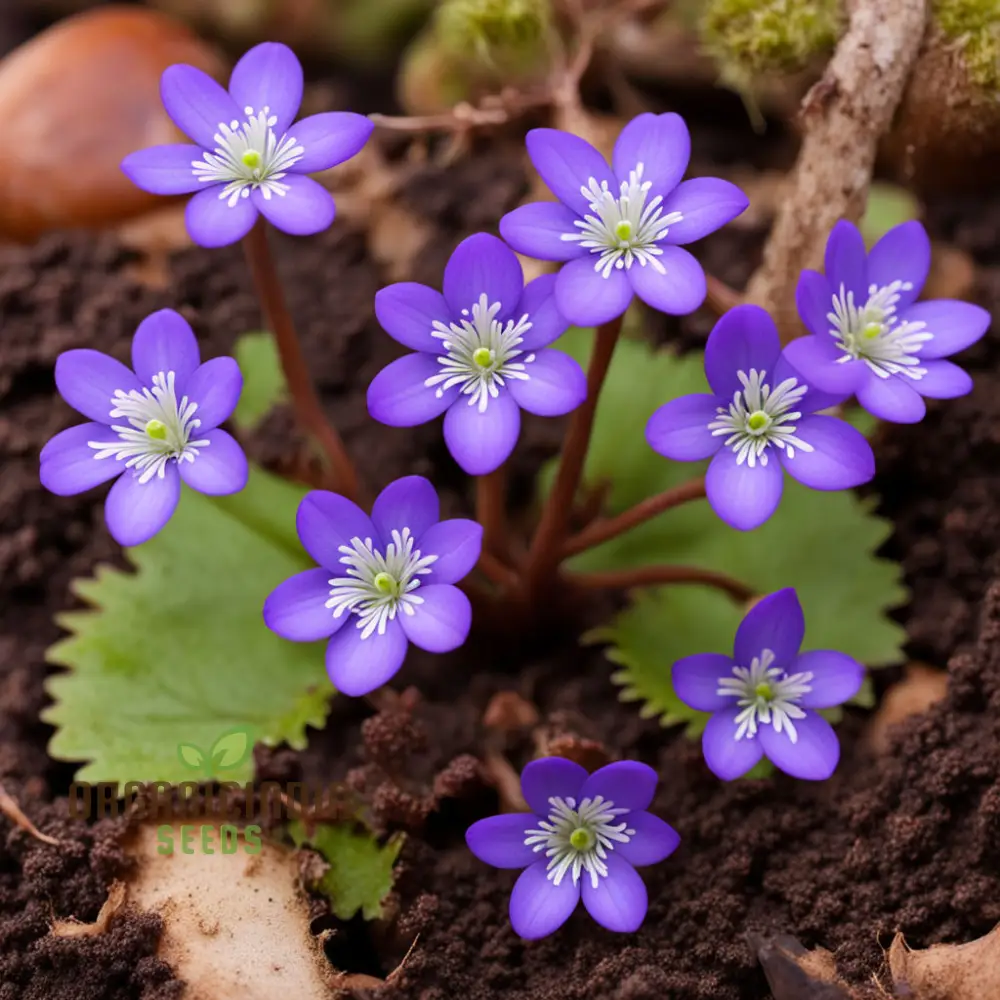
Hepatica Nobilis Seeds – Premium Woodland Bloom Variety for Elegant Gardens
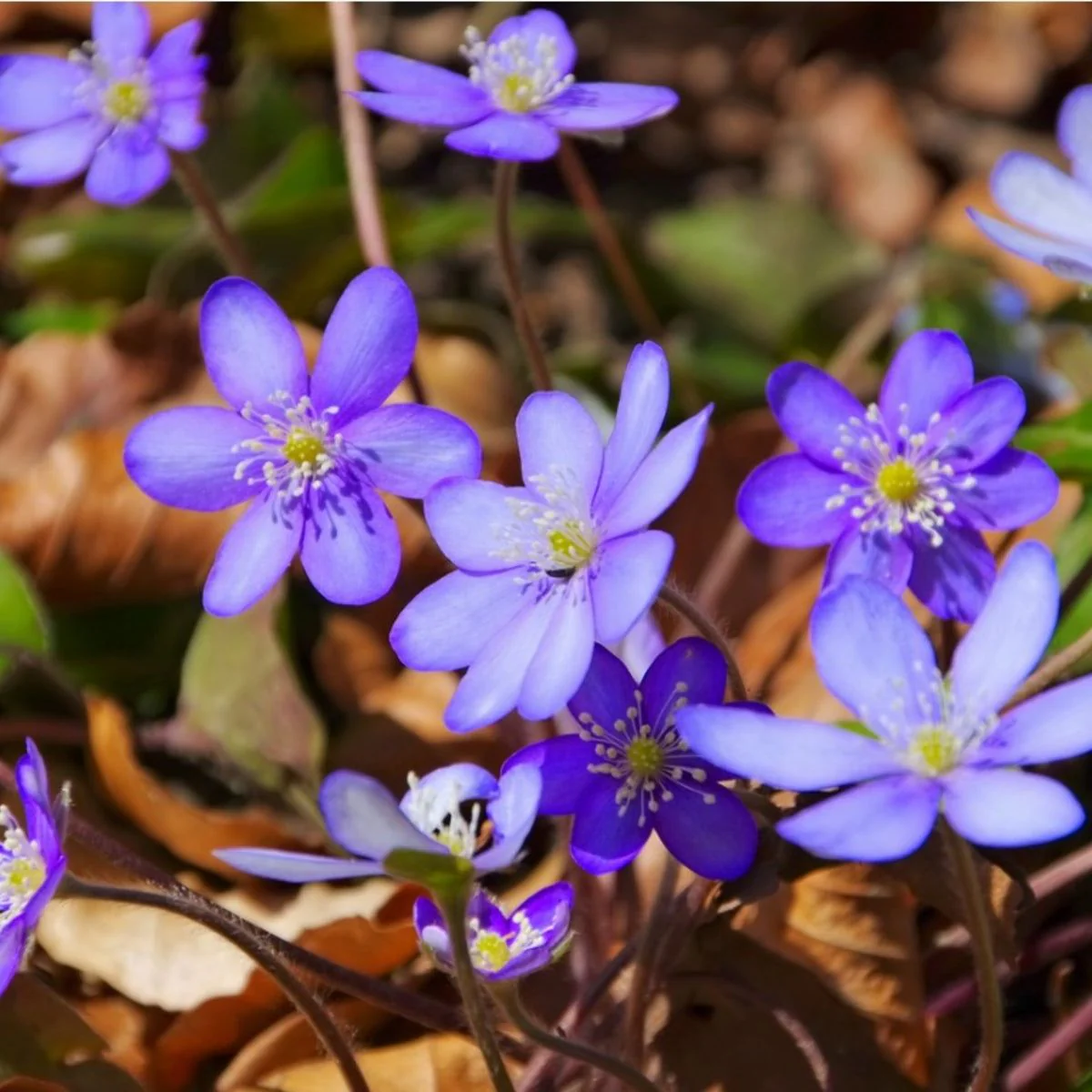
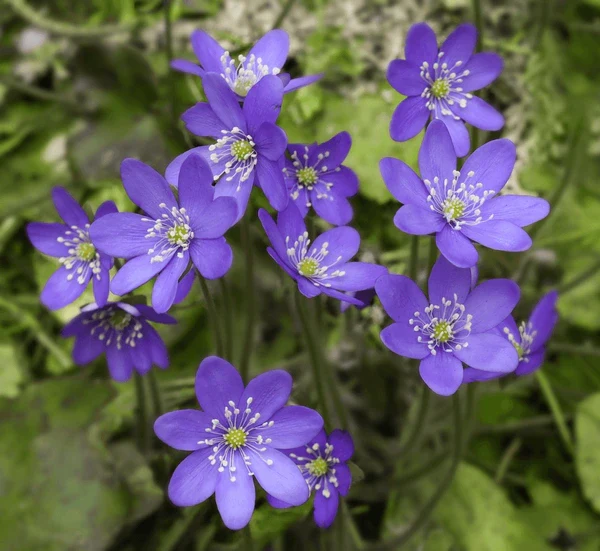
Add timeless elegance to your shaded garden spaces with Hepatica Nobilis Seeds, known for producing exquisite early-spring blossoms in shades of blue, lavender, pink, and white. Highly prized for their delicate charm, these flowers thrive in woodland environments and naturalized landscapes.
Hepatica Nobilis is admired for its long-lasting foliage, compact growth habit, and ability to bloom reliably even in shaded areas. These premium-quality, non-GMO flower seeds make an excellent choice for gardeners seeking rare, elegant, and easy-maintenance plants for forest-edge gardens and shady beds.
Key Features
Produces delicate early-spring blossoms
Thrives in shaded and woodland garden settings
High-quality, non-GMO seeds
Compact, low-maintenance perennial
Attractive foliage that lasts through summer
Ideal for naturalized, rustic, and serene garden designs
Adds color when few other plants are blooming
Specifications
Botanical Name: Hepatica nobilis
Common Name (US): Liverleaf or Hepatica
Plant Type: Perennial
Seed Type: High-Quality, Non-GMO
Flower Colors: Blue, lavender, white, pink (varies naturally)
Bloom Season: Early Spring
USDA Hardiness Zones: 3–8
Sun Exposure: Partial Shade to Full Shade
Soil Requirements: Moist, well-drained, humus-rich soil
Plant Height: 4–6 inches
Spacing: 6–10 inches
Watering Needs: Light to moderate watering; do not overwater
Germination Time: Slow; may take several weeks to months
Temperature Requirements: Prefers cool, moist conditions
Growth Habit: Low-growing, clump-forming
Uses: Woodland gardens, shaded borders, rock gardens, spring displays
Special Notes: Seeds may require cold stratification to germinate.
Planting Guide
1. Stratification (Important for Germination)
Hepatica seeds require cold stratification for 6–12 weeks.
Place seeds in moist peat or sand in a sealed container and refrigerate.
2. Sowing Depth
After stratification, sow seeds on the soil surface and lightly press down.
Do not bury deeply as they need light to germinate.
3. Light & Temperature
Keep in partial shade for best germination.
Ideal soil temperature: 50–60°F.
4. Watering
Keep soil consistently moist but never waterlogged.
Avoid letting soil dry completely.
5. Transplanting
Transplant seedlings after they develop 2–3 sets of true leaves.
Choose shaded or woodland-like locations.
6. Ongoing Care
Add leaf mulch annually to enrich the soil.
Protect young plants from direct harsh sunlight.
7. Blooming Timeline
Expect flowers the following spring after establishment.
Benefits
Brings life to shaded areas where few flowers thrive
Reliable early-blooming perennial
Enhances natural woodland and serene landscapes
Low maintenance once established
Resistant to most pests and diseases
Original: $16.99
-65%$16.99
$5.95More Images
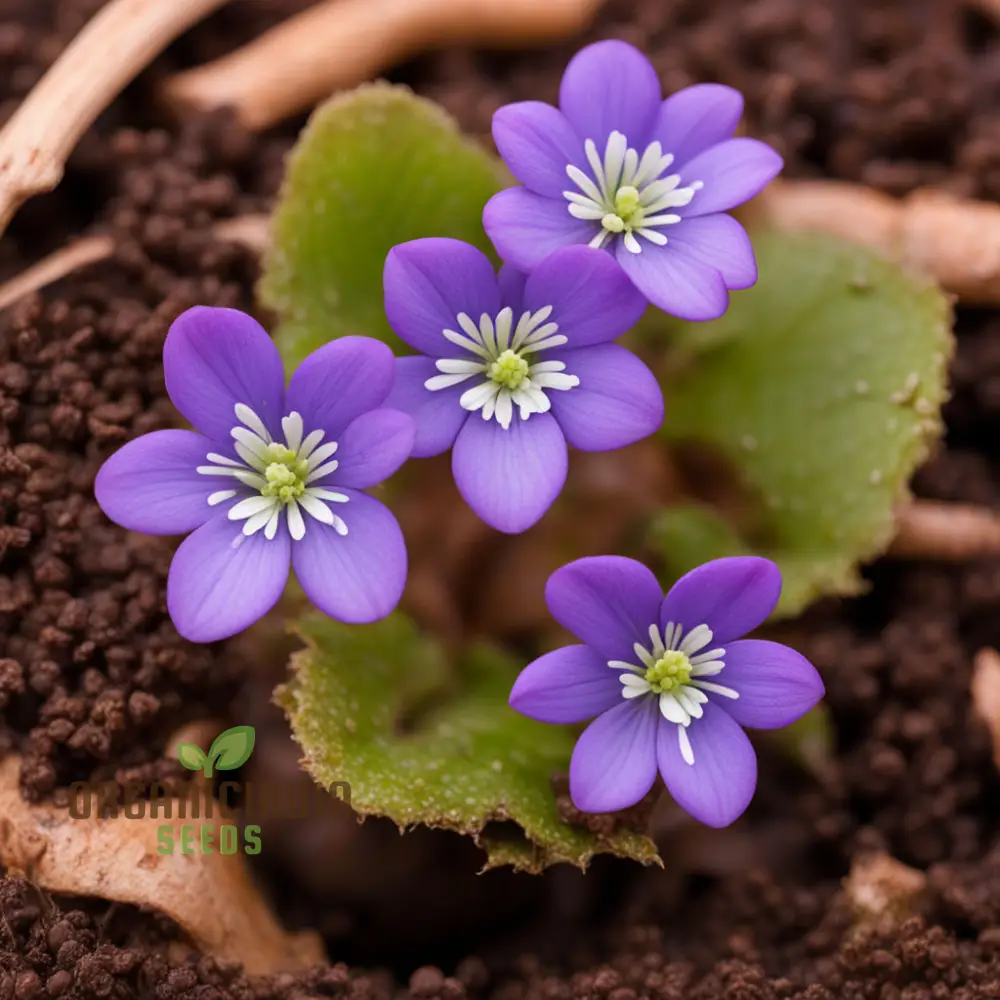
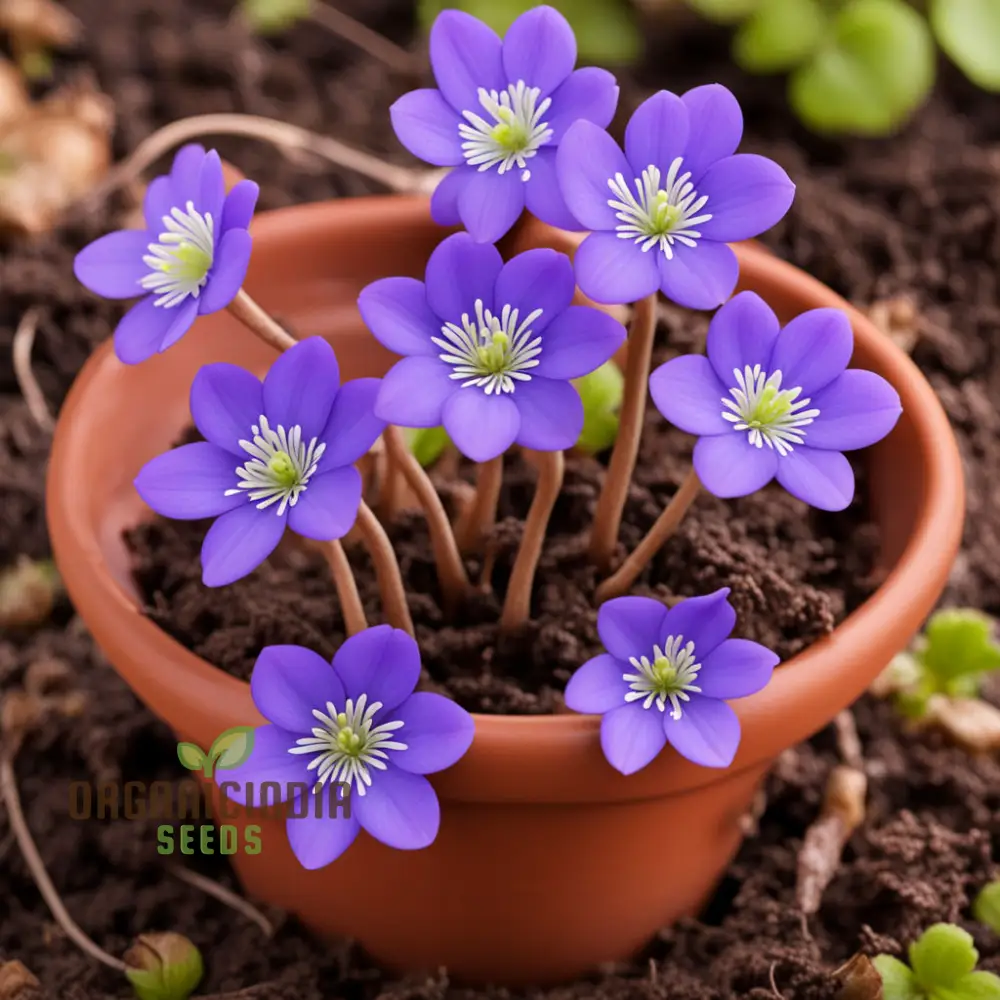
Hepatica Nobilis Seeds – Premium Woodland Bloom Variety for Elegant Gardens
Add timeless elegance to your shaded garden spaces with Hepatica Nobilis Seeds, known for producing exquisite early-spring blossoms in shades of blue, lavender, pink, and white. Highly prized for their delicate charm, these flowers thrive in woodland environments and naturalized landscapes.
Hepatica Nobilis is admired for its long-lasting foliage, compact growth habit, and ability to bloom reliably even in shaded areas. These premium-quality, non-GMO flower seeds make an excellent choice for gardeners seeking rare, elegant, and easy-maintenance plants for forest-edge gardens and shady beds.
Key Features
Produces delicate early-spring blossoms
Thrives in shaded and woodland garden settings
High-quality, non-GMO seeds
Compact, low-maintenance perennial
Attractive foliage that lasts through summer
Ideal for naturalized, rustic, and serene garden designs
Adds color when few other plants are blooming
Specifications
Botanical Name: Hepatica nobilis
Common Name (US): Liverleaf or Hepatica
Plant Type: Perennial
Seed Type: High-Quality, Non-GMO
Flower Colors: Blue, lavender, white, pink (varies naturally)
Bloom Season: Early Spring
USDA Hardiness Zones: 3–8
Sun Exposure: Partial Shade to Full Shade
Soil Requirements: Moist, well-drained, humus-rich soil
Plant Height: 4–6 inches
Spacing: 6–10 inches
Watering Needs: Light to moderate watering; do not overwater
Germination Time: Slow; may take several weeks to months
Temperature Requirements: Prefers cool, moist conditions
Growth Habit: Low-growing, clump-forming
Uses: Woodland gardens, shaded borders, rock gardens, spring displays
Special Notes: Seeds may require cold stratification to germinate.
Planting Guide
1. Stratification (Important for Germination)
Hepatica seeds require cold stratification for 6–12 weeks.
Place seeds in moist peat or sand in a sealed container and refrigerate.
2. Sowing Depth
After stratification, sow seeds on the soil surface and lightly press down.
Do not bury deeply as they need light to germinate.
3. Light & Temperature
Keep in partial shade for best germination.
Ideal soil temperature: 50–60°F.
4. Watering
Keep soil consistently moist but never waterlogged.
Avoid letting soil dry completely.
5. Transplanting
Transplant seedlings after they develop 2–3 sets of true leaves.
Choose shaded or woodland-like locations.
6. Ongoing Care
Add leaf mulch annually to enrich the soil.
Protect young plants from direct harsh sunlight.
7. Blooming Timeline
Expect flowers the following spring after establishment.
Benefits
Brings life to shaded areas where few flowers thrive
Reliable early-blooming perennial
Enhances natural woodland and serene landscapes
Low maintenance once established
Resistant to most pests and diseases
Product Information
Product Information
Shipping & Returns
Shipping & Returns
Description
Add timeless elegance to your shaded garden spaces with Hepatica Nobilis Seeds, known for producing exquisite early-spring blossoms in shades of blue, lavender, pink, and white. Highly prized for their delicate charm, these flowers thrive in woodland environments and naturalized landscapes.
Hepatica Nobilis is admired for its long-lasting foliage, compact growth habit, and ability to bloom reliably even in shaded areas. These premium-quality, non-GMO flower seeds make an excellent choice for gardeners seeking rare, elegant, and easy-maintenance plants for forest-edge gardens and shady beds.
Key Features
Produces delicate early-spring blossoms
Thrives in shaded and woodland garden settings
High-quality, non-GMO seeds
Compact, low-maintenance perennial
Attractive foliage that lasts through summer
Ideal for naturalized, rustic, and serene garden designs
Adds color when few other plants are blooming
Specifications
Botanical Name: Hepatica nobilis
Common Name (US): Liverleaf or Hepatica
Plant Type: Perennial
Seed Type: High-Quality, Non-GMO
Flower Colors: Blue, lavender, white, pink (varies naturally)
Bloom Season: Early Spring
USDA Hardiness Zones: 3–8
Sun Exposure: Partial Shade to Full Shade
Soil Requirements: Moist, well-drained, humus-rich soil
Plant Height: 4–6 inches
Spacing: 6–10 inches
Watering Needs: Light to moderate watering; do not overwater
Germination Time: Slow; may take several weeks to months
Temperature Requirements: Prefers cool, moist conditions
Growth Habit: Low-growing, clump-forming
Uses: Woodland gardens, shaded borders, rock gardens, spring displays
Special Notes: Seeds may require cold stratification to germinate.
Planting Guide
1. Stratification (Important for Germination)
Hepatica seeds require cold stratification for 6–12 weeks.
Place seeds in moist peat or sand in a sealed container and refrigerate.
2. Sowing Depth
After stratification, sow seeds on the soil surface and lightly press down.
Do not bury deeply as they need light to germinate.
3. Light & Temperature
Keep in partial shade for best germination.
Ideal soil temperature: 50–60°F.
4. Watering
Keep soil consistently moist but never waterlogged.
Avoid letting soil dry completely.
5. Transplanting
Transplant seedlings after they develop 2–3 sets of true leaves.
Choose shaded or woodland-like locations.
6. Ongoing Care
Add leaf mulch annually to enrich the soil.
Protect young plants from direct harsh sunlight.
7. Blooming Timeline
Expect flowers the following spring after establishment.
Benefits
Brings life to shaded areas where few flowers thrive
Reliable early-blooming perennial
Enhances natural woodland and serene landscapes
Low maintenance once established
Resistant to most pests and diseases