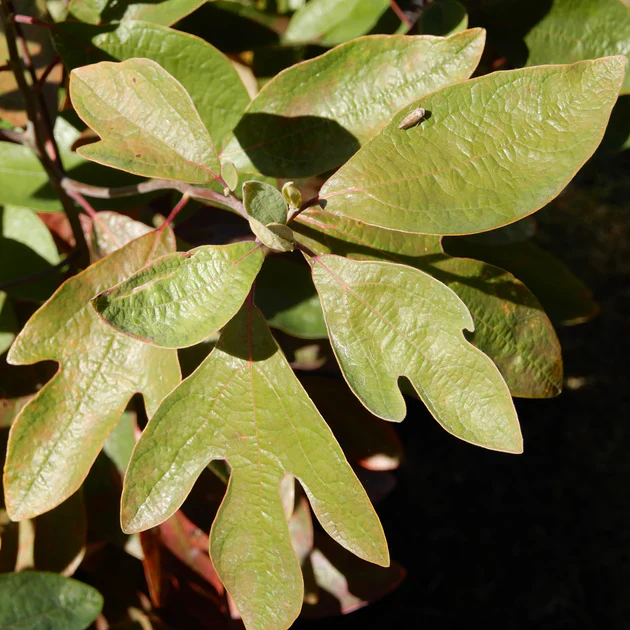
Fragrant Sassafras Seeds for Planting
Fragrant Sassafras Seeds for Planting – Grow a Unique and Aromatic Tree
Sassafras (Sassafras albidum) is a fast-growing, deciduous tree known for its fragrant leaves, roots, and bark. Valued for its striking fall foliage, aromatic qualities, and historical medicinal uses, this native North American tree makes a beautiful addition to landscapes, providing shade and attracting wildlife.
Key Features
- Scientific Name: Sassafras albidum
- Common Name: Sassafras
- Plant Type: Deciduous tree
- Mature Height: 30 to 60 feet
- Spread: 25 to 40 feet
- Growth Habit: Upright, multi-branched
- Light Requirements: Full sun to partial shade
- Soil Requirements: Well-draining, loamy, slightly acidic soil
- Watering Needs: Moderate, drought-tolerant once established
- Growing Zones: USDA Zones 4 to 9
- Uses: Shade tree, ornamental landscaping, wildlife habitat, tea and essential oil production
Why Grow Sassafras?
- Fragrant & Unique Foliage: The leaves release a pleasant, spicy aroma when crushed.
- Beautiful Fall Colors: Displays stunning yellow, orange, and red hues in autumn.
- Wildlife Attraction: Produces small, dark blue fruits that attract birds and pollinators.
- Drought & Pest Resistant: Hardy tree that adapts well to different conditions.
- Cultural & Herbal Uses: Historically used in teas, fragrances, and natural remedies.
How to Grow Sassafras from Seeds
Seed Sowing Instructions
- Best Time to Sow: Fall or early spring.
- Pre-Treatment (Cold Stratification):
- Store seeds in moist sand or peat moss inside a refrigerator for 60 to 90 days to improve germination.
- Sowing Method:
- Plant seeds half an inch deep in well-draining soil.
- Keep soil moist but not waterlogged.
- Germination Conditions:
- Optimal temperature: 60-75°F.
- Germination time: 2 to 4 months, depending on conditions.
Transplanting & Care
- When to Transplant: Once seedlings reach 6 to 12 inches tall and have a strong root system.
- Spacing: 20 to 30 feet apart for best growth.
- Container Growing: Sassafras can be started in pots but thrives best when planted outdoors in the ground.
Care & Maintenance
- Watering: Regular watering is needed in the first year; established trees require minimal watering.
- Pruning: Minimal pruning is needed; remove dead or weak branches to maintain shape.
- Fertilization: Apply a balanced fertilizer in early spring if necessary.
- Winter Protection: Hardy in most climates; mulch around young trees to protect roots from harsh cold.
Best Uses for Sassafras
- Ornamental Tree: Provides shade, beauty, and seasonal color.
- Wildlife Habitat: Supports birds, pollinators, and beneficial insects.
- Fragrance & Herbal Use: Leaves, bark, and roots have been used in teas and essential oils.
- Edible & Culinary Use: Historically used in flavoring and root beer production.
Enhance Your Garden with the Fragrant and Unique Sassafras Tree
With its distinctive fragrance, brilliant fall colors, and historical significance, Sassafras is an excellent addition to gardens, parks, and natural landscapes.
Original: $14.00
-65%$14.00
$4.90More Images
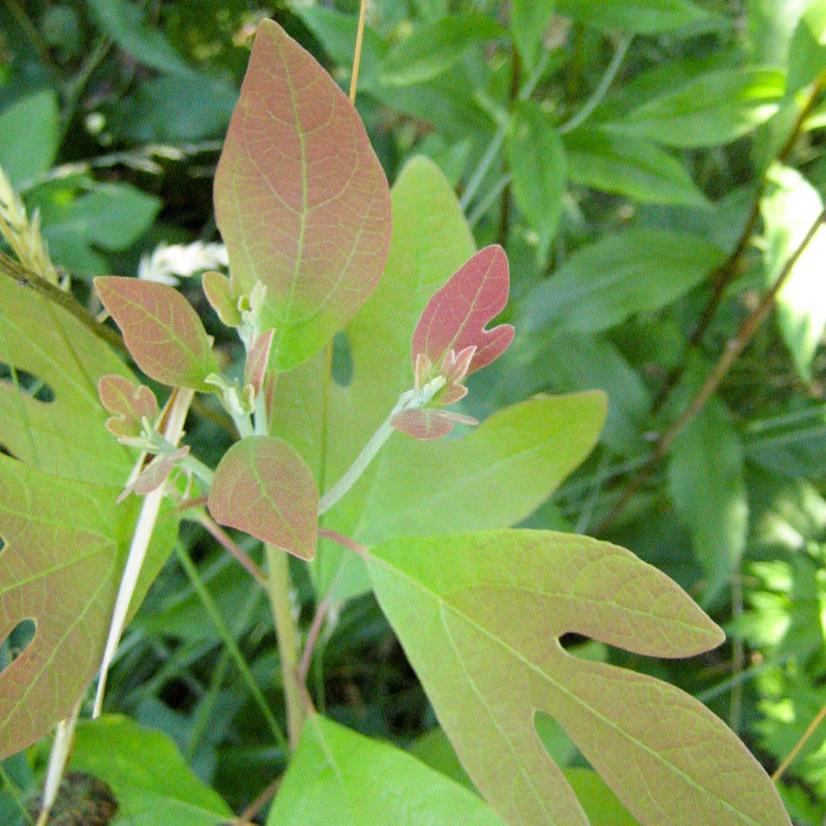
Fragrant Sassafras Seeds for Planting
Fragrant Sassafras Seeds for Planting – Grow a Unique and Aromatic Tree
Sassafras (Sassafras albidum) is a fast-growing, deciduous tree known for its fragrant leaves, roots, and bark. Valued for its striking fall foliage, aromatic qualities, and historical medicinal uses, this native North American tree makes a beautiful addition to landscapes, providing shade and attracting wildlife.
Key Features
- Scientific Name: Sassafras albidum
- Common Name: Sassafras
- Plant Type: Deciduous tree
- Mature Height: 30 to 60 feet
- Spread: 25 to 40 feet
- Growth Habit: Upright, multi-branched
- Light Requirements: Full sun to partial shade
- Soil Requirements: Well-draining, loamy, slightly acidic soil
- Watering Needs: Moderate, drought-tolerant once established
- Growing Zones: USDA Zones 4 to 9
- Uses: Shade tree, ornamental landscaping, wildlife habitat, tea and essential oil production
Why Grow Sassafras?
- Fragrant & Unique Foliage: The leaves release a pleasant, spicy aroma when crushed.
- Beautiful Fall Colors: Displays stunning yellow, orange, and red hues in autumn.
- Wildlife Attraction: Produces small, dark blue fruits that attract birds and pollinators.
- Drought & Pest Resistant: Hardy tree that adapts well to different conditions.
- Cultural & Herbal Uses: Historically used in teas, fragrances, and natural remedies.
How to Grow Sassafras from Seeds
Seed Sowing Instructions
- Best Time to Sow: Fall or early spring.
- Pre-Treatment (Cold Stratification):
- Store seeds in moist sand or peat moss inside a refrigerator for 60 to 90 days to improve germination.
- Sowing Method:
- Plant seeds half an inch deep in well-draining soil.
- Keep soil moist but not waterlogged.
- Germination Conditions:
- Optimal temperature: 60-75°F.
- Germination time: 2 to 4 months, depending on conditions.
Transplanting & Care
- When to Transplant: Once seedlings reach 6 to 12 inches tall and have a strong root system.
- Spacing: 20 to 30 feet apart for best growth.
- Container Growing: Sassafras can be started in pots but thrives best when planted outdoors in the ground.
Care & Maintenance
- Watering: Regular watering is needed in the first year; established trees require minimal watering.
- Pruning: Minimal pruning is needed; remove dead or weak branches to maintain shape.
- Fertilization: Apply a balanced fertilizer in early spring if necessary.
- Winter Protection: Hardy in most climates; mulch around young trees to protect roots from harsh cold.
Best Uses for Sassafras
- Ornamental Tree: Provides shade, beauty, and seasonal color.
- Wildlife Habitat: Supports birds, pollinators, and beneficial insects.
- Fragrance & Herbal Use: Leaves, bark, and roots have been used in teas and essential oils.
- Edible & Culinary Use: Historically used in flavoring and root beer production.
Enhance Your Garden with the Fragrant and Unique Sassafras Tree
With its distinctive fragrance, brilliant fall colors, and historical significance, Sassafras is an excellent addition to gardens, parks, and natural landscapes.
Product Information
Product Information
Shipping & Returns
Shipping & Returns
Description
Fragrant Sassafras Seeds for Planting – Grow a Unique and Aromatic Tree
Sassafras (Sassafras albidum) is a fast-growing, deciduous tree known for its fragrant leaves, roots, and bark. Valued for its striking fall foliage, aromatic qualities, and historical medicinal uses, this native North American tree makes a beautiful addition to landscapes, providing shade and attracting wildlife.
Key Features
- Scientific Name: Sassafras albidum
- Common Name: Sassafras
- Plant Type: Deciduous tree
- Mature Height: 30 to 60 feet
- Spread: 25 to 40 feet
- Growth Habit: Upright, multi-branched
- Light Requirements: Full sun to partial shade
- Soil Requirements: Well-draining, loamy, slightly acidic soil
- Watering Needs: Moderate, drought-tolerant once established
- Growing Zones: USDA Zones 4 to 9
- Uses: Shade tree, ornamental landscaping, wildlife habitat, tea and essential oil production
Why Grow Sassafras?
- Fragrant & Unique Foliage: The leaves release a pleasant, spicy aroma when crushed.
- Beautiful Fall Colors: Displays stunning yellow, orange, and red hues in autumn.
- Wildlife Attraction: Produces small, dark blue fruits that attract birds and pollinators.
- Drought & Pest Resistant: Hardy tree that adapts well to different conditions.
- Cultural & Herbal Uses: Historically used in teas, fragrances, and natural remedies.
How to Grow Sassafras from Seeds
Seed Sowing Instructions
- Best Time to Sow: Fall or early spring.
- Pre-Treatment (Cold Stratification):
- Store seeds in moist sand or peat moss inside a refrigerator for 60 to 90 days to improve germination.
- Sowing Method:
- Plant seeds half an inch deep in well-draining soil.
- Keep soil moist but not waterlogged.
- Germination Conditions:
- Optimal temperature: 60-75°F.
- Germination time: 2 to 4 months, depending on conditions.
Transplanting & Care
- When to Transplant: Once seedlings reach 6 to 12 inches tall and have a strong root system.
- Spacing: 20 to 30 feet apart for best growth.
- Container Growing: Sassafras can be started in pots but thrives best when planted outdoors in the ground.
Care & Maintenance
- Watering: Regular watering is needed in the first year; established trees require minimal watering.
- Pruning: Minimal pruning is needed; remove dead or weak branches to maintain shape.
- Fertilization: Apply a balanced fertilizer in early spring if necessary.
- Winter Protection: Hardy in most climates; mulch around young trees to protect roots from harsh cold.
Best Uses for Sassafras
- Ornamental Tree: Provides shade, beauty, and seasonal color.
- Wildlife Habitat: Supports birds, pollinators, and beneficial insects.
- Fragrance & Herbal Use: Leaves, bark, and roots have been used in teas and essential oils.
- Edible & Culinary Use: Historically used in flavoring and root beer production.
Enhance Your Garden with the Fragrant and Unique Sassafras Tree
With its distinctive fragrance, brilliant fall colors, and historical significance, Sassafras is an excellent addition to gardens, parks, and natural landscapes.