Eye Leaves Conophytum Succulent Seeds for Planting, Perfect for Home Gardens and Indoor Planting Collections, High-Quality Seeds
Eye Leaves Conophytum Succulent Seeds for Planting, Perfect for Home Gardens and Indoor Planting Collections, High-Quality Seeds
Eye Leaves Conophytum Succulent Seeds – Perfect for Home Gardens and Indoor Collections
Key Features
- Scientific Name: Conophytum bilobum (or related Conophytum species)
- Common Name: Eye Leaves Succulent, Living Pebbles
- Plant Type: Small, clump-forming succulent
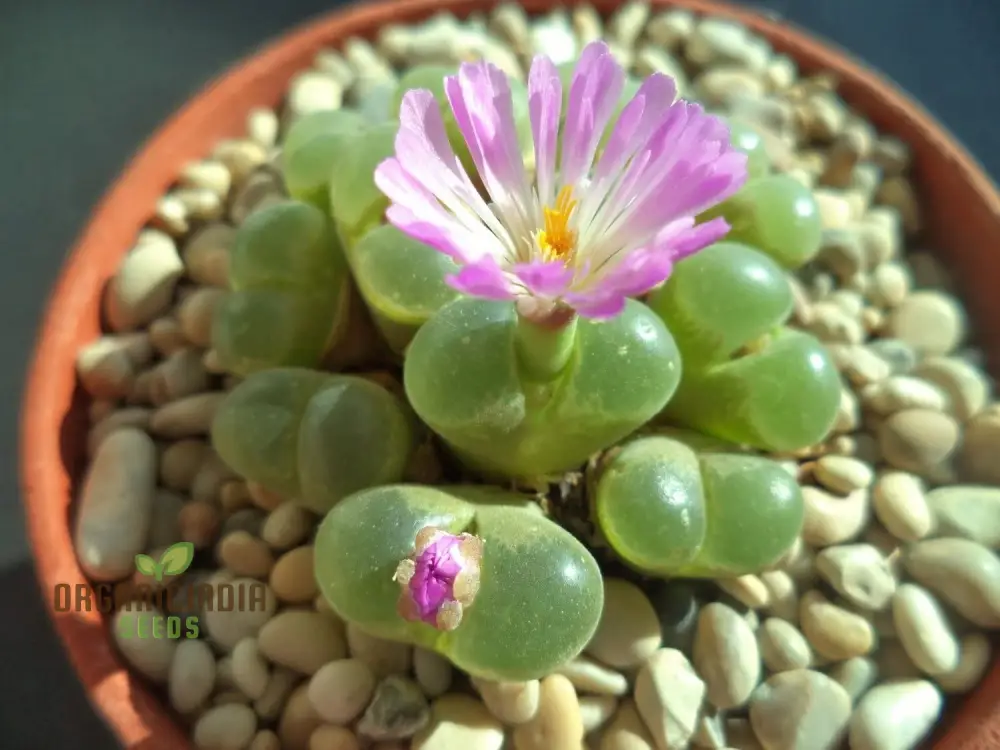
- Leaf Shape & Color: Bilobed, fleshy leaves with green to bluish hues
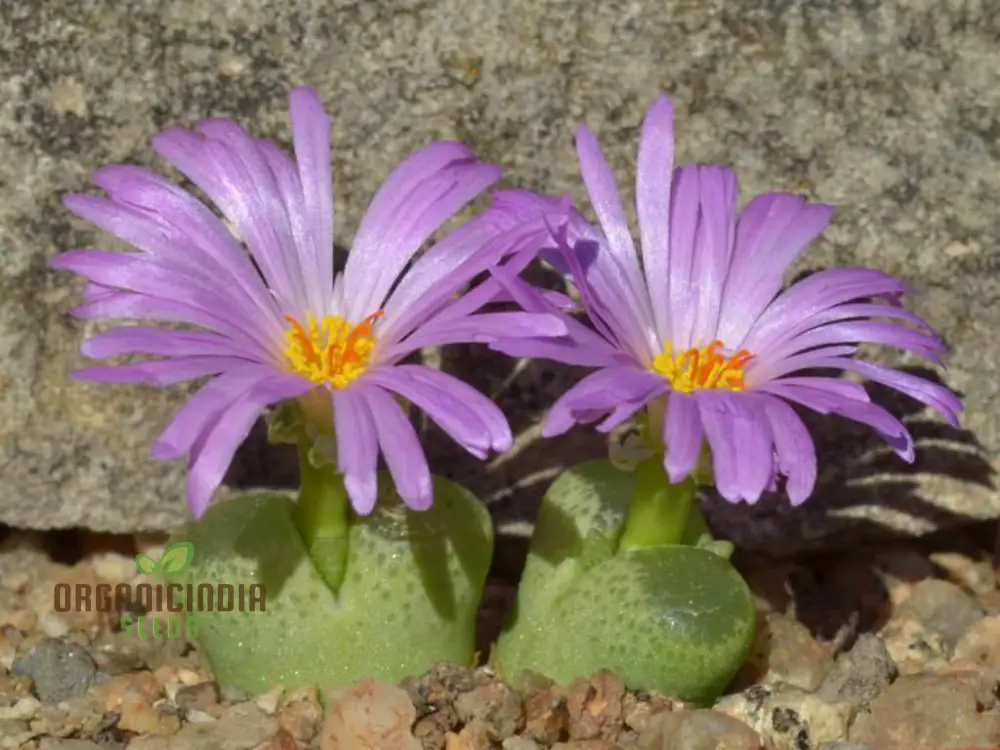
- Flower Color: Yellow, orange, or pink (depending on variety)
- Growth Habit: Compact, slow-growing perennial
- Height & Spread: Grows 1-2 inches tall with a spreading, mat-like habit
- Blooming Season: Late summer to fall
- Sun Requirements: Bright, indirect light or partial sun
- Soil Type: Well-draining, sandy, or cactus mix soil
- Watering Needs: Very low; follow a dry-rest cycle to prevent rot
- Hardiness Zones: USDA Zones 9-11 (can be grown indoors in cooler climates)
Why Grow Eye Leaves Conophytum?
- Unique & Rare Succulent: Features a distinctive eye-shaped, split-leaf form
- Ideal for Indoor Gardens: Compact size makes it perfect for small spaces
- Drought-Tolerant & Low Maintenance: Requires minimal watering and care
- Long-Lived & Self-Sustaining: Slowly spreads and forms dense clusters over time
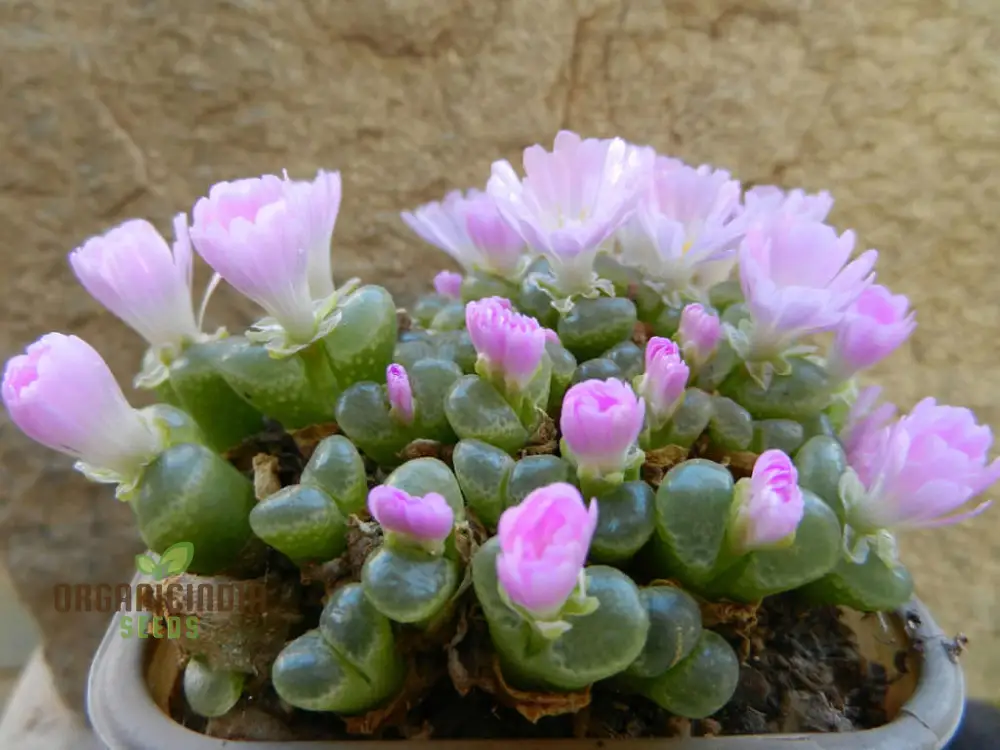
- Seasonal Blooms: Produces bright daisy-like flowers in fall
Planting and Care Instructions
Seed Preparation and Sowing
- Best Time to Sow: Late summer to early fall, aligning with the plant’s natural growth cycle
- Seed Preparation:
- No pre-treatment required, but soaking seeds in warm water for a few hours can improve germination
- Sowing Instructions:
- Use a shallow tray with a well-draining succulent or cactus mix
- Lightly press seeds into the surface without covering them—Conophytum seeds need light to germinate
- Mist lightly to keep the soil barely moist (avoid excessive watering)
- Maintain temperatures between 65-75°F (18-24°C)
- Germination typically occurs within 2-6 weeks
Maintenance
- Watering: Water sparingly—only when leaves start to wrinkle slightly, following a dry dormancy period in summer
- Fertilization: Minimal feeding required; use a diluted cactus fertilizer during active growth
- Lighting: Prefers bright, indirect light indoors or morning sun outdoors
- Dormancy Care: Reduce watering significantly in summer when the plant enters dormancy
Ideal For
- Indoor succulent collections
- Rock gardens and terrariums
- Low-maintenance gardening
- Unique, rare plant enthusiasts
The Eye Leaves Conophytum is a fascinating and easy-care succulent, making it a great addition to any indoor garden or succulent collection. With its unusual appearance and seasonal blooms, it’s a true conversation piece.
Original: $16.99
-65%$16.99
$5.95More Images
Eye Leaves Conophytum Succulent Seeds for Planting, Perfect for Home Gardens and Indoor Planting Collections, High-Quality Seeds
Eye Leaves Conophytum Succulent Seeds – Perfect for Home Gardens and Indoor Collections
Key Features
- Scientific Name: Conophytum bilobum (or related Conophytum species)
- Common Name: Eye Leaves Succulent, Living Pebbles
- Plant Type: Small, clump-forming succulent
- Leaf Shape & Color: Bilobed, fleshy leaves with green to bluish hues
- Flower Color: Yellow, orange, or pink (depending on variety)
- Growth Habit: Compact, slow-growing perennial
- Height & Spread: Grows 1-2 inches tall with a spreading, mat-like habit
- Blooming Season: Late summer to fall
- Sun Requirements: Bright, indirect light or partial sun
- Soil Type: Well-draining, sandy, or cactus mix soil
- Watering Needs: Very low; follow a dry-rest cycle to prevent rot
- Hardiness Zones: USDA Zones 9-11 (can be grown indoors in cooler climates)
Why Grow Eye Leaves Conophytum?
- Unique & Rare Succulent: Features a distinctive eye-shaped, split-leaf form
- Ideal for Indoor Gardens: Compact size makes it perfect for small spaces
- Drought-Tolerant & Low Maintenance: Requires minimal watering and care
- Long-Lived & Self-Sustaining: Slowly spreads and forms dense clusters over time
- Seasonal Blooms: Produces bright daisy-like flowers in fall
Planting and Care Instructions
Seed Preparation and Sowing
- Best Time to Sow: Late summer to early fall, aligning with the plant’s natural growth cycle
- Seed Preparation:
- No pre-treatment required, but soaking seeds in warm water for a few hours can improve germination
- Sowing Instructions:
- Use a shallow tray with a well-draining succulent or cactus mix
- Lightly press seeds into the surface without covering them—Conophytum seeds need light to germinate
- Mist lightly to keep the soil barely moist (avoid excessive watering)
- Maintain temperatures between 65-75°F (18-24°C)
- Germination typically occurs within 2-6 weeks
Maintenance
- Watering: Water sparingly—only when leaves start to wrinkle slightly, following a dry dormancy period in summer
- Fertilization: Minimal feeding required; use a diluted cactus fertilizer during active growth
- Lighting: Prefers bright, indirect light indoors or morning sun outdoors
- Dormancy Care: Reduce watering significantly in summer when the plant enters dormancy
Ideal For
- Indoor succulent collections
- Rock gardens and terrariums
- Low-maintenance gardening
- Unique, rare plant enthusiasts
The Eye Leaves Conophytum is a fascinating and easy-care succulent, making it a great addition to any indoor garden or succulent collection. With its unusual appearance and seasonal blooms, it’s a true conversation piece.
Product Information
Product Information
Shipping & Returns
Shipping & Returns
Description
Eye Leaves Conophytum Succulent Seeds – Perfect for Home Gardens and Indoor Collections
Key Features
- Scientific Name: Conophytum bilobum (or related Conophytum species)
- Common Name: Eye Leaves Succulent, Living Pebbles
- Plant Type: Small, clump-forming succulent
- Leaf Shape & Color: Bilobed, fleshy leaves with green to bluish hues
- Flower Color: Yellow, orange, or pink (depending on variety)
- Growth Habit: Compact, slow-growing perennial
- Height & Spread: Grows 1-2 inches tall with a spreading, mat-like habit
- Blooming Season: Late summer to fall
- Sun Requirements: Bright, indirect light or partial sun
- Soil Type: Well-draining, sandy, or cactus mix soil
- Watering Needs: Very low; follow a dry-rest cycle to prevent rot
- Hardiness Zones: USDA Zones 9-11 (can be grown indoors in cooler climates)
Why Grow Eye Leaves Conophytum?
- Unique & Rare Succulent: Features a distinctive eye-shaped, split-leaf form
- Ideal for Indoor Gardens: Compact size makes it perfect for small spaces
- Drought-Tolerant & Low Maintenance: Requires minimal watering and care
- Long-Lived & Self-Sustaining: Slowly spreads and forms dense clusters over time
- Seasonal Blooms: Produces bright daisy-like flowers in fall
Planting and Care Instructions
Seed Preparation and Sowing
- Best Time to Sow: Late summer to early fall, aligning with the plant’s natural growth cycle
- Seed Preparation:
- No pre-treatment required, but soaking seeds in warm water for a few hours can improve germination
- Sowing Instructions:
- Use a shallow tray with a well-draining succulent or cactus mix
- Lightly press seeds into the surface without covering them—Conophytum seeds need light to germinate
- Mist lightly to keep the soil barely moist (avoid excessive watering)
- Maintain temperatures between 65-75°F (18-24°C)
- Germination typically occurs within 2-6 weeks
Maintenance
- Watering: Water sparingly—only when leaves start to wrinkle slightly, following a dry dormancy period in summer
- Fertilization: Minimal feeding required; use a diluted cactus fertilizer during active growth
- Lighting: Prefers bright, indirect light indoors or morning sun outdoors
- Dormancy Care: Reduce watering significantly in summer when the plant enters dormancy
Ideal For
- Indoor succulent collections
- Rock gardens and terrariums
- Low-maintenance gardening
- Unique, rare plant enthusiasts
The Eye Leaves Conophytum is a fascinating and easy-care succulent, making it a great addition to any indoor garden or succulent collection. With its unusual appearance and seasonal blooms, it’s a true conversation piece.