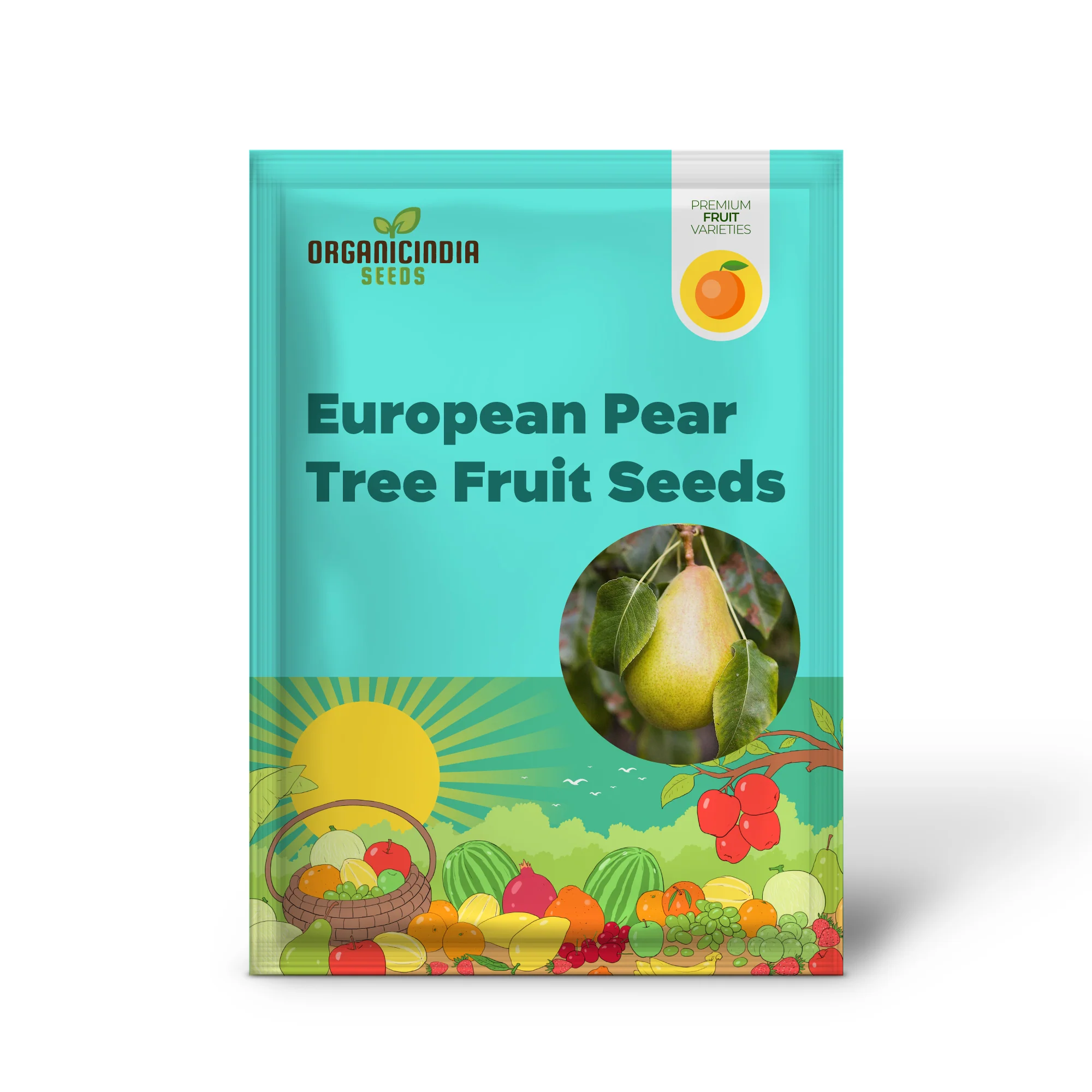
European Pear Tree Fruit Seeds
Key Features:
-
Classic European pear variety known for reliable fruiting
-
Produces sweet, smooth-textured pears suitable for fresh use or home preserving
-
Cold-hardy and long-lived once established
-
Suitable for home orchards, garden borders, and edible landscapes
-
Non-GMO high-quality seeds with natural growth vigor
Specifications
-
Seed Name: European Pear
-
Botanical Name: Pyrus communis
-
Plant Type: Deciduous Fruit-Bearing Tree
-
USDA Hardiness Zones: 4–9
-
Mature Height: 15–30 ft (can be pruned smaller)
-
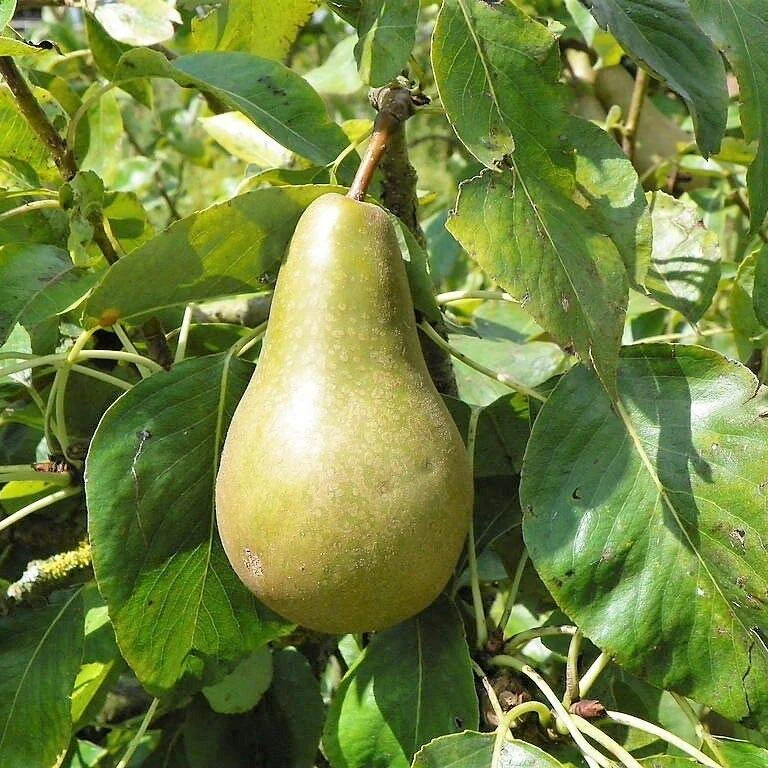
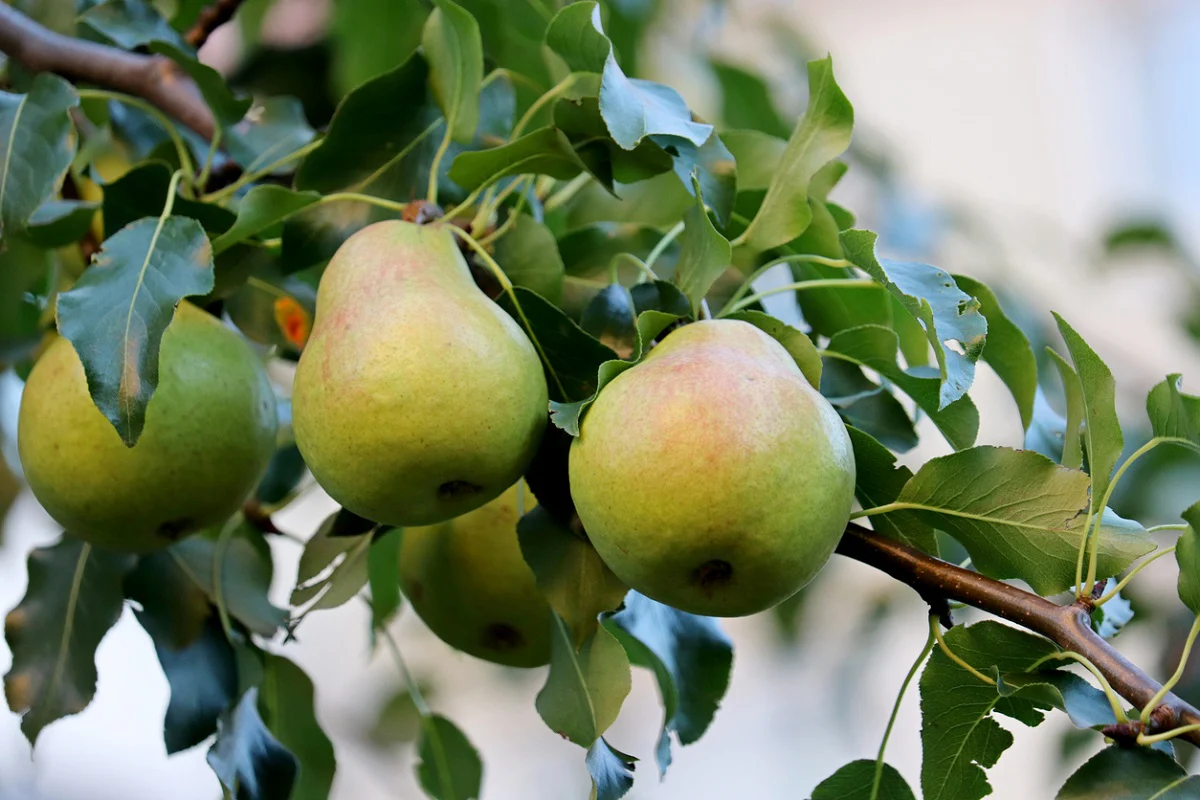
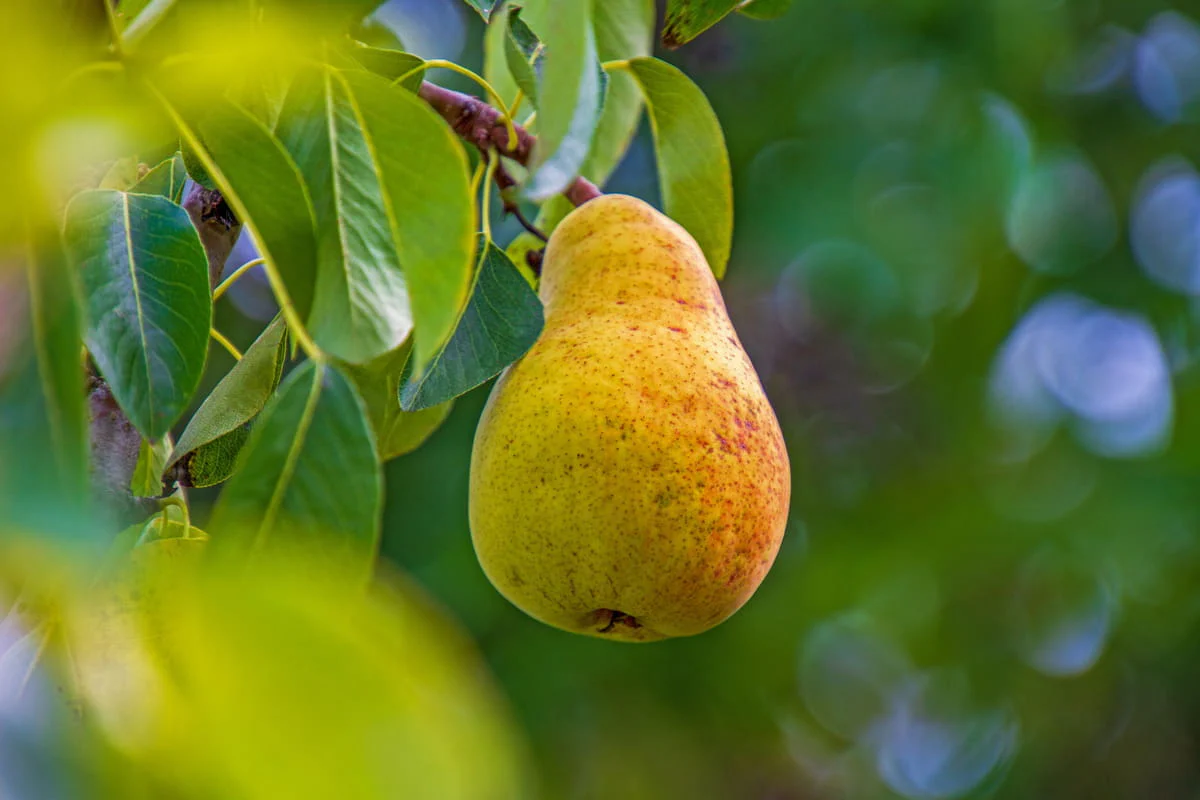
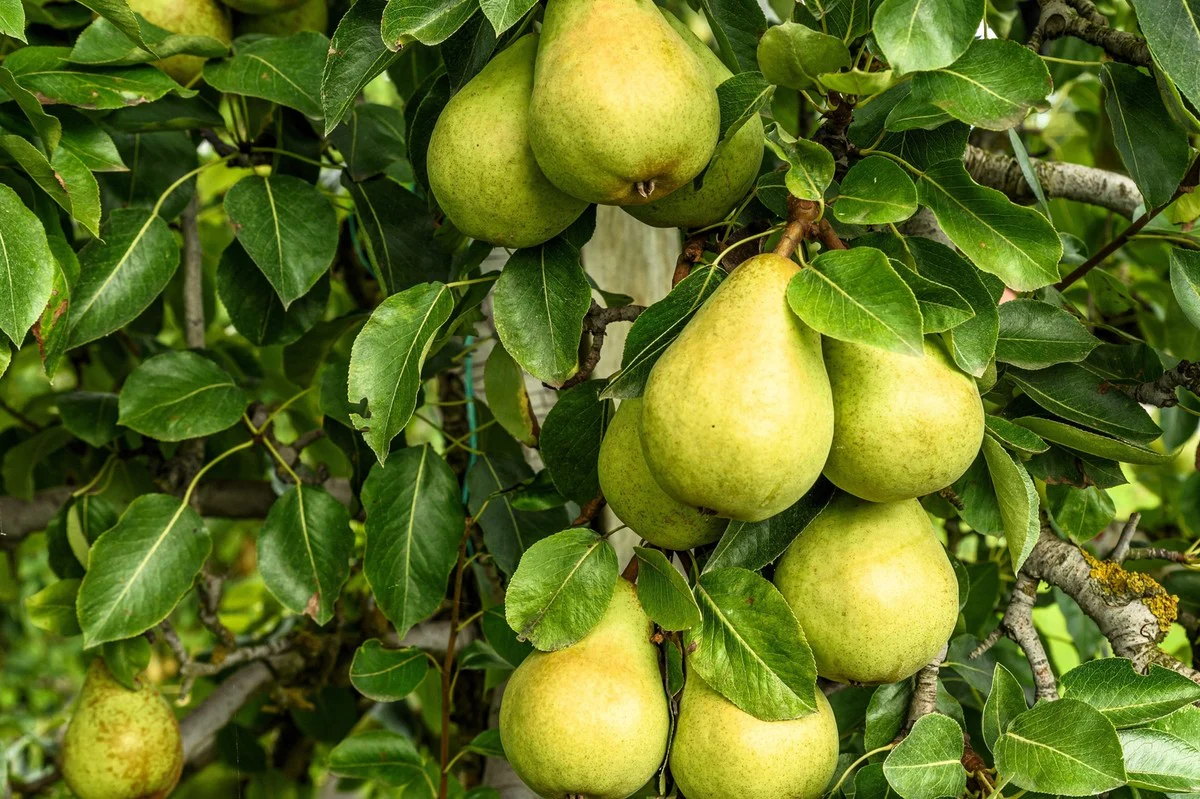
Fruit: Classic pear-shaped fruit (sweet and juicy)
-
Foliage: Broad green leaves
-
Planting Season: Best in Spring
-
Sun Exposure: Full Sun
-
Soil Type: Well-draining loam or garden soil
-
Water Needs: Moderate; water deeply during establishment
-
Pollination: May require cross-pollination for heavy fruiting (plant more than one variety for best yield)
-
GMO Status: Non-GMO
Planting Guide
-
Seed Preparation:
Cold stratify seeds by mixing with moist peat or sand and refrigerating for 60–90 days. -
Sowing Depth:
Plant seeds 1/2 inch deep in a well-draining seed-starting mix. -
Germination Conditions:
Maintain lightly moist soil and warm conditions after stratification. -
Light Exposure:
Provide full sun once seedlings are stable. -
Transplanting:
Move to garden soil or large containers once plants have matured enough and risk of frost has passed.
Original: $16.99
-65%$16.99
$5.95More Images
European Pear Tree Fruit Seeds
Key Features:
-
Classic European pear variety known for reliable fruiting
-
Produces sweet, smooth-textured pears suitable for fresh use or home preserving
-
Cold-hardy and long-lived once established
-
Suitable for home orchards, garden borders, and edible landscapes
-
Non-GMO high-quality seeds with natural growth vigor
Specifications
-
Seed Name: European Pear
-
Botanical Name: Pyrus communis
-
Plant Type: Deciduous Fruit-Bearing Tree
-
USDA Hardiness Zones: 4–9
-
Mature Height: 15–30 ft (can be pruned smaller)
-
Fruit: Classic pear-shaped fruit (sweet and juicy)
-
Foliage: Broad green leaves
-
Planting Season: Best in Spring
-
Sun Exposure: Full Sun
-
Soil Type: Well-draining loam or garden soil
-
Water Needs: Moderate; water deeply during establishment
-
Pollination: May require cross-pollination for heavy fruiting (plant more than one variety for best yield)
-
GMO Status: Non-GMO
Planting Guide
-
Seed Preparation:
Cold stratify seeds by mixing with moist peat or sand and refrigerating for 60–90 days. -
Sowing Depth:
Plant seeds 1/2 inch deep in a well-draining seed-starting mix. -
Germination Conditions:
Maintain lightly moist soil and warm conditions after stratification. -
Light Exposure:
Provide full sun once seedlings are stable. -
Transplanting:
Move to garden soil or large containers once plants have matured enough and risk of frost has passed.
Product Information
Product Information
Shipping & Returns
Shipping & Returns
Description
Key Features:
-
Classic European pear variety known for reliable fruiting
-
Produces sweet, smooth-textured pears suitable for fresh use or home preserving
-
Cold-hardy and long-lived once established
-
Suitable for home orchards, garden borders, and edible landscapes
-
Non-GMO high-quality seeds with natural growth vigor
Specifications
-
Seed Name: European Pear
-
Botanical Name: Pyrus communis
-
Plant Type: Deciduous Fruit-Bearing Tree
-
USDA Hardiness Zones: 4–9
-
Mature Height: 15–30 ft (can be pruned smaller)
-
Fruit: Classic pear-shaped fruit (sweet and juicy)
-
Foliage: Broad green leaves
-
Planting Season: Best in Spring
-
Sun Exposure: Full Sun
-
Soil Type: Well-draining loam or garden soil
-
Water Needs: Moderate; water deeply during establishment
-
Pollination: May require cross-pollination for heavy fruiting (plant more than one variety for best yield)
-
GMO Status: Non-GMO
Planting Guide
-
Seed Preparation:
Cold stratify seeds by mixing with moist peat or sand and refrigerating for 60–90 days. -
Sowing Depth:
Plant seeds 1/2 inch deep in a well-draining seed-starting mix. -
Germination Conditions:
Maintain lightly moist soil and warm conditions after stratification. -
Light Exposure:
Provide full sun once seedlings are stable. -
Transplanting:
Move to garden soil or large containers once plants have matured enough and risk of frost has passed.