Epipactis Palustris Flower Seeds For Planting, Cultivating Marshland Beauty in Your Garden
Epipactis Palustris Flower Seeds – Cultivate the Grace of Marsh Helleborine in Your Garden
Scientific Name: Epipactis palustris
Common Name: Marsh Helleborine
Plant Type: Perennial Orchid
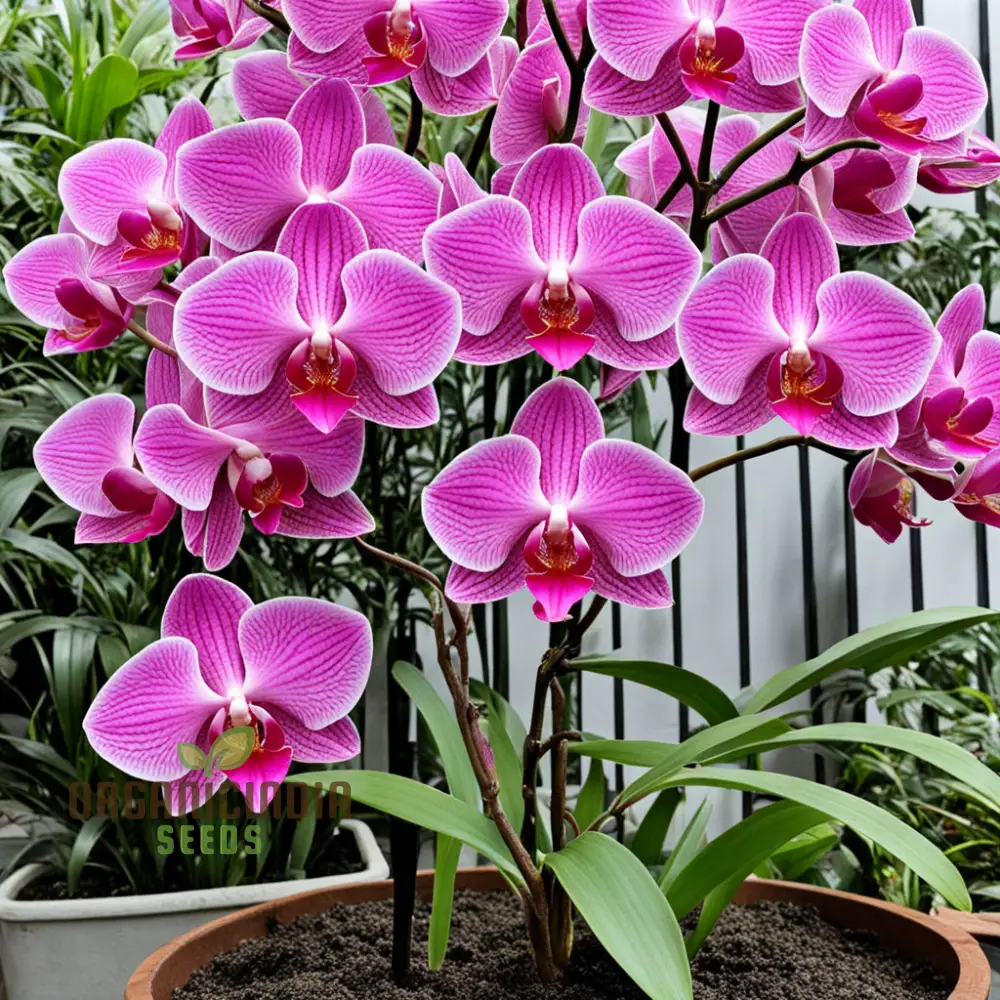
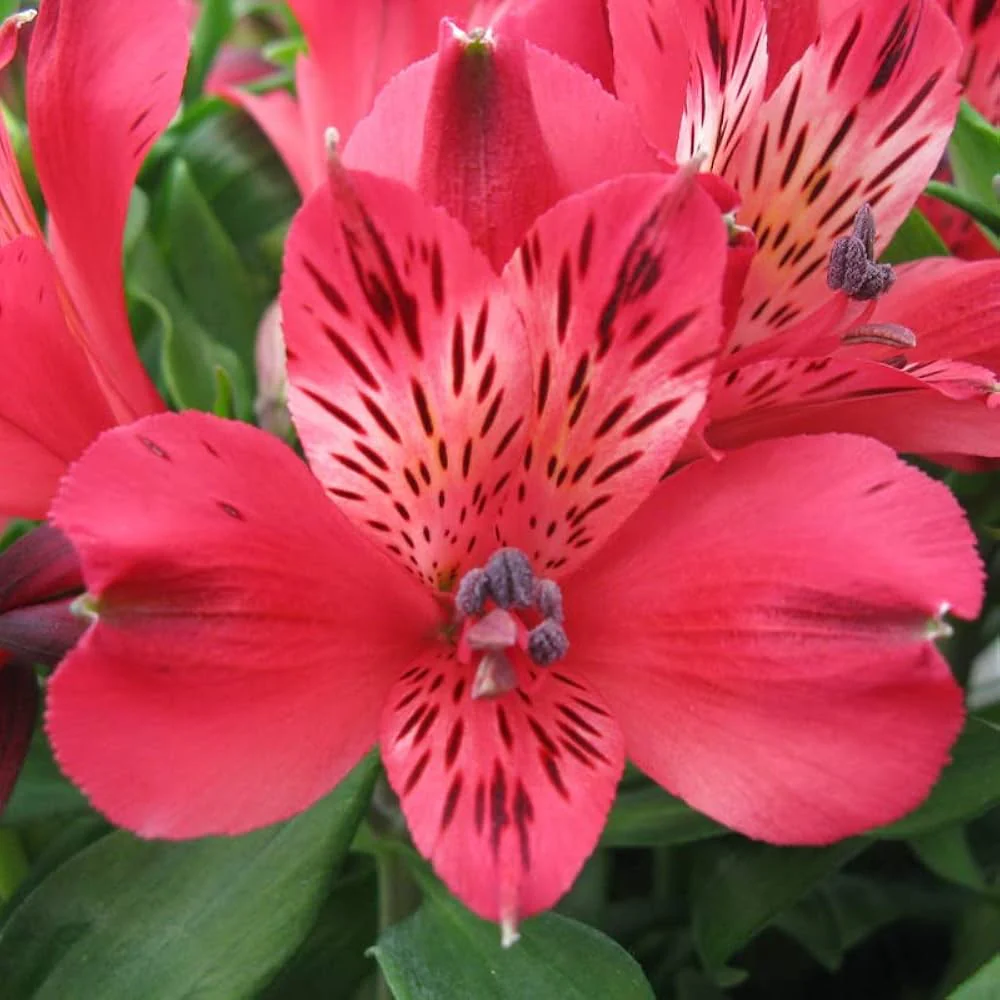
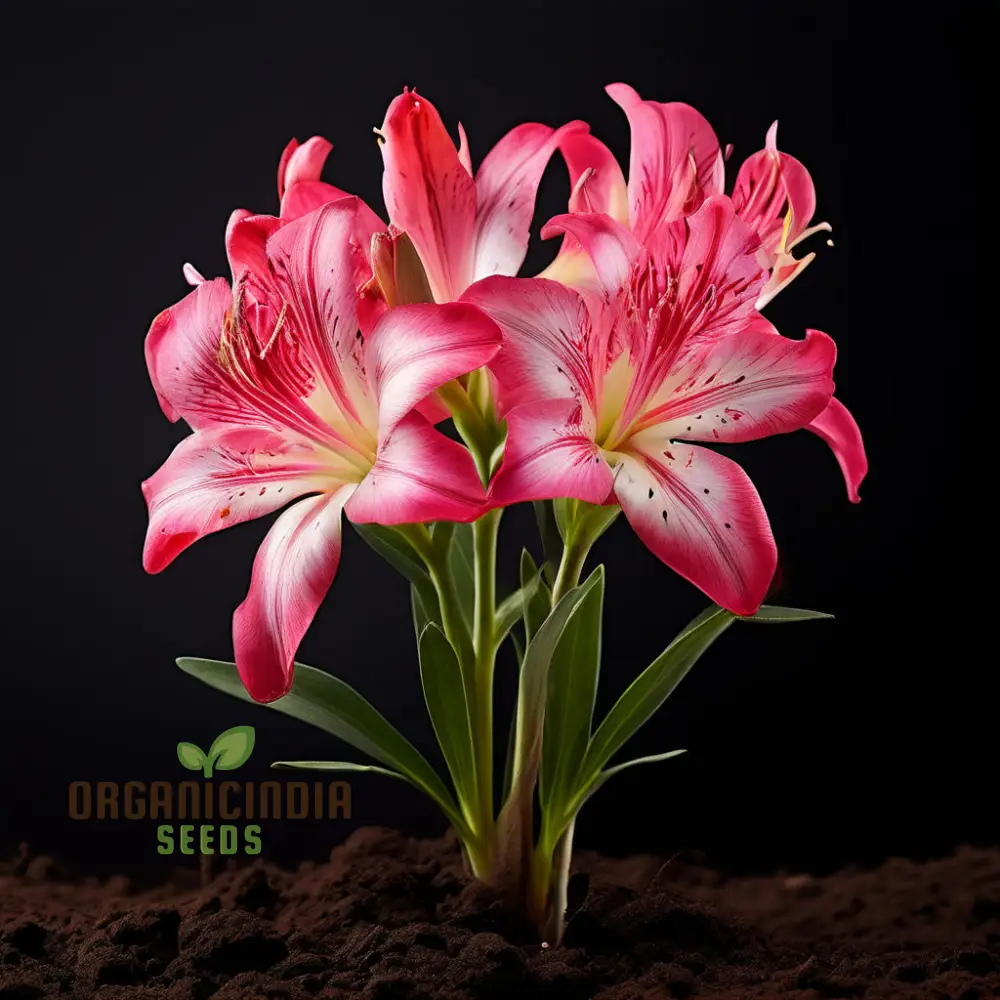
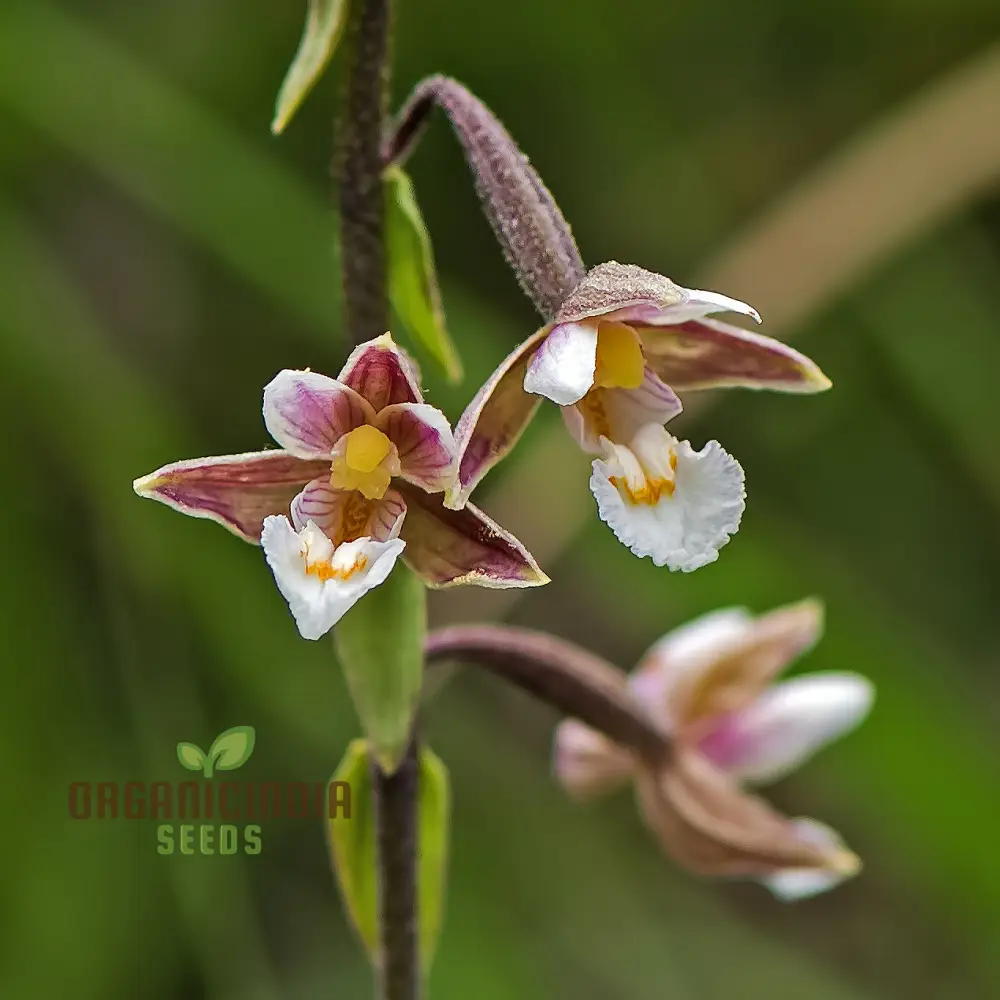
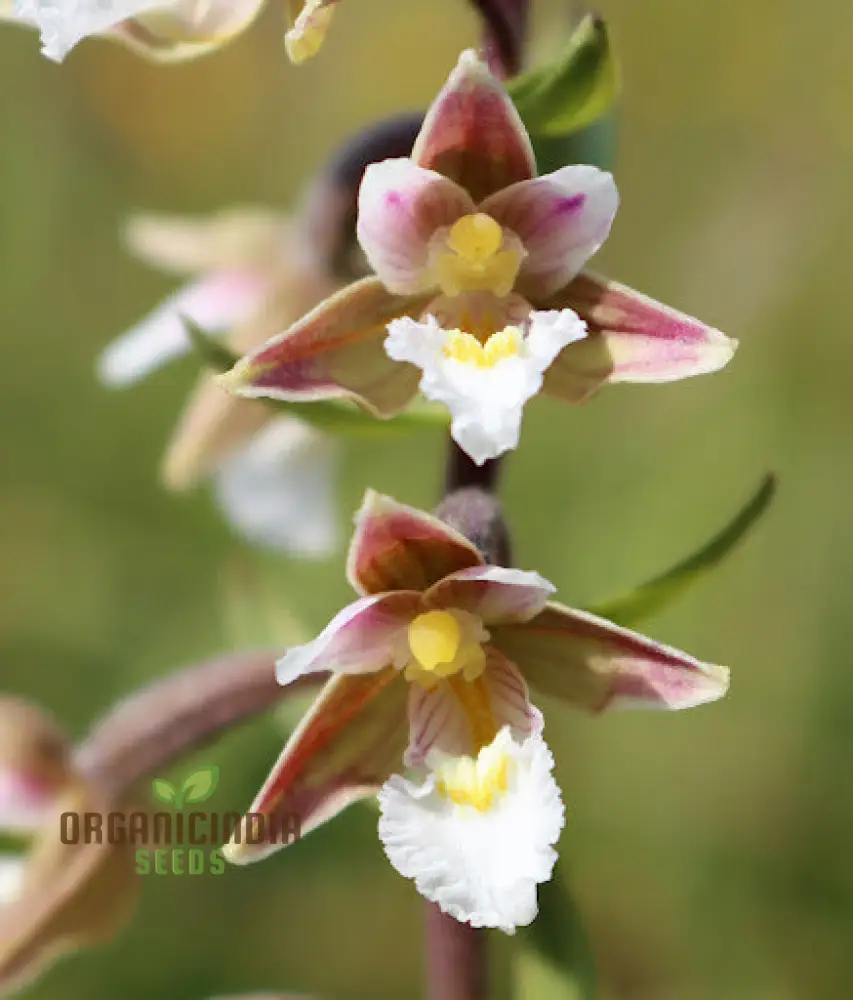
Flower Color: Soft pink with a white and purple-tinged lip
Mature Height: 12 to 24 inches
Spread: 8 to 12 inches
Light Requirements: Full sun to partial shade
Soil Requirements: Moist, well-drained, slightly acidic to neutral soil
Watering Needs: High; prefers damp or wet conditions
Blooming Season: Early to mid-summer
Uses: Bog gardens, wet meadows, pond edges, woodland gardens
Product Details
- Germination Rate: Moderate; requires specific conditions
- Cold Hardiness: Suitable for USDA zones 4-8
- Growth Speed: Slow to moderate
- Wildlife Benefits: Attracts bees and pollinators
- Maintenance Level: Medium; prefers consistent moisture
Planting Instructions
Seed Preparation and Sowing
- Best Planting Time: Late fall to early spring
- Sowing Method:
- Requires a mycorrhizal fungi partnership for successful germination.
- Sow seeds on the surface of moist, fine compost or sphagnum moss.
- Maintain a high-humidity environment, such as a sealed container or propagator.
- Spacing: 8 to 12 inches apart
- Germination Time: Can take several months to over a year under natural conditions
Care and Maintenance
- Watering: Keep soil consistently moist but not waterlogged.
- Fertilization: Minimal fertilization is needed; avoid excessive nutrients.
- Pruning: Remove spent flower stalks after blooming.
- Pest and Disease Resistance: Generally resistant to pests but may be affected by slugs and snails.
- Winter Care: Hardy in most climates; mulch lightly in colder zones for added protection.
Why Grow Epipactis Palustris?
- Unique Marshland Beauty: Adds an exotic touch to boggy garden areas.
- Pollinator-Friendly: Provides nectar for bees and beneficial insects.
- Rare and Stunning: A sought-after orchid species for naturalistic gardens.
- Low Competition: Thrives in damp, undisturbed environments where other plants may struggle.
Companion Planting Suggestions
- Complements Iris sibirica, Caltha palustris (Marsh Marigold), and Primula japonica in wetland settings.
- Pairs well with Ferns and Hostas for a woodland bog garden.
- Enhances the beauty of Water Gardens, Pond Margins, and Shaded Moist Beds.
Transform Your Garden with the Elegance of Epipactis Palustris!
Original: $16.99
-65%$16.99
$5.95More Images
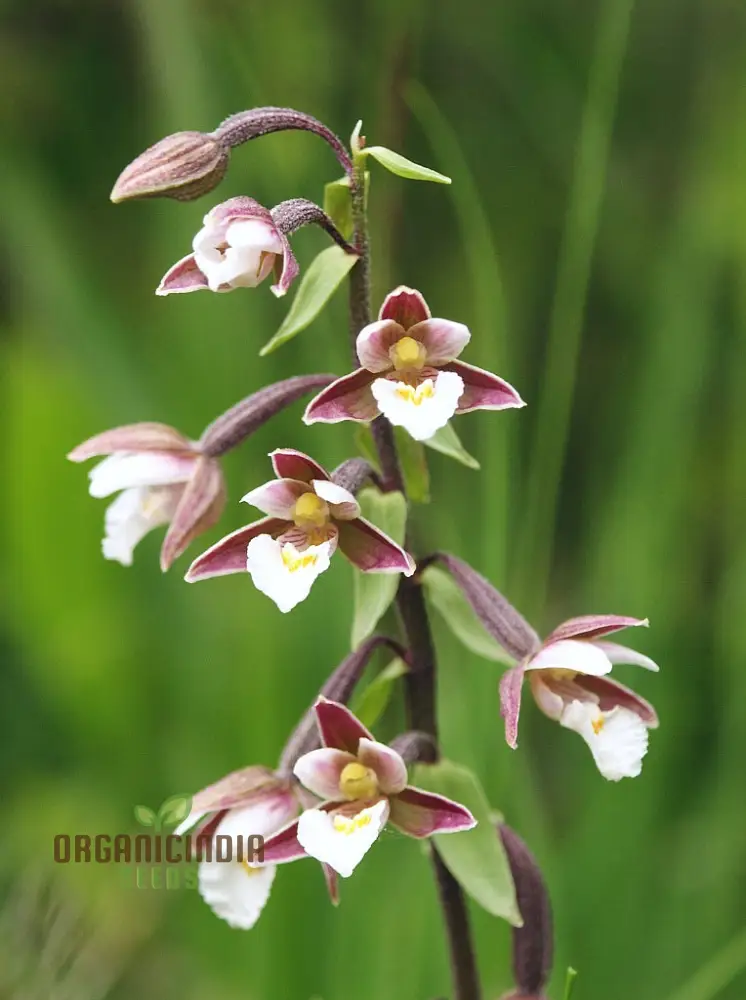
Epipactis Palustris Flower Seeds For Planting, Cultivating Marshland Beauty in Your Garden
Epipactis Palustris Flower Seeds – Cultivate the Grace of Marsh Helleborine in Your Garden
Scientific Name: Epipactis palustris
Common Name: Marsh Helleborine
Plant Type: Perennial Orchid
Flower Color: Soft pink with a white and purple-tinged lip
Mature Height: 12 to 24 inches
Spread: 8 to 12 inches
Light Requirements: Full sun to partial shade
Soil Requirements: Moist, well-drained, slightly acidic to neutral soil
Watering Needs: High; prefers damp or wet conditions
Blooming Season: Early to mid-summer
Uses: Bog gardens, wet meadows, pond edges, woodland gardens
Product Details
- Germination Rate: Moderate; requires specific conditions
- Cold Hardiness: Suitable for USDA zones 4-8
- Growth Speed: Slow to moderate
- Wildlife Benefits: Attracts bees and pollinators
- Maintenance Level: Medium; prefers consistent moisture
Planting Instructions
Seed Preparation and Sowing
- Best Planting Time: Late fall to early spring
- Sowing Method:
- Requires a mycorrhizal fungi partnership for successful germination.
- Sow seeds on the surface of moist, fine compost or sphagnum moss.
- Maintain a high-humidity environment, such as a sealed container or propagator.
- Spacing: 8 to 12 inches apart
- Germination Time: Can take several months to over a year under natural conditions
Care and Maintenance
- Watering: Keep soil consistently moist but not waterlogged.
- Fertilization: Minimal fertilization is needed; avoid excessive nutrients.
- Pruning: Remove spent flower stalks after blooming.
- Pest and Disease Resistance: Generally resistant to pests but may be affected by slugs and snails.
- Winter Care: Hardy in most climates; mulch lightly in colder zones for added protection.
Why Grow Epipactis Palustris?
- Unique Marshland Beauty: Adds an exotic touch to boggy garden areas.
- Pollinator-Friendly: Provides nectar for bees and beneficial insects.
- Rare and Stunning: A sought-after orchid species for naturalistic gardens.
- Low Competition: Thrives in damp, undisturbed environments where other plants may struggle.
Companion Planting Suggestions
- Complements Iris sibirica, Caltha palustris (Marsh Marigold), and Primula japonica in wetland settings.
- Pairs well with Ferns and Hostas for a woodland bog garden.
- Enhances the beauty of Water Gardens, Pond Margins, and Shaded Moist Beds.
Transform Your Garden with the Elegance of Epipactis Palustris!
Product Information
Product Information
Shipping & Returns
Shipping & Returns
Description
Epipactis Palustris Flower Seeds – Cultivate the Grace of Marsh Helleborine in Your Garden
Scientific Name: Epipactis palustris
Common Name: Marsh Helleborine
Plant Type: Perennial Orchid
Flower Color: Soft pink with a white and purple-tinged lip
Mature Height: 12 to 24 inches
Spread: 8 to 12 inches
Light Requirements: Full sun to partial shade
Soil Requirements: Moist, well-drained, slightly acidic to neutral soil
Watering Needs: High; prefers damp or wet conditions
Blooming Season: Early to mid-summer
Uses: Bog gardens, wet meadows, pond edges, woodland gardens
Product Details
- Germination Rate: Moderate; requires specific conditions
- Cold Hardiness: Suitable for USDA zones 4-8
- Growth Speed: Slow to moderate
- Wildlife Benefits: Attracts bees and pollinators
- Maintenance Level: Medium; prefers consistent moisture
Planting Instructions
Seed Preparation and Sowing
- Best Planting Time: Late fall to early spring
- Sowing Method:
- Requires a mycorrhizal fungi partnership for successful germination.
- Sow seeds on the surface of moist, fine compost or sphagnum moss.
- Maintain a high-humidity environment, such as a sealed container or propagator.
- Spacing: 8 to 12 inches apart
- Germination Time: Can take several months to over a year under natural conditions
Care and Maintenance
- Watering: Keep soil consistently moist but not waterlogged.
- Fertilization: Minimal fertilization is needed; avoid excessive nutrients.
- Pruning: Remove spent flower stalks after blooming.
- Pest and Disease Resistance: Generally resistant to pests but may be affected by slugs and snails.
- Winter Care: Hardy in most climates; mulch lightly in colder zones for added protection.
Why Grow Epipactis Palustris?
- Unique Marshland Beauty: Adds an exotic touch to boggy garden areas.
- Pollinator-Friendly: Provides nectar for bees and beneficial insects.
- Rare and Stunning: A sought-after orchid species for naturalistic gardens.
- Low Competition: Thrives in damp, undisturbed environments where other plants may struggle.
Companion Planting Suggestions
- Complements Iris sibirica, Caltha palustris (Marsh Marigold), and Primula japonica in wetland settings.
- Pairs well with Ferns and Hostas for a woodland bog garden.
- Enhances the beauty of Water Gardens, Pond Margins, and Shaded Moist Beds.