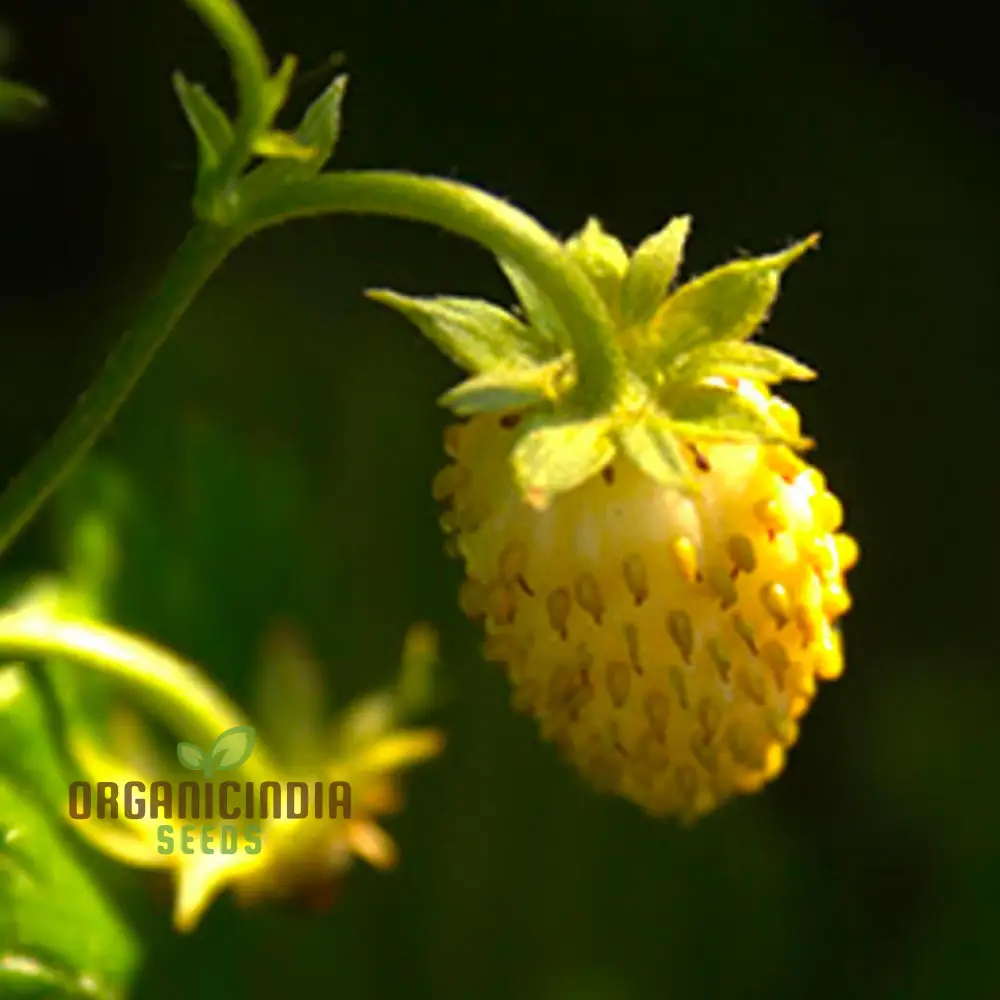
Dwarf Strawberry Fruit Seeds for Planting, Growing Delicious and Compact Strawberries in Your Garden
Dwarf Strawberry Fruit Seeds for Planting, Growing Delicious and Compact Strawberries in Your Garden
Key Features:
-
Compact & Productive Variety: Ideal for pots, hanging baskets, and small gardens with limited space.
-
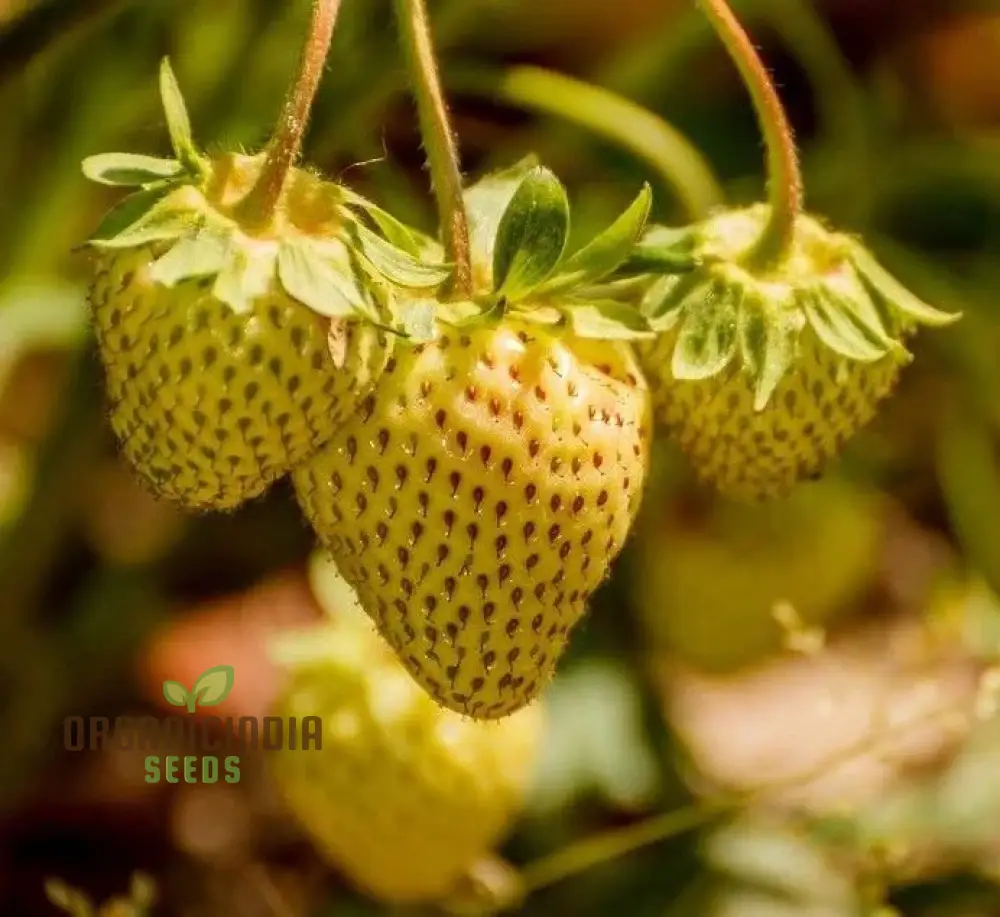
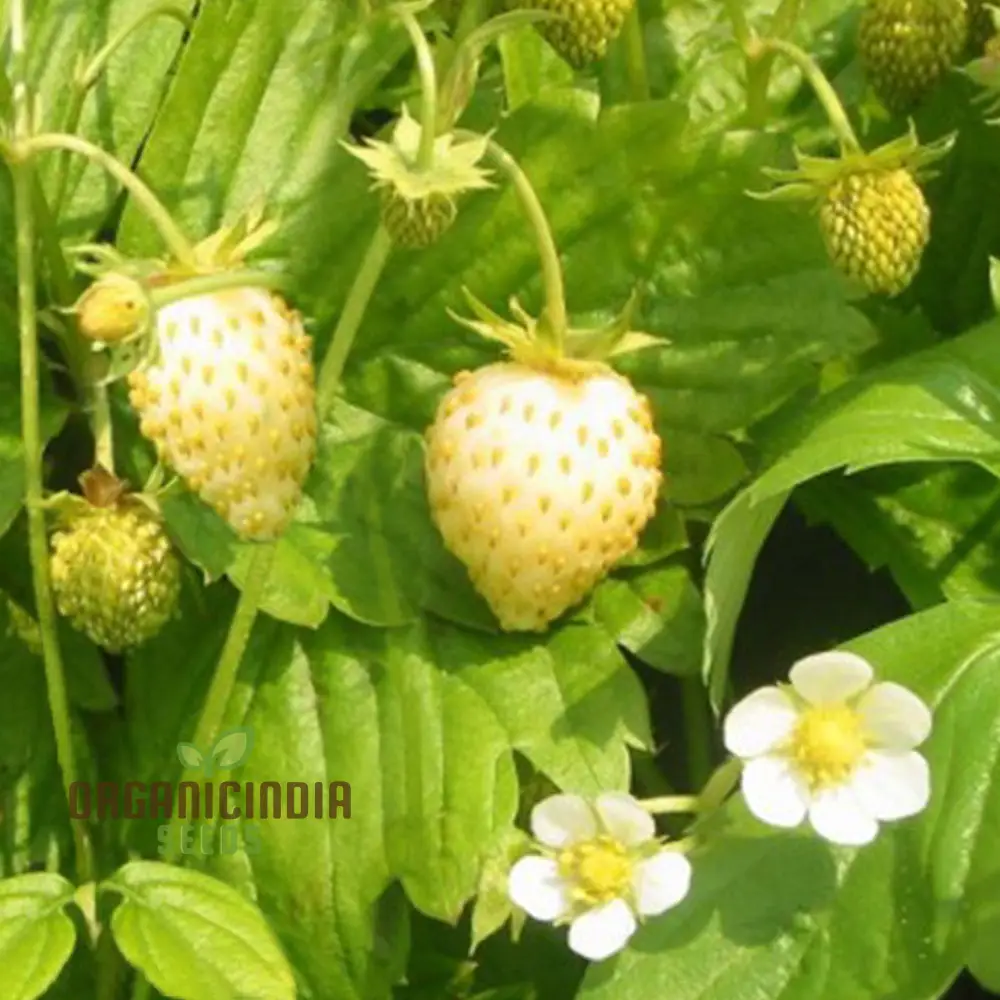
Sweet, Juicy Fruits: Produces flavorful red berries perfect for fresh eating and desserts.
-
Continuous Fruiting: Bears fruit throughout the growing season with proper care.
-
High Germination Rate: Reliable, fast-sprouting seeds for consistent results.
-
Cold & Heat Tolerant: Hardy plants that adapt well to different climates.
-
Easy Maintenance: Low-growing, spreading plants suitable for beginners and hobby gardeners.
-
Pollinator-Friendly: Attracts bees and beneficial insects, supporting garden biodiversity.
Specifications:
-
Scientific Name: Fragaria vesca var. semperflorens
-
Common Name (US): Dwarf Strawberry
-
Plant Type: Perennial fruit-bearing plant
-
Growth Habit: Compact, low-growing, spreading runners
-
Fruit Size: Small to medium, bright red berries
-
Flesh Texture: Firm, juicy, and aromatic
-
Sun Exposure: Full Sun to Partial Shade
-
Soil Type: Loamy, well-drained, nutrient-rich soil
-
Soil pH: 5.5–6.5
-
Water Requirements: Moderate; keep soil moist but not waterlogged
-
USDA Hardiness Zones: 4–9
-
Seed Type: Non-GMO / Heirloom / Untreated
-
Germination Time: 14–28 days
-
Germination Temperature: 65–75°F (18–24°C)
-
Maturity Time: 100–120 days from sowing
-
Spacing: 10–12 inches between plants
-
Height: 6–8 inches tall
-
Harvest Period: Spring to early autumn
-
Maintenance Level: Easy
Planting Guide:
-
Soil Preparation: Use rich, well-drained soil with compost or organic fertilizer added.
-
Seed Sowing: Sow seeds ⅛ inch deep in seed trays or small pots. Cover lightly with soil.
-
Moisture: Keep soil consistently moist but avoid overwatering.
-
Light Requirements: Place trays in a bright, sunny location or under grow lights.
-
Transplanting: Move seedlings outdoors after the last frost, spacing 10–12 inches apart.
-
Pollination: Encourage natural pollination by keeping the area open for bees.
-
Harvesting: Pick berries when fully red and firm for the sweetest flavor.
Original: $16.99
-65%$16.99
$5.95More Images
Dwarf Strawberry Fruit Seeds for Planting, Growing Delicious and Compact Strawberries in Your Garden
Key Features:
-
Compact & Productive Variety: Ideal for pots, hanging baskets, and small gardens with limited space.
-
Sweet, Juicy Fruits: Produces flavorful red berries perfect for fresh eating and desserts.
-
Continuous Fruiting: Bears fruit throughout the growing season with proper care.
-
High Germination Rate: Reliable, fast-sprouting seeds for consistent results.
-
Cold & Heat Tolerant: Hardy plants that adapt well to different climates.
-
Easy Maintenance: Low-growing, spreading plants suitable for beginners and hobby gardeners.
-
Pollinator-Friendly: Attracts bees and beneficial insects, supporting garden biodiversity.
Specifications:
-
Scientific Name: Fragaria vesca var. semperflorens
-
Common Name (US): Dwarf Strawberry
-
Plant Type: Perennial fruit-bearing plant
-
Growth Habit: Compact, low-growing, spreading runners
-
Fruit Size: Small to medium, bright red berries
-
Flesh Texture: Firm, juicy, and aromatic
-
Sun Exposure: Full Sun to Partial Shade
-
Soil Type: Loamy, well-drained, nutrient-rich soil
-
Soil pH: 5.5–6.5
-
Water Requirements: Moderate; keep soil moist but not waterlogged
-
USDA Hardiness Zones: 4–9
-
Seed Type: Non-GMO / Heirloom / Untreated
-
Germination Time: 14–28 days
-
Germination Temperature: 65–75°F (18–24°C)
-
Maturity Time: 100–120 days from sowing
-
Spacing: 10–12 inches between plants
-
Height: 6–8 inches tall
-
Harvest Period: Spring to early autumn
-
Maintenance Level: Easy
Planting Guide:
-
Soil Preparation: Use rich, well-drained soil with compost or organic fertilizer added.
-
Seed Sowing: Sow seeds ⅛ inch deep in seed trays or small pots. Cover lightly with soil.
-
Moisture: Keep soil consistently moist but avoid overwatering.
-
Light Requirements: Place trays in a bright, sunny location or under grow lights.
-
Transplanting: Move seedlings outdoors after the last frost, spacing 10–12 inches apart.
-
Pollination: Encourage natural pollination by keeping the area open for bees.
-
Harvesting: Pick berries when fully red and firm for the sweetest flavor.
Product Information
Product Information
Shipping & Returns
Shipping & Returns
Description
Key Features:
-
Compact & Productive Variety: Ideal for pots, hanging baskets, and small gardens with limited space.
-
Sweet, Juicy Fruits: Produces flavorful red berries perfect for fresh eating and desserts.
-
Continuous Fruiting: Bears fruit throughout the growing season with proper care.
-
High Germination Rate: Reliable, fast-sprouting seeds for consistent results.
-
Cold & Heat Tolerant: Hardy plants that adapt well to different climates.
-
Easy Maintenance: Low-growing, spreading plants suitable for beginners and hobby gardeners.
-
Pollinator-Friendly: Attracts bees and beneficial insects, supporting garden biodiversity.
Specifications:
-
Scientific Name: Fragaria vesca var. semperflorens
-
Common Name (US): Dwarf Strawberry
-
Plant Type: Perennial fruit-bearing plant
-
Growth Habit: Compact, low-growing, spreading runners
-
Fruit Size: Small to medium, bright red berries
-
Flesh Texture: Firm, juicy, and aromatic
-
Sun Exposure: Full Sun to Partial Shade
-
Soil Type: Loamy, well-drained, nutrient-rich soil
-
Soil pH: 5.5–6.5
-
Water Requirements: Moderate; keep soil moist but not waterlogged
-
USDA Hardiness Zones: 4–9
-
Seed Type: Non-GMO / Heirloom / Untreated
-
Germination Time: 14–28 days
-
Germination Temperature: 65–75°F (18–24°C)
-
Maturity Time: 100–120 days from sowing
-
Spacing: 10–12 inches between plants
-
Height: 6–8 inches tall
-
Harvest Period: Spring to early autumn
-
Maintenance Level: Easy
Planting Guide:
-
Soil Preparation: Use rich, well-drained soil with compost or organic fertilizer added.
-
Seed Sowing: Sow seeds ⅛ inch deep in seed trays or small pots. Cover lightly with soil.
-
Moisture: Keep soil consistently moist but avoid overwatering.
-
Light Requirements: Place trays in a bright, sunny location or under grow lights.
-
Transplanting: Move seedlings outdoors after the last frost, spacing 10–12 inches apart.
-
Pollination: Encourage natural pollination by keeping the area open for bees.
-
Harvesting: Pick berries when fully red and firm for the sweetest flavor.