Dinnerplate Hibiscus Perennial Flower Seeds for Home Garden Lawn - Prunus Serrulata Seeds for Planting and Blooming Beauty
Dinnerplate Hibiscus Perennial Flower Seeds for Home Garden Lawn - Prunus Serrulata Seeds for Planting and Blooming Beauty
Dinnerplate Hibiscus (Hibiscus moscheutos) Perennial Flower Seeds – Stunning Giant Blooms for Your Garden
Key Features
- Scientific Name: Hibiscus moscheutos
- Common Name: Dinnerplate Hibiscus, Hardy Hibiscus, Swamp Rose Mallow
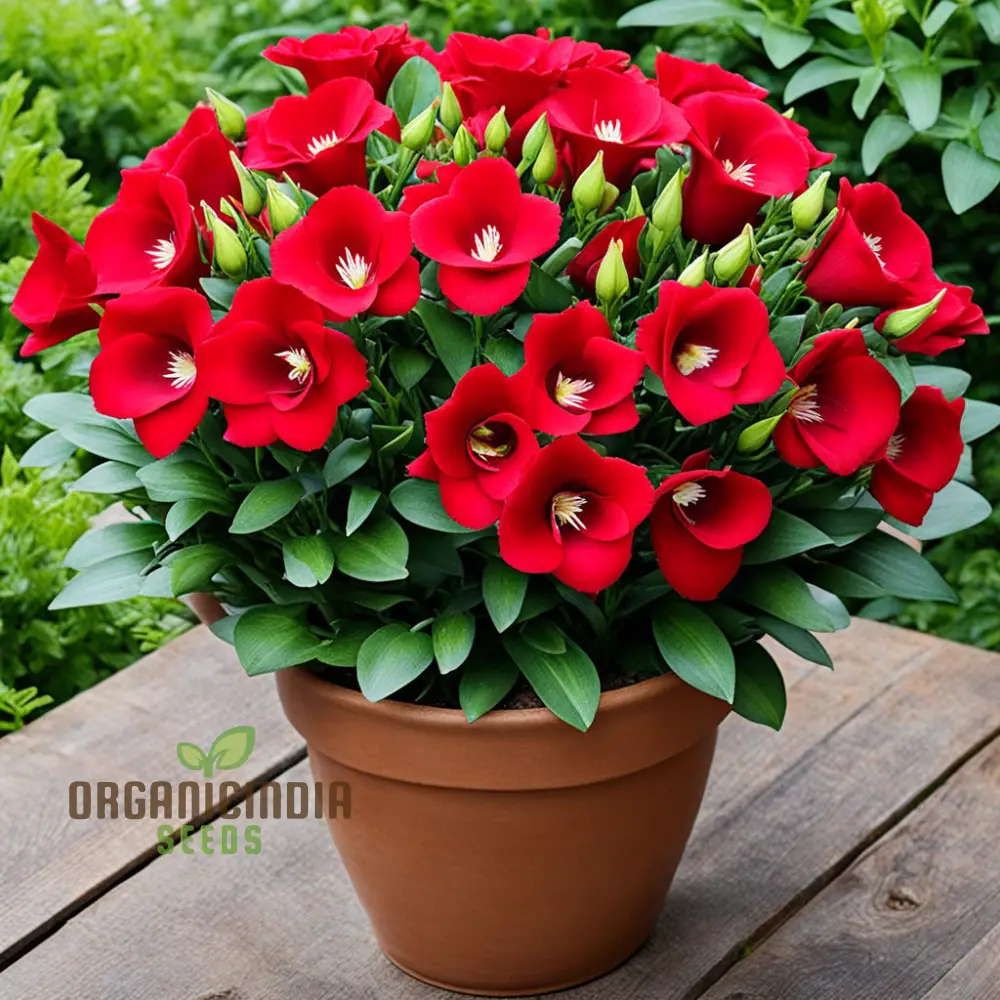
- Flower Color: Shades of pink, red, white, or bi-color with dark centers
- Bloom Size: Extra-large, "dinner plate" blooms reaching 8-12 inches across
- Growth Habit: Herbaceous perennial with bushy growth
- Height & Spread: Grows 3-5 feet tall with a spread of 2-4 feet
- Blooming Season: Midsummer to early fall
- Sun Requirements: Full sun (at least 6 hours of direct sunlight daily)
- Soil Type: Moist, well-draining, fertile soil with high organic content
- Watering Needs: Moderate to high; prefers consistently moist soil
- Hardiness Zones: USDA Zones 4-9
Why Grow Dinnerplate Hibiscus?
- Huge, Show-Stopping Flowers: Produces some of the largest hibiscus blooms
- Long Blooming Season: Provides color from midsummer until frost
- Cold Hardy & Perennial: Returns year after year in most climates
- Attracts Pollinators: A favorite of bees, butterflies, and hummingbirds
- Low Maintenance: Adaptable and easy to care for once established
Planting and Care Instructions
Seed Preparation and Sowing
- Best Time to Sow: Early spring indoors or after the last frost outdoors
- Sowing Instructions:
- Scarify seeds by gently nicking the hard seed coat or soaking in warm water for 12-24 hours
- Sow seeds ¼ inch deep in moist, well-draining soil
- Maintain a temperature of 70-75°F for germination (typically takes 10-20 days)
- Transplant seedlings outdoors when they have 2-3 sets of true leaves and nighttime temperatures remain above 50°F
Maintenance
- Watering: Keep soil evenly moist, especially during hot weather
- Fertilization: Apply a balanced fertilizer every 4-6 weeks during the growing season
- Pruning: Cut back stems in late fall or early spring to encourage new growth
- Winter Care: In colder climates, mulch around the base to protect roots from freezing temperatures
Ideal For
- Flower beds and borders
- Pollinator and butterfly gardens
- Rain gardens and moist soil areas
- Large pots and container gardening
The Dinnerplate Hibiscus is a spectacular addition to any garden, offering breathtaking blooms that rival tropical hibiscus while thriving in a wide range of climates. Its low-maintenance nature and dramatic floral display make it a standout choice for any home landscape.
Original: $16.99
-65%$16.99
$5.95More Images


Dinnerplate Hibiscus Perennial Flower Seeds for Home Garden Lawn - Prunus Serrulata Seeds for Planting and Blooming Beauty
Dinnerplate Hibiscus (Hibiscus moscheutos) Perennial Flower Seeds – Stunning Giant Blooms for Your Garden
Key Features
- Scientific Name: Hibiscus moscheutos
- Common Name: Dinnerplate Hibiscus, Hardy Hibiscus, Swamp Rose Mallow
- Flower Color: Shades of pink, red, white, or bi-color with dark centers
- Bloom Size: Extra-large, "dinner plate" blooms reaching 8-12 inches across
- Growth Habit: Herbaceous perennial with bushy growth
- Height & Spread: Grows 3-5 feet tall with a spread of 2-4 feet
- Blooming Season: Midsummer to early fall
- Sun Requirements: Full sun (at least 6 hours of direct sunlight daily)
- Soil Type: Moist, well-draining, fertile soil with high organic content
- Watering Needs: Moderate to high; prefers consistently moist soil
- Hardiness Zones: USDA Zones 4-9
Why Grow Dinnerplate Hibiscus?
- Huge, Show-Stopping Flowers: Produces some of the largest hibiscus blooms
- Long Blooming Season: Provides color from midsummer until frost
- Cold Hardy & Perennial: Returns year after year in most climates
- Attracts Pollinators: A favorite of bees, butterflies, and hummingbirds
- Low Maintenance: Adaptable and easy to care for once established
Planting and Care Instructions
Seed Preparation and Sowing
- Best Time to Sow: Early spring indoors or after the last frost outdoors
- Sowing Instructions:
- Scarify seeds by gently nicking the hard seed coat or soaking in warm water for 12-24 hours
- Sow seeds ¼ inch deep in moist, well-draining soil
- Maintain a temperature of 70-75°F for germination (typically takes 10-20 days)
- Transplant seedlings outdoors when they have 2-3 sets of true leaves and nighttime temperatures remain above 50°F
Maintenance
- Watering: Keep soil evenly moist, especially during hot weather
- Fertilization: Apply a balanced fertilizer every 4-6 weeks during the growing season
- Pruning: Cut back stems in late fall or early spring to encourage new growth
- Winter Care: In colder climates, mulch around the base to protect roots from freezing temperatures
Ideal For
- Flower beds and borders
- Pollinator and butterfly gardens
- Rain gardens and moist soil areas
- Large pots and container gardening
The Dinnerplate Hibiscus is a spectacular addition to any garden, offering breathtaking blooms that rival tropical hibiscus while thriving in a wide range of climates. Its low-maintenance nature and dramatic floral display make it a standout choice for any home landscape.
Product Information
Product Information
Shipping & Returns
Shipping & Returns
Description
Dinnerplate Hibiscus (Hibiscus moscheutos) Perennial Flower Seeds – Stunning Giant Blooms for Your Garden
Key Features
- Scientific Name: Hibiscus moscheutos
- Common Name: Dinnerplate Hibiscus, Hardy Hibiscus, Swamp Rose Mallow
- Flower Color: Shades of pink, red, white, or bi-color with dark centers
- Bloom Size: Extra-large, "dinner plate" blooms reaching 8-12 inches across
- Growth Habit: Herbaceous perennial with bushy growth
- Height & Spread: Grows 3-5 feet tall with a spread of 2-4 feet
- Blooming Season: Midsummer to early fall
- Sun Requirements: Full sun (at least 6 hours of direct sunlight daily)
- Soil Type: Moist, well-draining, fertile soil with high organic content
- Watering Needs: Moderate to high; prefers consistently moist soil
- Hardiness Zones: USDA Zones 4-9
Why Grow Dinnerplate Hibiscus?
- Huge, Show-Stopping Flowers: Produces some of the largest hibiscus blooms
- Long Blooming Season: Provides color from midsummer until frost
- Cold Hardy & Perennial: Returns year after year in most climates
- Attracts Pollinators: A favorite of bees, butterflies, and hummingbirds
- Low Maintenance: Adaptable and easy to care for once established
Planting and Care Instructions
Seed Preparation and Sowing
- Best Time to Sow: Early spring indoors or after the last frost outdoors
- Sowing Instructions:
- Scarify seeds by gently nicking the hard seed coat or soaking in warm water for 12-24 hours
- Sow seeds ¼ inch deep in moist, well-draining soil
- Maintain a temperature of 70-75°F for germination (typically takes 10-20 days)
- Transplant seedlings outdoors when they have 2-3 sets of true leaves and nighttime temperatures remain above 50°F
Maintenance
- Watering: Keep soil evenly moist, especially during hot weather
- Fertilization: Apply a balanced fertilizer every 4-6 weeks during the growing season
- Pruning: Cut back stems in late fall or early spring to encourage new growth
- Winter Care: In colder climates, mulch around the base to protect roots from freezing temperatures
Ideal For
- Flower beds and borders
- Pollinator and butterfly gardens
- Rain gardens and moist soil areas
- Large pots and container gardening
The Dinnerplate Hibiscus is a spectacular addition to any garden, offering breathtaking blooms that rival tropical hibiscus while thriving in a wide range of climates. Its low-maintenance nature and dramatic floral display make it a standout choice for any home landscape.