Dianthus monspessulanus Seeds – Delicate Garden Bloom Variety for Planting
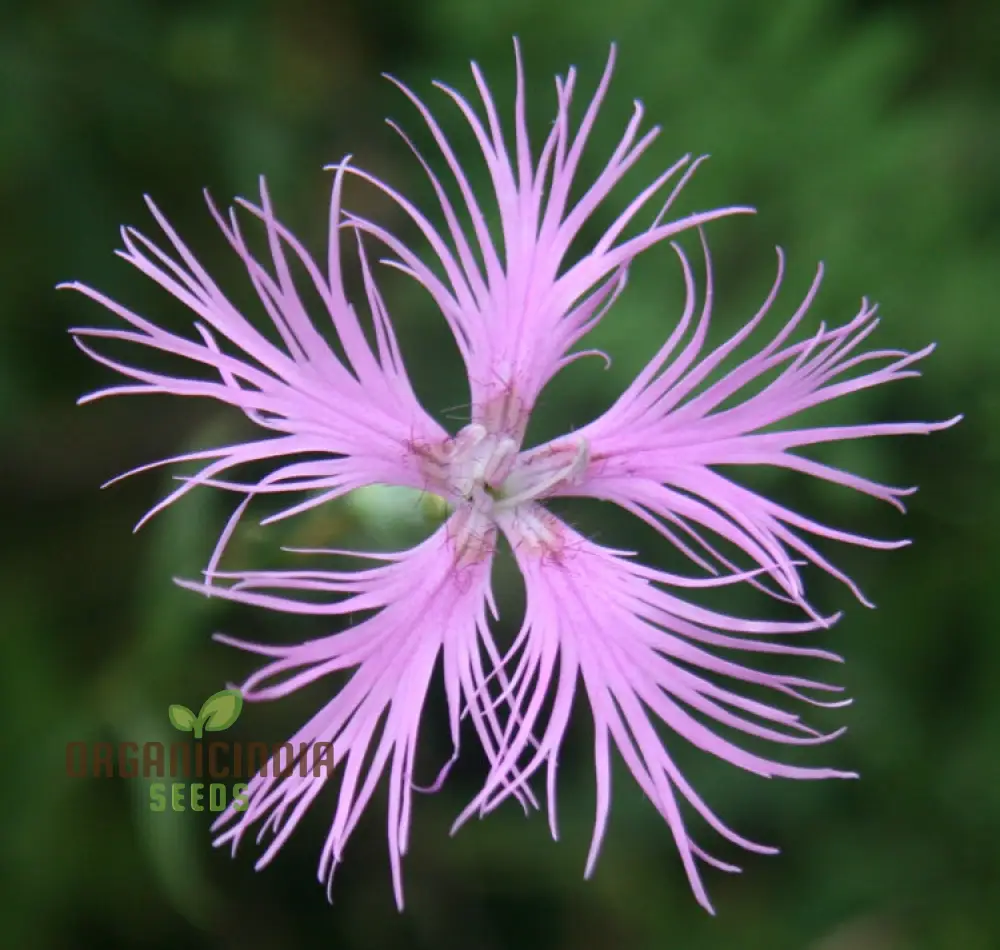
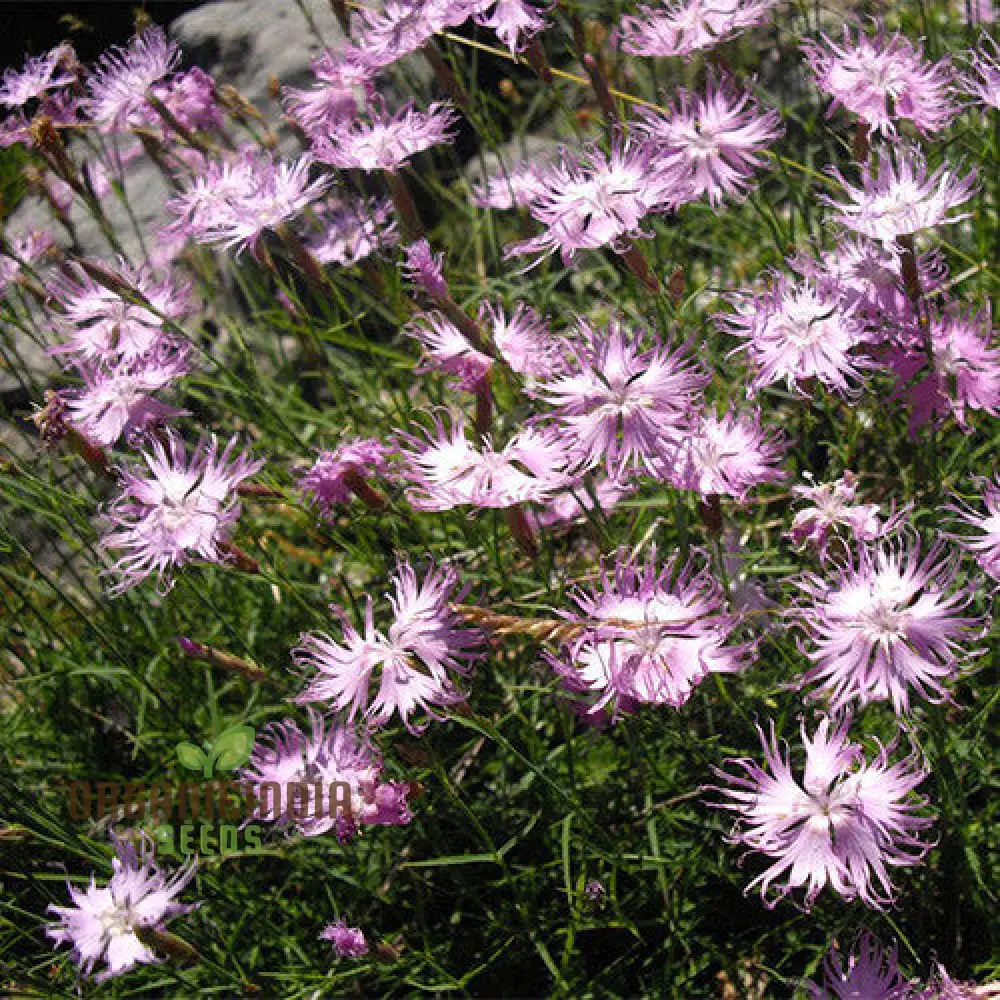
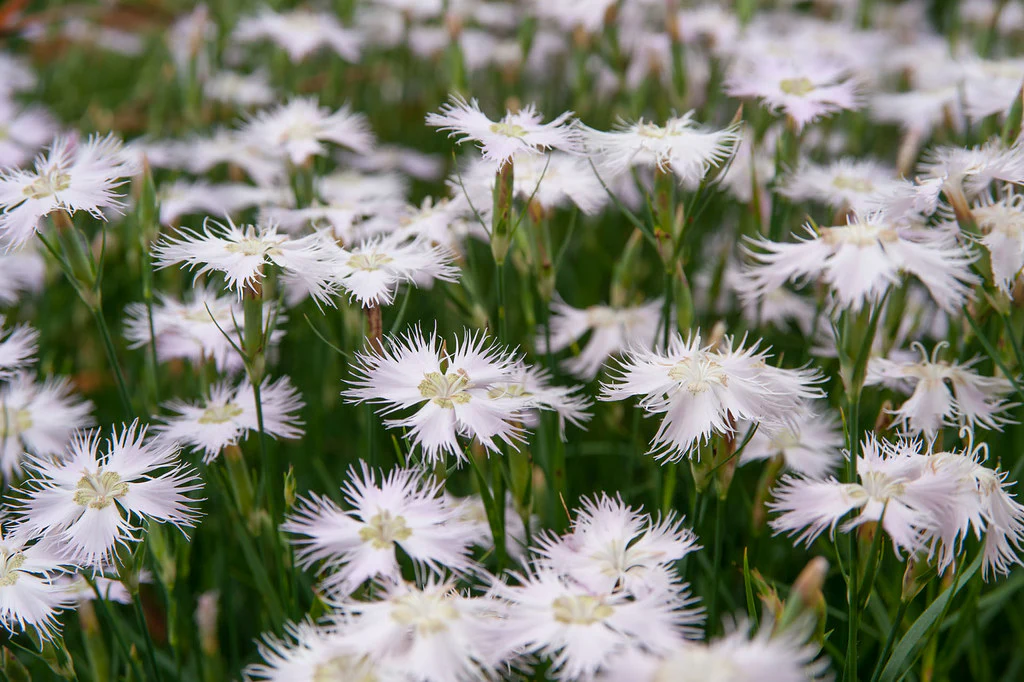
Bring subtle elegance to your garden with Dianthus monspessulanus Seeds, known for their delicate, soft-hued blooms and light, pleasant fragrance. This charming species is admired for its compact growth habit, finely cut petals, and ability to thrive in sunny, well-drained areas.
A popular choice for rock gardens, borders, containers, and naturalized wildflower spaces, Dianthus monspessulanus adds refined beauty and long-lasting seasonal interest. Perfect for both beginner and experienced gardeners, these high-quality seeds produce resilient plants that bloom reliably through warm months.
Key Features
-
Produces delicate, finely textured Dianthus blooms
-
Soft colors ideal for elegant garden displays
-
High-quality, non-GMO seeds
-
Excellent for rock gardens, borders, containers, and sunny beds
-
Low-maintenance, drought-tolerant once established
-
Attracts pollinators like butterflies
-
Compact and tidy growth habit
Specifications
Botanical Name: Dianthus monspessulanus
Common Name (US): Montpellier Pink
Plant Type: Perennial (often grown as a hardy annual)
Seed Type: Premium, Non-GMO
Flower Color: Pale pink to soft lavender (varies naturally)
Bloom Season: Late Spring to Summer
USDA Hardiness Zones: 4–9
Sun Exposure: Full Sun
Soil Requirements: Well-drained, sandy or loamy soil
Plant Height: 8–16 inches
Spacing: 8–12 inches apart
Watering Needs: Light to moderate; prefers slightly dry conditions
Germination Time: 7–14 days
Temperature for Germination: 60–70°F
Growth Habit: Compact, mounding, upright
Uses: Borders, rock gardens, cottage gardens, wildflower areas, containers
Special Notes: Avoid heavy or waterlogged soil; excellent heat tolerance.
Planting Guide
1. Starting Seeds Indoors (Recommended)
-
Begin 6–8 weeks before the last frost.
-
Use a light, well-draining seed-starting mix.
2. Sowing Depth
-
Sow seeds ¼ inch deep.
-
Lightly press soil over them but do not bury too deeply.
3. Light & Temperature
-
Maintain 60–70°F for best germination.
-
Provide bright light or full-spectrum grow lights for strong seedlings.
4. Transplanting Outdoors
-
Harden off seedlings 7–10 days before transplanting.
-
Plant outdoors in full sun once frost danger has passed.
5. Care & Maintenance
-
Water sparingly; allow soil to dry between waterings.
-
Deadhead spent blooms to extend flowering.
-
Apply light mulch in hot climates to retain soil moisture.
6. Flowering Timeline
-
Expect blooms from late spring through summer, with extended flowering in mild climates.
Benefits
-
Enhances gardens with delicate, soft-colored flowers
-
Thrives in sunny, dry conditions
-
Excellent for pollinator-friendly planting
-
Perfect for decorative borders and rock gardens
-
Low-maintenance and reliable year after year
Original: $16.99
-65%$16.99
$5.95More Images
Dianthus monspessulanus Seeds – Delicate Garden Bloom Variety for Planting
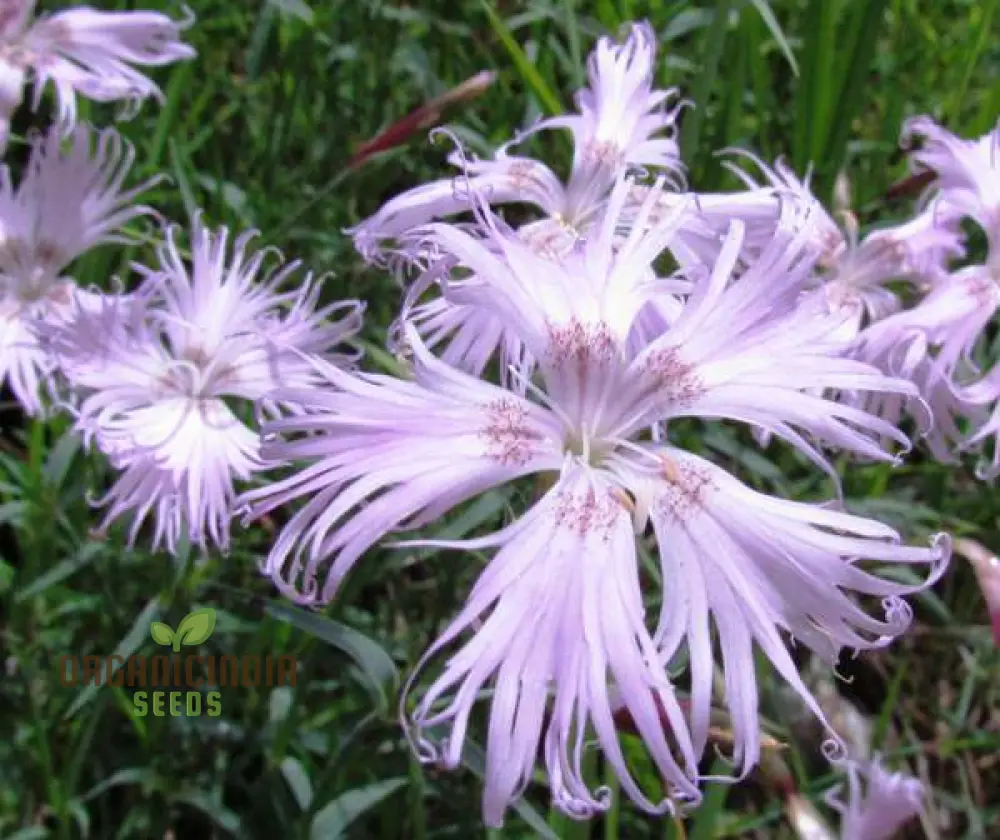
Bring subtle elegance to your garden with Dianthus monspessulanus Seeds, known for their delicate, soft-hued blooms and light, pleasant fragrance. This charming species is admired for its compact growth habit, finely cut petals, and ability to thrive in sunny, well-drained areas.
A popular choice for rock gardens, borders, containers, and naturalized wildflower spaces, Dianthus monspessulanus adds refined beauty and long-lasting seasonal interest. Perfect for both beginner and experienced gardeners, these high-quality seeds produce resilient plants that bloom reliably through warm months.
Key Features
-
Produces delicate, finely textured Dianthus blooms
-
Soft colors ideal for elegant garden displays
-
High-quality, non-GMO seeds
-
Excellent for rock gardens, borders, containers, and sunny beds
-
Low-maintenance, drought-tolerant once established
-
Attracts pollinators like butterflies
-
Compact and tidy growth habit
Specifications
Botanical Name: Dianthus monspessulanus
Common Name (US): Montpellier Pink
Plant Type: Perennial (often grown as a hardy annual)
Seed Type: Premium, Non-GMO
Flower Color: Pale pink to soft lavender (varies naturally)
Bloom Season: Late Spring to Summer
USDA Hardiness Zones: 4–9
Sun Exposure: Full Sun
Soil Requirements: Well-drained, sandy or loamy soil
Plant Height: 8–16 inches
Spacing: 8–12 inches apart
Watering Needs: Light to moderate; prefers slightly dry conditions
Germination Time: 7–14 days
Temperature for Germination: 60–70°F
Growth Habit: Compact, mounding, upright
Uses: Borders, rock gardens, cottage gardens, wildflower areas, containers
Special Notes: Avoid heavy or waterlogged soil; excellent heat tolerance.
Planting Guide
1. Starting Seeds Indoors (Recommended)
-
Begin 6–8 weeks before the last frost.
-
Use a light, well-draining seed-starting mix.
2. Sowing Depth
-
Sow seeds ¼ inch deep.
-
Lightly press soil over them but do not bury too deeply.
3. Light & Temperature
-
Maintain 60–70°F for best germination.
-
Provide bright light or full-spectrum grow lights for strong seedlings.
4. Transplanting Outdoors
-
Harden off seedlings 7–10 days before transplanting.
-
Plant outdoors in full sun once frost danger has passed.
5. Care & Maintenance
-
Water sparingly; allow soil to dry between waterings.
-
Deadhead spent blooms to extend flowering.
-
Apply light mulch in hot climates to retain soil moisture.
6. Flowering Timeline
-
Expect blooms from late spring through summer, with extended flowering in mild climates.
Benefits
-
Enhances gardens with delicate, soft-colored flowers
-
Thrives in sunny, dry conditions
-
Excellent for pollinator-friendly planting
-
Perfect for decorative borders and rock gardens
-
Low-maintenance and reliable year after year
Product Information
Product Information
Shipping & Returns
Shipping & Returns
Description
Bring subtle elegance to your garden with Dianthus monspessulanus Seeds, known for their delicate, soft-hued blooms and light, pleasant fragrance. This charming species is admired for its compact growth habit, finely cut petals, and ability to thrive in sunny, well-drained areas.
A popular choice for rock gardens, borders, containers, and naturalized wildflower spaces, Dianthus monspessulanus adds refined beauty and long-lasting seasonal interest. Perfect for both beginner and experienced gardeners, these high-quality seeds produce resilient plants that bloom reliably through warm months.
Key Features
-
Produces delicate, finely textured Dianthus blooms
-
Soft colors ideal for elegant garden displays
-
High-quality, non-GMO seeds
-
Excellent for rock gardens, borders, containers, and sunny beds
-
Low-maintenance, drought-tolerant once established
-
Attracts pollinators like butterflies
-
Compact and tidy growth habit
Specifications
Botanical Name: Dianthus monspessulanus
Common Name (US): Montpellier Pink
Plant Type: Perennial (often grown as a hardy annual)
Seed Type: Premium, Non-GMO
Flower Color: Pale pink to soft lavender (varies naturally)
Bloom Season: Late Spring to Summer
USDA Hardiness Zones: 4–9
Sun Exposure: Full Sun
Soil Requirements: Well-drained, sandy or loamy soil
Plant Height: 8–16 inches
Spacing: 8–12 inches apart
Watering Needs: Light to moderate; prefers slightly dry conditions
Germination Time: 7–14 days
Temperature for Germination: 60–70°F
Growth Habit: Compact, mounding, upright
Uses: Borders, rock gardens, cottage gardens, wildflower areas, containers
Special Notes: Avoid heavy or waterlogged soil; excellent heat tolerance.
Planting Guide
1. Starting Seeds Indoors (Recommended)
-
Begin 6–8 weeks before the last frost.
-
Use a light, well-draining seed-starting mix.
2. Sowing Depth
-
Sow seeds ¼ inch deep.
-
Lightly press soil over them but do not bury too deeply.
3. Light & Temperature
-
Maintain 60–70°F for best germination.
-
Provide bright light or full-spectrum grow lights for strong seedlings.
4. Transplanting Outdoors
-
Harden off seedlings 7–10 days before transplanting.
-
Plant outdoors in full sun once frost danger has passed.
5. Care & Maintenance
-
Water sparingly; allow soil to dry between waterings.
-
Deadhead spent blooms to extend flowering.
-
Apply light mulch in hot climates to retain soil moisture.
6. Flowering Timeline
-
Expect blooms from late spring through summer, with extended flowering in mild climates.
Benefits
-
Enhances gardens with delicate, soft-colored flowers
-
Thrives in sunny, dry conditions
-
Excellent for pollinator-friendly planting
-
Perfect for decorative borders and rock gardens
-
Low-maintenance and reliable year after year