Cultivated/Improved Pawpaw (Asimina triloba) – Seeds
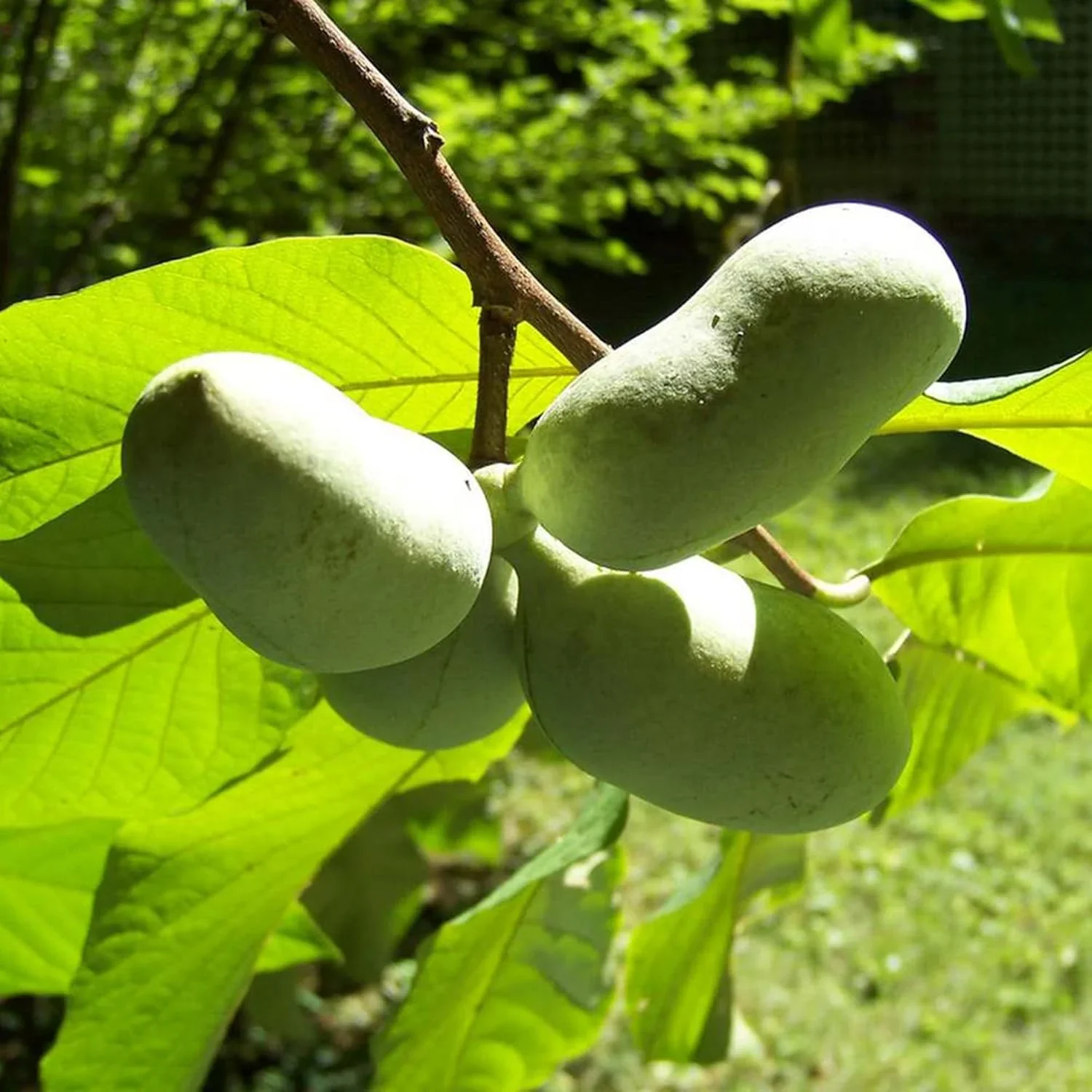
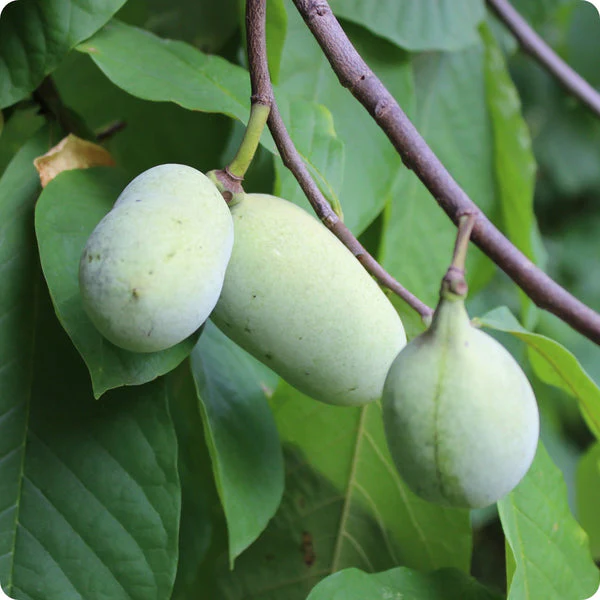
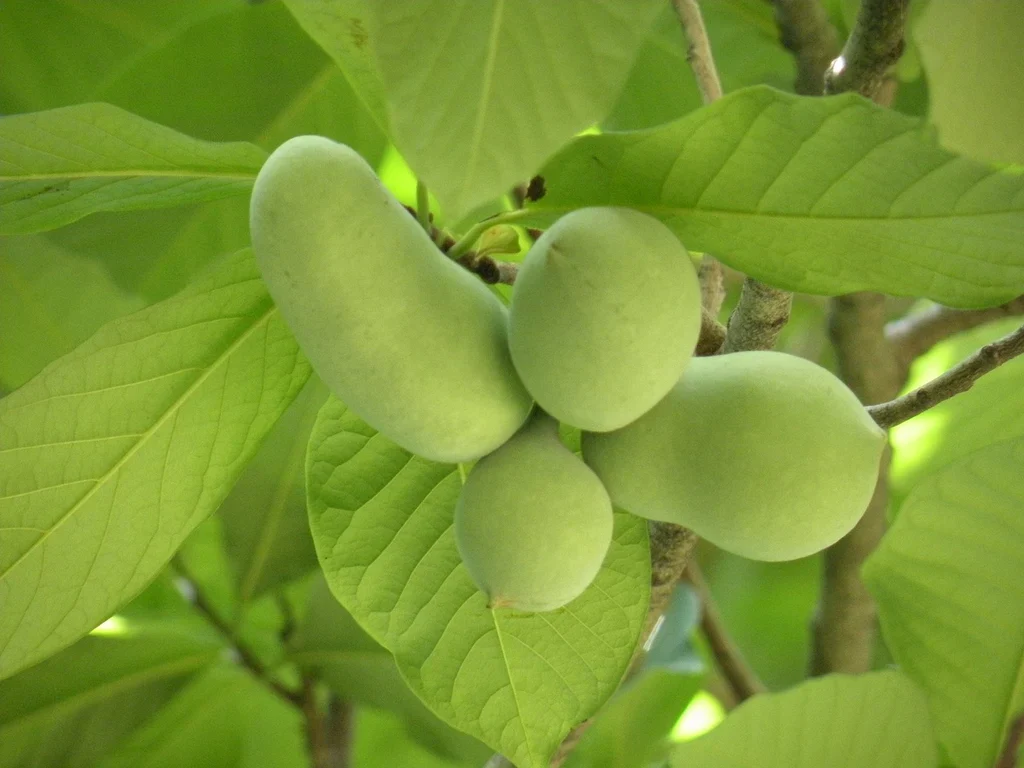
Experience the rich, tropical flavor of the native North American Pawpaw Tree with these Cultivated Asimina triloba Seeds. This improved strain produces large, creamy, custard-like fruit with hints of banana, mango, and melon. The pawpaw tree is well-suited for temperate gardens, offering lush green foliage, fragrant spring flowers, and nutritious fruit in late summer to early autumn. These non-GMO seeds are easy to germinate and grow into hardy, productive trees with minimal maintenance.
Features:
- Improved cultivated variety for enhanced fruit size and flavor
- Produces rich, sweet, tropical-tasting fruits
- Hardy native species ideal for North American climates
- Lush green foliage and attractive flowers for ornamental appeal
- Non-GMO and naturally grown seeds
Specifications:
- Botanical Name: Asimina triloba
- Common Name: Pawpaw
- Plant Type: Deciduous fruit tree
- GMO Status: Non-GMO
- Growth Habit: Upright with spreading canopy
- Height: 12–25 feet at maturity
- Fruit Type: Soft, tropical-flavored edible fruit
- Light Requirements: Full sun to partial shade
- Soil Type: Moist, well-drained, slightly acidic to neutral soil
- Watering: Regular during growing season; drought-tolerant once established
- Season: Sow seeds in late winter to early spring
- Zones: USDA Zones 5–9
- Germination Time: 8–12 weeks (requires cold stratification)
- Temperature for Germination: 18–24°C (65–75°F)
- Maturity: Fruit production typically in 4–6 years
Planting & Sowing Instructions:
- Cold Stratification: Keep seeds in a moist paper towel or peat moss inside a sealed plastic bag in the refrigerator for 12–16 weeks.
- Sowing: After stratification, plant seeds about 1 inch deep in a rich, well-draining seed-starting mix.
- Watering: Maintain consistently moist (not soggy) soil.
- Light: Provide bright, indirect sunlight or partial shade.
- Transplanting: Move seedlings outdoors after frost danger passes, spacing trees 10–15 feet apart.
- Care: Water regularly and mulch around the base to retain moisture and control weeds.
Original: $16.99
-65%$16.99
$5.95More Images
Cultivated/Improved Pawpaw (Asimina triloba) – Seeds
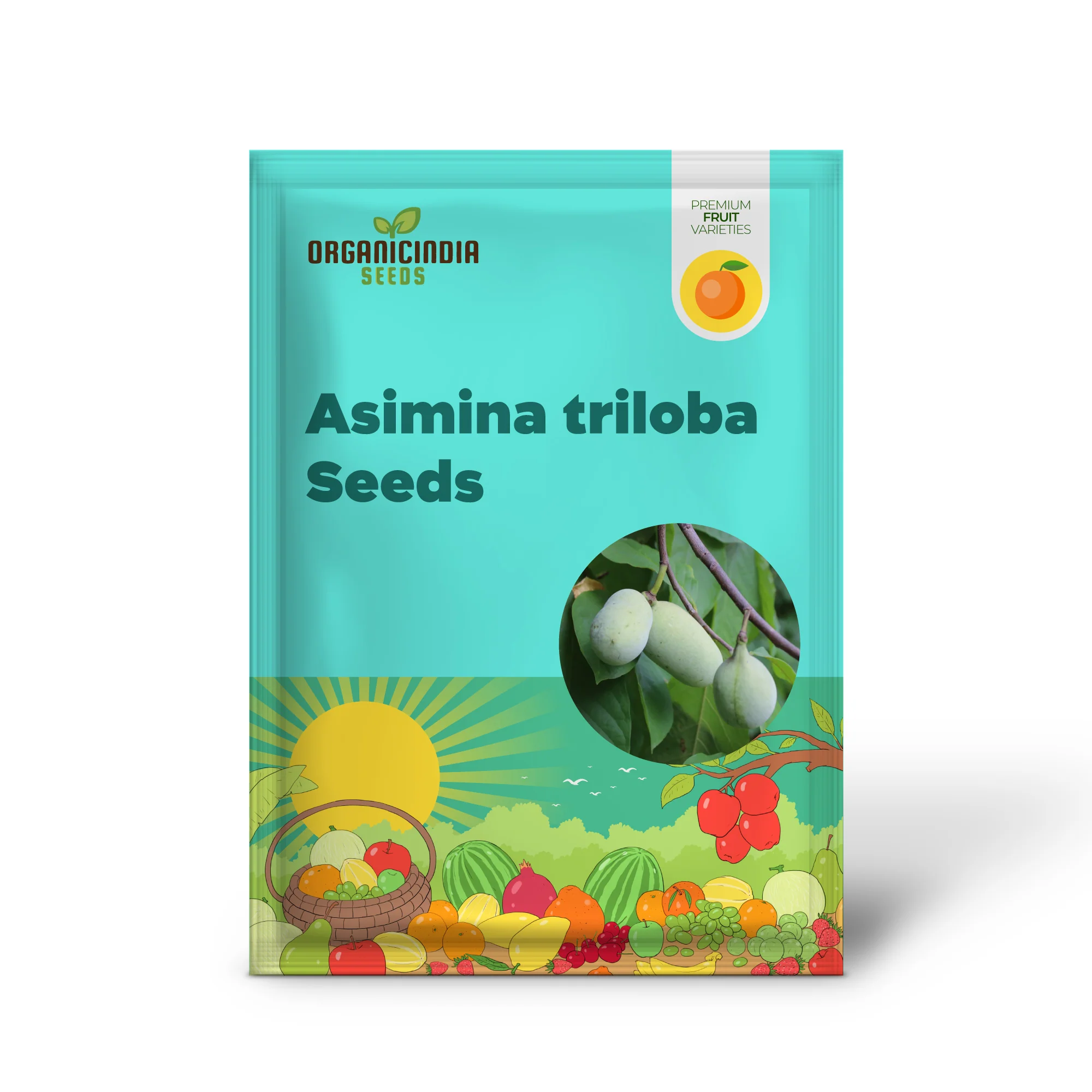
Experience the rich, tropical flavor of the native North American Pawpaw Tree with these Cultivated Asimina triloba Seeds. This improved strain produces large, creamy, custard-like fruit with hints of banana, mango, and melon. The pawpaw tree is well-suited for temperate gardens, offering lush green foliage, fragrant spring flowers, and nutritious fruit in late summer to early autumn. These non-GMO seeds are easy to germinate and grow into hardy, productive trees with minimal maintenance.
Features:
- Improved cultivated variety for enhanced fruit size and flavor
- Produces rich, sweet, tropical-tasting fruits
- Hardy native species ideal for North American climates
- Lush green foliage and attractive flowers for ornamental appeal
- Non-GMO and naturally grown seeds
Specifications:
- Botanical Name: Asimina triloba
- Common Name: Pawpaw
- Plant Type: Deciduous fruit tree
- GMO Status: Non-GMO
- Growth Habit: Upright with spreading canopy
- Height: 12–25 feet at maturity
- Fruit Type: Soft, tropical-flavored edible fruit
- Light Requirements: Full sun to partial shade
- Soil Type: Moist, well-drained, slightly acidic to neutral soil
- Watering: Regular during growing season; drought-tolerant once established
- Season: Sow seeds in late winter to early spring
- Zones: USDA Zones 5–9
- Germination Time: 8–12 weeks (requires cold stratification)
- Temperature for Germination: 18–24°C (65–75°F)
- Maturity: Fruit production typically in 4–6 years
Planting & Sowing Instructions:
- Cold Stratification: Keep seeds in a moist paper towel or peat moss inside a sealed plastic bag in the refrigerator for 12–16 weeks.
- Sowing: After stratification, plant seeds about 1 inch deep in a rich, well-draining seed-starting mix.
- Watering: Maintain consistently moist (not soggy) soil.
- Light: Provide bright, indirect sunlight or partial shade.
- Transplanting: Move seedlings outdoors after frost danger passes, spacing trees 10–15 feet apart.
- Care: Water regularly and mulch around the base to retain moisture and control weeds.
Product Information
Product Information
Shipping & Returns
Shipping & Returns
Description
Experience the rich, tropical flavor of the native North American Pawpaw Tree with these Cultivated Asimina triloba Seeds. This improved strain produces large, creamy, custard-like fruit with hints of banana, mango, and melon. The pawpaw tree is well-suited for temperate gardens, offering lush green foliage, fragrant spring flowers, and nutritious fruit in late summer to early autumn. These non-GMO seeds are easy to germinate and grow into hardy, productive trees with minimal maintenance.
Features:
- Improved cultivated variety for enhanced fruit size and flavor
- Produces rich, sweet, tropical-tasting fruits
- Hardy native species ideal for North American climates
- Lush green foliage and attractive flowers for ornamental appeal
- Non-GMO and naturally grown seeds
Specifications:
- Botanical Name: Asimina triloba
- Common Name: Pawpaw
- Plant Type: Deciduous fruit tree
- GMO Status: Non-GMO
- Growth Habit: Upright with spreading canopy
- Height: 12–25 feet at maturity
- Fruit Type: Soft, tropical-flavored edible fruit
- Light Requirements: Full sun to partial shade
- Soil Type: Moist, well-drained, slightly acidic to neutral soil
- Watering: Regular during growing season; drought-tolerant once established
- Season: Sow seeds in late winter to early spring
- Zones: USDA Zones 5–9
- Germination Time: 8–12 weeks (requires cold stratification)
- Temperature for Germination: 18–24°C (65–75°F)
- Maturity: Fruit production typically in 4–6 years
Planting & Sowing Instructions:
- Cold Stratification: Keep seeds in a moist paper towel or peat moss inside a sealed plastic bag in the refrigerator for 12–16 weeks.
- Sowing: After stratification, plant seeds about 1 inch deep in a rich, well-draining seed-starting mix.
- Watering: Maintain consistently moist (not soggy) soil.
- Light: Provide bright, indirect sunlight or partial shade.
- Transplanting: Move seedlings outdoors after frost danger passes, spacing trees 10–15 feet apart.
- Care: Water regularly and mulch around the base to retain moisture and control weeds.