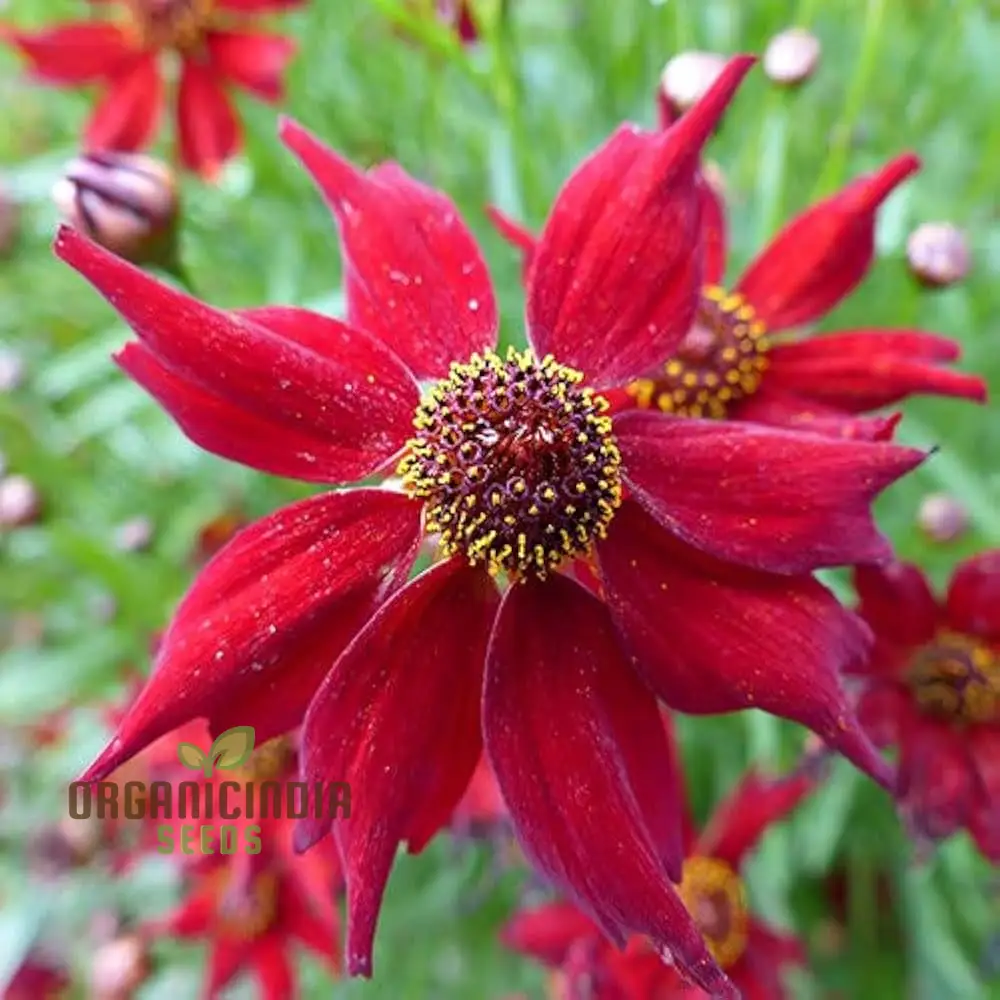
Coreopsis Red Flower Seeds for Planting, A Complete Guide to Growing Vibrant Red Coreopsis Blooms
Coreopsis Red Flower Seeds for Planting, A Complete Guide to Growing Vibrant Red Coreopsis Blooms
Coreopsis Red Flower Seeds – A Complete Guide to Growing Vibrant Red Coreopsis Blooms
Key Features
- Scientific Name: Coreopsis tinctoria (or Coreopsis spp., depending on variety)
- Common Name: Red Coreopsis, Tickseed
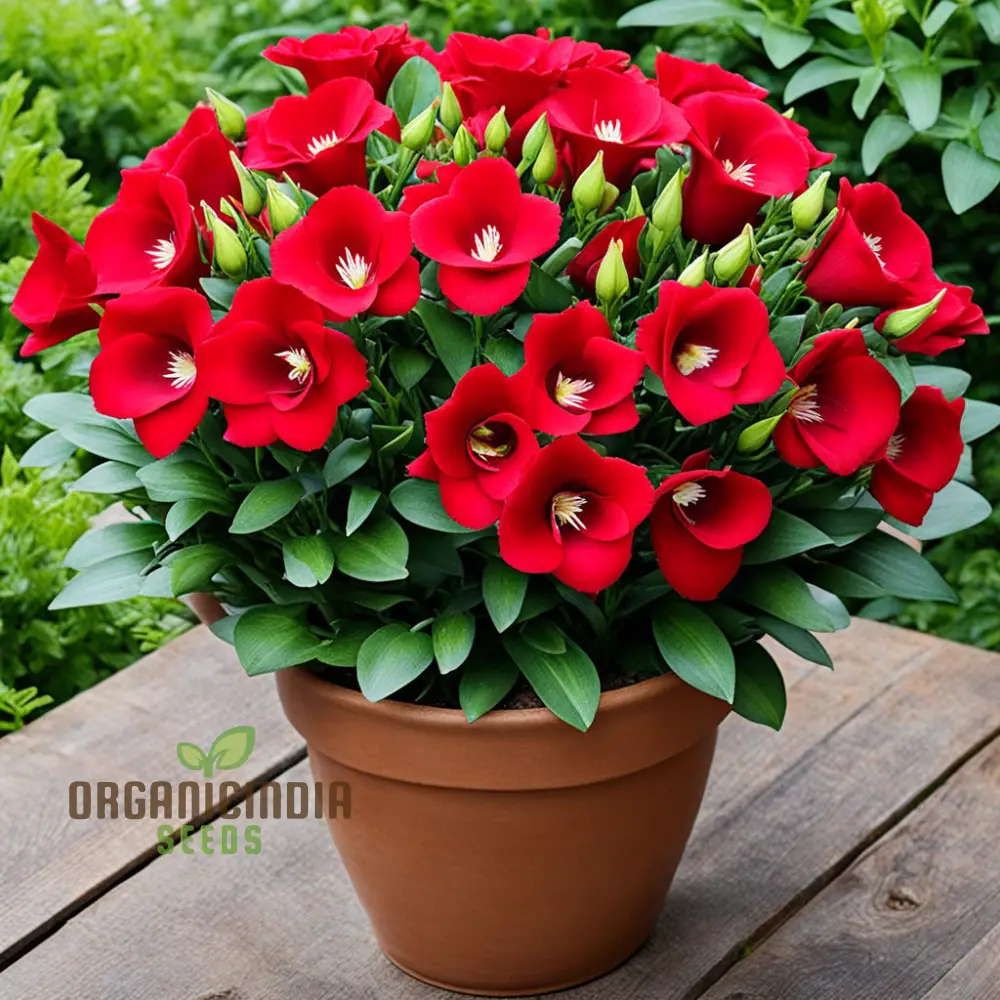
- Flower Color: Deep red, burgundy, or bi-colored with yellow accents
- Growth Habit: Herbaceous perennial or annual, depending on the variety
- Height & Spread: Grows 12-36 inches tall with a spread of 12-24 inches
- Blooming Season: Late spring to early fall
- Sun Requirements: Full sun (6+ hours of direct sunlight daily)
- Soil Type: Well-draining, sandy or loamy soil; tolerates poor soils
- Watering Needs: Low to moderate; drought-tolerant once established
- Hardiness Zones: USDA Zones 4-10 (varies by species)
Why Grow Red Coreopsis?
- Bright, Cheerful Blooms: Deep red flowers add a stunning contrast to any garden
- Pollinator-Friendly: Attracts bees, butterflies, and other beneficial insects
- Low Maintenance: Tolerates heat, drought, and poor soil conditions
- Continuous Blooms: Produces flowers throughout summer with deadheading
- Self-Seeding & Perennial Options: Some varieties reseed naturally for ongoing growth
Planting and Care Instructions
Seed Preparation and Sowing
-
Direct Sowing (Recommended for Outdoor Planting):
- Sow seeds after the last frost in well-prepared garden soil.
- Scatter seeds on the surface and lightly press into the soil—do not bury, as they need light to germinate.
- Water gently to keep soil moist until germination (typically 10-20 days).
-
Starting Indoors (For Earlier Blooms):
- Begin 6-8 weeks before the last frost in trays with a light seed-starting mix.
- Keep soil moist and maintain temperatures around 65-75°F.
- Once seedlings develop 2-3 true leaves, transplant them outdoors after the danger of frost has passed.
Maintenance
- Watering: Water sparingly; allow soil to dry slightly between waterings.
- Fertilization: Apply a light layer of compost or a balanced fertilizer in early spring.
- Deadheading: Remove spent blooms to encourage continuous flowering.
- Pruning: Cut back in late fall or early spring for bushier growth.
Ideal For
- Pollinator and wildflower gardens
- Drought-resistant landscaping
- Cottage gardens and flower borders
- Cut flower arrangements
The Red Coreopsis is a resilient, long-blooming plant that brings rich, vibrant color to any garden with minimal care. Its ability to thrive in tough conditions makes it a perfect choice for gardeners of all levels.
Original: $16.99
-65%$16.99
$5.95More Images
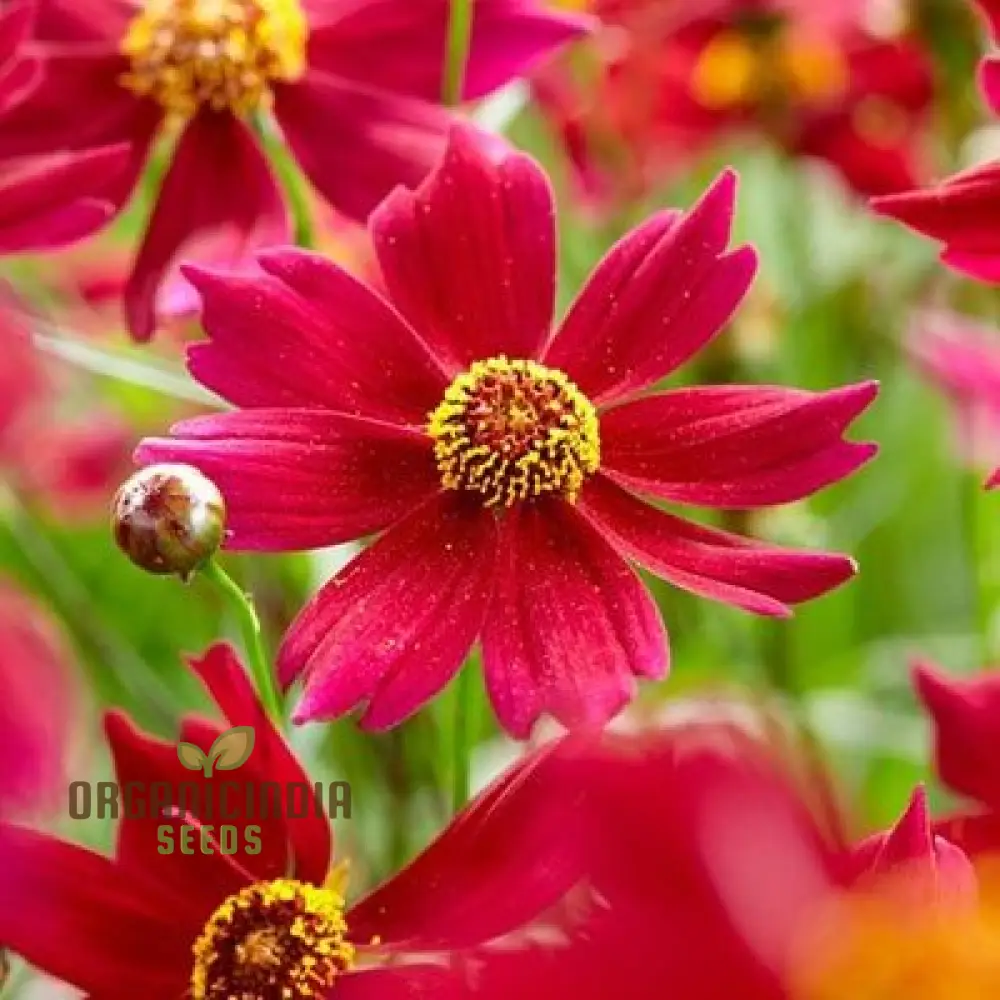
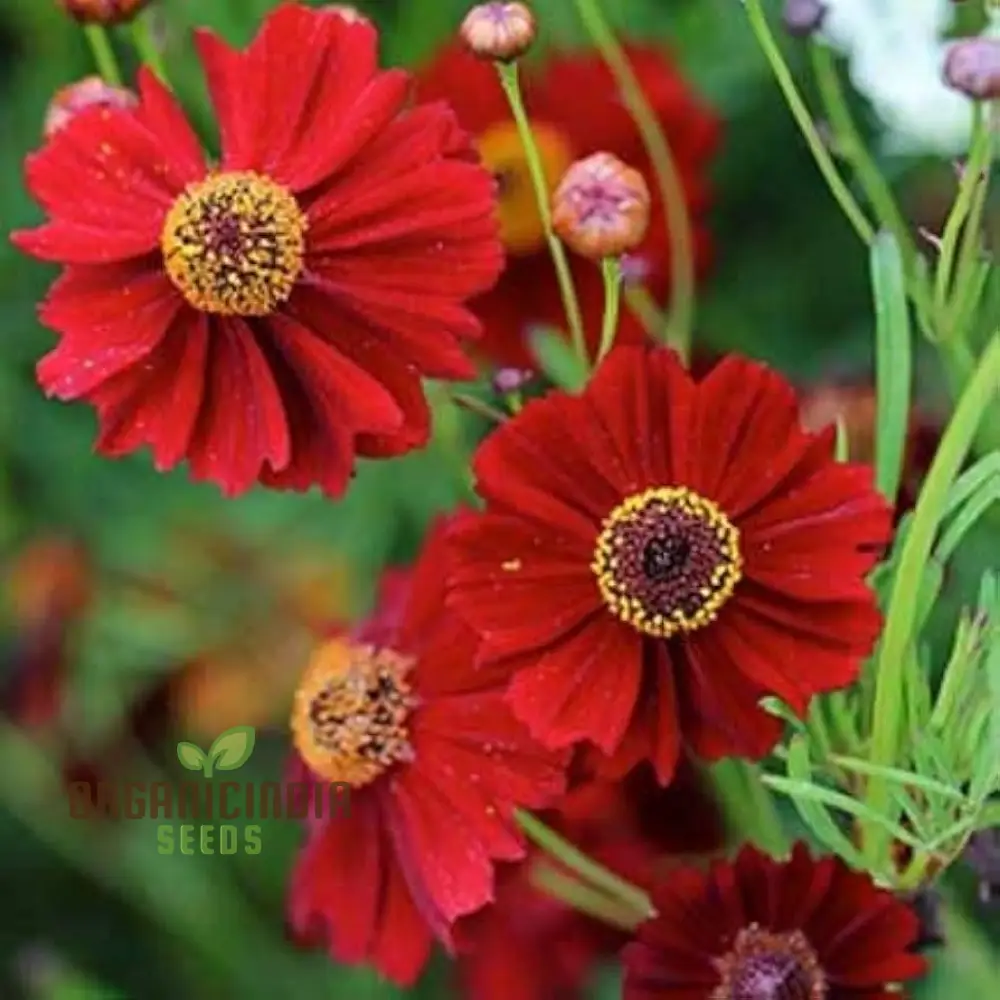
Coreopsis Red Flower Seeds for Planting, A Complete Guide to Growing Vibrant Red Coreopsis Blooms
Coreopsis Red Flower Seeds – A Complete Guide to Growing Vibrant Red Coreopsis Blooms
Key Features
- Scientific Name: Coreopsis tinctoria (or Coreopsis spp., depending on variety)
- Common Name: Red Coreopsis, Tickseed
- Flower Color: Deep red, burgundy, or bi-colored with yellow accents
- Growth Habit: Herbaceous perennial or annual, depending on the variety
- Height & Spread: Grows 12-36 inches tall with a spread of 12-24 inches
- Blooming Season: Late spring to early fall
- Sun Requirements: Full sun (6+ hours of direct sunlight daily)
- Soil Type: Well-draining, sandy or loamy soil; tolerates poor soils
- Watering Needs: Low to moderate; drought-tolerant once established
- Hardiness Zones: USDA Zones 4-10 (varies by species)
Why Grow Red Coreopsis?
- Bright, Cheerful Blooms: Deep red flowers add a stunning contrast to any garden
- Pollinator-Friendly: Attracts bees, butterflies, and other beneficial insects
- Low Maintenance: Tolerates heat, drought, and poor soil conditions
- Continuous Blooms: Produces flowers throughout summer with deadheading
- Self-Seeding & Perennial Options: Some varieties reseed naturally for ongoing growth
Planting and Care Instructions
Seed Preparation and Sowing
-
Direct Sowing (Recommended for Outdoor Planting):
- Sow seeds after the last frost in well-prepared garden soil.
- Scatter seeds on the surface and lightly press into the soil—do not bury, as they need light to germinate.
- Water gently to keep soil moist until germination (typically 10-20 days).
-
Starting Indoors (For Earlier Blooms):
- Begin 6-8 weeks before the last frost in trays with a light seed-starting mix.
- Keep soil moist and maintain temperatures around 65-75°F.
- Once seedlings develop 2-3 true leaves, transplant them outdoors after the danger of frost has passed.
Maintenance
- Watering: Water sparingly; allow soil to dry slightly between waterings.
- Fertilization: Apply a light layer of compost or a balanced fertilizer in early spring.
- Deadheading: Remove spent blooms to encourage continuous flowering.
- Pruning: Cut back in late fall or early spring for bushier growth.
Ideal For
- Pollinator and wildflower gardens
- Drought-resistant landscaping
- Cottage gardens and flower borders
- Cut flower arrangements
The Red Coreopsis is a resilient, long-blooming plant that brings rich, vibrant color to any garden with minimal care. Its ability to thrive in tough conditions makes it a perfect choice for gardeners of all levels.
Product Information
Product Information
Shipping & Returns
Shipping & Returns
Description
Coreopsis Red Flower Seeds – A Complete Guide to Growing Vibrant Red Coreopsis Blooms
Key Features
- Scientific Name: Coreopsis tinctoria (or Coreopsis spp., depending on variety)
- Common Name: Red Coreopsis, Tickseed
- Flower Color: Deep red, burgundy, or bi-colored with yellow accents
- Growth Habit: Herbaceous perennial or annual, depending on the variety
- Height & Spread: Grows 12-36 inches tall with a spread of 12-24 inches
- Blooming Season: Late spring to early fall
- Sun Requirements: Full sun (6+ hours of direct sunlight daily)
- Soil Type: Well-draining, sandy or loamy soil; tolerates poor soils
- Watering Needs: Low to moderate; drought-tolerant once established
- Hardiness Zones: USDA Zones 4-10 (varies by species)
Why Grow Red Coreopsis?
- Bright, Cheerful Blooms: Deep red flowers add a stunning contrast to any garden
- Pollinator-Friendly: Attracts bees, butterflies, and other beneficial insects
- Low Maintenance: Tolerates heat, drought, and poor soil conditions
- Continuous Blooms: Produces flowers throughout summer with deadheading
- Self-Seeding & Perennial Options: Some varieties reseed naturally for ongoing growth
Planting and Care Instructions
Seed Preparation and Sowing
-
Direct Sowing (Recommended for Outdoor Planting):
- Sow seeds after the last frost in well-prepared garden soil.
- Scatter seeds on the surface and lightly press into the soil—do not bury, as they need light to germinate.
- Water gently to keep soil moist until germination (typically 10-20 days).
-
Starting Indoors (For Earlier Blooms):
- Begin 6-8 weeks before the last frost in trays with a light seed-starting mix.
- Keep soil moist and maintain temperatures around 65-75°F.
- Once seedlings develop 2-3 true leaves, transplant them outdoors after the danger of frost has passed.
Maintenance
- Watering: Water sparingly; allow soil to dry slightly between waterings.
- Fertilization: Apply a light layer of compost or a balanced fertilizer in early spring.
- Deadheading: Remove spent blooms to encourage continuous flowering.
- Pruning: Cut back in late fall or early spring for bushier growth.
Ideal For
- Pollinator and wildflower gardens
- Drought-resistant landscaping
- Cottage gardens and flower borders
- Cut flower arrangements
The Red Coreopsis is a resilient, long-blooming plant that brings rich, vibrant color to any garden with minimal care. Its ability to thrive in tough conditions makes it a perfect choice for gardeners of all levels.