Common Milkweed Seeds – Native Flower Variety for Pollinator Gardens
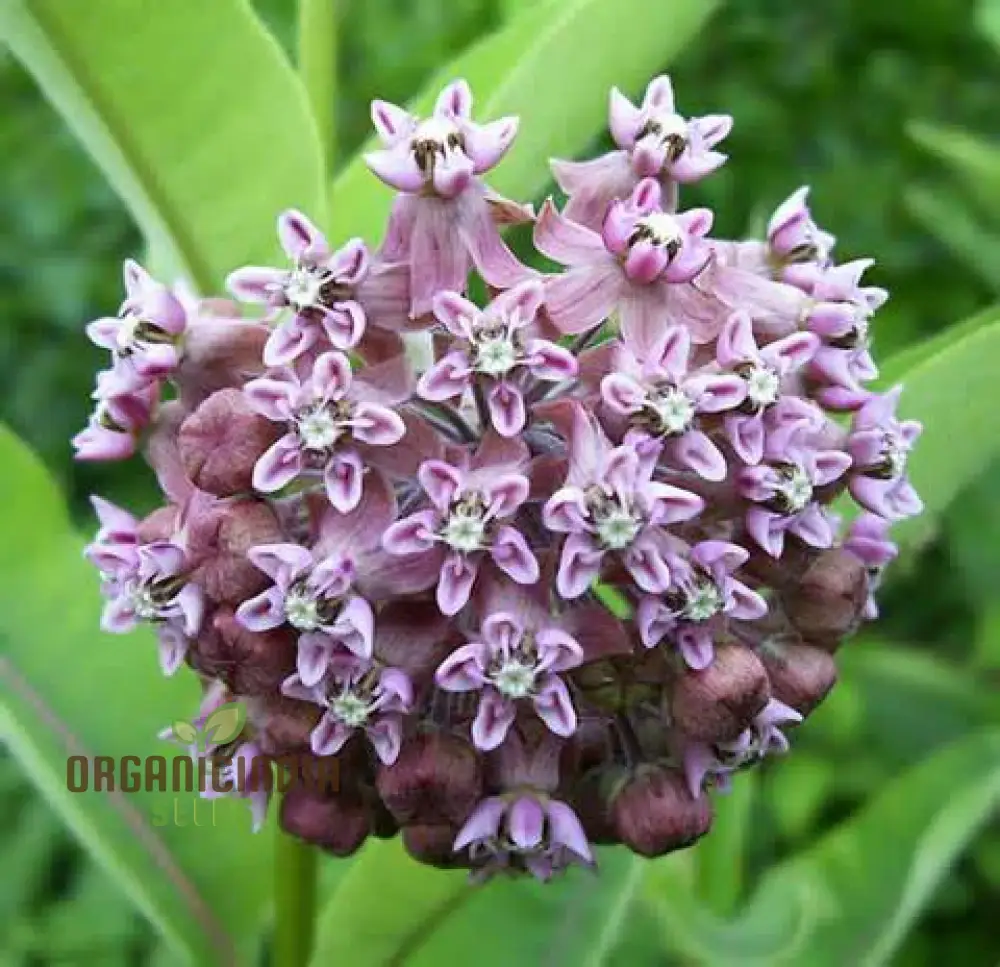
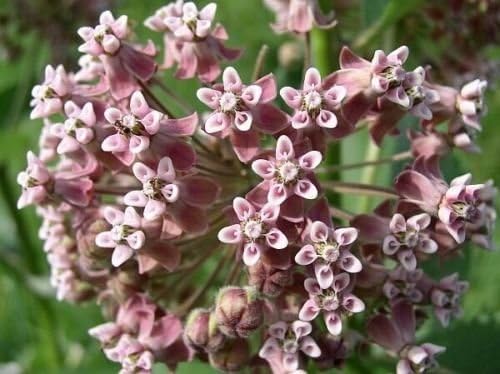
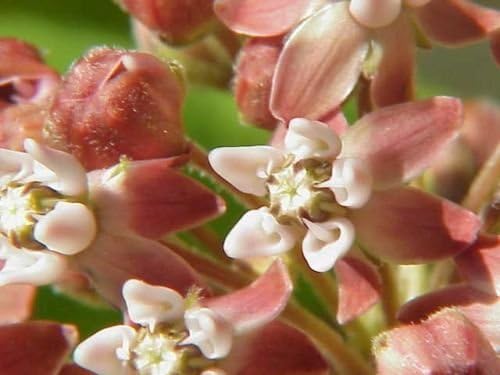
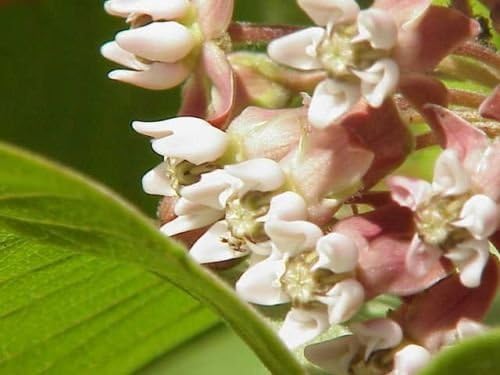
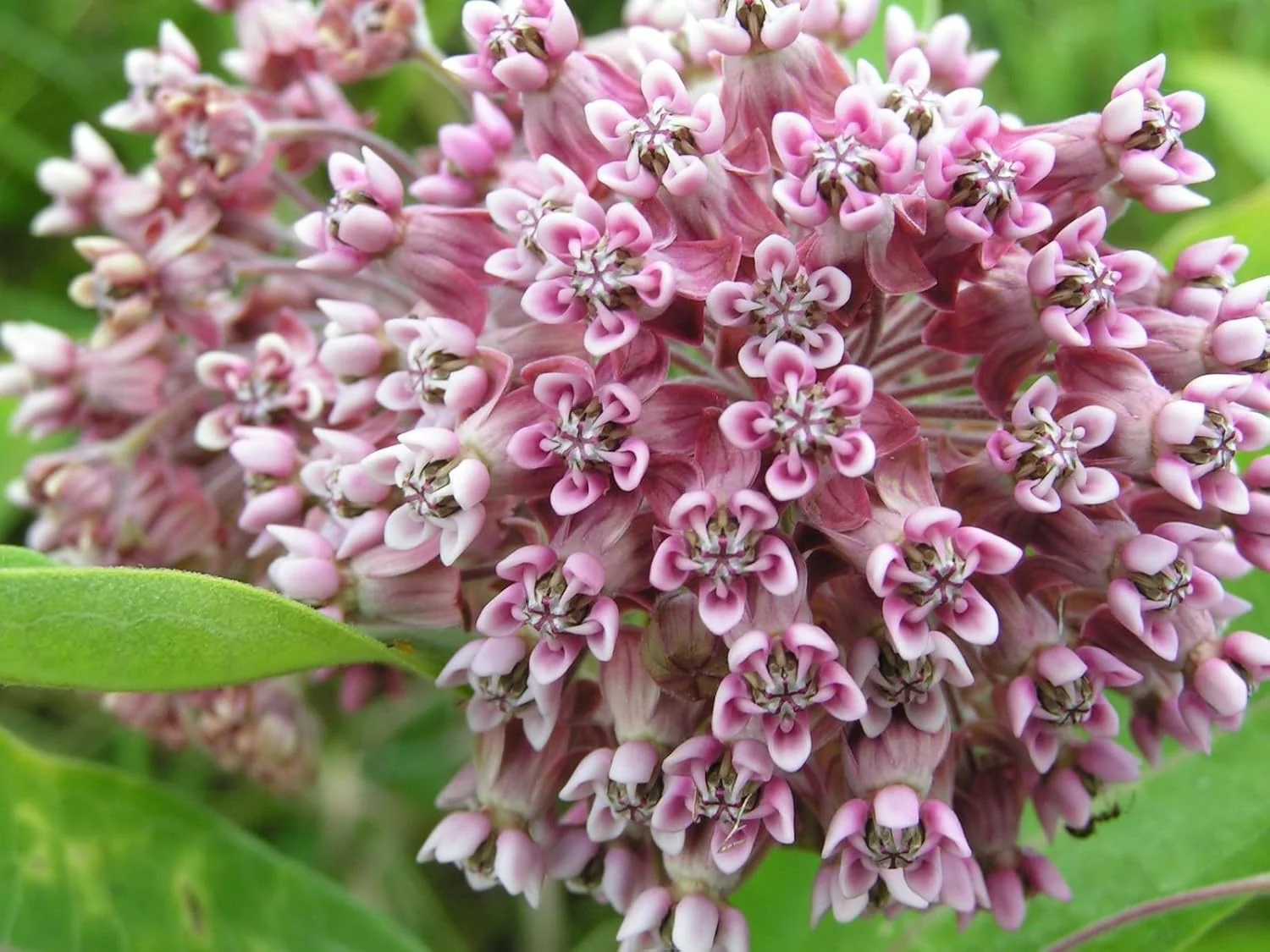
Bring native charm and ecological benefits to your garden with Common Milkweed Seeds (Asclepias syriaca). These perennial plants produce clusters of fragrant pink to mauve flowers that attract butterflies, bees, and other pollinators. Milkweed is essential for monarch butterflies as it serves as a larval host, making it an important addition for wildlife-friendly and pollinator gardens.
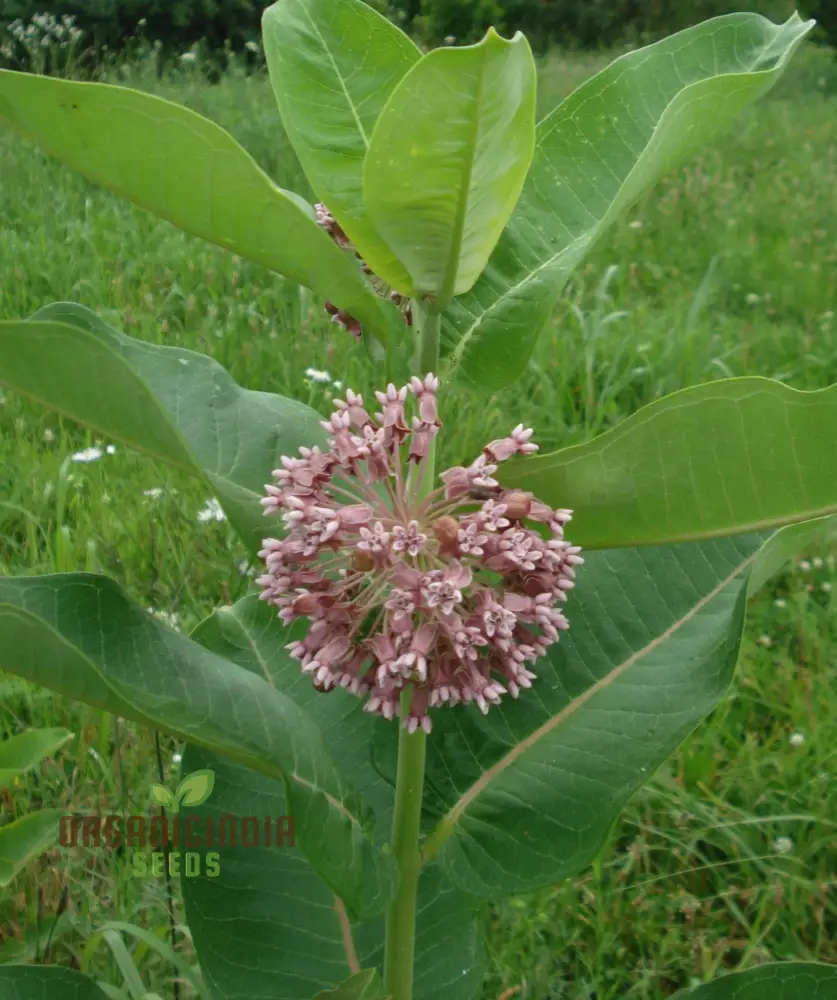
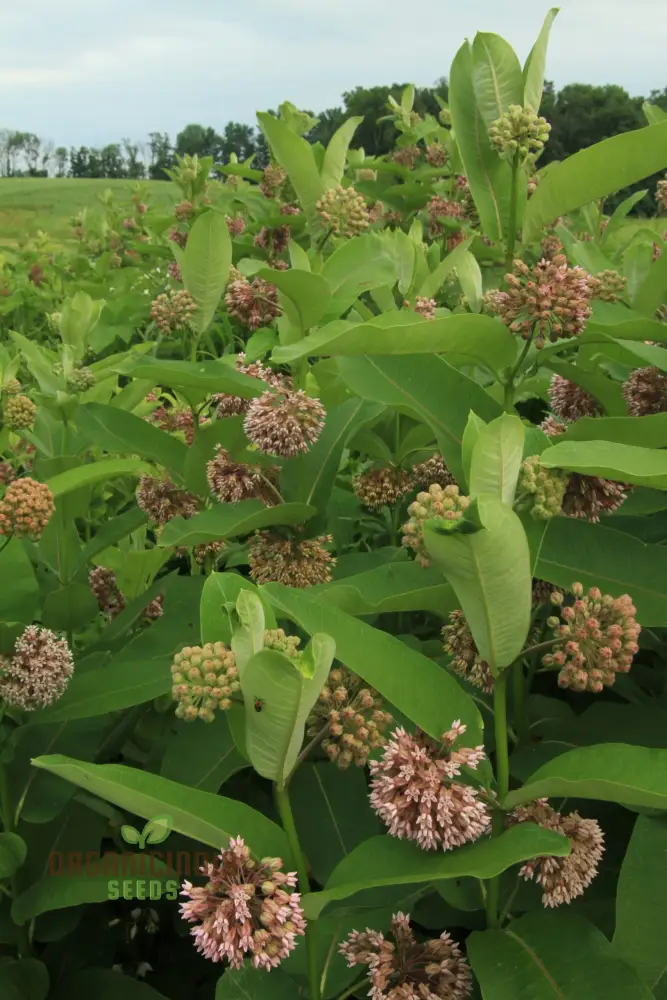
Easy to grow and resilient, Common Milkweed thrives in a variety of soils, making it ideal for gardeners who want a low-maintenance plant with high ecological value. Its tall, upright growth and vibrant blooms create an attractive focal point in borders, wildflower meadows, and native plant landscapes.
Key Features
-
Produces clusters of fragrant pink to mauve flowers
-
Attracts pollinators including butterflies and bees
-
Native perennial ideal for ecological gardening
-
High-quality, non-GMO seeds
-
Low-maintenance and drought-tolerant once established
-
Supports monarch butterfly conservation efforts
-
Suitable for borders, wildflower meadows, and native plant gardens
Specifications
Botanical Name: Asclepias syriaca
Common Name (US): Common Milkweed
Plant Type: Perennial
Seed Type: High-Quality, Non-GMO
Flower Color: Pink to Mauve
Bloom Season: Summer (June–August)
USDA Hardiness Zones: 3–9
Sun Exposure: Full Sun
Soil Requirements: Well-drained, sandy to loamy soil; tolerates poor soil
Plant Height: 3–5 feet
Spacing: 18–24 inches apart
Watering Needs: Moderate; drought-tolerant after establishment
Germination Time: 2–4 weeks (cold stratification recommended)
Temperature for Germination: 65–75°F
Growth Habit: Upright, clump-forming perennial
Uses: Pollinator gardens, wildlife habitats, wildflower meadows, borders
Special Notes: Cold stratification improves germination; cut back dead stalks in winter.
Planting Guide
1. Seed Preparation
-
Cold stratify seeds for 30–60 days in moist sand or peat before sowing.
-
Soak seeds in warm water for 24 hours to improve germination.
2. Sowing
-
Sow seeds ¼ inch deep in well-draining soil or seed trays.
-
Lightly cover with soil or vermiculite.
3. Light & Temperature
-
Germinate in full sun to partial shade.
-
Maintain soil temperature around 65–75°F.
4. Transplanting
-
Transplant seedlings outdoors after last frost.
-
Plant in full sun, spaced 18–24 inches apart.
5. Watering & Care
-
Water regularly until established.
-
Once mature, plants are drought-tolerant.
-
Mulch around base to retain soil moisture.
6. Blooming Timeline
-
Expect flowers 2 years after sowing (first year may produce foliage only).
-
Attracts monarch butterflies and other pollinators when blooming.
Benefits
-
Supports pollinator populations and biodiversity
-
Adds natural beauty to gardens and landscapes
-
Low-maintenance perennial with long-lasting blooms
-
Perfect for native plant gardens and wildlife-friendly spaces
Original: $16.99
-65%$16.99
$5.95More Images
Common Milkweed Seeds – Native Flower Variety for Pollinator Gardens
Bring native charm and ecological benefits to your garden with Common Milkweed Seeds (Asclepias syriaca). These perennial plants produce clusters of fragrant pink to mauve flowers that attract butterflies, bees, and other pollinators. Milkweed is essential for monarch butterflies as it serves as a larval host, making it an important addition for wildlife-friendly and pollinator gardens.
Easy to grow and resilient, Common Milkweed thrives in a variety of soils, making it ideal for gardeners who want a low-maintenance plant with high ecological value. Its tall, upright growth and vibrant blooms create an attractive focal point in borders, wildflower meadows, and native plant landscapes.
Key Features
-
Produces clusters of fragrant pink to mauve flowers
-
Attracts pollinators including butterflies and bees
-
Native perennial ideal for ecological gardening
-
High-quality, non-GMO seeds
-
Low-maintenance and drought-tolerant once established
-
Supports monarch butterfly conservation efforts
-
Suitable for borders, wildflower meadows, and native plant gardens
Specifications
Botanical Name: Asclepias syriaca
Common Name (US): Common Milkweed
Plant Type: Perennial
Seed Type: High-Quality, Non-GMO
Flower Color: Pink to Mauve
Bloom Season: Summer (June–August)
USDA Hardiness Zones: 3–9
Sun Exposure: Full Sun
Soil Requirements: Well-drained, sandy to loamy soil; tolerates poor soil
Plant Height: 3–5 feet
Spacing: 18–24 inches apart
Watering Needs: Moderate; drought-tolerant after establishment
Germination Time: 2–4 weeks (cold stratification recommended)
Temperature for Germination: 65–75°F
Growth Habit: Upright, clump-forming perennial
Uses: Pollinator gardens, wildlife habitats, wildflower meadows, borders
Special Notes: Cold stratification improves germination; cut back dead stalks in winter.
Planting Guide
1. Seed Preparation
-
Cold stratify seeds for 30–60 days in moist sand or peat before sowing.
-
Soak seeds in warm water for 24 hours to improve germination.
2. Sowing
-
Sow seeds ¼ inch deep in well-draining soil or seed trays.
-
Lightly cover with soil or vermiculite.
3. Light & Temperature
-
Germinate in full sun to partial shade.
-
Maintain soil temperature around 65–75°F.
4. Transplanting
-
Transplant seedlings outdoors after last frost.
-
Plant in full sun, spaced 18–24 inches apart.
5. Watering & Care
-
Water regularly until established.
-
Once mature, plants are drought-tolerant.
-
Mulch around base to retain soil moisture.
6. Blooming Timeline
-
Expect flowers 2 years after sowing (first year may produce foliage only).
-
Attracts monarch butterflies and other pollinators when blooming.
Benefits
-
Supports pollinator populations and biodiversity
-
Adds natural beauty to gardens and landscapes
-
Low-maintenance perennial with long-lasting blooms
-
Perfect for native plant gardens and wildlife-friendly spaces
Product Information
Product Information
Shipping & Returns
Shipping & Returns
Description
Bring native charm and ecological benefits to your garden with Common Milkweed Seeds (Asclepias syriaca). These perennial plants produce clusters of fragrant pink to mauve flowers that attract butterflies, bees, and other pollinators. Milkweed is essential for monarch butterflies as it serves as a larval host, making it an important addition for wildlife-friendly and pollinator gardens.
Easy to grow and resilient, Common Milkweed thrives in a variety of soils, making it ideal for gardeners who want a low-maintenance plant with high ecological value. Its tall, upright growth and vibrant blooms create an attractive focal point in borders, wildflower meadows, and native plant landscapes.
Key Features
-
Produces clusters of fragrant pink to mauve flowers
-
Attracts pollinators including butterflies and bees
-
Native perennial ideal for ecological gardening
-
High-quality, non-GMO seeds
-
Low-maintenance and drought-tolerant once established
-
Supports monarch butterfly conservation efforts
-
Suitable for borders, wildflower meadows, and native plant gardens
Specifications
Botanical Name: Asclepias syriaca
Common Name (US): Common Milkweed
Plant Type: Perennial
Seed Type: High-Quality, Non-GMO
Flower Color: Pink to Mauve
Bloom Season: Summer (June–August)
USDA Hardiness Zones: 3–9
Sun Exposure: Full Sun
Soil Requirements: Well-drained, sandy to loamy soil; tolerates poor soil
Plant Height: 3–5 feet
Spacing: 18–24 inches apart
Watering Needs: Moderate; drought-tolerant after establishment
Germination Time: 2–4 weeks (cold stratification recommended)
Temperature for Germination: 65–75°F
Growth Habit: Upright, clump-forming perennial
Uses: Pollinator gardens, wildlife habitats, wildflower meadows, borders
Special Notes: Cold stratification improves germination; cut back dead stalks in winter.
Planting Guide
1. Seed Preparation
-
Cold stratify seeds for 30–60 days in moist sand or peat before sowing.
-
Soak seeds in warm water for 24 hours to improve germination.
2. Sowing
-
Sow seeds ¼ inch deep in well-draining soil or seed trays.
-
Lightly cover with soil or vermiculite.
3. Light & Temperature
-
Germinate in full sun to partial shade.
-
Maintain soil temperature around 65–75°F.
4. Transplanting
-
Transplant seedlings outdoors after last frost.
-
Plant in full sun, spaced 18–24 inches apart.
5. Watering & Care
-
Water regularly until established.
-
Once mature, plants are drought-tolerant.
-
Mulch around base to retain soil moisture.
6. Blooming Timeline
-
Expect flowers 2 years after sowing (first year may produce foliage only).
-
Attracts monarch butterflies and other pollinators when blooming.
Benefits
-
Supports pollinator populations and biodiversity
-
Adds natural beauty to gardens and landscapes
-
Low-maintenance perennial with long-lasting blooms
-
Perfect for native plant gardens and wildlife-friendly spaces