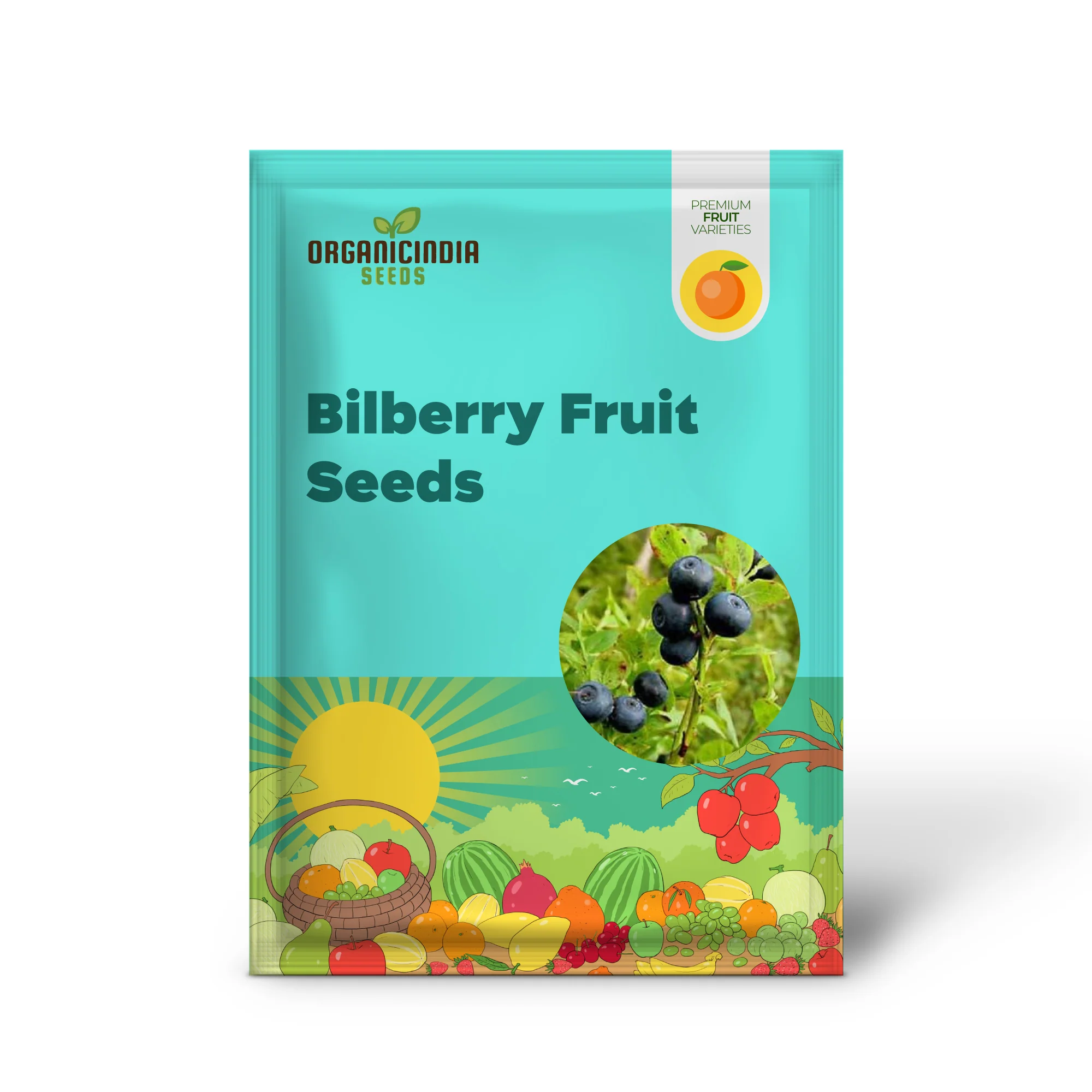
Common Bilberry Fruit Seeds
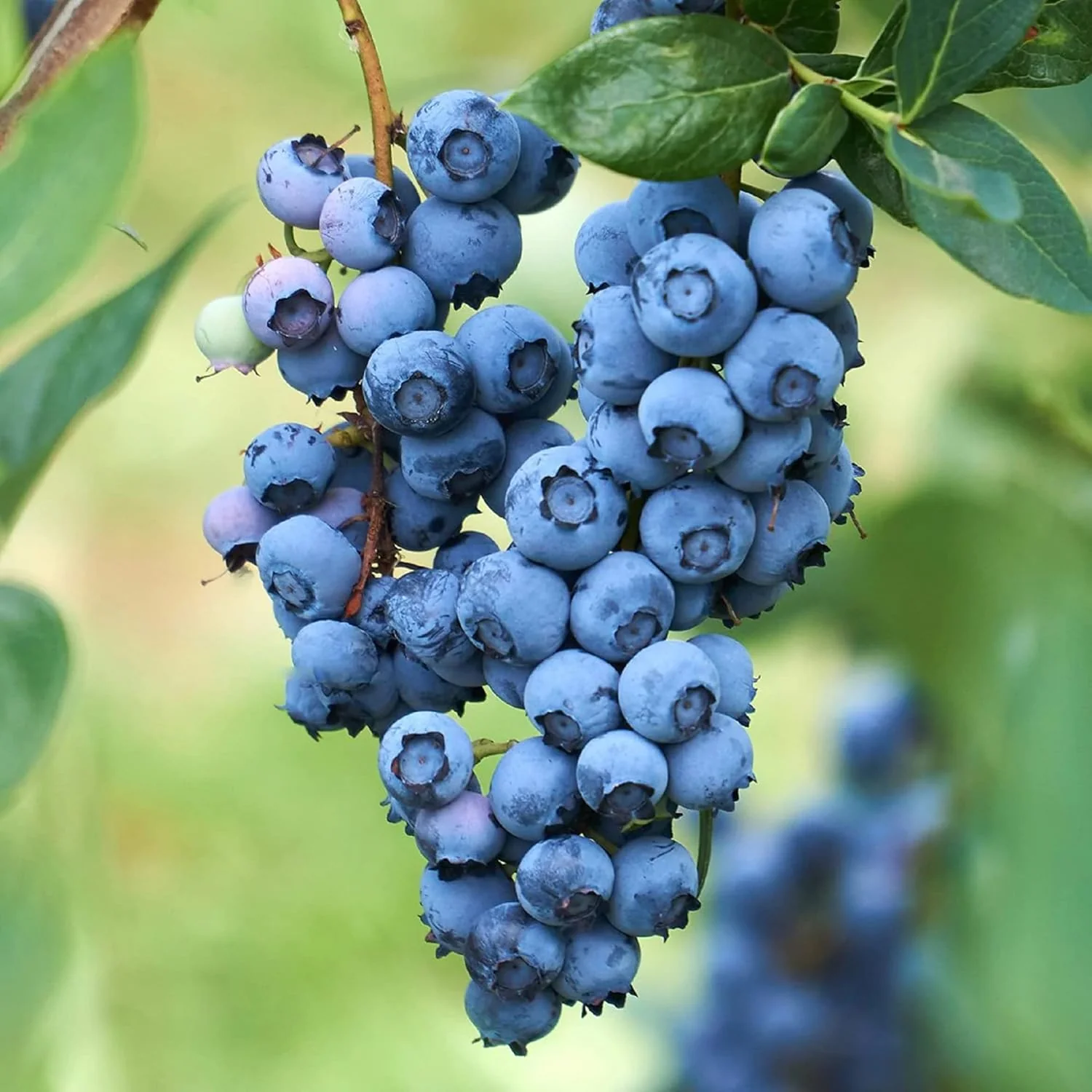
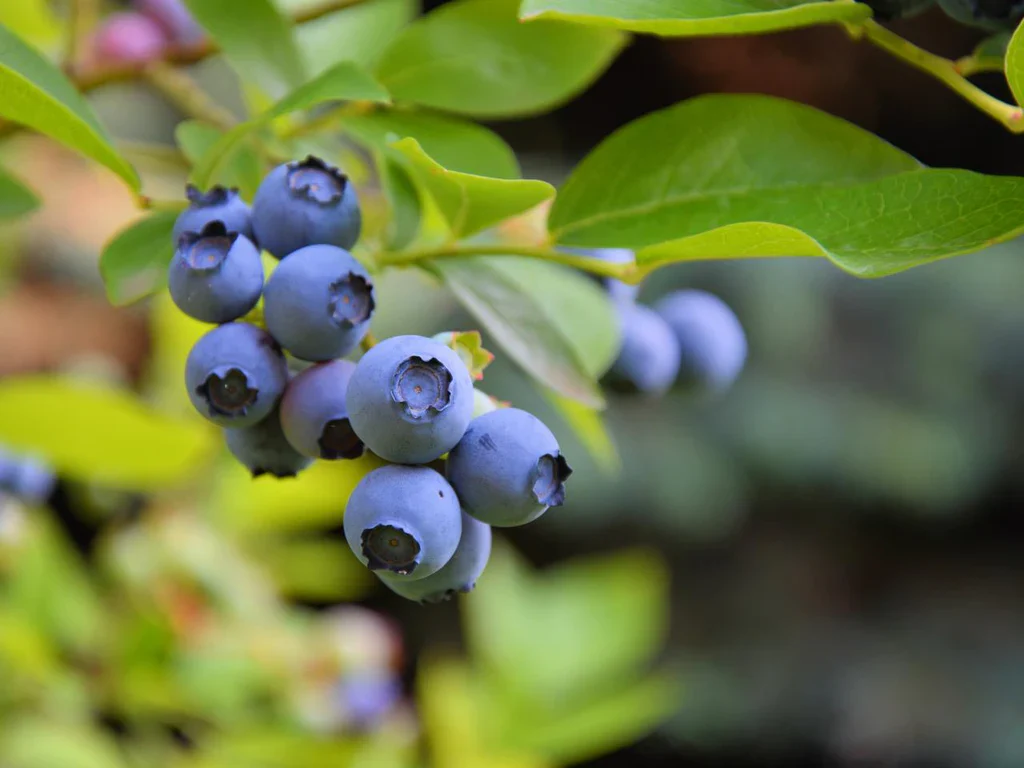
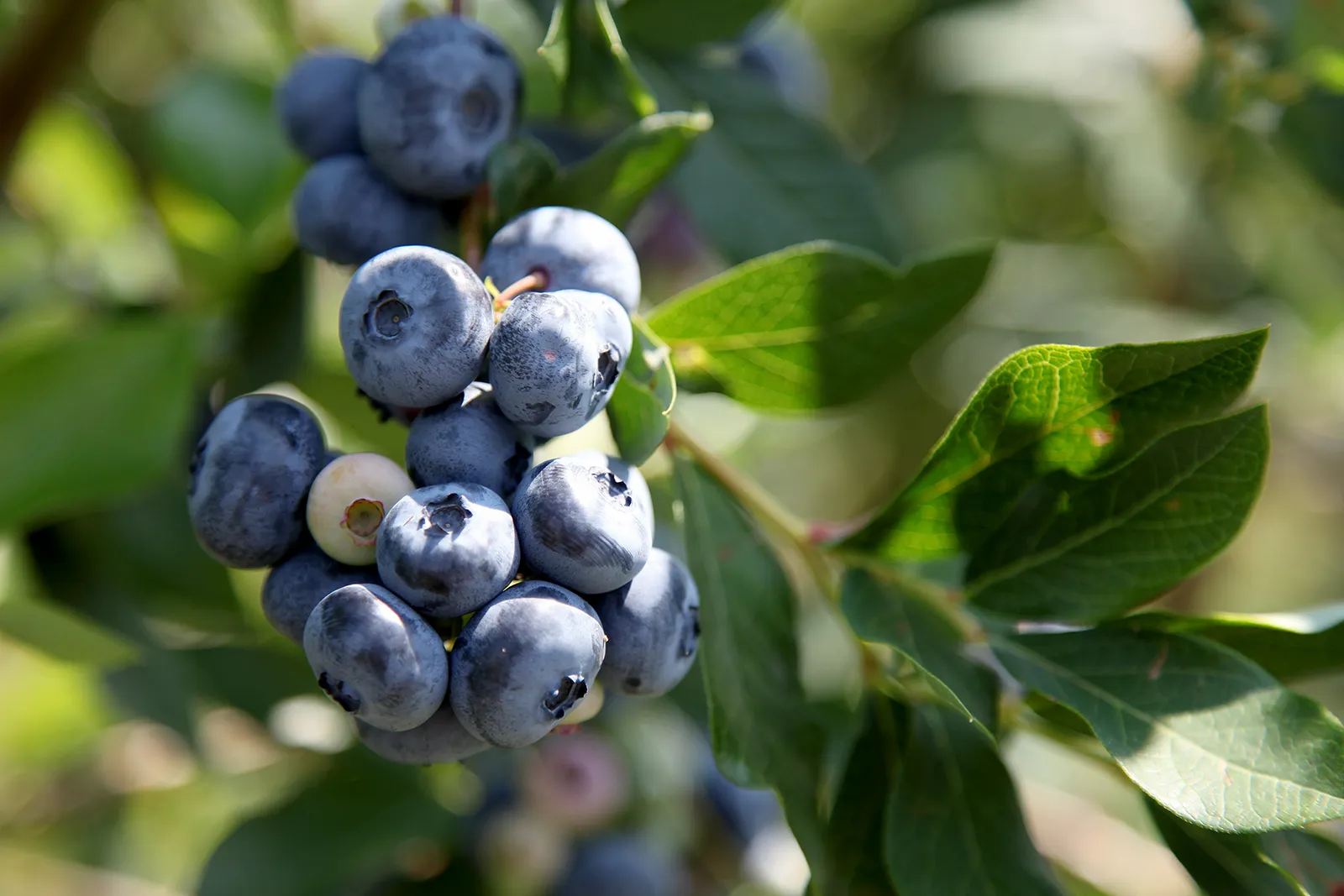
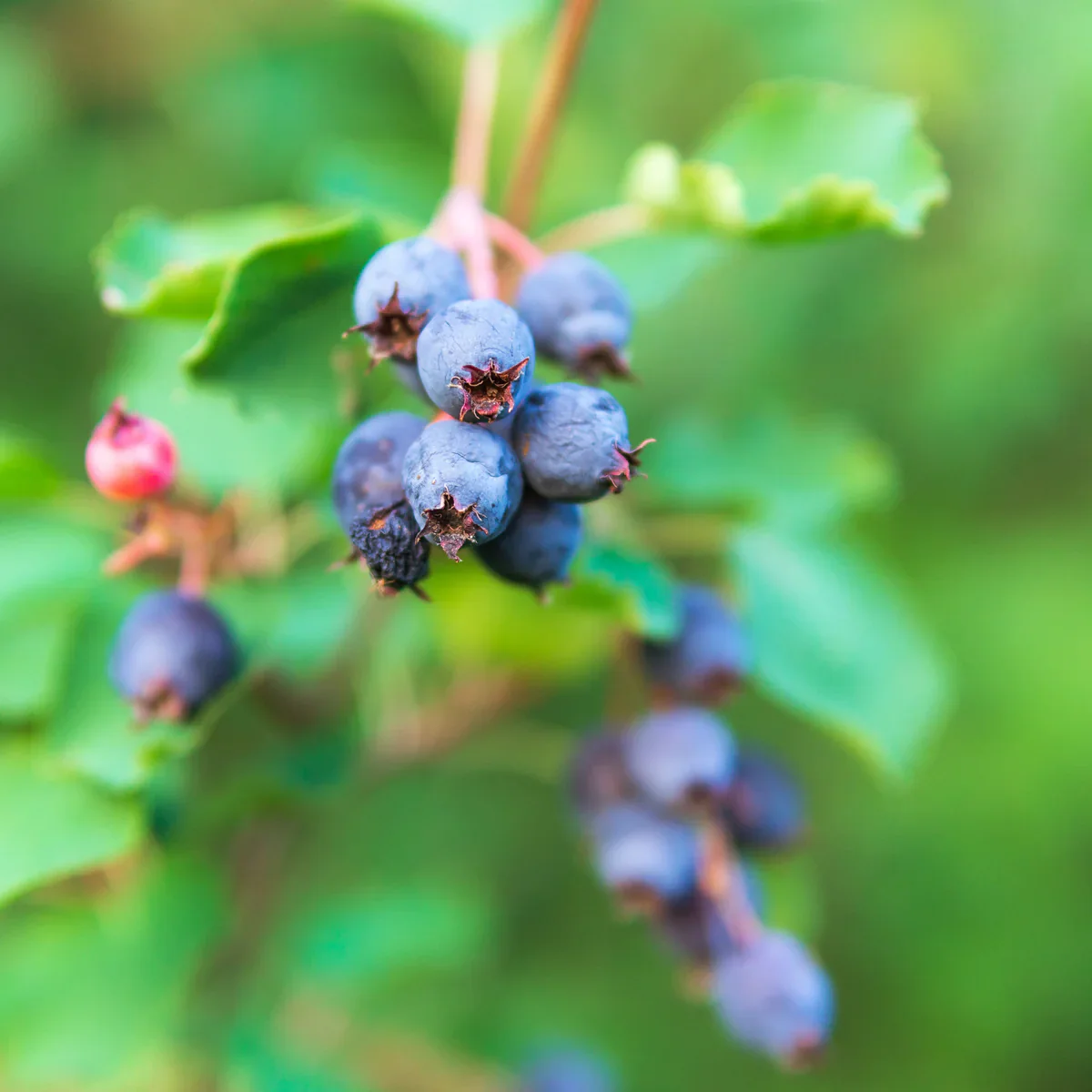
Experience the joy of growing your own Common Bilberry (Vaccinium myrtillus) — a hardy, wild European berry shrub known for its deep blue-purple fruits and rich nutritional value. Closely related to the blueberry, bilberries are prized for their intense flavor and health-boosting antioxidants. These low-growing shrubs thrive in cool climates and acidic soils, making them ideal for home gardeners looking to cultivate nutrient-dense berries for fresh use, baking, or natural health supplements.
Features
-
Rich, Tangy Flavor: Similar to blueberries but with a stronger, more complex taste.
-
Nutrient-Dense: Packed with antioxidants, vitamin C, and anthocyanins.
-
Cold-Hardy Shrub: Perfect for temperate and northern climates.
-
Wildlife Friendly: Attracts bees, butterflies, and birds.
-
Low Maintenance: Adaptable to poor, acidic soils and partial shade.
Specifications
-
Botanical Name: Vaccinium myrtillus
-
Common Name: Bilberry, European Blueberry, Whortleberry
-
Seed Type: Non-GMO Fruit Shrub Seeds
-
USDA Hardiness Zones: 3 – 8
-
Growth Habit: Deciduous, low-growing shrub
-
Mature Height: 6 – 18 inches (15 – 45 cm)
-
Spread: 1 – 2 feet (30 – 60 cm)
-
Sun Exposure: Partial shade to full sun
-
Soil Type: Well-drained, sandy or peaty, highly acidic soil (pH 4.0 – 5.5)
-
Watering Needs: Moderate; prefers consistent moisture
-
Germination Time: 30 – 60 days
-
Planting Depth: 1/8 inch (3 mm)
-
Planting Season: Late winter to spring (after cold stratification)
-
Temperature for Germination: 60 – 70 °F (16 – 21 °C)
-
Bloom Time: Late spring
-
Fruit Time: Mid to late summer
-
Pollination: Self-fertile; better yield with cross-pollination
-
Lifespan: 15 – 20 years
-
Uses: Fresh eating, jams, juices, herbal extracts, desserts, and wildlife habitat
Planting Guide
-
Cold-stratify seeds for 60–90 days in the refrigerator using moist peat or sand.
-
Sow seeds 1/8 inch deep in acidic, well-draining soil.
-
Keep the soil moist and provide indirect light or partial shade.
-
Once seedlings are large enough, transplant them outdoors in early spring.
-
Maintain consistent moisture and mulch with pine needles to retain acidity.
-
Avoid over-fertilizing; bilberries prefer low-nutrient soils.
Original: $16.99
-65%$16.99
$5.95More Images
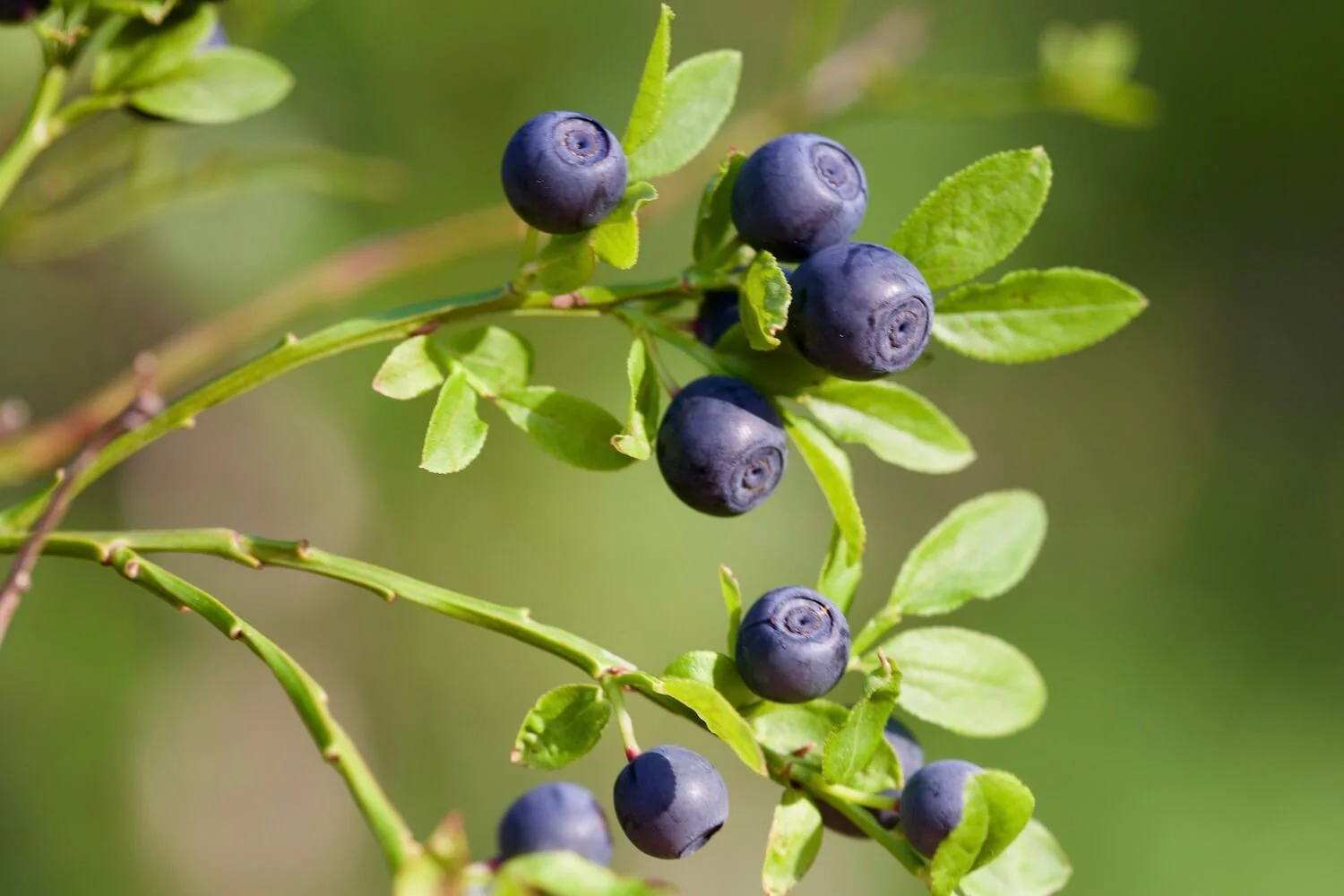
Common Bilberry Fruit Seeds
Experience the joy of growing your own Common Bilberry (Vaccinium myrtillus) — a hardy, wild European berry shrub known for its deep blue-purple fruits and rich nutritional value. Closely related to the blueberry, bilberries are prized for their intense flavor and health-boosting antioxidants. These low-growing shrubs thrive in cool climates and acidic soils, making them ideal for home gardeners looking to cultivate nutrient-dense berries for fresh use, baking, or natural health supplements.
Features
-
Rich, Tangy Flavor: Similar to blueberries but with a stronger, more complex taste.
-
Nutrient-Dense: Packed with antioxidants, vitamin C, and anthocyanins.
-
Cold-Hardy Shrub: Perfect for temperate and northern climates.
-
Wildlife Friendly: Attracts bees, butterflies, and birds.
-
Low Maintenance: Adaptable to poor, acidic soils and partial shade.
Specifications
-
Botanical Name: Vaccinium myrtillus
-
Common Name: Bilberry, European Blueberry, Whortleberry
-
Seed Type: Non-GMO Fruit Shrub Seeds
-
USDA Hardiness Zones: 3 – 8
-
Growth Habit: Deciduous, low-growing shrub
-
Mature Height: 6 – 18 inches (15 – 45 cm)
-
Spread: 1 – 2 feet (30 – 60 cm)
-
Sun Exposure: Partial shade to full sun
-
Soil Type: Well-drained, sandy or peaty, highly acidic soil (pH 4.0 – 5.5)
-
Watering Needs: Moderate; prefers consistent moisture
-
Germination Time: 30 – 60 days
-
Planting Depth: 1/8 inch (3 mm)
-
Planting Season: Late winter to spring (after cold stratification)
-
Temperature for Germination: 60 – 70 °F (16 – 21 °C)
-
Bloom Time: Late spring
-
Fruit Time: Mid to late summer
-
Pollination: Self-fertile; better yield with cross-pollination
-
Lifespan: 15 – 20 years
-
Uses: Fresh eating, jams, juices, herbal extracts, desserts, and wildlife habitat
Planting Guide
-
Cold-stratify seeds for 60–90 days in the refrigerator using moist peat or sand.
-
Sow seeds 1/8 inch deep in acidic, well-draining soil.
-
Keep the soil moist and provide indirect light or partial shade.
-
Once seedlings are large enough, transplant them outdoors in early spring.
-
Maintain consistent moisture and mulch with pine needles to retain acidity.
-
Avoid over-fertilizing; bilberries prefer low-nutrient soils.
Product Information
Product Information
Shipping & Returns
Shipping & Returns
Description
Experience the joy of growing your own Common Bilberry (Vaccinium myrtillus) — a hardy, wild European berry shrub known for its deep blue-purple fruits and rich nutritional value. Closely related to the blueberry, bilberries are prized for their intense flavor and health-boosting antioxidants. These low-growing shrubs thrive in cool climates and acidic soils, making them ideal for home gardeners looking to cultivate nutrient-dense berries for fresh use, baking, or natural health supplements.
Features
-
Rich, Tangy Flavor: Similar to blueberries but with a stronger, more complex taste.
-
Nutrient-Dense: Packed with antioxidants, vitamin C, and anthocyanins.
-
Cold-Hardy Shrub: Perfect for temperate and northern climates.
-
Wildlife Friendly: Attracts bees, butterflies, and birds.
-
Low Maintenance: Adaptable to poor, acidic soils and partial shade.
Specifications
-
Botanical Name: Vaccinium myrtillus
-
Common Name: Bilberry, European Blueberry, Whortleberry
-
Seed Type: Non-GMO Fruit Shrub Seeds
-
USDA Hardiness Zones: 3 – 8
-
Growth Habit: Deciduous, low-growing shrub
-
Mature Height: 6 – 18 inches (15 – 45 cm)
-
Spread: 1 – 2 feet (30 – 60 cm)
-
Sun Exposure: Partial shade to full sun
-
Soil Type: Well-drained, sandy or peaty, highly acidic soil (pH 4.0 – 5.5)
-
Watering Needs: Moderate; prefers consistent moisture
-
Germination Time: 30 – 60 days
-
Planting Depth: 1/8 inch (3 mm)
-
Planting Season: Late winter to spring (after cold stratification)
-
Temperature for Germination: 60 – 70 °F (16 – 21 °C)
-
Bloom Time: Late spring
-
Fruit Time: Mid to late summer
-
Pollination: Self-fertile; better yield with cross-pollination
-
Lifespan: 15 – 20 years
-
Uses: Fresh eating, jams, juices, herbal extracts, desserts, and wildlife habitat
Planting Guide
-
Cold-stratify seeds for 60–90 days in the refrigerator using moist peat or sand.
-
Sow seeds 1/8 inch deep in acidic, well-draining soil.
-
Keep the soil moist and provide indirect light or partial shade.
-
Once seedlings are large enough, transplant them outdoors in early spring.
-
Maintain consistent moisture and mulch with pine needles to retain acidity.
-
Avoid over-fertilizing; bilberries prefer low-nutrient soils.