Cleome/Spider Flower White Seeds for Planting, Growing Guide for Beautiful White Blooms
Cleome / Spider Flower White Seeds – Growing Guide for Beautiful White Blooms
Key Features
- Scientific Name: Cleome hassleriana
- Common Name: Cleome, Spider Flower
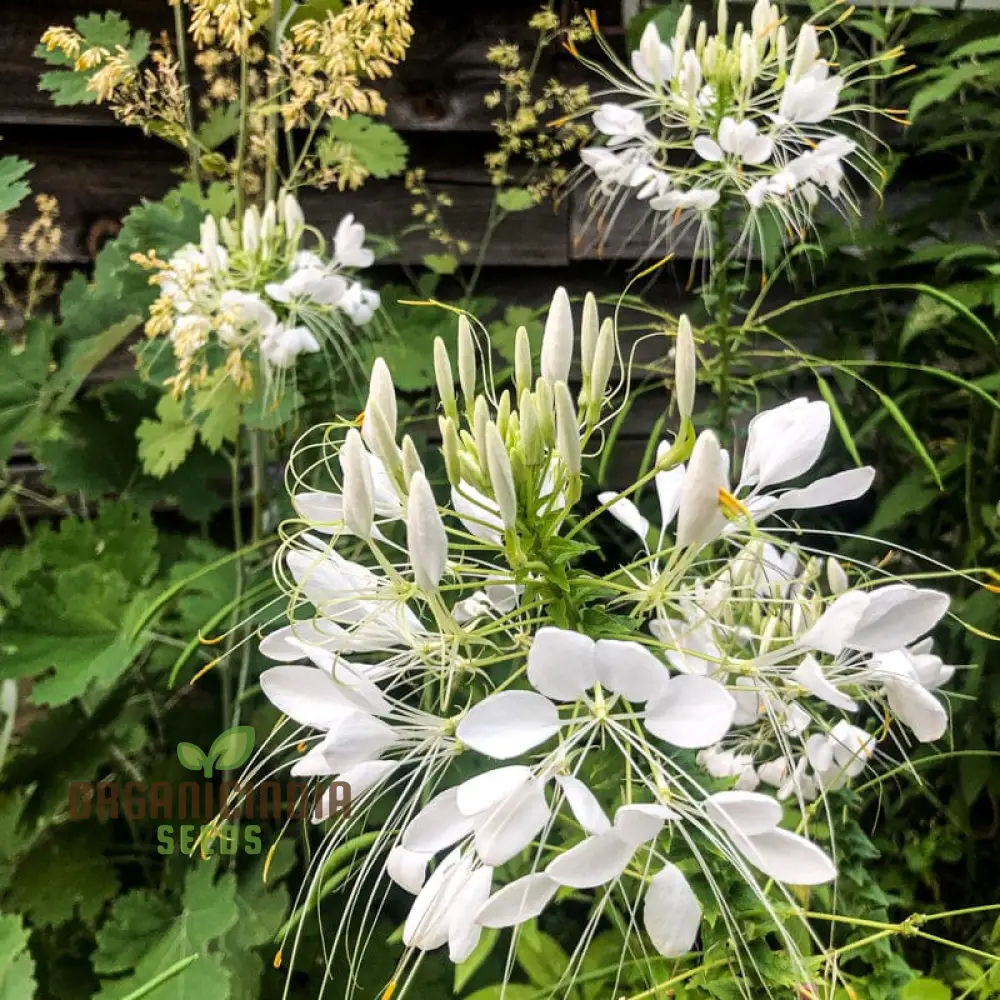
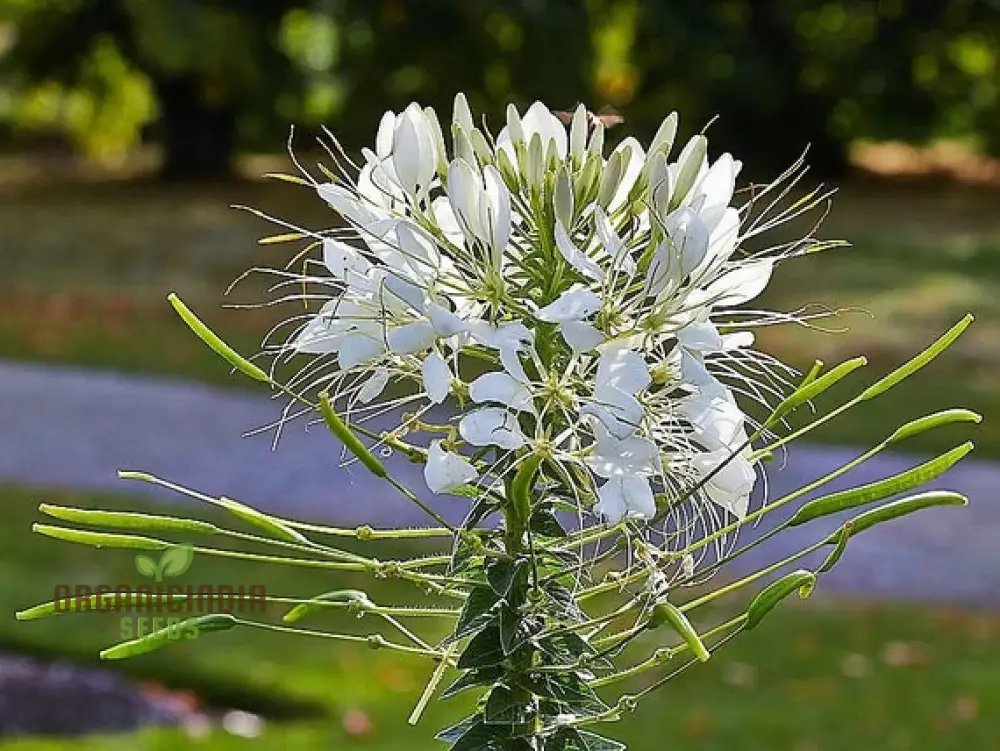
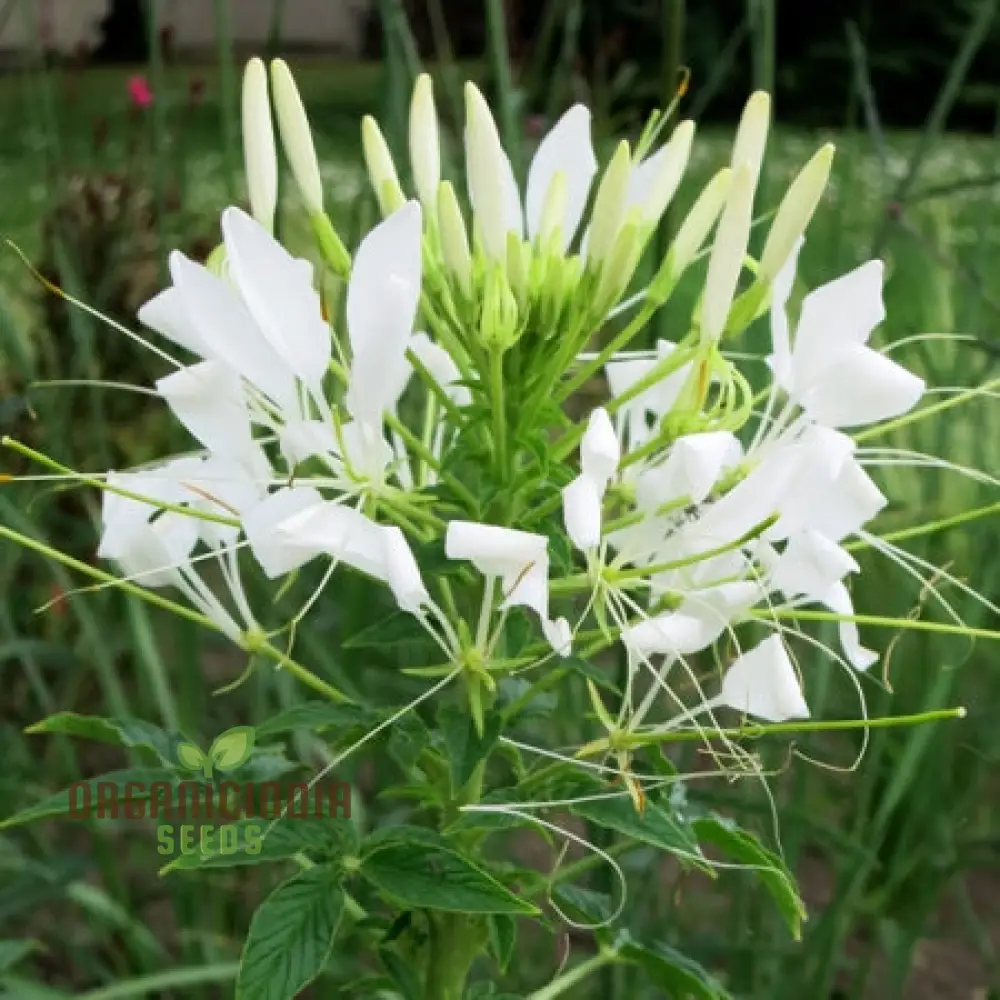
- Flower Color: Pure white, delicate blooms with long, elegant stamens resembling spider legs
- Growth Habit: Annual (perennial in warm climates)
- Height & Spread: Grows 3-5 feet tall with a spread of 1-2 feet
- Blooming Season: Summer to early fall
- Sun Requirements: Full sun (at least 6-8 hours of direct sunlight)
- Soil Type: Well-draining, moderately fertile soil
- Watering Needs: Moderate; prefers evenly moist soil but tolerates drought once established
- Hardiness Zones: USDA Zones 9-11 (grown as an annual in cooler climates)
Why Grow White Cleome / Spider Flowers?
- Elegant & Unique Blooms: Produces striking white flowers with long stamens, adding height and texture to gardens
- Pollinator-Friendly: Attracts bees, butterflies, and hummingbirds
- Low Maintenance: Drought-tolerant and easy to grow in various conditions
- Ideal for Garden Borders: Adds vertical interest and blends well with other flowers
- Self-Seeding: Can reseed naturally for continuous blooms year after year
Planting & Care Instructions
Seed Preparation & Sowing
-
Starting Indoors (Recommended for Early Blooms):
- Start seeds indoors 6-8 weeks before the last frost
- Use well-draining potting mix and sow seeds ¼ inch deep
- Keep soil moist and maintain temperatures around 65-75°F
- Germination occurs in 10-14 days
-
Direct Sowing Outdoors:
- Plant seeds outdoors after the last frost when the soil has warmed
- Choose a sunny location with well-draining soil
- Sow seeds directly in the garden, spacing them 12-18 inches apart
Transplanting & Growth
- Transplant seedlings when they have at least two sets of true leaves
- Space plants 12-18 inches apart to allow airflow and prevent disease
- Provide support if needed for taller plants in windy areas
Maintenance
- Watering: Water deeply once a week, allowing the soil to dry between watering
- Fertilization: Apply a balanced, all-purpose fertilizer every 3-4 weeks during the growing season
- Deadheading: Remove spent flowers to encourage continuous blooming
- Mulching: Apply organic mulch around the base to retain moisture and suppress weeds
Ideal For
- Garden Borders & Cottage Gardens
- Pollinator & Wildlife Gardens
- Cut Flower Arrangements
- Wildflower & Naturalized Landscapes
The White Cleome / Spider Flower is a striking and easy-to-grow plant that brings height, elegance, and movement to any garden. With its delicate yet bold blooms, it's perfect for pollinator-friendly spaces and low-maintenance landscapes.
Original: $16.99
-65%$16.99
$5.95More Images
Cleome/Spider Flower White Seeds for Planting, Growing Guide for Beautiful White Blooms
Cleome / Spider Flower White Seeds – Growing Guide for Beautiful White Blooms
Key Features
- Scientific Name: Cleome hassleriana
- Common Name: Cleome, Spider Flower
- Flower Color: Pure white, delicate blooms with long, elegant stamens resembling spider legs
- Growth Habit: Annual (perennial in warm climates)
- Height & Spread: Grows 3-5 feet tall with a spread of 1-2 feet
- Blooming Season: Summer to early fall
- Sun Requirements: Full sun (at least 6-8 hours of direct sunlight)
- Soil Type: Well-draining, moderately fertile soil
- Watering Needs: Moderate; prefers evenly moist soil but tolerates drought once established
- Hardiness Zones: USDA Zones 9-11 (grown as an annual in cooler climates)
Why Grow White Cleome / Spider Flowers?
- Elegant & Unique Blooms: Produces striking white flowers with long stamens, adding height and texture to gardens
- Pollinator-Friendly: Attracts bees, butterflies, and hummingbirds
- Low Maintenance: Drought-tolerant and easy to grow in various conditions
- Ideal for Garden Borders: Adds vertical interest and blends well with other flowers
- Self-Seeding: Can reseed naturally for continuous blooms year after year
Planting & Care Instructions
Seed Preparation & Sowing
-
Starting Indoors (Recommended for Early Blooms):
- Start seeds indoors 6-8 weeks before the last frost
- Use well-draining potting mix and sow seeds ¼ inch deep
- Keep soil moist and maintain temperatures around 65-75°F
- Germination occurs in 10-14 days
-
Direct Sowing Outdoors:
- Plant seeds outdoors after the last frost when the soil has warmed
- Choose a sunny location with well-draining soil
- Sow seeds directly in the garden, spacing them 12-18 inches apart
Transplanting & Growth
- Transplant seedlings when they have at least two sets of true leaves
- Space plants 12-18 inches apart to allow airflow and prevent disease
- Provide support if needed for taller plants in windy areas
Maintenance
- Watering: Water deeply once a week, allowing the soil to dry between watering
- Fertilization: Apply a balanced, all-purpose fertilizer every 3-4 weeks during the growing season
- Deadheading: Remove spent flowers to encourage continuous blooming
- Mulching: Apply organic mulch around the base to retain moisture and suppress weeds
Ideal For
- Garden Borders & Cottage Gardens
- Pollinator & Wildlife Gardens
- Cut Flower Arrangements
- Wildflower & Naturalized Landscapes
The White Cleome / Spider Flower is a striking and easy-to-grow plant that brings height, elegance, and movement to any garden. With its delicate yet bold blooms, it's perfect for pollinator-friendly spaces and low-maintenance landscapes.
Product Information
Product Information
Shipping & Returns
Shipping & Returns
Description
Cleome / Spider Flower White Seeds – Growing Guide for Beautiful White Blooms
Key Features
- Scientific Name: Cleome hassleriana
- Common Name: Cleome, Spider Flower
- Flower Color: Pure white, delicate blooms with long, elegant stamens resembling spider legs
- Growth Habit: Annual (perennial in warm climates)
- Height & Spread: Grows 3-5 feet tall with a spread of 1-2 feet
- Blooming Season: Summer to early fall
- Sun Requirements: Full sun (at least 6-8 hours of direct sunlight)
- Soil Type: Well-draining, moderately fertile soil
- Watering Needs: Moderate; prefers evenly moist soil but tolerates drought once established
- Hardiness Zones: USDA Zones 9-11 (grown as an annual in cooler climates)
Why Grow White Cleome / Spider Flowers?
- Elegant & Unique Blooms: Produces striking white flowers with long stamens, adding height and texture to gardens
- Pollinator-Friendly: Attracts bees, butterflies, and hummingbirds
- Low Maintenance: Drought-tolerant and easy to grow in various conditions
- Ideal for Garden Borders: Adds vertical interest and blends well with other flowers
- Self-Seeding: Can reseed naturally for continuous blooms year after year
Planting & Care Instructions
Seed Preparation & Sowing
-
Starting Indoors (Recommended for Early Blooms):
- Start seeds indoors 6-8 weeks before the last frost
- Use well-draining potting mix and sow seeds ¼ inch deep
- Keep soil moist and maintain temperatures around 65-75°F
- Germination occurs in 10-14 days
-
Direct Sowing Outdoors:
- Plant seeds outdoors after the last frost when the soil has warmed
- Choose a sunny location with well-draining soil
- Sow seeds directly in the garden, spacing them 12-18 inches apart
Transplanting & Growth
- Transplant seedlings when they have at least two sets of true leaves
- Space plants 12-18 inches apart to allow airflow and prevent disease
- Provide support if needed for taller plants in windy areas
Maintenance
- Watering: Water deeply once a week, allowing the soil to dry between watering
- Fertilization: Apply a balanced, all-purpose fertilizer every 3-4 weeks during the growing season
- Deadheading: Remove spent flowers to encourage continuous blooming
- Mulching: Apply organic mulch around the base to retain moisture and suppress weeds
Ideal For
- Garden Borders & Cottage Gardens
- Pollinator & Wildlife Gardens
- Cut Flower Arrangements
- Wildflower & Naturalized Landscapes
The White Cleome / Spider Flower is a striking and easy-to-grow plant that brings height, elegance, and movement to any garden. With its delicate yet bold blooms, it's perfect for pollinator-friendly spaces and low-maintenance landscapes.