Carnation Seeds – Dianthus Caryophyllus (100 pcs)
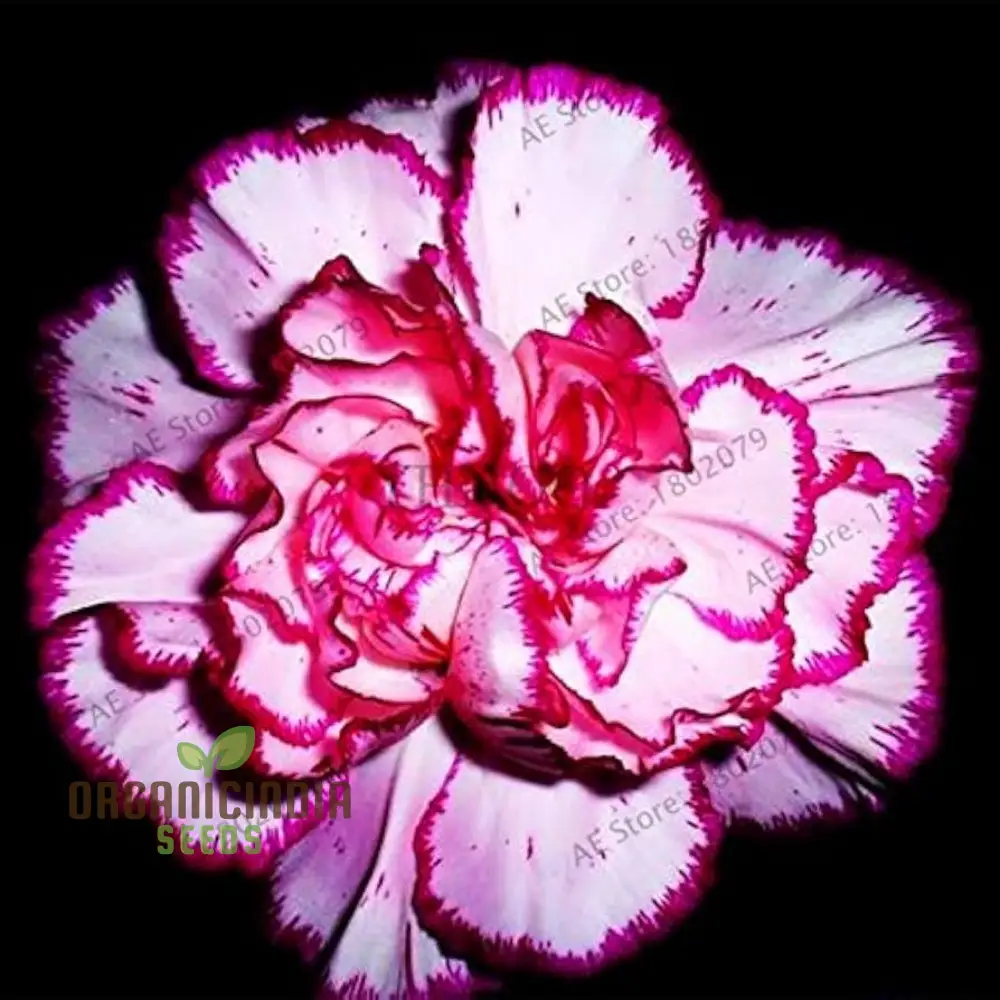
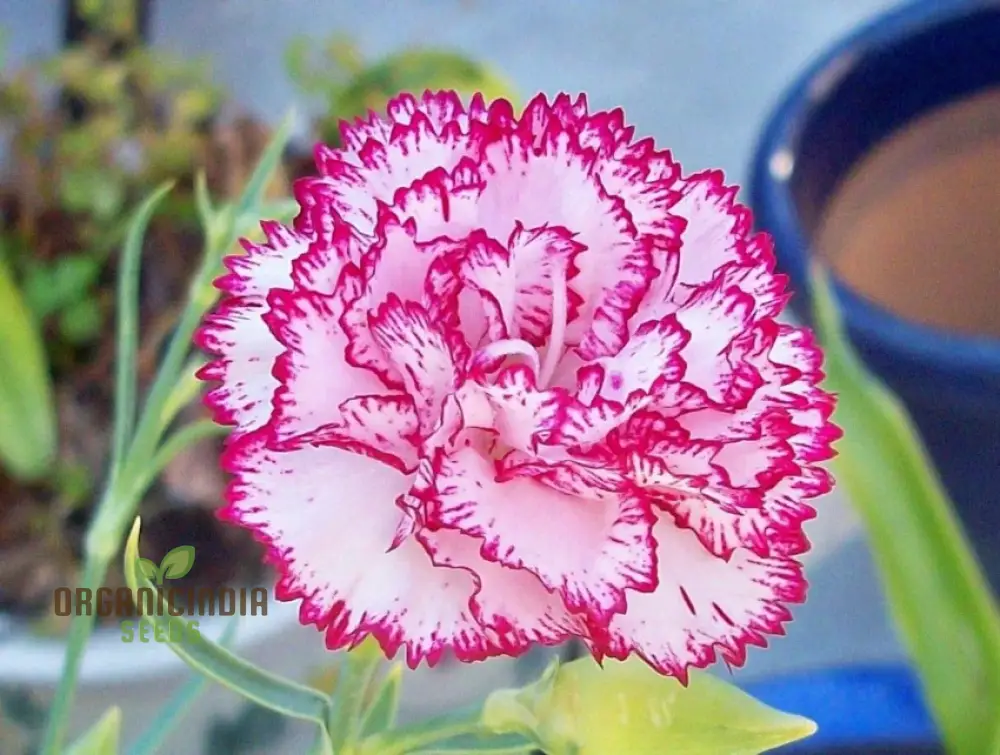
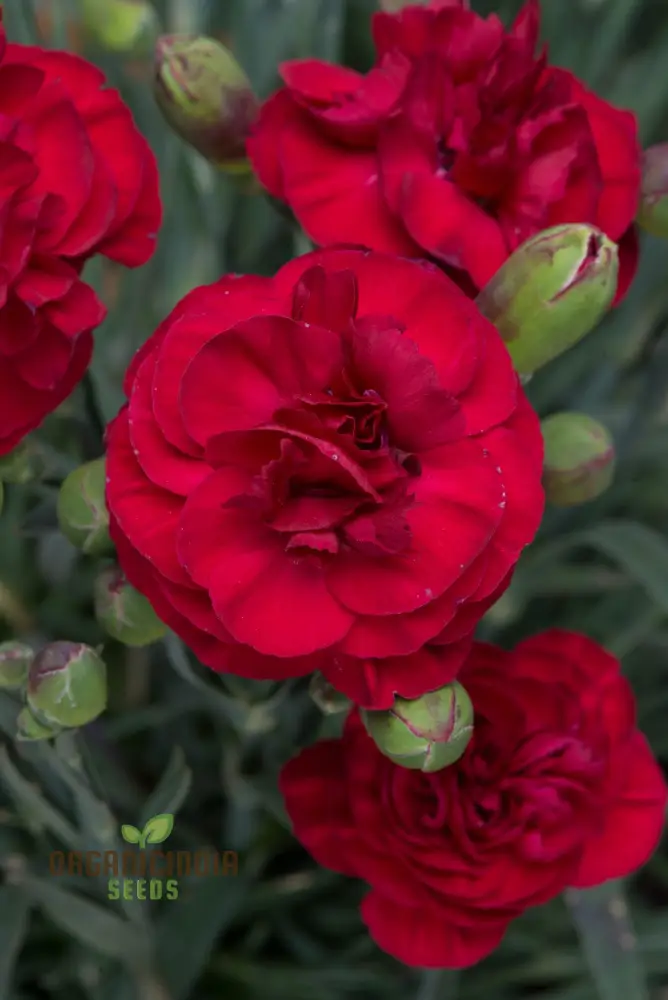
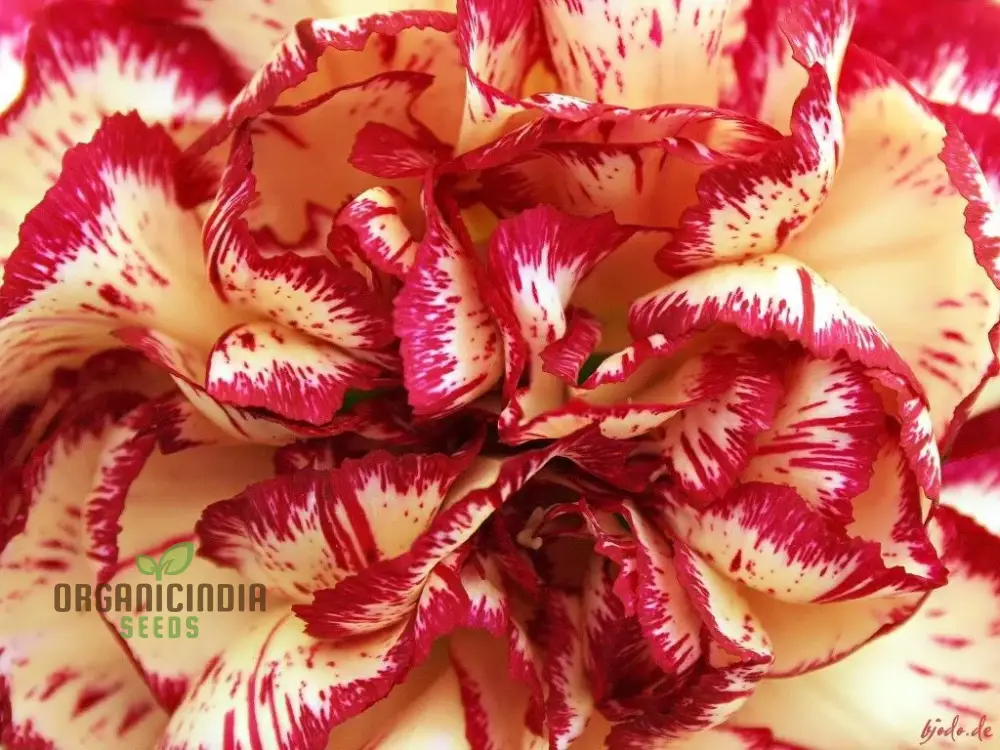
Carnation Seeds – Dianthus Caryophyllus (100 pcs) offer a wonderful opportunity to grow the classic and fragrant carnations known for their beautiful, frilled blooms and vibrant colors. These plants are often prized for their long-lasting flowers, which are commonly used in floral arrangements and garden displays. The Dianthus caryophyllus variety of carnations provides a mix of colors, ranging from whites and pinks to deep reds, perfect for adding color and elegance to your garden.
Key Features:
- Scientific Name: Dianthus caryophyllus
- Common Name: Carnation
- Bloom Color: Wide range, including white, pink, red, purple, and bi-color variations
- Plant Type: Perennial (often grown as an annual in colder climates)
- Sun Requirements: Full sun
- Soil Type: Well-draining, fertile soil
- Watering Needs: Moderate; prefers evenly moist soil
- Growth Habit: Bushy, compact plants with a strong fragrance
- Height & Spread: Typically grows 12-24 inches tall, with a spread of 12-18 inches
- Hardiness Zones: USDA Zones 3-9 (grows as an annual in cooler climates)
Why Grow Carnation Seeds?
- Fragrant Blooms: Carnations are renowned for their delightful, sweet fragrance, making them a favorite in both gardens and floral arrangements.
- Color Variety: With a wide range of color options, from soft pastels to bright reds and purples, these carnations can complement any garden design or flower display.
- Long-Lasting Flowers: Carnations produce long-lasting flowers, making them ideal for cut flower arrangements, bouquets, and table decorations.
- Attracts Pollinators: These flowers attract bees and butterflies, helping to support a healthy and diverse garden ecosystem.
- Low Maintenance: Once established, carnations are easy to care for, making them an excellent choice for both beginner and experienced gardeners.
Planting & Care Instructions:
-
Seed Preparation & Sowing:
- Starting Indoors: Start seeds indoors 6-8 weeks before the last expected frost. Sow seeds on the surface of a moist, well-draining seed-starting mix, lightly pressing them in without covering. Keep the seeds in a warm location (around 65-70°F or 18-21°C).
- Germination: Germination typically occurs within 7-14 days. Once seedlings are large enough to handle, transplant them into individual pots.
- Direct Sowing Outdoors: After the danger of frost has passed, sow seeds directly in the garden. Choose a sunny location with well-draining soil. Press the seeds lightly into the soil but do not cover them, as they need light to germinate.
-
Transplanting & Growth:
- Transplanting: Once seedlings have developed a few sets of leaves, transplant them into their final location in the garden or into containers. Space plants 12-18 inches apart to allow for proper air circulation and growth.
- Sunlight: Carnations thrive in full sun, so ensure they receive at least 6 hours of direct sunlight daily for optimal flowering.
- Soil: They prefer well-draining, fertile soil with a slightly acidic to neutral pH. Improve soil drainage with organic matter like compost or peat moss.
-
Maintenance:
- Watering: Keep the soil consistently moist but not waterlogged. Water the plants at the base to prevent wetting the foliage, which can lead to fungal diseases.
- Fertilization: Apply a balanced, water-soluble fertilizer every 4-6 weeks during the growing season to promote healthy growth and vibrant blooms.
- Deadheading: Remove spent flowers regularly to encourage more blooms and keep the plants looking tidy.
- Pruning: Trim back any dead or damaged foliage to maintain the plant’s appearance and encourage new growth.
-
Winter Care:
- Cold Climates: In colder regions, treat carnations as annuals or bring them indoors before the first frost if they are in containers. In USDA Zones 3-9, they may be able to survive the winter with some protection, such as mulching around the base of the plant.
- Mild Climates: In milder climates, carnations can be grown as perennials and may come back year after year with proper care and protection.
Ideal For:
- Flower Beds & Borders: Carnations make excellent additions to flower beds and garden borders, where their colorful blooms can stand out.
- Containers & Hanging Baskets: They work well in containers, hanging baskets, and window boxes, adding beauty to patios, balconies, or porches.
- Cut Flower Gardens: Perfect for a cut flower garden, where their long-lasting blooms can be harvested and enjoyed indoors in vases or bouquets.
- Pollinator Gardens: These flowers attract bees and butterflies, making them a great addition to pollinator-friendly gardens.
Carnation Seeds – Dianthus Caryophyllus (100 pcs) are a fantastic choice for gardeners looking to add fragrance, color, and elegance to their outdoor or indoor spaces. With their stunning, long-lasting blooms and lovely scent, carnations will make a beautiful addition to any garden or floral arrangement. Whether you're growing them for cut flowers or simply enjoying their beauty in your garden, these seeds offer an easy way to cultivate a classic and cherished plant.
Original: $16.99
-65%$16.99
$5.95More Images
Carnation Seeds – Dianthus Caryophyllus (100 pcs)
Carnation Seeds – Dianthus Caryophyllus (100 pcs) offer a wonderful opportunity to grow the classic and fragrant carnations known for their beautiful, frilled blooms and vibrant colors. These plants are often prized for their long-lasting flowers, which are commonly used in floral arrangements and garden displays. The Dianthus caryophyllus variety of carnations provides a mix of colors, ranging from whites and pinks to deep reds, perfect for adding color and elegance to your garden.
Key Features:
- Scientific Name: Dianthus caryophyllus
- Common Name: Carnation
- Bloom Color: Wide range, including white, pink, red, purple, and bi-color variations
- Plant Type: Perennial (often grown as an annual in colder climates)
- Sun Requirements: Full sun
- Soil Type: Well-draining, fertile soil
- Watering Needs: Moderate; prefers evenly moist soil
- Growth Habit: Bushy, compact plants with a strong fragrance
- Height & Spread: Typically grows 12-24 inches tall, with a spread of 12-18 inches
- Hardiness Zones: USDA Zones 3-9 (grows as an annual in cooler climates)
Why Grow Carnation Seeds?
- Fragrant Blooms: Carnations are renowned for their delightful, sweet fragrance, making them a favorite in both gardens and floral arrangements.
- Color Variety: With a wide range of color options, from soft pastels to bright reds and purples, these carnations can complement any garden design or flower display.
- Long-Lasting Flowers: Carnations produce long-lasting flowers, making them ideal for cut flower arrangements, bouquets, and table decorations.
- Attracts Pollinators: These flowers attract bees and butterflies, helping to support a healthy and diverse garden ecosystem.
- Low Maintenance: Once established, carnations are easy to care for, making them an excellent choice for both beginner and experienced gardeners.
Planting & Care Instructions:
-
Seed Preparation & Sowing:
- Starting Indoors: Start seeds indoors 6-8 weeks before the last expected frost. Sow seeds on the surface of a moist, well-draining seed-starting mix, lightly pressing them in without covering. Keep the seeds in a warm location (around 65-70°F or 18-21°C).
- Germination: Germination typically occurs within 7-14 days. Once seedlings are large enough to handle, transplant them into individual pots.
- Direct Sowing Outdoors: After the danger of frost has passed, sow seeds directly in the garden. Choose a sunny location with well-draining soil. Press the seeds lightly into the soil but do not cover them, as they need light to germinate.
-
Transplanting & Growth:
- Transplanting: Once seedlings have developed a few sets of leaves, transplant them into their final location in the garden or into containers. Space plants 12-18 inches apart to allow for proper air circulation and growth.
- Sunlight: Carnations thrive in full sun, so ensure they receive at least 6 hours of direct sunlight daily for optimal flowering.
- Soil: They prefer well-draining, fertile soil with a slightly acidic to neutral pH. Improve soil drainage with organic matter like compost or peat moss.
-
Maintenance:
- Watering: Keep the soil consistently moist but not waterlogged. Water the plants at the base to prevent wetting the foliage, which can lead to fungal diseases.
- Fertilization: Apply a balanced, water-soluble fertilizer every 4-6 weeks during the growing season to promote healthy growth and vibrant blooms.
- Deadheading: Remove spent flowers regularly to encourage more blooms and keep the plants looking tidy.
- Pruning: Trim back any dead or damaged foliage to maintain the plant’s appearance and encourage new growth.
-
Winter Care:
- Cold Climates: In colder regions, treat carnations as annuals or bring them indoors before the first frost if they are in containers. In USDA Zones 3-9, they may be able to survive the winter with some protection, such as mulching around the base of the plant.
- Mild Climates: In milder climates, carnations can be grown as perennials and may come back year after year with proper care and protection.
Ideal For:
- Flower Beds & Borders: Carnations make excellent additions to flower beds and garden borders, where their colorful blooms can stand out.
- Containers & Hanging Baskets: They work well in containers, hanging baskets, and window boxes, adding beauty to patios, balconies, or porches.
- Cut Flower Gardens: Perfect for a cut flower garden, where their long-lasting blooms can be harvested and enjoyed indoors in vases or bouquets.
- Pollinator Gardens: These flowers attract bees and butterflies, making them a great addition to pollinator-friendly gardens.
Carnation Seeds – Dianthus Caryophyllus (100 pcs) are a fantastic choice for gardeners looking to add fragrance, color, and elegance to their outdoor or indoor spaces. With their stunning, long-lasting blooms and lovely scent, carnations will make a beautiful addition to any garden or floral arrangement. Whether you're growing them for cut flowers or simply enjoying their beauty in your garden, these seeds offer an easy way to cultivate a classic and cherished plant.
Product Information
Product Information
Shipping & Returns
Shipping & Returns
Description
Carnation Seeds – Dianthus Caryophyllus (100 pcs) offer a wonderful opportunity to grow the classic and fragrant carnations known for their beautiful, frilled blooms and vibrant colors. These plants are often prized for their long-lasting flowers, which are commonly used in floral arrangements and garden displays. The Dianthus caryophyllus variety of carnations provides a mix of colors, ranging from whites and pinks to deep reds, perfect for adding color and elegance to your garden.
Key Features:
- Scientific Name: Dianthus caryophyllus
- Common Name: Carnation
- Bloom Color: Wide range, including white, pink, red, purple, and bi-color variations
- Plant Type: Perennial (often grown as an annual in colder climates)
- Sun Requirements: Full sun
- Soil Type: Well-draining, fertile soil
- Watering Needs: Moderate; prefers evenly moist soil
- Growth Habit: Bushy, compact plants with a strong fragrance
- Height & Spread: Typically grows 12-24 inches tall, with a spread of 12-18 inches
- Hardiness Zones: USDA Zones 3-9 (grows as an annual in cooler climates)
Why Grow Carnation Seeds?
- Fragrant Blooms: Carnations are renowned for their delightful, sweet fragrance, making them a favorite in both gardens and floral arrangements.
- Color Variety: With a wide range of color options, from soft pastels to bright reds and purples, these carnations can complement any garden design or flower display.
- Long-Lasting Flowers: Carnations produce long-lasting flowers, making them ideal for cut flower arrangements, bouquets, and table decorations.
- Attracts Pollinators: These flowers attract bees and butterflies, helping to support a healthy and diverse garden ecosystem.
- Low Maintenance: Once established, carnations are easy to care for, making them an excellent choice for both beginner and experienced gardeners.
Planting & Care Instructions:
-
Seed Preparation & Sowing:
- Starting Indoors: Start seeds indoors 6-8 weeks before the last expected frost. Sow seeds on the surface of a moist, well-draining seed-starting mix, lightly pressing them in without covering. Keep the seeds in a warm location (around 65-70°F or 18-21°C).
- Germination: Germination typically occurs within 7-14 days. Once seedlings are large enough to handle, transplant them into individual pots.
- Direct Sowing Outdoors: After the danger of frost has passed, sow seeds directly in the garden. Choose a sunny location with well-draining soil. Press the seeds lightly into the soil but do not cover them, as they need light to germinate.
-
Transplanting & Growth:
- Transplanting: Once seedlings have developed a few sets of leaves, transplant them into their final location in the garden or into containers. Space plants 12-18 inches apart to allow for proper air circulation and growth.
- Sunlight: Carnations thrive in full sun, so ensure they receive at least 6 hours of direct sunlight daily for optimal flowering.
- Soil: They prefer well-draining, fertile soil with a slightly acidic to neutral pH. Improve soil drainage with organic matter like compost or peat moss.
-
Maintenance:
- Watering: Keep the soil consistently moist but not waterlogged. Water the plants at the base to prevent wetting the foliage, which can lead to fungal diseases.
- Fertilization: Apply a balanced, water-soluble fertilizer every 4-6 weeks during the growing season to promote healthy growth and vibrant blooms.
- Deadheading: Remove spent flowers regularly to encourage more blooms and keep the plants looking tidy.
- Pruning: Trim back any dead or damaged foliage to maintain the plant’s appearance and encourage new growth.
-
Winter Care:
- Cold Climates: In colder regions, treat carnations as annuals or bring them indoors before the first frost if they are in containers. In USDA Zones 3-9, they may be able to survive the winter with some protection, such as mulching around the base of the plant.
- Mild Climates: In milder climates, carnations can be grown as perennials and may come back year after year with proper care and protection.
Ideal For:
- Flower Beds & Borders: Carnations make excellent additions to flower beds and garden borders, where their colorful blooms can stand out.
- Containers & Hanging Baskets: They work well in containers, hanging baskets, and window boxes, adding beauty to patios, balconies, or porches.
- Cut Flower Gardens: Perfect for a cut flower garden, where their long-lasting blooms can be harvested and enjoyed indoors in vases or bouquets.
- Pollinator Gardens: These flowers attract bees and butterflies, making them a great addition to pollinator-friendly gardens.
Carnation Seeds – Dianthus Caryophyllus (100 pcs) are a fantastic choice for gardeners looking to add fragrance, color, and elegance to their outdoor or indoor spaces. With their stunning, long-lasting blooms and lovely scent, carnations will make a beautiful addition to any garden or floral arrangement. Whether you're growing them for cut flowers or simply enjoying their beauty in your garden, these seeds offer an easy way to cultivate a classic and cherished plant.