Buy Fritillaria Pallidiflora Seeds for Your Garden, Planting Made Easy
Fritillaria Pallidiflora Seeds – Rare and Elegant Blooms for Your Garden
Scientific Name: Fritillaria pallidiflora
Common Name: Siberian Fritillary, Pale Fritillary
Plant Type: Perennial, Bulbous Flower
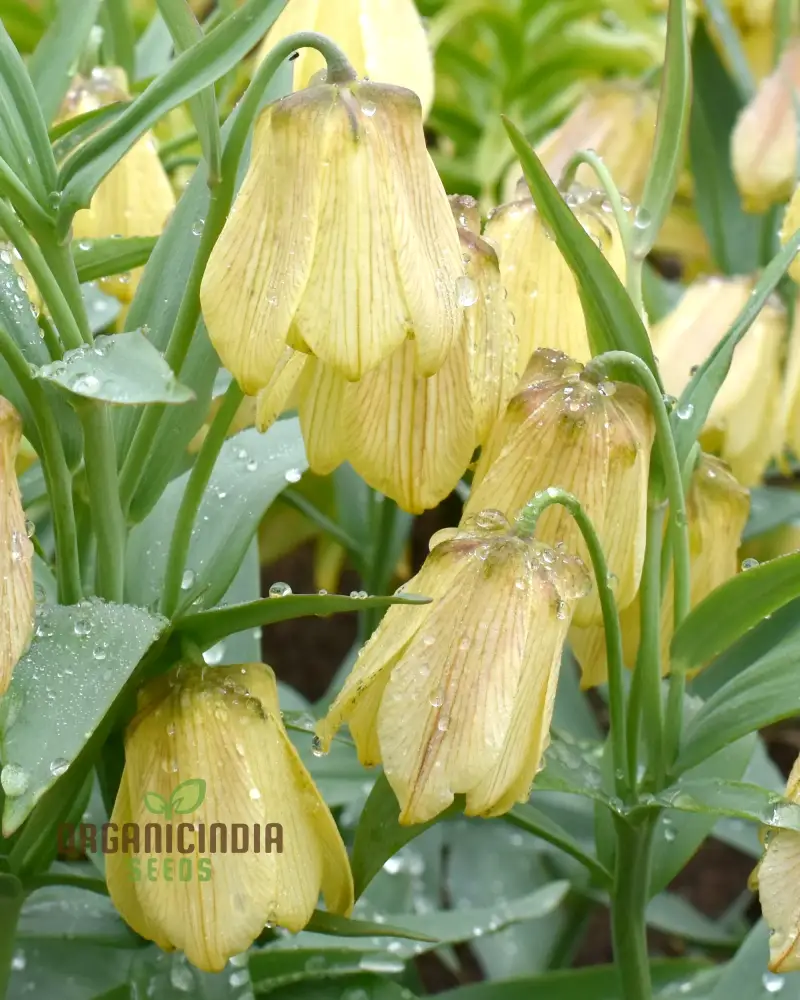
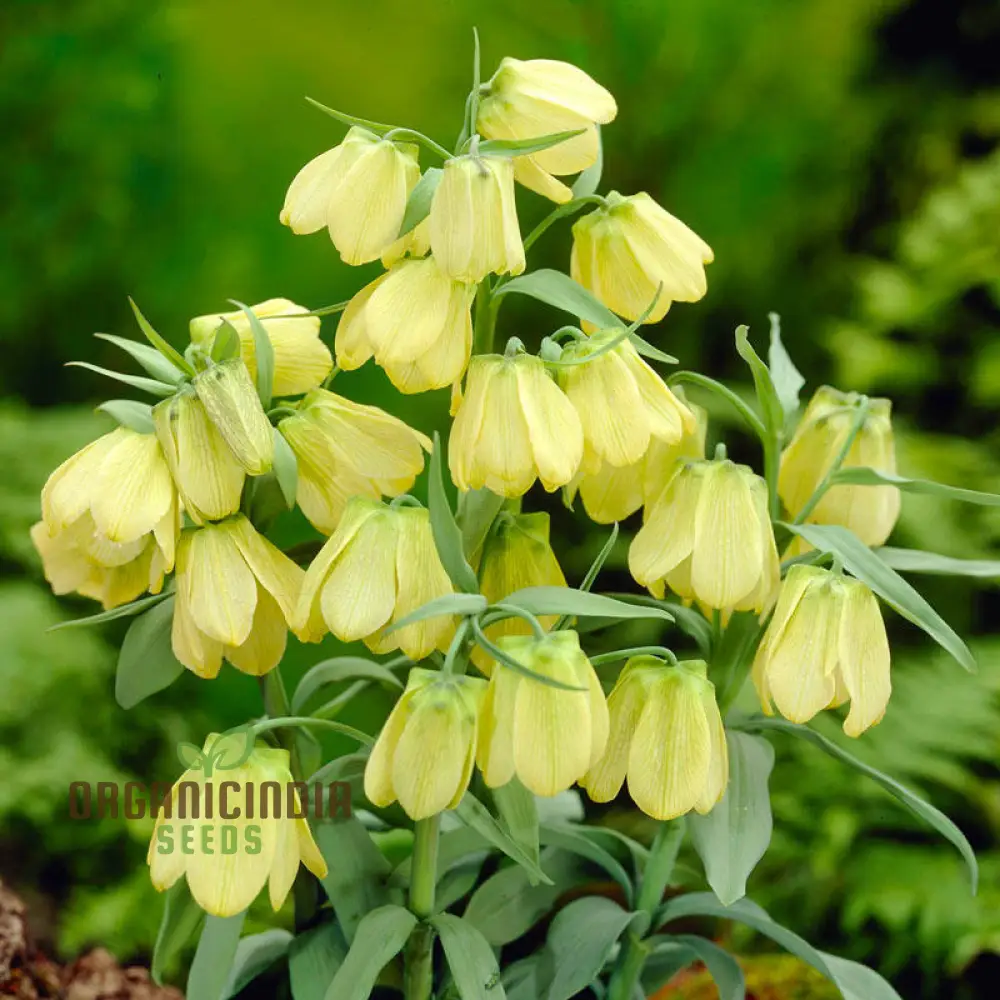
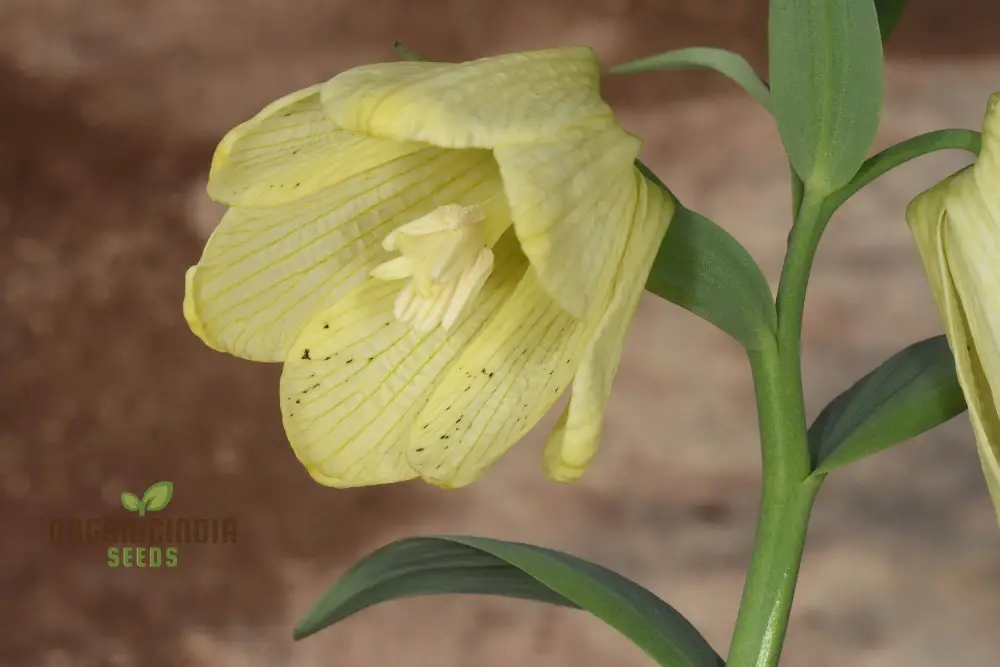
Flower Color: Soft yellow, bell-shaped blooms with delicate markings
Mature Height: 12 to 18 inches
Spread: 6 to 12 inches
Light Requirements: Partial shade to full sun
Soil Requirements: Well-drained, fertile, humus-rich soil
Watering Needs: Moderate; prefers consistently moist but well-drained soil
Blooming Season: Spring to early summer
Uses: Rock gardens, woodland gardens, borders, and containers
Product Details
- Germination Rate: High with proper stratification
- Cold Hardiness: Suitable for USDA zones 3-8
- Growth Speed: Slow to moderate
- Wildlife Benefits: Attracts pollinators like bees and butterflies
- Maintenance Level: Low once established
Planting Instructions
Seed Preparation and Sowing
- Best Planting Time: Fall for bulbs; late winter to early spring for seeds
- Stratification Process:
- Cold stratify seeds for 8-12 weeks by placing them in a damp paper towel inside a sealed plastic bag in the refrigerator.
- Sowing Method:
- Sow seeds just beneath the soil surface (about 1/8 inch deep).
- Use well-draining soil with organic compost for best results.
- Maintain a temperature of 50-65°F (10-18°C) for optimal germination.
- Spacing: 6 to 12 inches apart
- Germination Time: 6 to 12 months (requires patience).
Care and Maintenance
- Watering: Keep soil moist during active growth; reduce watering after flowering.
- Fertilization: Apply a balanced, slow-release fertilizer in early spring.
- Pruning: Remove spent flowers to encourage healthy foliage.
- Pest and Disease Resistance: Generally resistant to most pests and diseases.
- Winter Care: Hardy in most climates; apply mulch in colder regions to protect young plants.
Why Grow Fritillaria Pallidiflora?
- Delicate, Unique Blooms: Soft yellow, nodding flowers with a subtle checkered pattern.
- Early-Season Color: Brings a touch of elegance to your spring garden.
- Pollinator-Friendly: Supports bees and other beneficial insects.
- Low Maintenance: Once established, requires minimal care.
Companion Planting Suggestions
- Pairs well with Crocuses, Daffodils, and Tulips for a layered spring display.
- Complements Hostas, Ferns, and Primroses in woodland gardens.
- Looks stunning alongside Anemones and Snowdrops for a naturalized effect.
Enhance Your Garden with the Graceful Beauty of Fritillaria Pallidiflora!
Original: $16.99
-65%$16.99
$5.95More Images
Buy Fritillaria Pallidiflora Seeds for Your Garden, Planting Made Easy
Fritillaria Pallidiflora Seeds – Rare and Elegant Blooms for Your Garden
Scientific Name: Fritillaria pallidiflora
Common Name: Siberian Fritillary, Pale Fritillary
Plant Type: Perennial, Bulbous Flower
Flower Color: Soft yellow, bell-shaped blooms with delicate markings
Mature Height: 12 to 18 inches
Spread: 6 to 12 inches
Light Requirements: Partial shade to full sun
Soil Requirements: Well-drained, fertile, humus-rich soil
Watering Needs: Moderate; prefers consistently moist but well-drained soil
Blooming Season: Spring to early summer
Uses: Rock gardens, woodland gardens, borders, and containers
Product Details
- Germination Rate: High with proper stratification
- Cold Hardiness: Suitable for USDA zones 3-8
- Growth Speed: Slow to moderate
- Wildlife Benefits: Attracts pollinators like bees and butterflies
- Maintenance Level: Low once established
Planting Instructions
Seed Preparation and Sowing
- Best Planting Time: Fall for bulbs; late winter to early spring for seeds
- Stratification Process:
- Cold stratify seeds for 8-12 weeks by placing them in a damp paper towel inside a sealed plastic bag in the refrigerator.
- Sowing Method:
- Sow seeds just beneath the soil surface (about 1/8 inch deep).
- Use well-draining soil with organic compost for best results.
- Maintain a temperature of 50-65°F (10-18°C) for optimal germination.
- Spacing: 6 to 12 inches apart
- Germination Time: 6 to 12 months (requires patience).
Care and Maintenance
- Watering: Keep soil moist during active growth; reduce watering after flowering.
- Fertilization: Apply a balanced, slow-release fertilizer in early spring.
- Pruning: Remove spent flowers to encourage healthy foliage.
- Pest and Disease Resistance: Generally resistant to most pests and diseases.
- Winter Care: Hardy in most climates; apply mulch in colder regions to protect young plants.
Why Grow Fritillaria Pallidiflora?
- Delicate, Unique Blooms: Soft yellow, nodding flowers with a subtle checkered pattern.
- Early-Season Color: Brings a touch of elegance to your spring garden.
- Pollinator-Friendly: Supports bees and other beneficial insects.
- Low Maintenance: Once established, requires minimal care.
Companion Planting Suggestions
- Pairs well with Crocuses, Daffodils, and Tulips for a layered spring display.
- Complements Hostas, Ferns, and Primroses in woodland gardens.
- Looks stunning alongside Anemones and Snowdrops for a naturalized effect.
Enhance Your Garden with the Graceful Beauty of Fritillaria Pallidiflora!
Product Information
Product Information
Shipping & Returns
Shipping & Returns
Description
Fritillaria Pallidiflora Seeds – Rare and Elegant Blooms for Your Garden
Scientific Name: Fritillaria pallidiflora
Common Name: Siberian Fritillary, Pale Fritillary
Plant Type: Perennial, Bulbous Flower
Flower Color: Soft yellow, bell-shaped blooms with delicate markings
Mature Height: 12 to 18 inches
Spread: 6 to 12 inches
Light Requirements: Partial shade to full sun
Soil Requirements: Well-drained, fertile, humus-rich soil
Watering Needs: Moderate; prefers consistently moist but well-drained soil
Blooming Season: Spring to early summer
Uses: Rock gardens, woodland gardens, borders, and containers
Product Details
- Germination Rate: High with proper stratification
- Cold Hardiness: Suitable for USDA zones 3-8
- Growth Speed: Slow to moderate
- Wildlife Benefits: Attracts pollinators like bees and butterflies
- Maintenance Level: Low once established
Planting Instructions
Seed Preparation and Sowing
- Best Planting Time: Fall for bulbs; late winter to early spring for seeds
- Stratification Process:
- Cold stratify seeds for 8-12 weeks by placing them in a damp paper towel inside a sealed plastic bag in the refrigerator.
- Sowing Method:
- Sow seeds just beneath the soil surface (about 1/8 inch deep).
- Use well-draining soil with organic compost for best results.
- Maintain a temperature of 50-65°F (10-18°C) for optimal germination.
- Spacing: 6 to 12 inches apart
- Germination Time: 6 to 12 months (requires patience).
Care and Maintenance
- Watering: Keep soil moist during active growth; reduce watering after flowering.
- Fertilization: Apply a balanced, slow-release fertilizer in early spring.
- Pruning: Remove spent flowers to encourage healthy foliage.
- Pest and Disease Resistance: Generally resistant to most pests and diseases.
- Winter Care: Hardy in most climates; apply mulch in colder regions to protect young plants.
Why Grow Fritillaria Pallidiflora?
- Delicate, Unique Blooms: Soft yellow, nodding flowers with a subtle checkered pattern.
- Early-Season Color: Brings a touch of elegance to your spring garden.
- Pollinator-Friendly: Supports bees and other beneficial insects.
- Low Maintenance: Once established, requires minimal care.
Companion Planting Suggestions
- Pairs well with Crocuses, Daffodils, and Tulips for a layered spring display.
- Complements Hostas, Ferns, and Primroses in woodland gardens.
- Looks stunning alongside Anemones and Snowdrops for a naturalized effect.