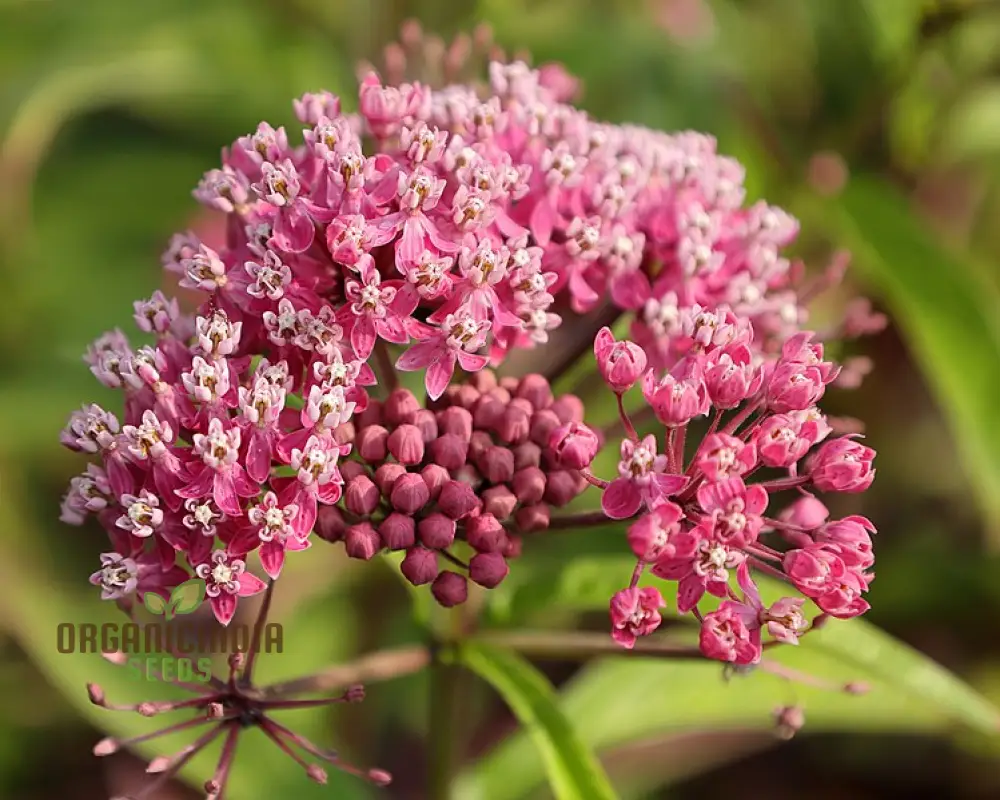
Red Asclepias Tuberosa Seeds For Planting
Red Asclepias Tuberosa Seeds – Butterfly Weed for Vibrant Gardens
Key Features
- Scientific Name: Asclepias tuberosa
- Common Name: Butterfly Weed, Milkweed
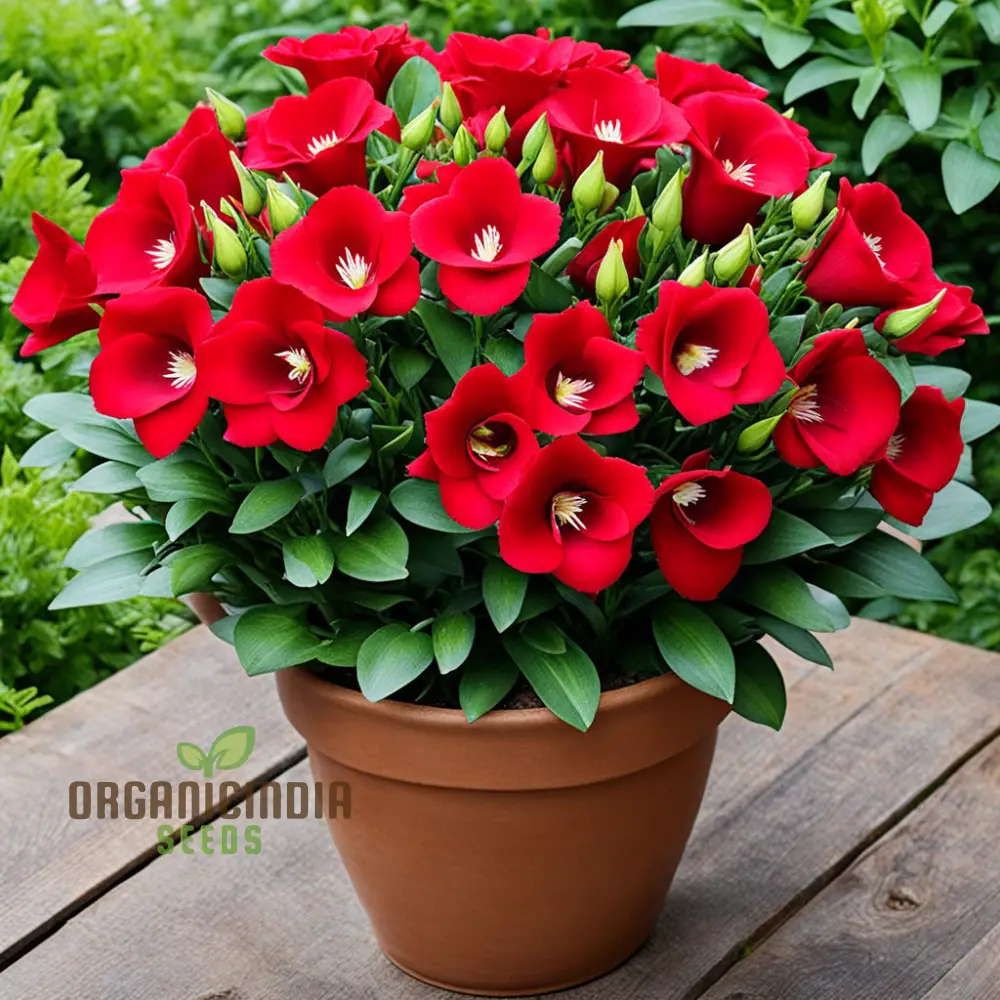
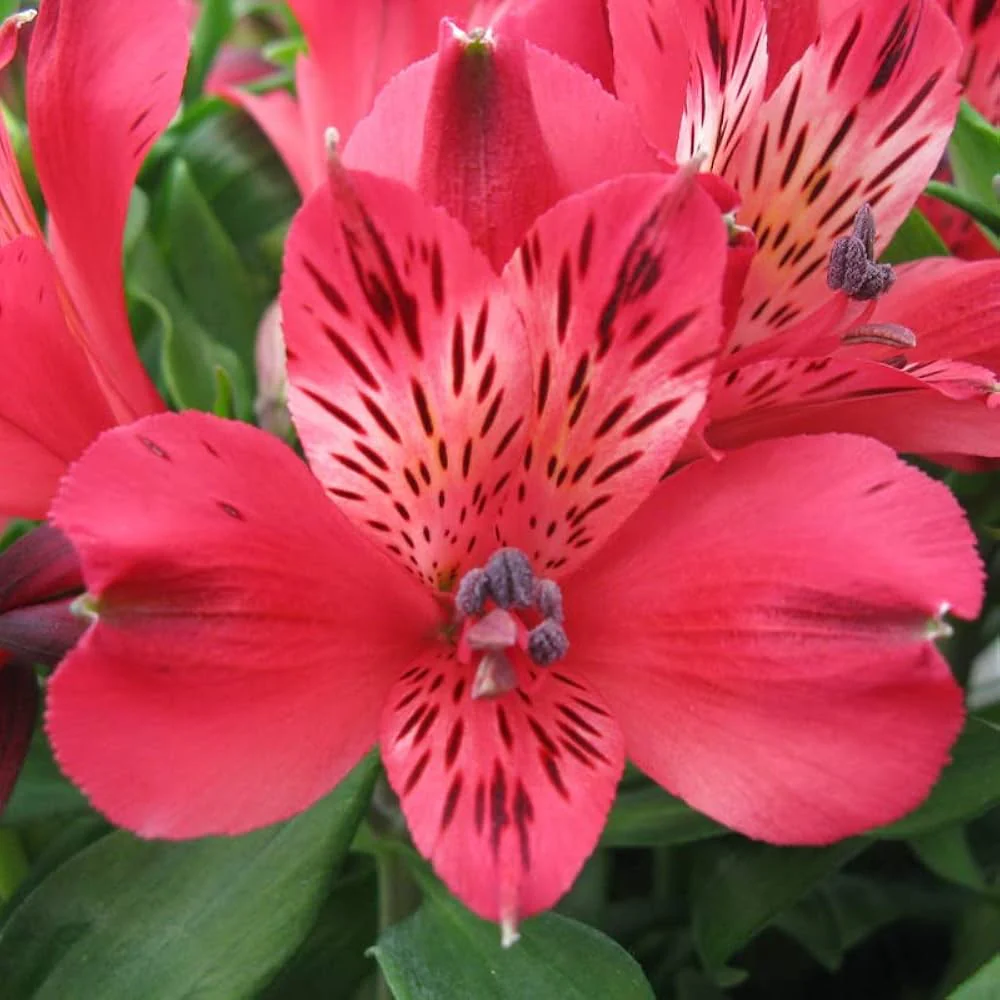
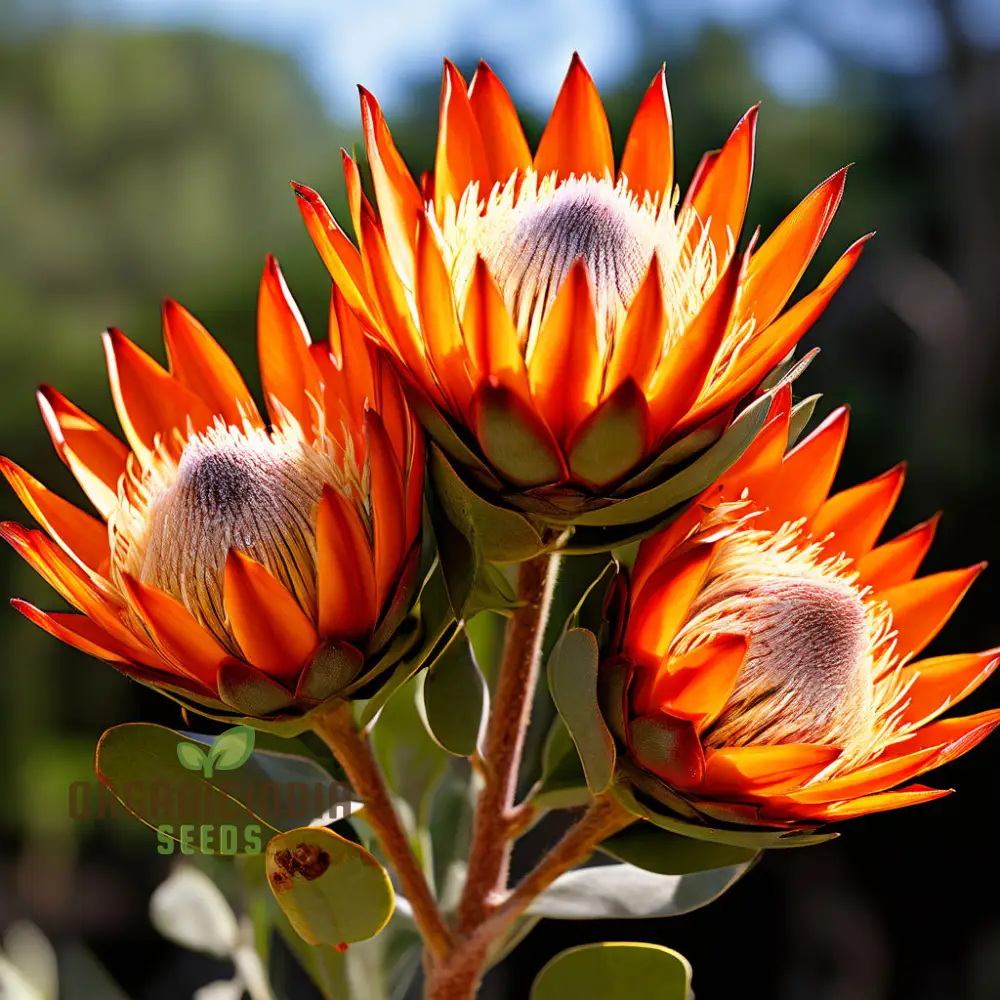
- Flower Color: Bright red (traditional varieties are orange, but red cultivars are available)
- Growth Habit: Perennial
- Height & Spread: Grows 1-3 feet tall with a spread of 1-2 feet
- Blooming Season: Summer to early fall
- Sun Requirements: Full sun (6-8 hours of direct sunlight)
- Soil Type: Well-draining, sandy or loamy soil
- Watering Needs: Low to moderate; drought-tolerant once established
- Hardiness Zones: USDA Zones 3-9
Why Grow Red Asclepias Tuberosa?
- Pollinator Magnet: Attracts butterflies, especially monarchs, as well as bees and hummingbirds
- Drought-Tolerant & Low Maintenance: Thrives in dry soils with minimal care
- Long-Lasting Blooms: Provides months of vibrant color in the garden
- Deer & Rabbit Resistant: Unpalatable to most browsing animals
- Supports Monarch Butterflies: A vital nectar source and host plant for caterpillars
Planting & Care Instructions
Seed Preparation & Sowing
-
Cold Stratification (Recommended for Higher Germination Rates):
- Place seeds in a damp paper towel inside a sealed plastic bag
- Refrigerate for 3-4 weeks before planting
-
Starting Indoors:
- Sow seeds ¼ inch deep in seed trays with well-draining potting mix
- Keep soil moist and maintain temperatures of 65-75°F
- Germination occurs in 2-4 weeks
- Transplant seedlings outdoors after the last frost
-
Direct Sowing Outdoors:
- Plant in fall or early spring for natural stratification
- Sow seeds ¼ inch deep in prepared soil
- Space plants 12-18 inches apart
Maintenance
- Watering: Water deeply when young, then reduce as the plant matures
- Fertilization: Minimal fertilizer needed; avoid excessive nitrogen to maintain strong stems
- Deadheading: Remove spent flowers to prolong blooming and prevent excessive self-seeding
- Winter Care: Cut back in late fall or leave seed heads for winter interest and wildlife
Ideal For
- Pollinator & Butterfly Gardens
- Native & Wildflower Meadows
- Drought-Resistant Landscapes
- Cut Flower Arrangements
The Red Asclepias Tuberosa is a bold and essential addition to any pollinator-friendly garden. With its brilliant red blooms and low-maintenance care, it’s perfect for attracting butterflies while adding long-lasting beauty to your landscape.
Original: $16.99
-65%$16.99
$5.95More Images
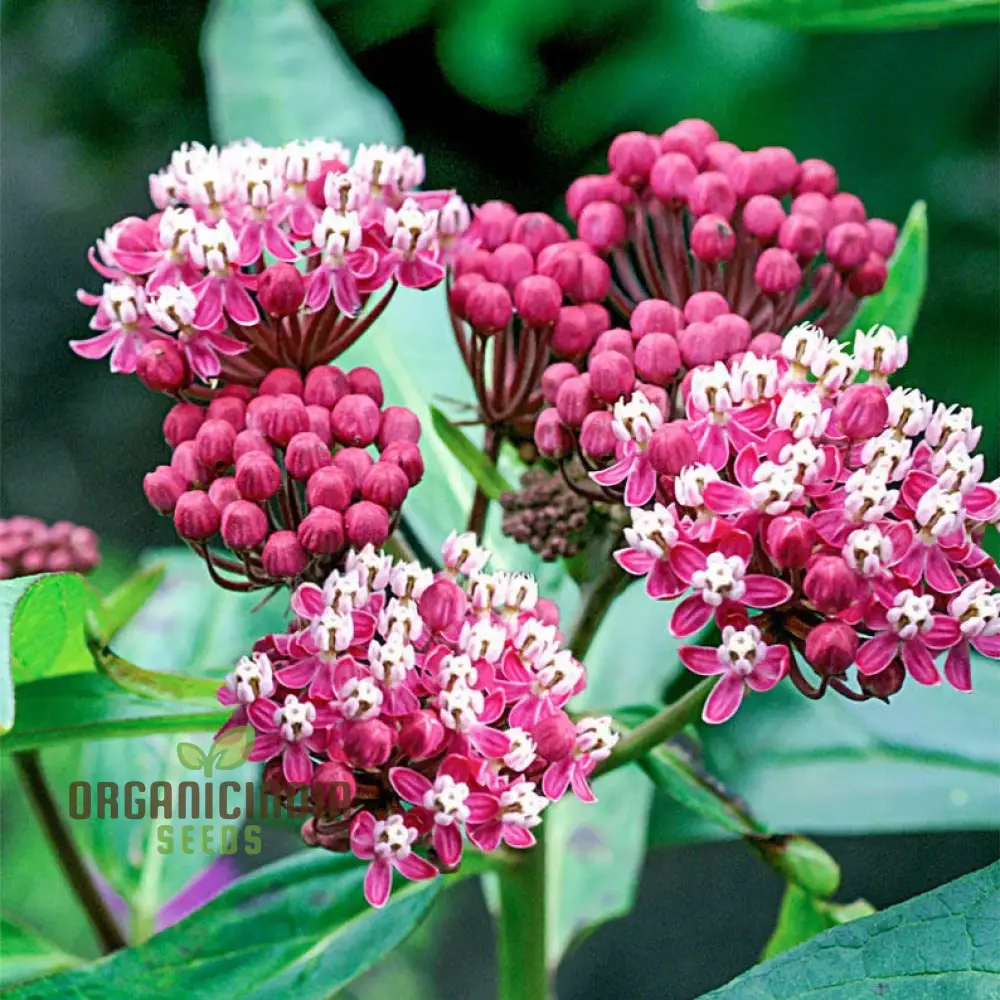
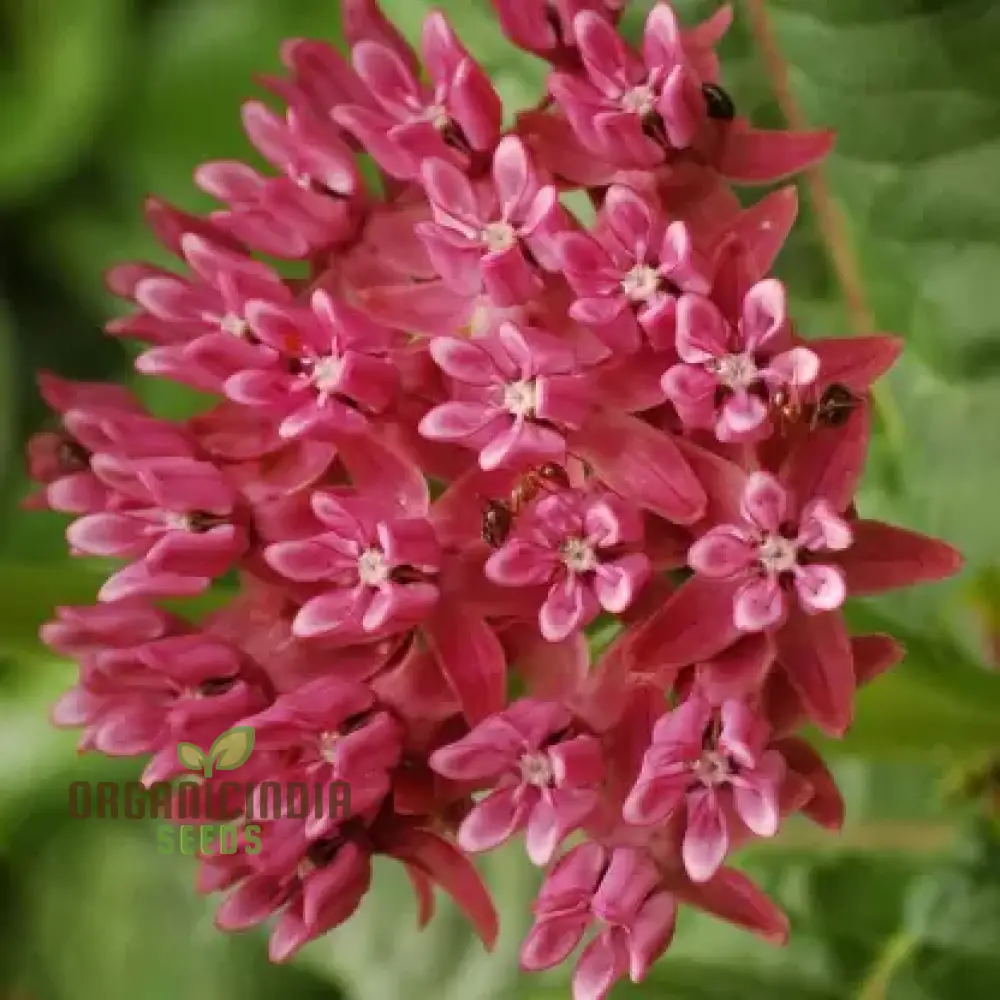
Red Asclepias Tuberosa Seeds For Planting
Red Asclepias Tuberosa Seeds – Butterfly Weed for Vibrant Gardens
Key Features
- Scientific Name: Asclepias tuberosa
- Common Name: Butterfly Weed, Milkweed
- Flower Color: Bright red (traditional varieties are orange, but red cultivars are available)
- Growth Habit: Perennial
- Height & Spread: Grows 1-3 feet tall with a spread of 1-2 feet
- Blooming Season: Summer to early fall
- Sun Requirements: Full sun (6-8 hours of direct sunlight)
- Soil Type: Well-draining, sandy or loamy soil
- Watering Needs: Low to moderate; drought-tolerant once established
- Hardiness Zones: USDA Zones 3-9
Why Grow Red Asclepias Tuberosa?
- Pollinator Magnet: Attracts butterflies, especially monarchs, as well as bees and hummingbirds
- Drought-Tolerant & Low Maintenance: Thrives in dry soils with minimal care
- Long-Lasting Blooms: Provides months of vibrant color in the garden
- Deer & Rabbit Resistant: Unpalatable to most browsing animals
- Supports Monarch Butterflies: A vital nectar source and host plant for caterpillars
Planting & Care Instructions
Seed Preparation & Sowing
-
Cold Stratification (Recommended for Higher Germination Rates):
- Place seeds in a damp paper towel inside a sealed plastic bag
- Refrigerate for 3-4 weeks before planting
-
Starting Indoors:
- Sow seeds ¼ inch deep in seed trays with well-draining potting mix
- Keep soil moist and maintain temperatures of 65-75°F
- Germination occurs in 2-4 weeks
- Transplant seedlings outdoors after the last frost
-
Direct Sowing Outdoors:
- Plant in fall or early spring for natural stratification
- Sow seeds ¼ inch deep in prepared soil
- Space plants 12-18 inches apart
Maintenance
- Watering: Water deeply when young, then reduce as the plant matures
- Fertilization: Minimal fertilizer needed; avoid excessive nitrogen to maintain strong stems
- Deadheading: Remove spent flowers to prolong blooming and prevent excessive self-seeding
- Winter Care: Cut back in late fall or leave seed heads for winter interest and wildlife
Ideal For
- Pollinator & Butterfly Gardens
- Native & Wildflower Meadows
- Drought-Resistant Landscapes
- Cut Flower Arrangements
The Red Asclepias Tuberosa is a bold and essential addition to any pollinator-friendly garden. With its brilliant red blooms and low-maintenance care, it’s perfect for attracting butterflies while adding long-lasting beauty to your landscape.
Product Information
Product Information
Shipping & Returns
Shipping & Returns
Description
Red Asclepias Tuberosa Seeds – Butterfly Weed for Vibrant Gardens
Key Features
- Scientific Name: Asclepias tuberosa
- Common Name: Butterfly Weed, Milkweed
- Flower Color: Bright red (traditional varieties are orange, but red cultivars are available)
- Growth Habit: Perennial
- Height & Spread: Grows 1-3 feet tall with a spread of 1-2 feet
- Blooming Season: Summer to early fall
- Sun Requirements: Full sun (6-8 hours of direct sunlight)
- Soil Type: Well-draining, sandy or loamy soil
- Watering Needs: Low to moderate; drought-tolerant once established
- Hardiness Zones: USDA Zones 3-9
Why Grow Red Asclepias Tuberosa?
- Pollinator Magnet: Attracts butterflies, especially monarchs, as well as bees and hummingbirds
- Drought-Tolerant & Low Maintenance: Thrives in dry soils with minimal care
- Long-Lasting Blooms: Provides months of vibrant color in the garden
- Deer & Rabbit Resistant: Unpalatable to most browsing animals
- Supports Monarch Butterflies: A vital nectar source and host plant for caterpillars
Planting & Care Instructions
Seed Preparation & Sowing
-
Cold Stratification (Recommended for Higher Germination Rates):
- Place seeds in a damp paper towel inside a sealed plastic bag
- Refrigerate for 3-4 weeks before planting
-
Starting Indoors:
- Sow seeds ¼ inch deep in seed trays with well-draining potting mix
- Keep soil moist and maintain temperatures of 65-75°F
- Germination occurs in 2-4 weeks
- Transplant seedlings outdoors after the last frost
-
Direct Sowing Outdoors:
- Plant in fall or early spring for natural stratification
- Sow seeds ¼ inch deep in prepared soil
- Space plants 12-18 inches apart
Maintenance
- Watering: Water deeply when young, then reduce as the plant matures
- Fertilization: Minimal fertilizer needed; avoid excessive nitrogen to maintain strong stems
- Deadheading: Remove spent flowers to prolong blooming and prevent excessive self-seeding
- Winter Care: Cut back in late fall or leave seed heads for winter interest and wildlife
Ideal For
- Pollinator & Butterfly Gardens
- Native & Wildflower Meadows
- Drought-Resistant Landscapes
- Cut Flower Arrangements
The Red Asclepias Tuberosa is a bold and essential addition to any pollinator-friendly garden. With its brilliant red blooms and low-maintenance care, it’s perfect for attracting butterflies while adding long-lasting beauty to your landscape.