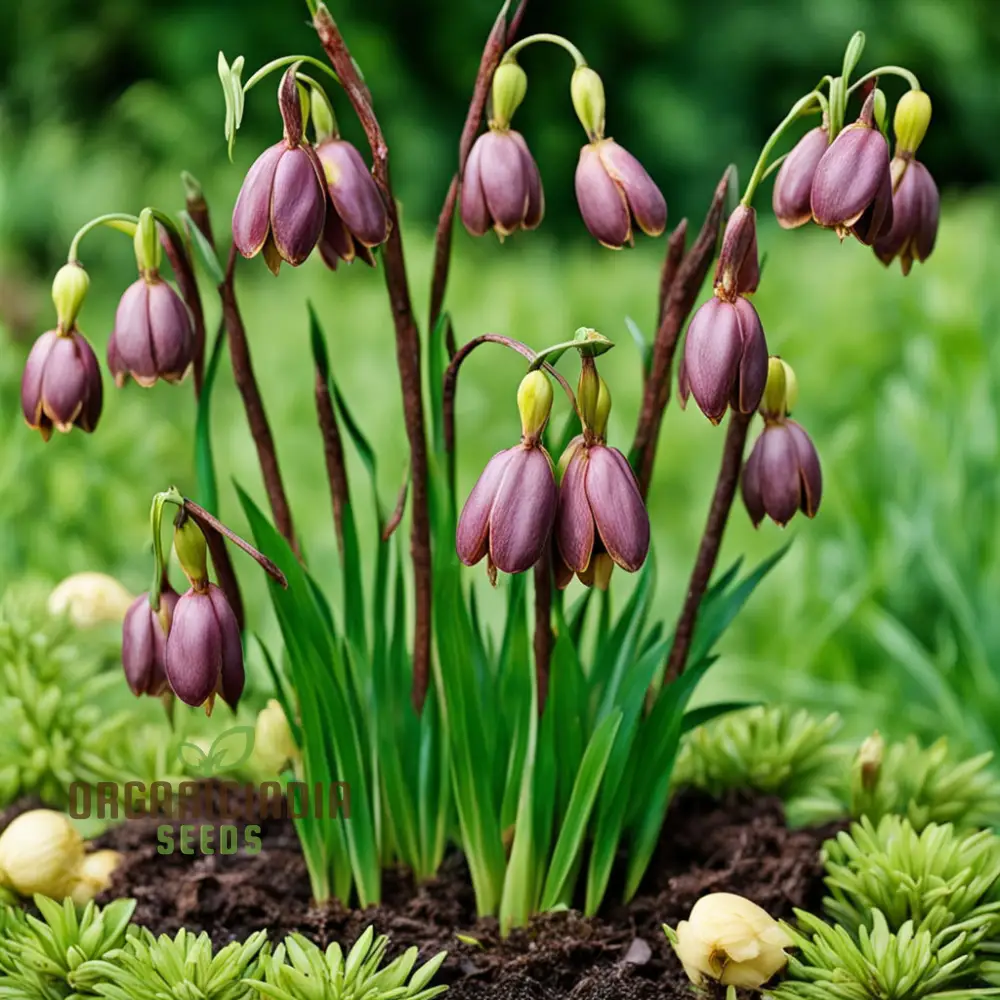
Bulb Fritillaria persica, Plum Bells One of most gorgeous looking flower
Fritillaria persica – Plum Bells – One of the Most Gorgeous Flowers (3 Bulbs for Planting)
Product Description:
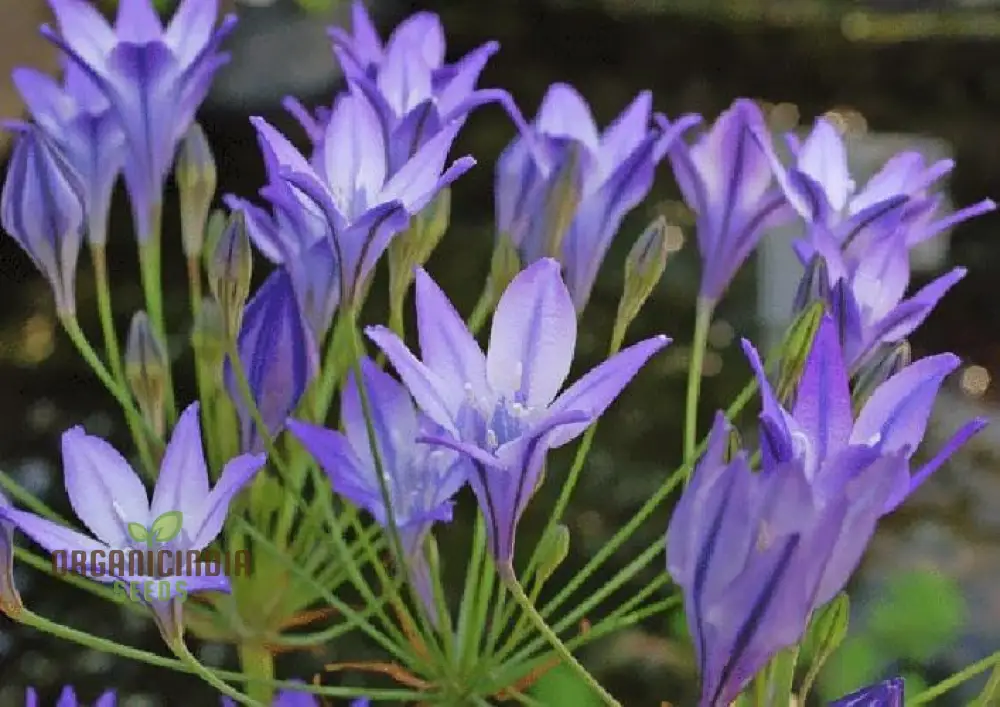
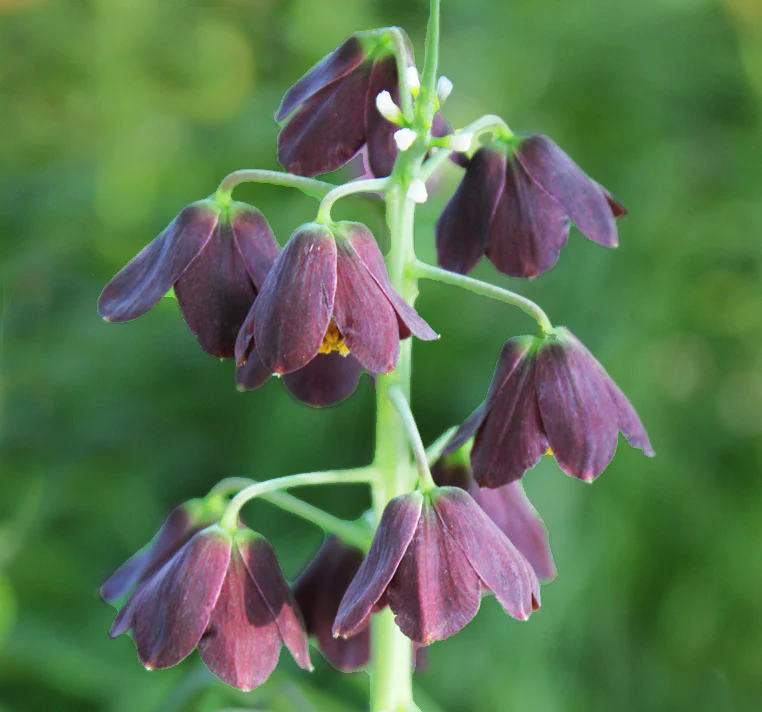
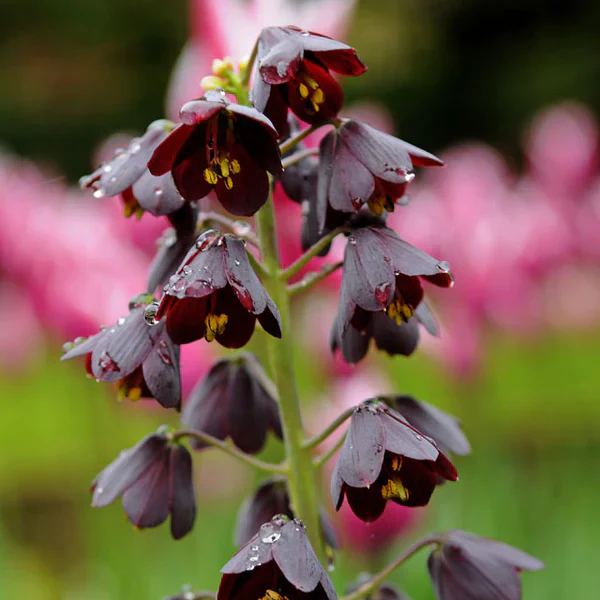
Fritillaria persica, commonly known as Plum Bells, is a striking perennial bulbous plant prized for its tall, stately flower spikes adorned with bell-shaped blooms in deep shades of purple to plum. Native to the Middle East, this elegant plant produces up to 30–40 nodding flowers per stem, creating a dramatic focal point in spring gardens. The glossy, lance-shaped foliage forms a lush backdrop to the richly colored flowers, making it a standout in borders, rock gardens, and mixed perennial beds. Its architectural form and rare bloom color add sophistication to any planting scheme.
Key Features:
- Scientific Name: Fritillaria persica
- Common Name: Plum Bells
- Plant Type: Perennial bulbous flowering plant
- Flower Color: Deep purple to plum (some variations may show hints of dark maroon)
- Bloom Size: Individual flowers are about 1–2 inches (2.5–5 cm)
- Bloom Type: Bell-shaped, pendulous flowers arranged along tall, upright spikes
- Mature Height: 24 to 36 inches (60 to 90 cm)
- Spread: 8 to 12 inches (20 to 30 cm)
- Foliage: Glossy, lance-shaped, gray-green leaves
- Growth Habit: Upright, clumping
- Blooming Season: Mid to late spring
- Hardiness Zones: USDA Zones 4–8
- Fragrance: Mildly musky scent
Planting Instructions:
1. Bulb Preparation:
- No special preparation required.
- Plant bulbs as soon as possible after purchase to prevent drying out.
2. Planting Guidelines:
- Planting Time:
- Fall planting is recommended (September to November) for spring blooms.
- Ensure soil temperatures are between 50°F and 60°F (10°C and 15°C).
- Planting Depth:
- Plant bulbs 4 to 6 inches (10 to 15 cm) deep with the pointed side facing up.
- Spacing:
- Space bulbs 6 to 8 inches (15 to 20 cm) apart for optimal air circulation and growth.
- Soil Requirements:
- Well-draining soil rich in organic matter.
- Ideal pH between 6.0 and 7.5.
- Location:
- Choose a location with full sun to partial shade.
- Ensure good air circulation to prevent fungal diseases.
3. Germination and Growth:
- Germination and shoot emergence occur in 2–4 weeks after planting, depending on soil temperature.
- Keep soil consistently moist but not soggy during the establishment phase.
Care and Maintenance:
- Light Requirements:
- Prefers full sun but will tolerate partial shade.
- More sun exposure encourages stronger stems and more blooms.
- Watering:
- Water regularly during active growth and blooming.
- Reduce watering after flowering and allow the soil to dry out in summer.
- Fertilizer:
- Apply a balanced bulb fertilizer (e.g., 10-10-10) when shoots emerge in early spring.
- After blooming, feed with a phosphorus-rich fertilizer to strengthen bulbs for next year.
- Mulching:
- Apply a light mulch layer after planting to retain moisture and regulate soil temperature.
- Deadheading and Pruning:
- Remove faded blooms to prevent seed formation and encourage bulb development.
- Allow foliage to die back naturally to nourish the bulb for the next season.
- Division:
- Divide and replant bulbs every 3–4 years to prevent overcrowding and maintain vigorous growth.
- Pest and Disease Control:
- Generally resistant to deer and rodents.
- Watch for slugs and snails, which may feed on young shoots.
- Ensure good drainage to prevent bulb rot.
Benefits and Uses:
- Ornamental Value:
- Tall flower spikes add vertical interest to garden beds.
- The rich, dark purple color contrasts beautifully with lighter spring blooms.
- Pollinator Friendly:
- Attracts bees and beneficial insects.
- Cut Flowers:
- Long-lasting in floral arrangements.
- Harvest stems when buds are partially open for the longest vase life.
- Naturalizing:
- Bulbs will naturalize over time, creating larger clumps of blooms each year.
- Drought Tolerance:
- Once established, Fritillaria persica is relatively drought-tolerant.
Why Grow Fritillaria persica – Plum Bells?
- Rare and unusual deep purple blooms.
- Tall, elegant flower spikes provide architectural interest.
- Early spring blooms bring color to the garden before summer flowers emerge.
- Low-maintenance and pest-resistant once established.
- Ideal for mixed borders, cutting gardens, and rock gardens.
Pack Size: 3 high-quality bulbs per pack
Germination Rate: High (with proper planting)
Origin: Sustainably sourced
Shelf Life: Best planted within 1 year for maximum viability
More Images
Bulb Fritillaria persica, Plum Bells One of most gorgeous looking flower
Fritillaria persica – Plum Bells – One of the Most Gorgeous Flowers (3 Bulbs for Planting)
Product Description:
Fritillaria persica, commonly known as Plum Bells, is a striking perennial bulbous plant prized for its tall, stately flower spikes adorned with bell-shaped blooms in deep shades of purple to plum. Native to the Middle East, this elegant plant produces up to 30–40 nodding flowers per stem, creating a dramatic focal point in spring gardens. The glossy, lance-shaped foliage forms a lush backdrop to the richly colored flowers, making it a standout in borders, rock gardens, and mixed perennial beds. Its architectural form and rare bloom color add sophistication to any planting scheme.
Key Features:
- Scientific Name: Fritillaria persica
- Common Name: Plum Bells
- Plant Type: Perennial bulbous flowering plant
- Flower Color: Deep purple to plum (some variations may show hints of dark maroon)
- Bloom Size: Individual flowers are about 1–2 inches (2.5–5 cm)
- Bloom Type: Bell-shaped, pendulous flowers arranged along tall, upright spikes
- Mature Height: 24 to 36 inches (60 to 90 cm)
- Spread: 8 to 12 inches (20 to 30 cm)
- Foliage: Glossy, lance-shaped, gray-green leaves
- Growth Habit: Upright, clumping
- Blooming Season: Mid to late spring
- Hardiness Zones: USDA Zones 4–8
- Fragrance: Mildly musky scent
Planting Instructions:
1. Bulb Preparation:
- No special preparation required.
- Plant bulbs as soon as possible after purchase to prevent drying out.
2. Planting Guidelines:
- Planting Time:
- Fall planting is recommended (September to November) for spring blooms.
- Ensure soil temperatures are between 50°F and 60°F (10°C and 15°C).
- Planting Depth:
- Plant bulbs 4 to 6 inches (10 to 15 cm) deep with the pointed side facing up.
- Spacing:
- Space bulbs 6 to 8 inches (15 to 20 cm) apart for optimal air circulation and growth.
- Soil Requirements:
- Well-draining soil rich in organic matter.
- Ideal pH between 6.0 and 7.5.
- Location:
- Choose a location with full sun to partial shade.
- Ensure good air circulation to prevent fungal diseases.
3. Germination and Growth:
- Germination and shoot emergence occur in 2–4 weeks after planting, depending on soil temperature.
- Keep soil consistently moist but not soggy during the establishment phase.
Care and Maintenance:
- Light Requirements:
- Prefers full sun but will tolerate partial shade.
- More sun exposure encourages stronger stems and more blooms.
- Watering:
- Water regularly during active growth and blooming.
- Reduce watering after flowering and allow the soil to dry out in summer.
- Fertilizer:
- Apply a balanced bulb fertilizer (e.g., 10-10-10) when shoots emerge in early spring.
- After blooming, feed with a phosphorus-rich fertilizer to strengthen bulbs for next year.
- Mulching:
- Apply a light mulch layer after planting to retain moisture and regulate soil temperature.
- Deadheading and Pruning:
- Remove faded blooms to prevent seed formation and encourage bulb development.
- Allow foliage to die back naturally to nourish the bulb for the next season.
- Division:
- Divide and replant bulbs every 3–4 years to prevent overcrowding and maintain vigorous growth.
- Pest and Disease Control:
- Generally resistant to deer and rodents.
- Watch for slugs and snails, which may feed on young shoots.
- Ensure good drainage to prevent bulb rot.
Benefits and Uses:
- Ornamental Value:
- Tall flower spikes add vertical interest to garden beds.
- The rich, dark purple color contrasts beautifully with lighter spring blooms.
- Pollinator Friendly:
- Attracts bees and beneficial insects.
- Cut Flowers:
- Long-lasting in floral arrangements.
- Harvest stems when buds are partially open for the longest vase life.
- Naturalizing:
- Bulbs will naturalize over time, creating larger clumps of blooms each year.
- Drought Tolerance:
- Once established, Fritillaria persica is relatively drought-tolerant.
Why Grow Fritillaria persica – Plum Bells?
- Rare and unusual deep purple blooms.
- Tall, elegant flower spikes provide architectural interest.
- Early spring blooms bring color to the garden before summer flowers emerge.
- Low-maintenance and pest-resistant once established.
- Ideal for mixed borders, cutting gardens, and rock gardens.
Pack Size: 3 high-quality bulbs per pack
Germination Rate: High (with proper planting)
Origin: Sustainably sourced
Shelf Life: Best planted within 1 year for maximum viability
Product Information
Product Information
Shipping & Returns
Shipping & Returns
Description
Fritillaria persica – Plum Bells – One of the Most Gorgeous Flowers (3 Bulbs for Planting)
Product Description:
Fritillaria persica, commonly known as Plum Bells, is a striking perennial bulbous plant prized for its tall, stately flower spikes adorned with bell-shaped blooms in deep shades of purple to plum. Native to the Middle East, this elegant plant produces up to 30–40 nodding flowers per stem, creating a dramatic focal point in spring gardens. The glossy, lance-shaped foliage forms a lush backdrop to the richly colored flowers, making it a standout in borders, rock gardens, and mixed perennial beds. Its architectural form and rare bloom color add sophistication to any planting scheme.
Key Features:
- Scientific Name: Fritillaria persica
- Common Name: Plum Bells
- Plant Type: Perennial bulbous flowering plant
- Flower Color: Deep purple to plum (some variations may show hints of dark maroon)
- Bloom Size: Individual flowers are about 1–2 inches (2.5–5 cm)
- Bloom Type: Bell-shaped, pendulous flowers arranged along tall, upright spikes
- Mature Height: 24 to 36 inches (60 to 90 cm)
- Spread: 8 to 12 inches (20 to 30 cm)
- Foliage: Glossy, lance-shaped, gray-green leaves
- Growth Habit: Upright, clumping
- Blooming Season: Mid to late spring
- Hardiness Zones: USDA Zones 4–8
- Fragrance: Mildly musky scent
Planting Instructions:
1. Bulb Preparation:
- No special preparation required.
- Plant bulbs as soon as possible after purchase to prevent drying out.
2. Planting Guidelines:
- Planting Time:
- Fall planting is recommended (September to November) for spring blooms.
- Ensure soil temperatures are between 50°F and 60°F (10°C and 15°C).
- Planting Depth:
- Plant bulbs 4 to 6 inches (10 to 15 cm) deep with the pointed side facing up.
- Spacing:
- Space bulbs 6 to 8 inches (15 to 20 cm) apart for optimal air circulation and growth.
- Soil Requirements:
- Well-draining soil rich in organic matter.
- Ideal pH between 6.0 and 7.5.
- Location:
- Choose a location with full sun to partial shade.
- Ensure good air circulation to prevent fungal diseases.
3. Germination and Growth:
- Germination and shoot emergence occur in 2–4 weeks after planting, depending on soil temperature.
- Keep soil consistently moist but not soggy during the establishment phase.
Care and Maintenance:
- Light Requirements:
- Prefers full sun but will tolerate partial shade.
- More sun exposure encourages stronger stems and more blooms.
- Watering:
- Water regularly during active growth and blooming.
- Reduce watering after flowering and allow the soil to dry out in summer.
- Fertilizer:
- Apply a balanced bulb fertilizer (e.g., 10-10-10) when shoots emerge in early spring.
- After blooming, feed with a phosphorus-rich fertilizer to strengthen bulbs for next year.
- Mulching:
- Apply a light mulch layer after planting to retain moisture and regulate soil temperature.
- Deadheading and Pruning:
- Remove faded blooms to prevent seed formation and encourage bulb development.
- Allow foliage to die back naturally to nourish the bulb for the next season.
- Division:
- Divide and replant bulbs every 3–4 years to prevent overcrowding and maintain vigorous growth.
- Pest and Disease Control:
- Generally resistant to deer and rodents.
- Watch for slugs and snails, which may feed on young shoots.
- Ensure good drainage to prevent bulb rot.
Benefits and Uses:
- Ornamental Value:
- Tall flower spikes add vertical interest to garden beds.
- The rich, dark purple color contrasts beautifully with lighter spring blooms.
- Pollinator Friendly:
- Attracts bees and beneficial insects.
- Cut Flowers:
- Long-lasting in floral arrangements.
- Harvest stems when buds are partially open for the longest vase life.
- Naturalizing:
- Bulbs will naturalize over time, creating larger clumps of blooms each year.
- Drought Tolerance:
- Once established, Fritillaria persica is relatively drought-tolerant.
Why Grow Fritillaria persica – Plum Bells?
- Rare and unusual deep purple blooms.
- Tall, elegant flower spikes provide architectural interest.
- Early spring blooms bring color to the garden before summer flowers emerge.
- Low-maintenance and pest-resistant once established.
- Ideal for mixed borders, cutting gardens, and rock gardens.
Pack Size: 3 high-quality bulbs per pack
Germination Rate: High (with proper planting)
Origin: Sustainably sourced
Shelf Life: Best planted within 1 year for maximum viability