Bower Kiwi Vine (Actinidia arguta) – Seeds
Key Features:
-
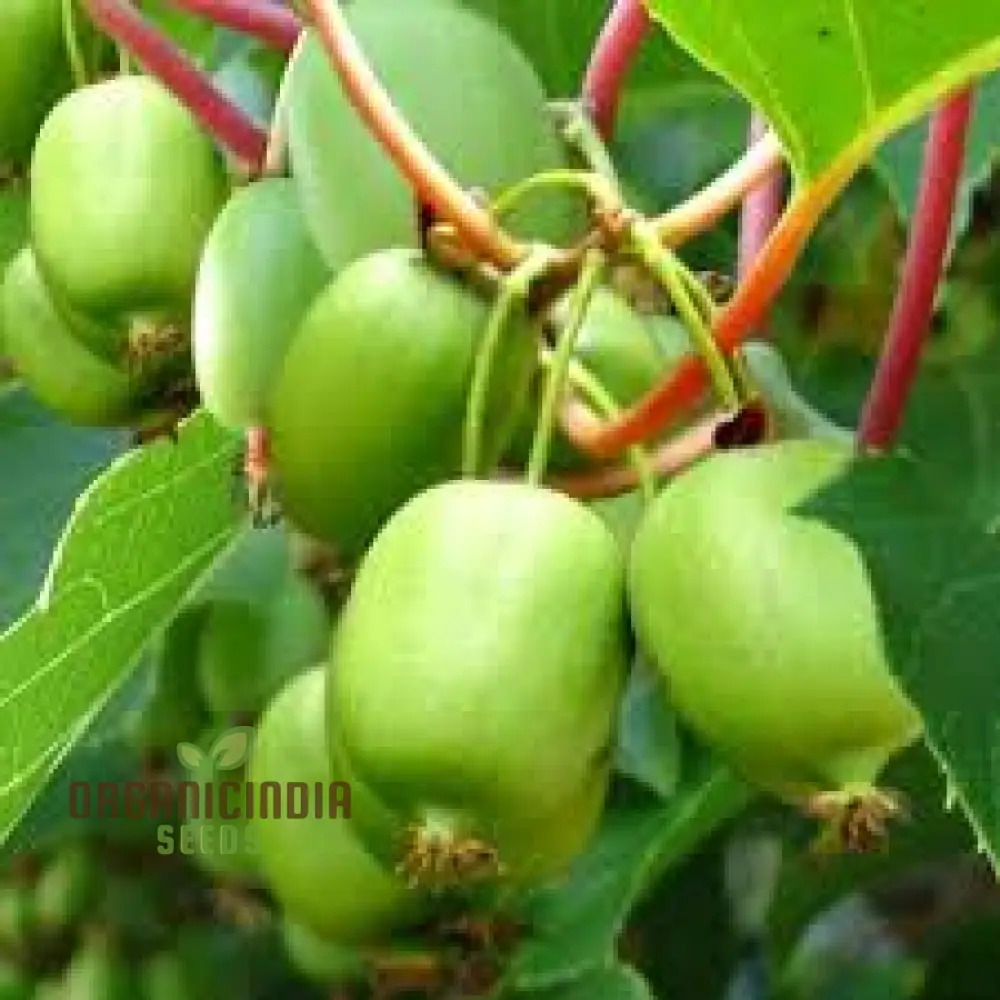
Mini Kiwi Variety: Produces small, smooth, and sweet kiwi fruits that can be eaten whole.
-
Cold-Hardy Vine: Tolerates cold winters and thrives in temperate regions.
-
Fast-Growing & Vigorous: Excellent for trellises, fences, and pergolas as a decorative fruiting vine.
-
Non-GMO & Untreated Seeds: Naturally grown, free from chemicals or genetic modification.
-
Long-Lived Plant: Can produce fruit for decades with proper care.
-
Pollinator Friendly: Male and female plants ensure abundant flowering and fruiting.
Specifications:
-
Scientific Name: Actinidia arguta
-
Common Name (US): Bower Kiwi Vine / Hardy Kiwi / Baby Kiwi
-
Plant Type: Perennial Fruiting Vine
-
Growth Length: 15–30 feet (4.5–9 m)
-
USDA Hardiness Zones: 4–9
-
Sun Exposure: Full Sun to Partial Shade
-
Soil Type: Well-drained, fertile loam with organic content
-
Water Requirements: Moderate, consistent moisture
-
Bloom Season: Late Spring (white fragrant flowers)
-
Fruit Season: Late Summer to Fall
-
Seed Type: Non-GMO, Heirloom Quality
-
Temperature for Germination: 68–75°F (20–24°C)
-
Germination Time: 20–40 days
-
Planting Depth: ¼ inch (6 mm)
-
Spacing: 10–15 feet apart
-
Pollination: Dioecious (both male and female plants needed for fruiting)
-
Lifespan: Long-lived perennial vine
-
Uses: Fruit production, vertical gardening, decorative landscaping
Planting Guide:
-
Seed Preparation: Stratify seeds by placing them in moist sand in a refrigerator for 4–6 weeks before sowing.
-
Sowing: Plant ¼ inch deep in seed-starting trays or pots with well-drained soil.
-
Light & Temperature: Keep in bright light at 68–75°F (20–24°C) for germination.
-
Transplanting: Move seedlings outdoors after frost, spacing them 10–15 feet apart near trellises or supports.
-
Watering: Maintain evenly moist soil; avoid waterlogging.
-
Fertilization: Apply compost or organic fertilizer once per season to promote vigorous growth.
-
Training & Pruning: Train vines to climb; prune annually to encourage airflow and fruit production
Original: $16.99
-65%$16.99
$5.95More Images


Bower Kiwi Vine (Actinidia arguta) – Seeds
Key Features:
-
Mini Kiwi Variety: Produces small, smooth, and sweet kiwi fruits that can be eaten whole.
-
Cold-Hardy Vine: Tolerates cold winters and thrives in temperate regions.
-
Fast-Growing & Vigorous: Excellent for trellises, fences, and pergolas as a decorative fruiting vine.
-
Non-GMO & Untreated Seeds: Naturally grown, free from chemicals or genetic modification.
-
Long-Lived Plant: Can produce fruit for decades with proper care.
-
Pollinator Friendly: Male and female plants ensure abundant flowering and fruiting.
Specifications:
-
Scientific Name: Actinidia arguta
-
Common Name (US): Bower Kiwi Vine / Hardy Kiwi / Baby Kiwi
-
Plant Type: Perennial Fruiting Vine
-
Growth Length: 15–30 feet (4.5–9 m)
-
USDA Hardiness Zones: 4–9
-
Sun Exposure: Full Sun to Partial Shade
-
Soil Type: Well-drained, fertile loam with organic content
-
Water Requirements: Moderate, consistent moisture
-
Bloom Season: Late Spring (white fragrant flowers)
-
Fruit Season: Late Summer to Fall
-
Seed Type: Non-GMO, Heirloom Quality
-
Temperature for Germination: 68–75°F (20–24°C)
-
Germination Time: 20–40 days
-
Planting Depth: ¼ inch (6 mm)
-
Spacing: 10–15 feet apart
-
Pollination: Dioecious (both male and female plants needed for fruiting)
-
Lifespan: Long-lived perennial vine
-
Uses: Fruit production, vertical gardening, decorative landscaping
Planting Guide:
-
Seed Preparation: Stratify seeds by placing them in moist sand in a refrigerator for 4–6 weeks before sowing.
-
Sowing: Plant ¼ inch deep in seed-starting trays or pots with well-drained soil.
-
Light & Temperature: Keep in bright light at 68–75°F (20–24°C) for germination.
-
Transplanting: Move seedlings outdoors after frost, spacing them 10–15 feet apart near trellises or supports.
-
Watering: Maintain evenly moist soil; avoid waterlogging.
-
Fertilization: Apply compost or organic fertilizer once per season to promote vigorous growth.
-
Training & Pruning: Train vines to climb; prune annually to encourage airflow and fruit production
Product Information
Product Information
Shipping & Returns
Shipping & Returns
Description
Key Features:
-
Mini Kiwi Variety: Produces small, smooth, and sweet kiwi fruits that can be eaten whole.
-
Cold-Hardy Vine: Tolerates cold winters and thrives in temperate regions.
-
Fast-Growing & Vigorous: Excellent for trellises, fences, and pergolas as a decorative fruiting vine.
-
Non-GMO & Untreated Seeds: Naturally grown, free from chemicals or genetic modification.
-
Long-Lived Plant: Can produce fruit for decades with proper care.
-
Pollinator Friendly: Male and female plants ensure abundant flowering and fruiting.
Specifications:
-
Scientific Name: Actinidia arguta
-
Common Name (US): Bower Kiwi Vine / Hardy Kiwi / Baby Kiwi
-
Plant Type: Perennial Fruiting Vine
-
Growth Length: 15–30 feet (4.5–9 m)
-
USDA Hardiness Zones: 4–9
-
Sun Exposure: Full Sun to Partial Shade
-
Soil Type: Well-drained, fertile loam with organic content
-
Water Requirements: Moderate, consistent moisture
-
Bloom Season: Late Spring (white fragrant flowers)
-
Fruit Season: Late Summer to Fall
-
Seed Type: Non-GMO, Heirloom Quality
-
Temperature for Germination: 68–75°F (20–24°C)
-
Germination Time: 20–40 days
-
Planting Depth: ¼ inch (6 mm)
-
Spacing: 10–15 feet apart
-
Pollination: Dioecious (both male and female plants needed for fruiting)
-
Lifespan: Long-lived perennial vine
-
Uses: Fruit production, vertical gardening, decorative landscaping
Planting Guide:
-
Seed Preparation: Stratify seeds by placing them in moist sand in a refrigerator for 4–6 weeks before sowing.
-
Sowing: Plant ¼ inch deep in seed-starting trays or pots with well-drained soil.
-
Light & Temperature: Keep in bright light at 68–75°F (20–24°C) for germination.
-
Transplanting: Move seedlings outdoors after frost, spacing them 10–15 feet apart near trellises or supports.
-
Watering: Maintain evenly moist soil; avoid waterlogging.
-
Fertilization: Apply compost or organic fertilizer once per season to promote vigorous growth.
-
Training & Pruning: Train vines to climb; prune annually to encourage airflow and fruit production