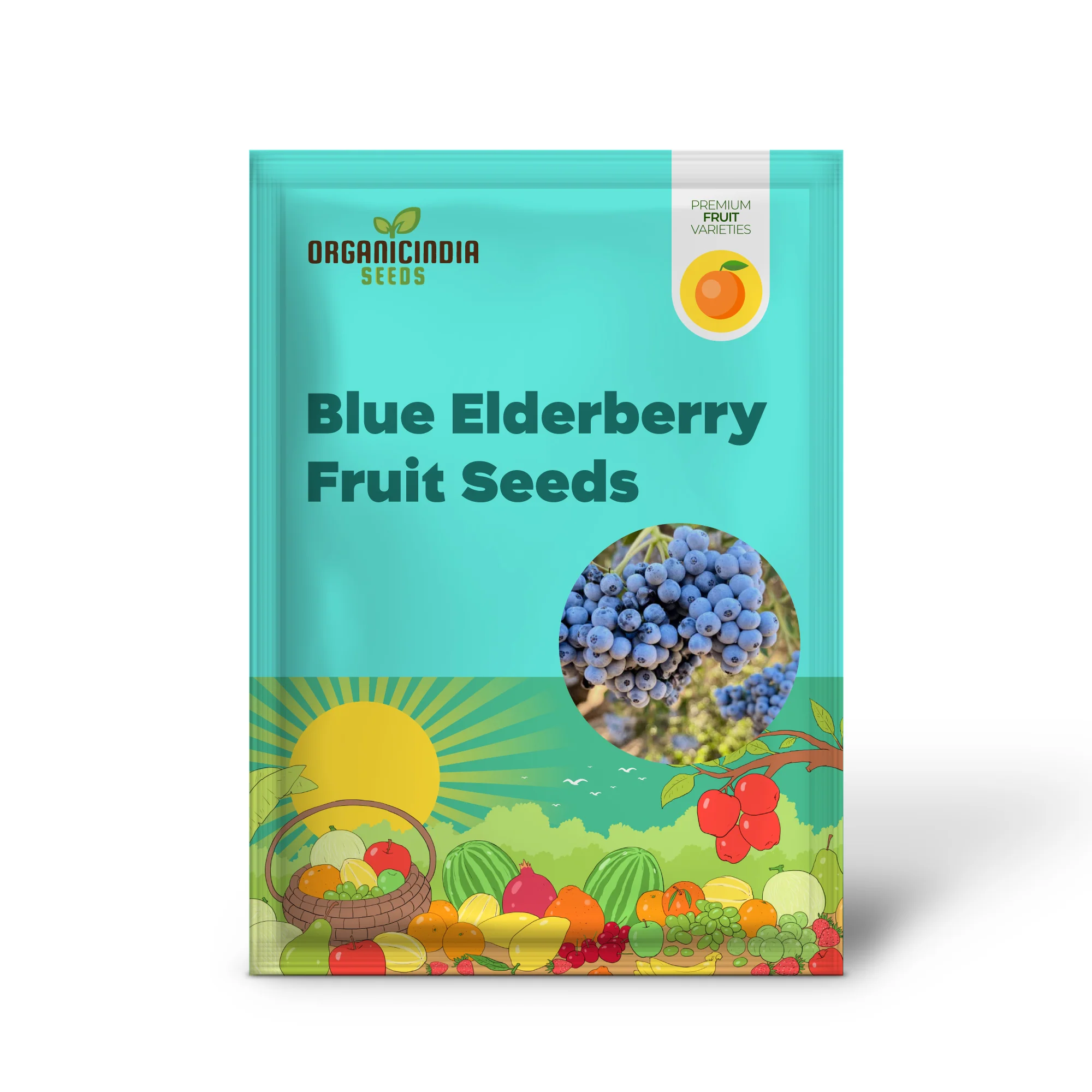
Blue Elderberry Fruit Seeds
Key Features:
-
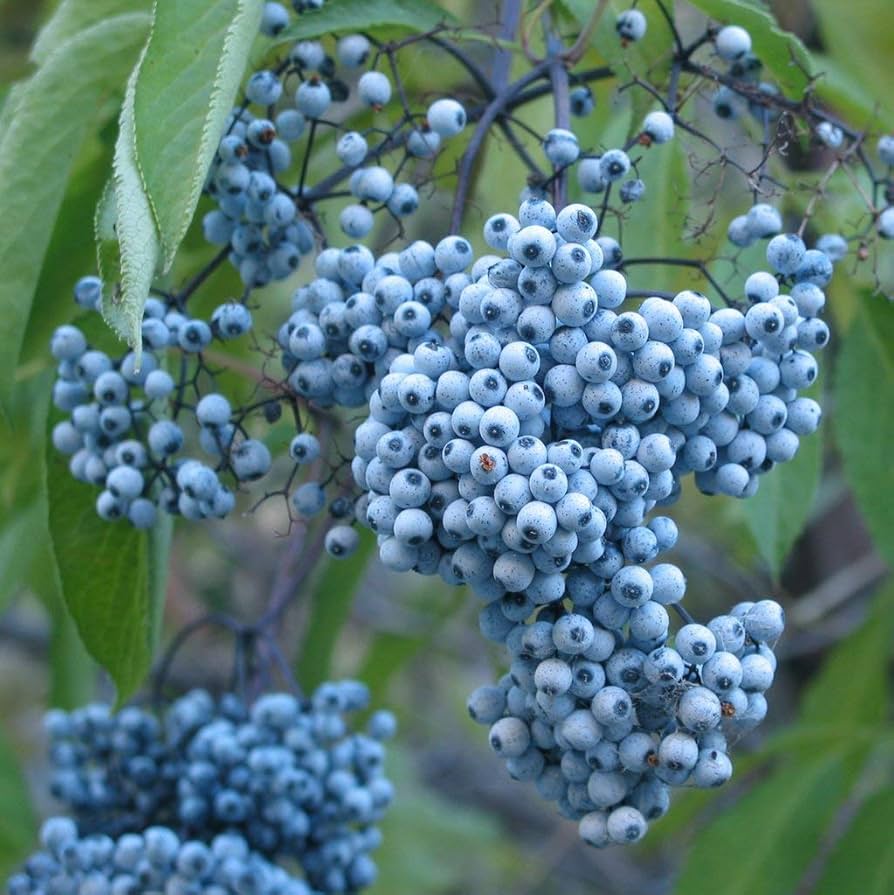
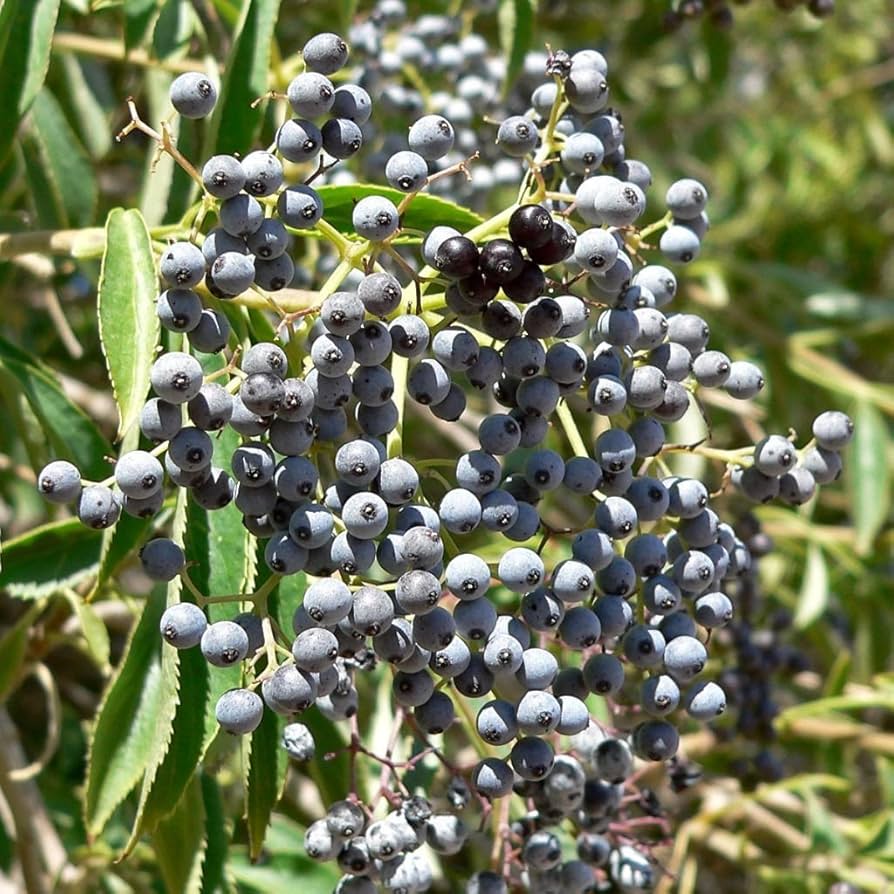
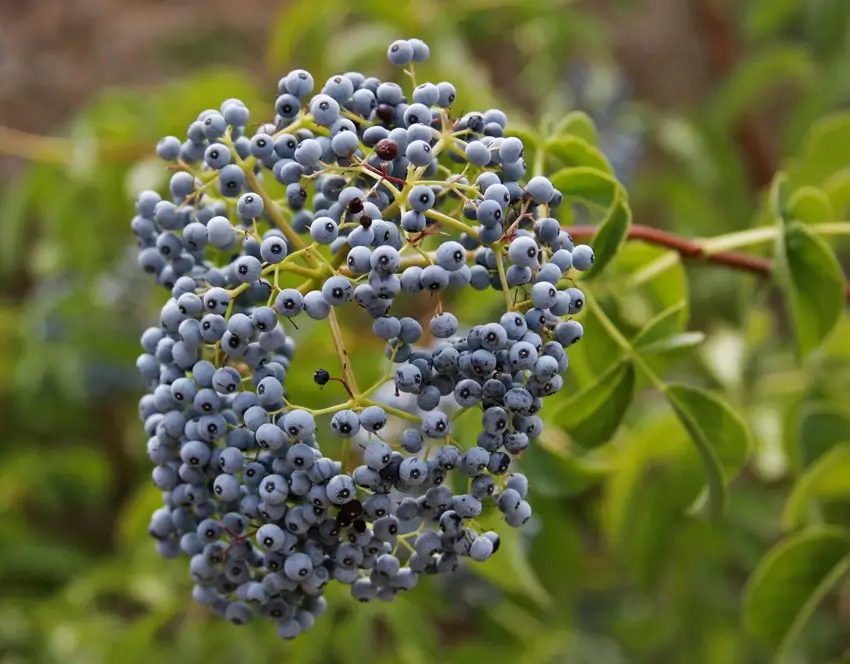
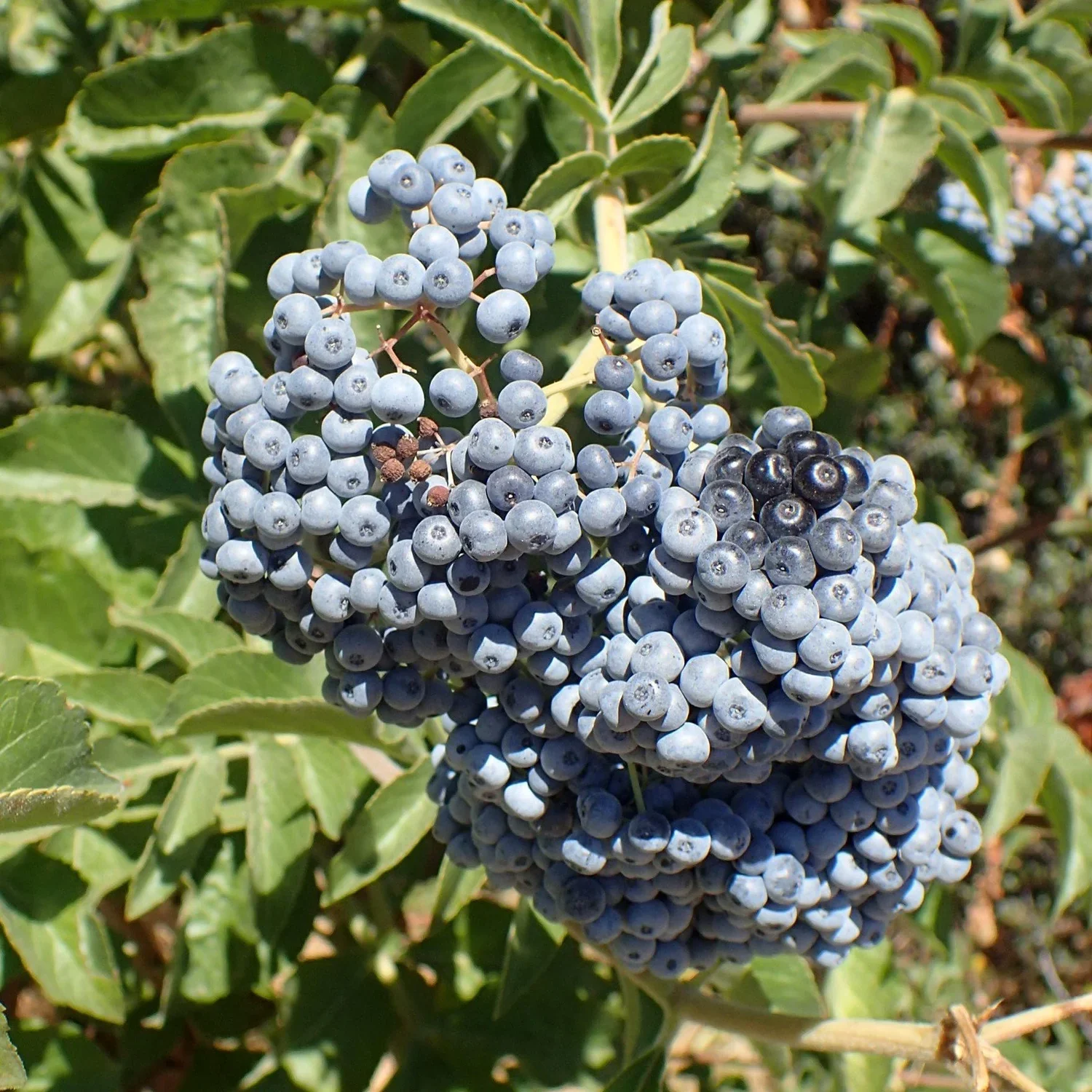
Nutrient-Rich Berries: Produces clusters of dark blue berries known for their antioxidant content.
-
Hardy & Productive: Cold-tolerant perennial shrub suited for various climates.
-
Non-GMO & Heirloom Seeds: Naturally bred seeds free from genetic modification.
-
Pollinator-Friendly: Attracts bees, butterflies, and beneficial wildlife.
-
Decorative & Edible: Ornamental white flowers followed by beautiful blue fruits.
-
Low-Maintenance Plant: Thrives in diverse soil types with minimal care.
Specifications:
-
Scientific Name: Sambucus cerulea
-
Common Name (US): Blue Elderberry
-
Plant Type: Deciduous Perennial Shrub
-
USDA Hardiness Zones: 3–10
-
Sun Exposure: Full Sun to Partial Shade
-
Soil Type: Well-drained loamy or sandy soil
-
Soil pH: 6.0–7.5
-
Growth Height: 6–15 feet tall
-
Spread: 5–12 feet
-
Bloom Season: Late Spring to Early Summer
-
Fruit Season: Late Summer to Early Fall
-
Fruit Description: Blue-black clusters of small, juicy berries
-
Seed Type: Non-GMO, Heirloom Variety
-
Water Requirements: Moderate; prefers evenly moist soil
-
Pollination: Cross-pollination (best with multiple plants)
-
Temperature for Germination: 65–75°F (18–24°C)
-
Germination Time: 30–60 days with cold stratification
-
Planting Depth: ¼ inch (0.6 cm)
-
Spacing: 6–10 feet apart
-
Lifespan: Long-lived perennial
-
Uses: Hedgerows, wildlife gardens, landscaping, natural berry production
Planting Guide:
-
Cold Stratification: Place seeds in a moist paper towel or sand and refrigerate for 60–90 days.
-
Sowing: After stratification, plant seeds ¼ inch deep in seed trays or pots with moist soil.
-
Transplanting: Move seedlings outdoors after frost risk has passed.
-
Sunlight: Provide full sun to partial shade for healthy growth.
-
Soil Preparation: Enrich planting area with compost or organic matter.
-
Watering: Water regularly, especially during flowering and fruiting.
-
Pruning: Prune older stems to encourage new growth and fruit production.
More Images
Blue Elderberry Fruit Seeds
Key Features:
-
Nutrient-Rich Berries: Produces clusters of dark blue berries known for their antioxidant content.
-
Hardy & Productive: Cold-tolerant perennial shrub suited for various climates.
-
Non-GMO & Heirloom Seeds: Naturally bred seeds free from genetic modification.
-
Pollinator-Friendly: Attracts bees, butterflies, and beneficial wildlife.
-
Decorative & Edible: Ornamental white flowers followed by beautiful blue fruits.
-
Low-Maintenance Plant: Thrives in diverse soil types with minimal care.
Specifications:
-
Scientific Name: Sambucus cerulea
-
Common Name (US): Blue Elderberry
-
Plant Type: Deciduous Perennial Shrub
-
USDA Hardiness Zones: 3–10
-
Sun Exposure: Full Sun to Partial Shade
-
Soil Type: Well-drained loamy or sandy soil
-
Soil pH: 6.0–7.5
-
Growth Height: 6–15 feet tall
-
Spread: 5–12 feet
-
Bloom Season: Late Spring to Early Summer
-
Fruit Season: Late Summer to Early Fall
-
Fruit Description: Blue-black clusters of small, juicy berries
-
Seed Type: Non-GMO, Heirloom Variety
-
Water Requirements: Moderate; prefers evenly moist soil
-
Pollination: Cross-pollination (best with multiple plants)
-
Temperature for Germination: 65–75°F (18–24°C)
-
Germination Time: 30–60 days with cold stratification
-
Planting Depth: ¼ inch (0.6 cm)
-
Spacing: 6–10 feet apart
-
Lifespan: Long-lived perennial
-
Uses: Hedgerows, wildlife gardens, landscaping, natural berry production
Planting Guide:
-
Cold Stratification: Place seeds in a moist paper towel or sand and refrigerate for 60–90 days.
-
Sowing: After stratification, plant seeds ¼ inch deep in seed trays or pots with moist soil.
-
Transplanting: Move seedlings outdoors after frost risk has passed.
-
Sunlight: Provide full sun to partial shade for healthy growth.
-
Soil Preparation: Enrich planting area with compost or organic matter.
-
Watering: Water regularly, especially during flowering and fruiting.
-
Pruning: Prune older stems to encourage new growth and fruit production.
Product Information
Product Information
Shipping & Returns
Shipping & Returns
Description
Key Features:
-
Nutrient-Rich Berries: Produces clusters of dark blue berries known for their antioxidant content.
-
Hardy & Productive: Cold-tolerant perennial shrub suited for various climates.
-
Non-GMO & Heirloom Seeds: Naturally bred seeds free from genetic modification.
-
Pollinator-Friendly: Attracts bees, butterflies, and beneficial wildlife.
-
Decorative & Edible: Ornamental white flowers followed by beautiful blue fruits.
-
Low-Maintenance Plant: Thrives in diverse soil types with minimal care.
Specifications:
-
Scientific Name: Sambucus cerulea
-
Common Name (US): Blue Elderberry
-
Plant Type: Deciduous Perennial Shrub
-
USDA Hardiness Zones: 3–10
-
Sun Exposure: Full Sun to Partial Shade
-
Soil Type: Well-drained loamy or sandy soil
-
Soil pH: 6.0–7.5
-
Growth Height: 6–15 feet tall
-
Spread: 5–12 feet
-
Bloom Season: Late Spring to Early Summer
-
Fruit Season: Late Summer to Early Fall
-
Fruit Description: Blue-black clusters of small, juicy berries
-
Seed Type: Non-GMO, Heirloom Variety
-
Water Requirements: Moderate; prefers evenly moist soil
-
Pollination: Cross-pollination (best with multiple plants)
-
Temperature for Germination: 65–75°F (18–24°C)
-
Germination Time: 30–60 days with cold stratification
-
Planting Depth: ¼ inch (0.6 cm)
-
Spacing: 6–10 feet apart
-
Lifespan: Long-lived perennial
-
Uses: Hedgerows, wildlife gardens, landscaping, natural berry production
Planting Guide:
-
Cold Stratification: Place seeds in a moist paper towel or sand and refrigerate for 60–90 days.
-
Sowing: After stratification, plant seeds ¼ inch deep in seed trays or pots with moist soil.
-
Transplanting: Move seedlings outdoors after frost risk has passed.
-
Sunlight: Provide full sun to partial shade for healthy growth.
-
Soil Preparation: Enrich planting area with compost or organic matter.
-
Watering: Water regularly, especially during flowering and fruiting.
-
Pruning: Prune older stems to encourage new growth and fruit production.