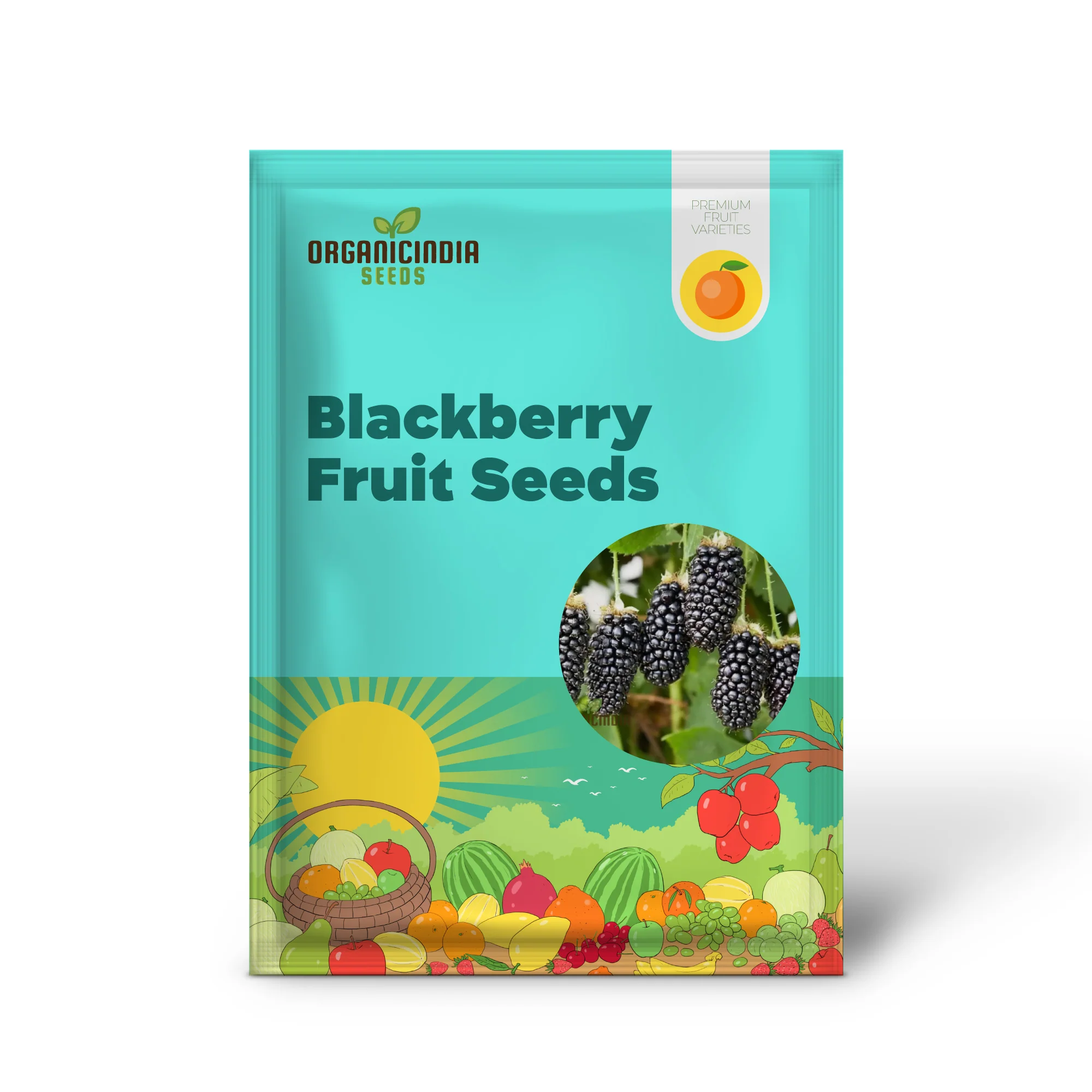
Blackberry Fruit Plant Seeds - Grow Your Own Bounty of Juicy Berries
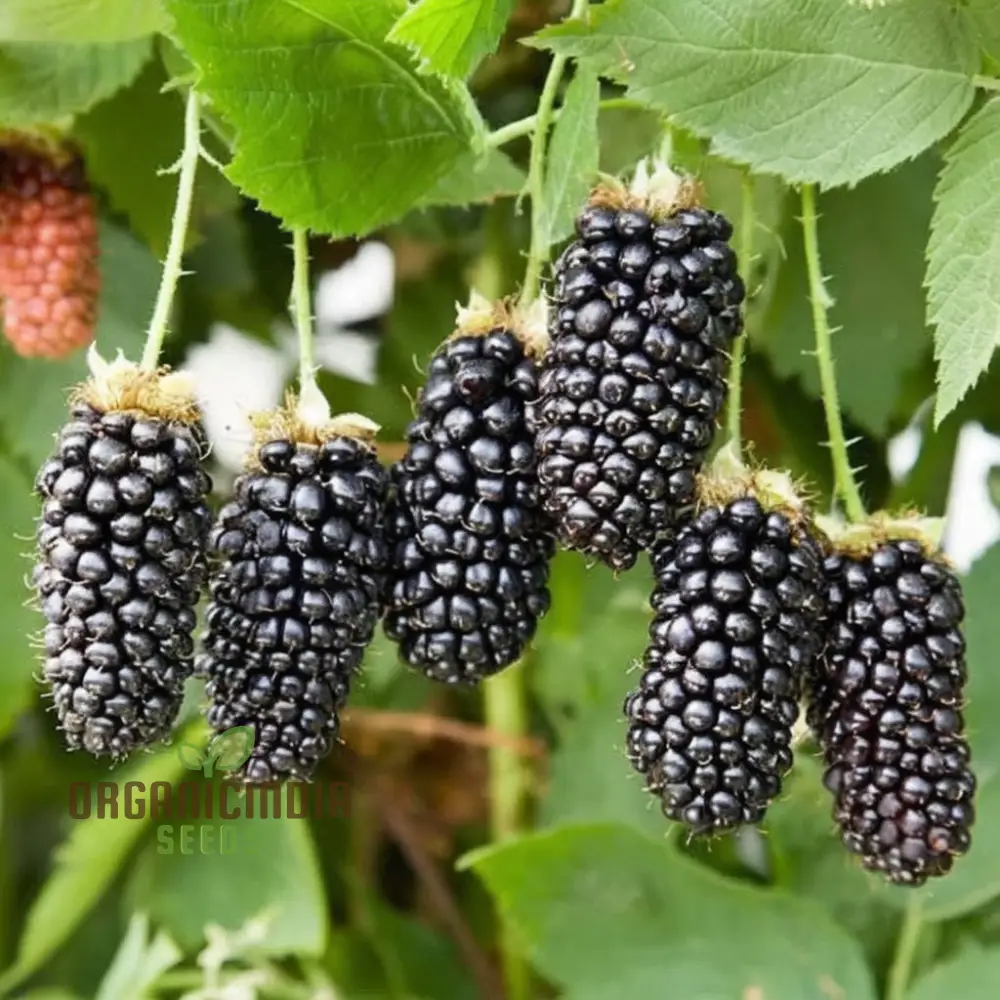
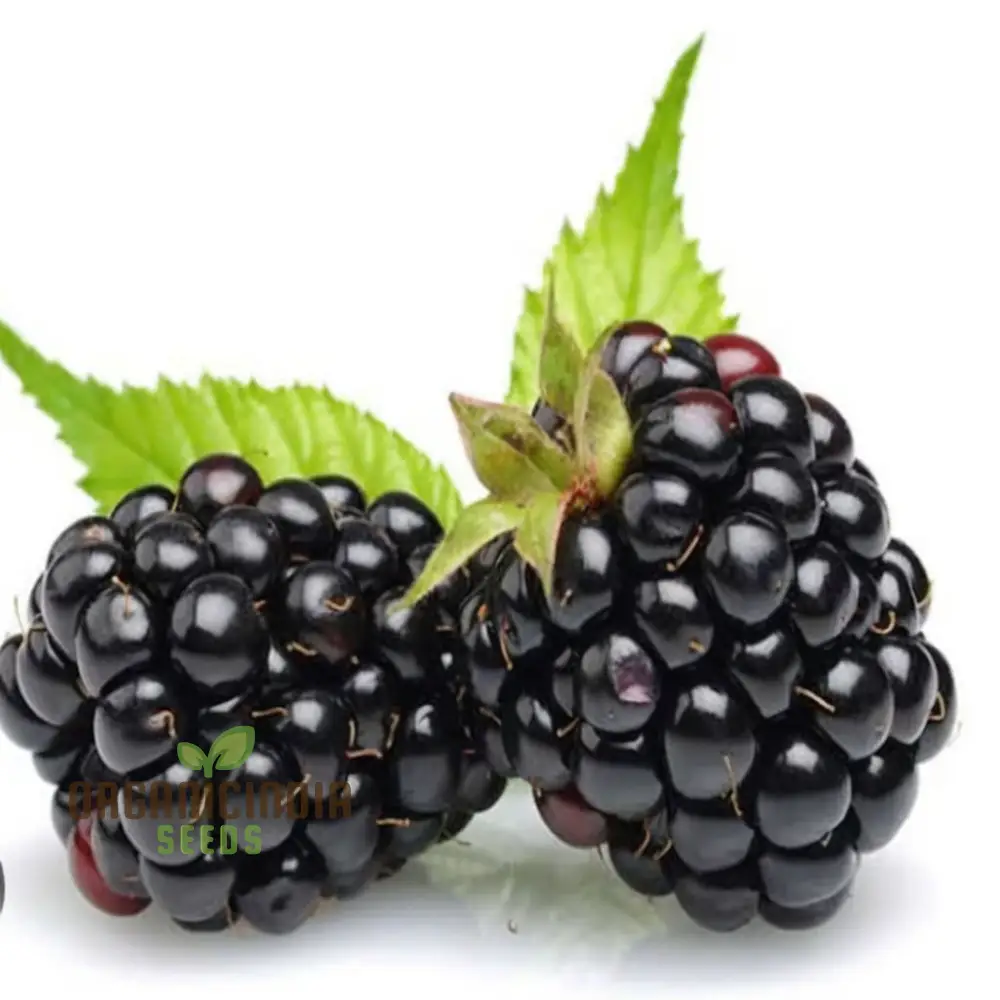
Grow your own Blackberry Plants (Rubus fruticosus) from premium Non-GMO seeds and enjoy bountiful harvests of rich, juicy berries. Blackberries are easy to grow, highly nutritious, and perfect for fresh eating, desserts, and preserves.
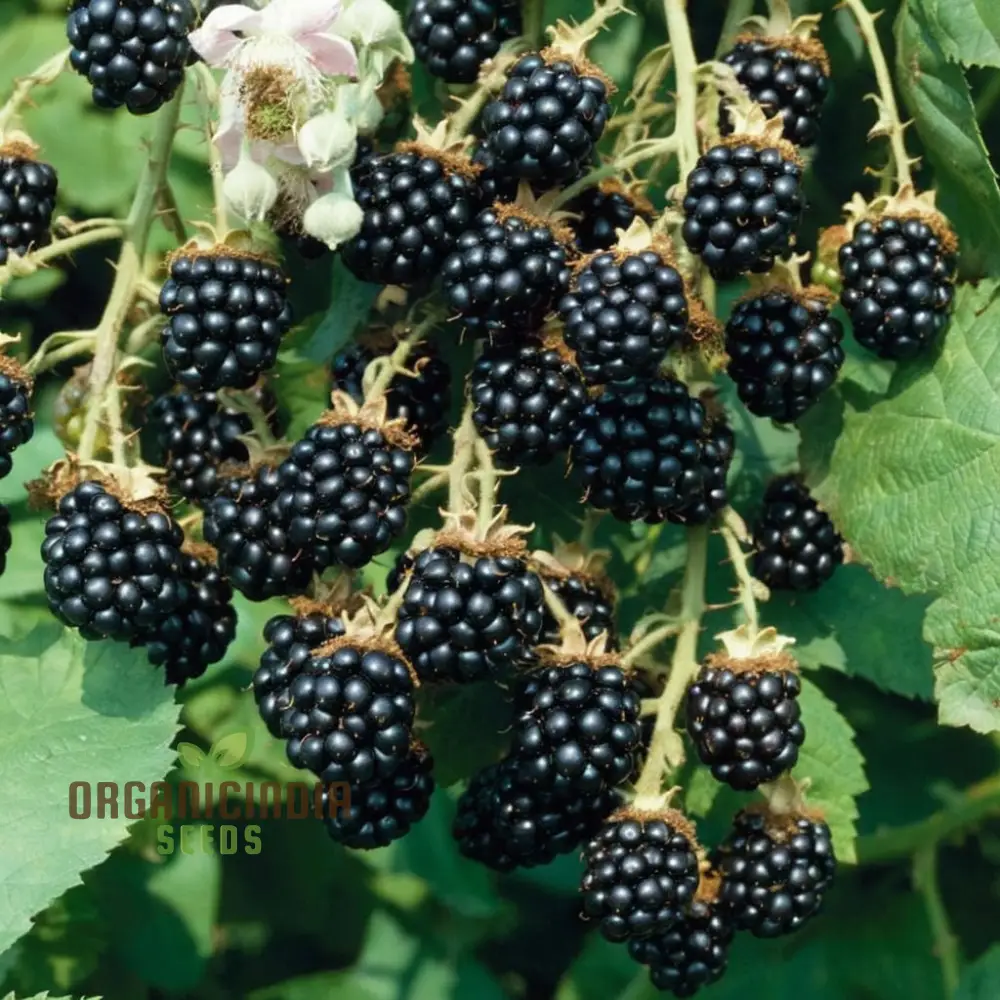
These vigorous, fast-growing plants thrive in sunny gardens and produce clusters of glossy black fruit that ripen through the summer months. Ideal for trellises, raised beds, or backyard gardens, blackberries are a rewarding addition to any home gardener’s collection.
Features:
-
Produces large, sweet, and juicy blackberries
-
Non-GMO and naturally sourced seeds
-
High-yield and easy to grow in most climates
-
Ideal for trellises, fences, and home gardens
-
Perfect for smoothies, baking, and preserves
Specifications:
-
Common Name: Blackberry
-
Scientific Name: Rubus fruticosus
-
Plant Type: Perennial fruiting shrub
-
Growth Habit: Trailing or erect canes
-
Height: 3–6 feet (0.9–1.8 m)
-
Spread: 4–8 feet (1.2–2.4 m)
-
Fruit Characteristics: Large, black, sweet berries
-
Bloom Time: Late spring
-
Harvest Season: Mid to late summer
-
USDA Hardiness Zones: 5–10
-
Sun Exposure: Full sun (6–8 hours daily)
-
Soil Type: Well-drained loamy soil, rich in organic matter
-
Soil pH: 5.5–7.0
-
Watering: Moderate; maintain even moisture during fruiting
-
Temperature Range: 60–85°F (15–29°C)
-
Season: Best planted in spring
-
Germination Time: 30–60 days (requires cold stratification)
-
Plant Spacing: 3–5 feet apart
-
Pollination: Self-fertile
-
GMO Status: Non-GMO
-
Organic Status: Naturally grown (non-certified)
Planting Guide:
-
Stratify seeds by chilling for 30–45 days at 35–40°F.
-
Sow ¼ inch deep in moist, well-drained soil.
-
Keep soil evenly moist and warm (70–80°F) for germination.
-
Transplant seedlings outdoors after frost danger passes.
-
Provide trellis or wire support for canes.
-
Prune yearly to encourage new growth and improve yield.
More Images
Blackberry Fruit Plant Seeds - Grow Your Own Bounty of Juicy Berries
Grow your own Blackberry Plants (Rubus fruticosus) from premium Non-GMO seeds and enjoy bountiful harvests of rich, juicy berries. Blackberries are easy to grow, highly nutritious, and perfect for fresh eating, desserts, and preserves.
These vigorous, fast-growing plants thrive in sunny gardens and produce clusters of glossy black fruit that ripen through the summer months. Ideal for trellises, raised beds, or backyard gardens, blackberries are a rewarding addition to any home gardener’s collection.
Features:
-
Produces large, sweet, and juicy blackberries
-
Non-GMO and naturally sourced seeds
-
High-yield and easy to grow in most climates
-
Ideal for trellises, fences, and home gardens
-
Perfect for smoothies, baking, and preserves
Specifications:
-
Common Name: Blackberry
-
Scientific Name: Rubus fruticosus
-
Plant Type: Perennial fruiting shrub
-
Growth Habit: Trailing or erect canes
-
Height: 3–6 feet (0.9–1.8 m)
-
Spread: 4–8 feet (1.2–2.4 m)
-
Fruit Characteristics: Large, black, sweet berries
-
Bloom Time: Late spring
-
Harvest Season: Mid to late summer
-
USDA Hardiness Zones: 5–10
-
Sun Exposure: Full sun (6–8 hours daily)
-
Soil Type: Well-drained loamy soil, rich in organic matter
-
Soil pH: 5.5–7.0
-
Watering: Moderate; maintain even moisture during fruiting
-
Temperature Range: 60–85°F (15–29°C)
-
Season: Best planted in spring
-
Germination Time: 30–60 days (requires cold stratification)
-
Plant Spacing: 3–5 feet apart
-
Pollination: Self-fertile
-
GMO Status: Non-GMO
-
Organic Status: Naturally grown (non-certified)
Planting Guide:
-
Stratify seeds by chilling for 30–45 days at 35–40°F.
-
Sow ¼ inch deep in moist, well-drained soil.
-
Keep soil evenly moist and warm (70–80°F) for germination.
-
Transplant seedlings outdoors after frost danger passes.
-
Provide trellis or wire support for canes.
-
Prune yearly to encourage new growth and improve yield.
Product Information
Product Information
Shipping & Returns
Shipping & Returns
Description
Grow your own Blackberry Plants (Rubus fruticosus) from premium Non-GMO seeds and enjoy bountiful harvests of rich, juicy berries. Blackberries are easy to grow, highly nutritious, and perfect for fresh eating, desserts, and preserves.
These vigorous, fast-growing plants thrive in sunny gardens and produce clusters of glossy black fruit that ripen through the summer months. Ideal for trellises, raised beds, or backyard gardens, blackberries are a rewarding addition to any home gardener’s collection.
Features:
-
Produces large, sweet, and juicy blackberries
-
Non-GMO and naturally sourced seeds
-
High-yield and easy to grow in most climates
-
Ideal for trellises, fences, and home gardens
-
Perfect for smoothies, baking, and preserves
Specifications:
-
Common Name: Blackberry
-
Scientific Name: Rubus fruticosus
-
Plant Type: Perennial fruiting shrub
-
Growth Habit: Trailing or erect canes
-
Height: 3–6 feet (0.9–1.8 m)
-
Spread: 4–8 feet (1.2–2.4 m)
-
Fruit Characteristics: Large, black, sweet berries
-
Bloom Time: Late spring
-
Harvest Season: Mid to late summer
-
USDA Hardiness Zones: 5–10
-
Sun Exposure: Full sun (6–8 hours daily)
-
Soil Type: Well-drained loamy soil, rich in organic matter
-
Soil pH: 5.5–7.0
-
Watering: Moderate; maintain even moisture during fruiting
-
Temperature Range: 60–85°F (15–29°C)
-
Season: Best planted in spring
-
Germination Time: 30–60 days (requires cold stratification)
-
Plant Spacing: 3–5 feet apart
-
Pollination: Self-fertile
-
GMO Status: Non-GMO
-
Organic Status: Naturally grown (non-certified)
Planting Guide:
-
Stratify seeds by chilling for 30–45 days at 35–40°F.
-
Sow ¼ inch deep in moist, well-drained soil.
-
Keep soil evenly moist and warm (70–80°F) for germination.
-
Transplant seedlings outdoors after frost danger passes.
-
Provide trellis or wire support for canes.
-
Prune yearly to encourage new growth and improve yield.