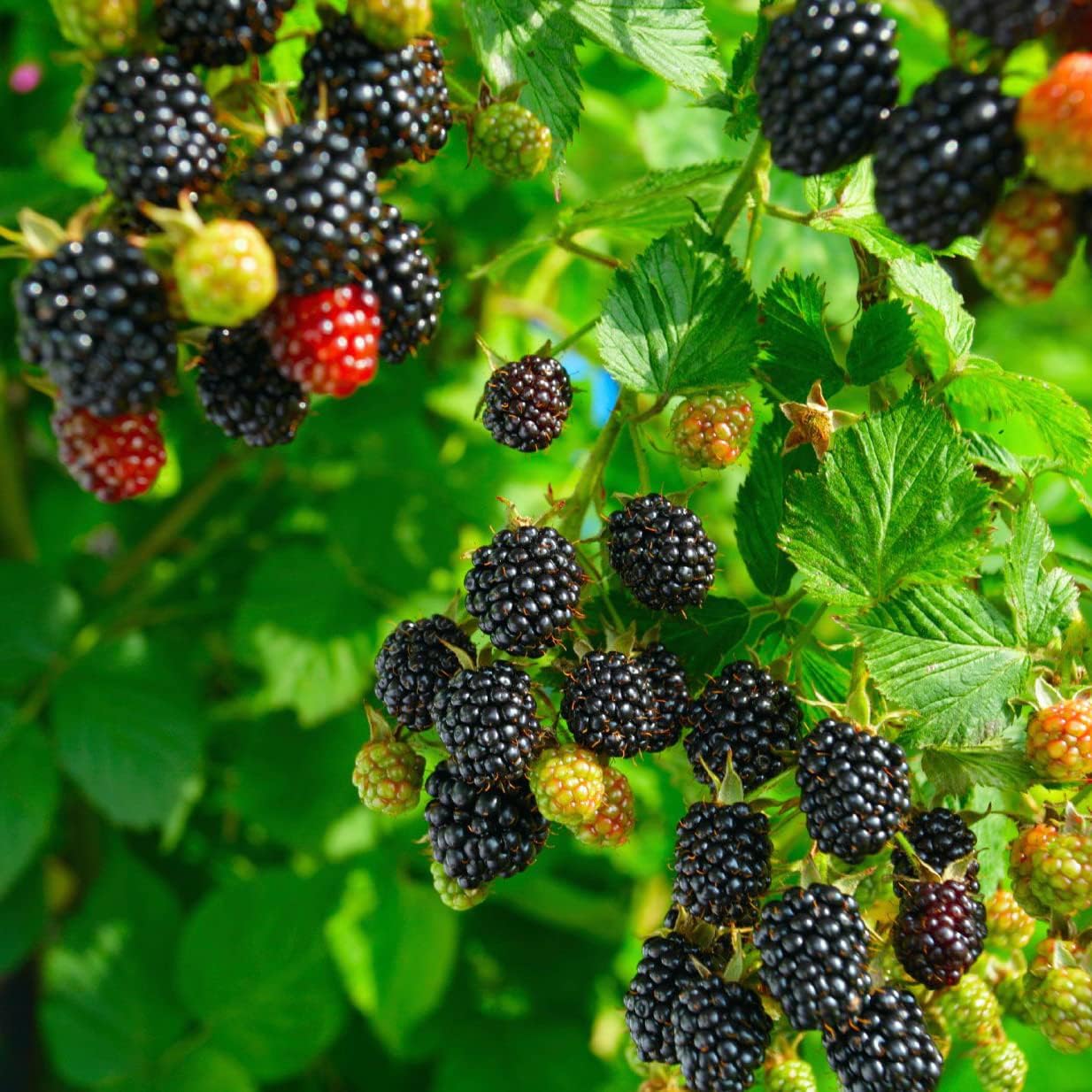
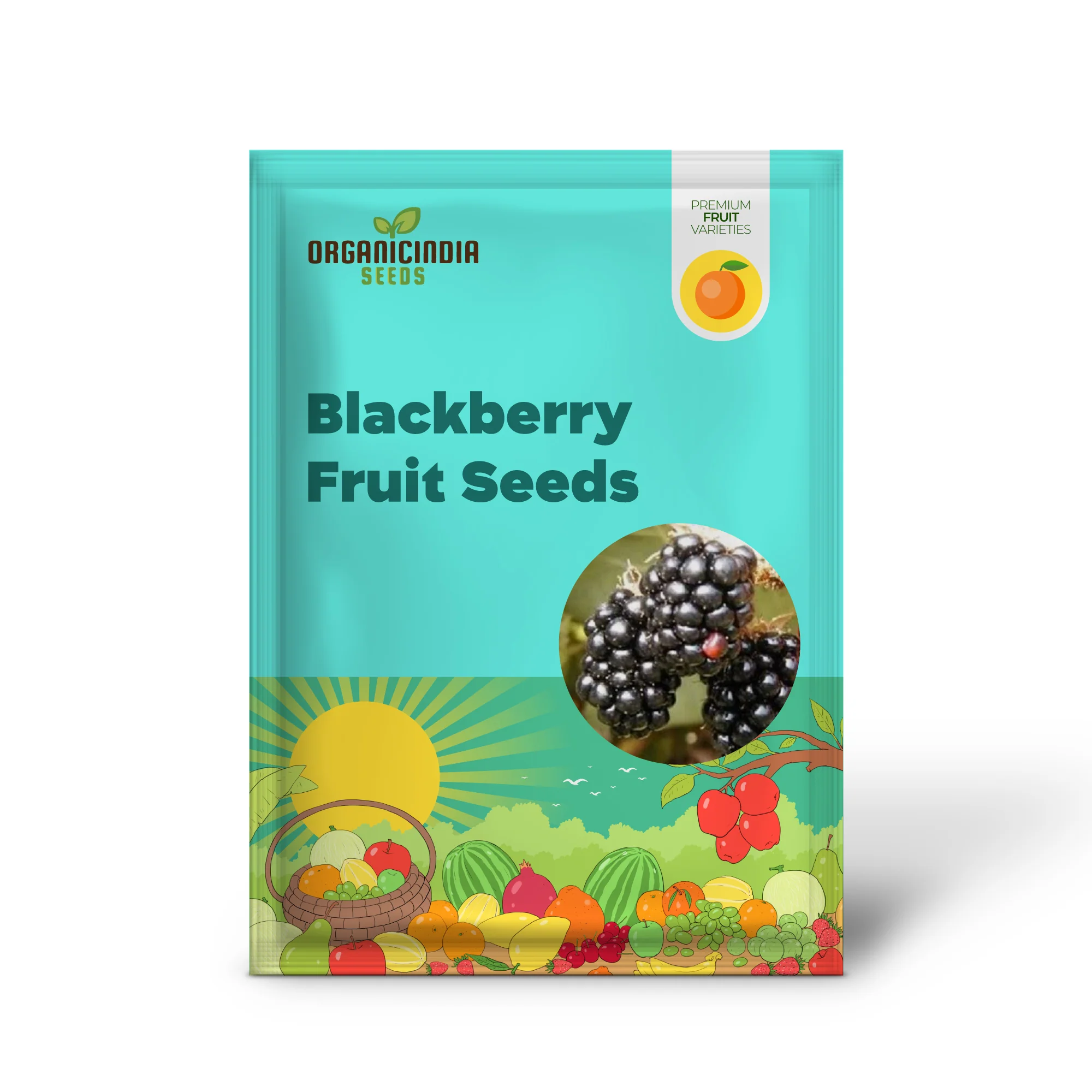
Blackberry Fruit Seeds
Key Features:
-
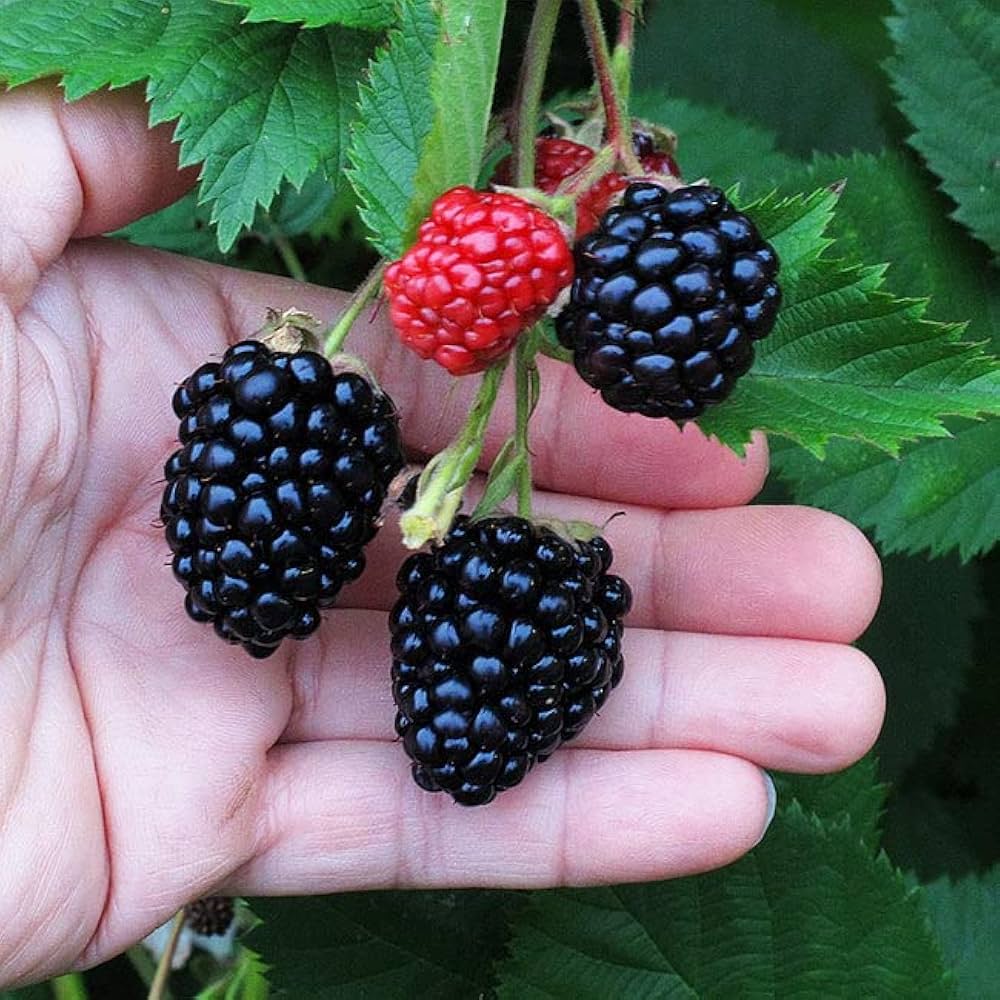
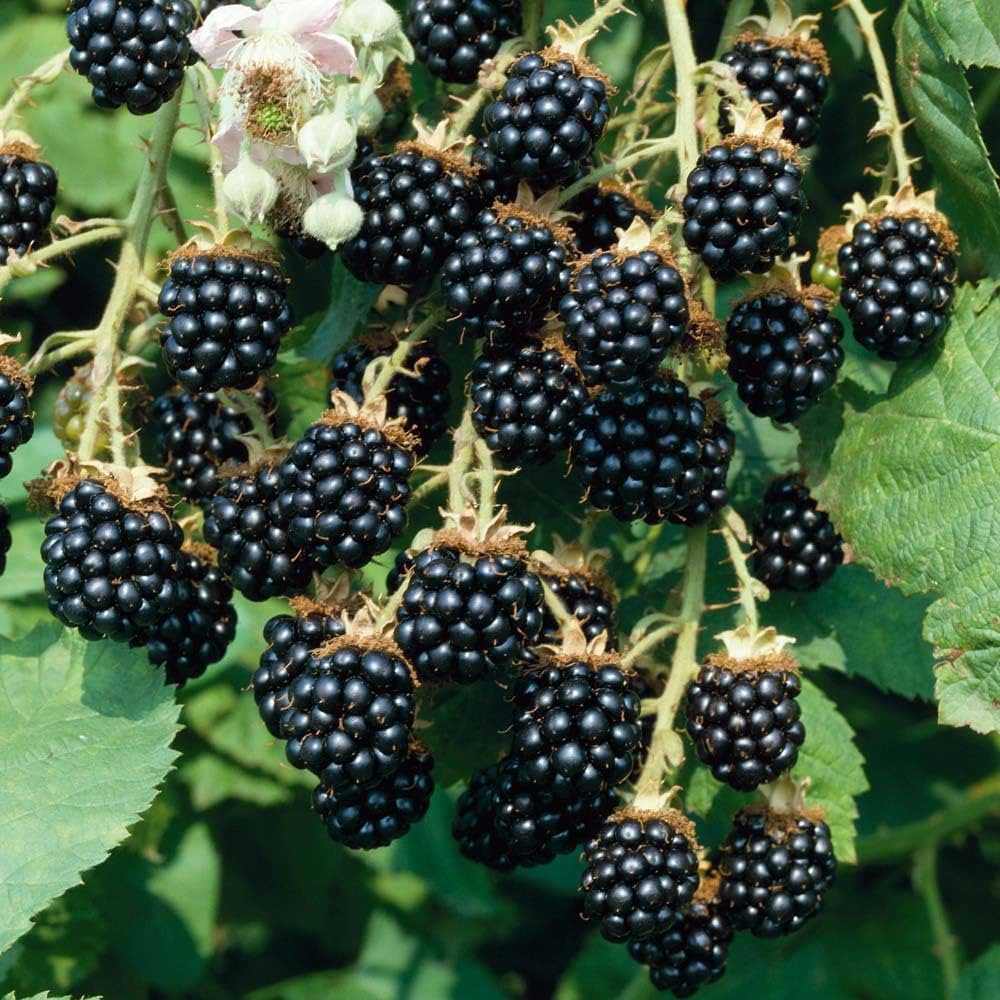
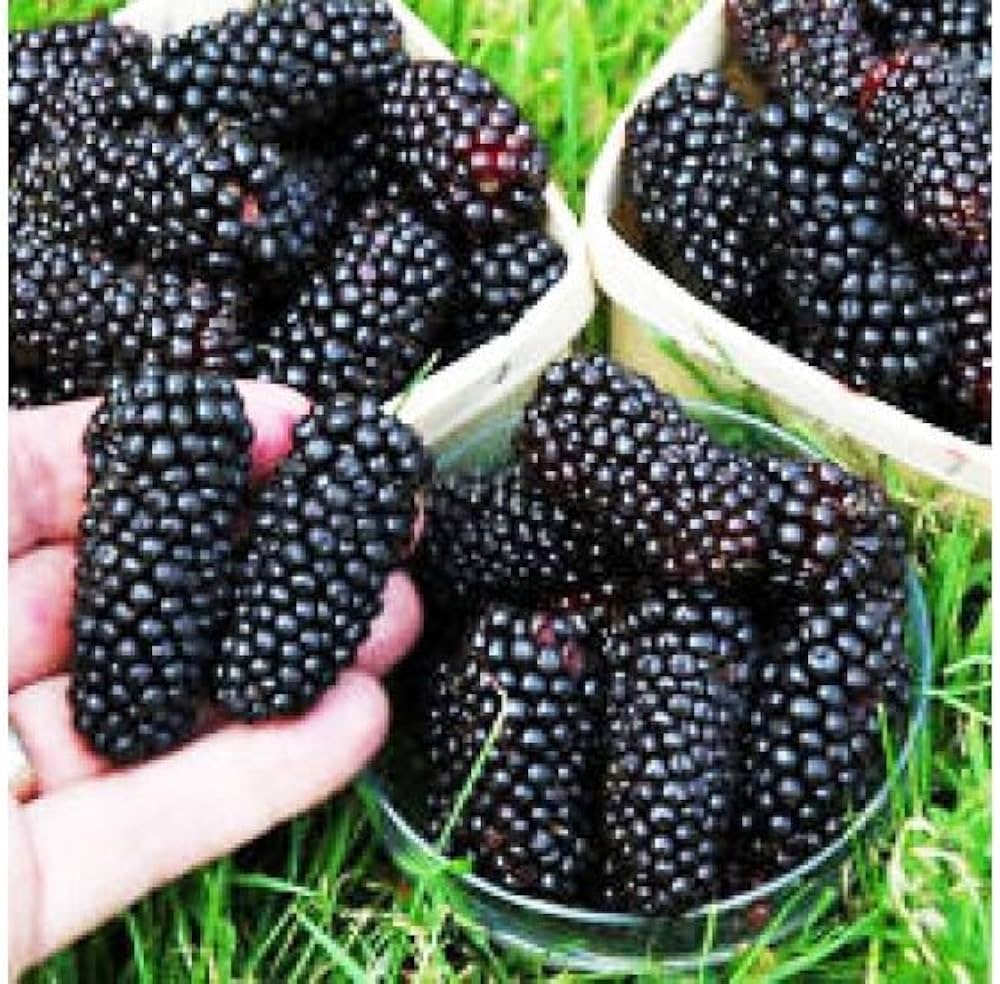
High-Yield Fruiting Shrub: Produces clusters of juicy, sweet-tart blackberries.
-
Cold-Hardy & Adaptable: Thrives in temperate climates and tolerates light frost.
-
Non-GMO & Heirloom Seeds: Naturally sourced, free from genetic modification.
-
Low Maintenance: Easy to grow with minimal care once established.
-
Nutrient-Rich Fruit: Packed with fiber, vitamins, and antioxidants.
-
Great for Pollinators: White spring flowers attract bees and butterflies.
-
Ideal for Home Gardens: Can be trained on trellises or grown as a compact shrub.
Specifications:
-
Scientific Name: Rubus fruticosus
-
Common Name (US): Blackberry
-
Plant Type: Deciduous Fruiting Shrub / Climber
-
Growth Height: 3–10 feet (1–3 meters)
-
USDA Hardiness Zones: 5–10
-
Sun Exposure: Full Sun
-
Soil Type: Well-drained loamy or sandy soil
-
Soil pH: 5.5–7.0
-
Water Requirements: Moderate; consistent moisture during fruiting
-
Temperature for Germination: 65–75°F (18–24°C)
-
Germination Time: 30–90 days (requires stratification)
-
Planting Depth: 1/8 inch (0.3 cm)
-
Spacing: 2–4 feet apart
-
Bloom Season: Spring
-
Fruit Season: Summer to Early Fall
-
Seed Type: Non-GMO, Heirloom Variety
-
Pollination: Self-fertile but higher yields with cross-pollination
-
Lifespan: Perennial (up to 10–15 years)
-
Uses: Fresh eating, jams, desserts, smoothies, and hedgerows
Planting Guide:
-
Seed Stratification: Store seeds in moist peat moss at 35–40°F (2–4°C) for 60–90 days.
-
Sowing: Sow stratified seeds 1/8 inch deep in seed-starting mix.
-
Temperature & Light: Maintain 65–75°F and provide indirect light.
-
Watering: Keep soil evenly moist but avoid standing water.
-
Transplanting: Move seedlings outdoors after frost danger passes.
-
Soil Preparation: Mix compost for better drainage and nutrition.
-
Pruning: Prune canes annually after fruiting to encourage new growth.
-
Fertilization: Apply organic compost or balanced fertilizer in early spring.
Original: $16.99
-65%$16.99
$5.95More Images
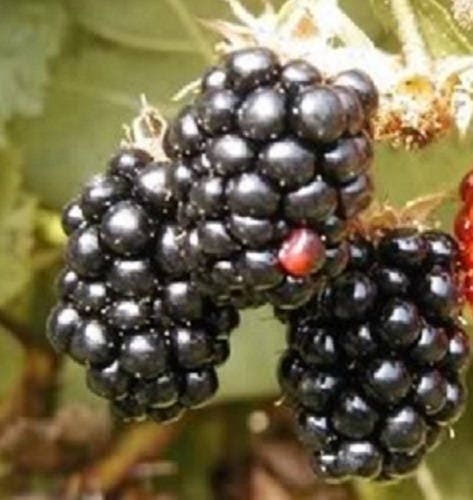
Blackberry Fruit Seeds
Key Features:
-
High-Yield Fruiting Shrub: Produces clusters of juicy, sweet-tart blackberries.
-
Cold-Hardy & Adaptable: Thrives in temperate climates and tolerates light frost.
-
Non-GMO & Heirloom Seeds: Naturally sourced, free from genetic modification.
-
Low Maintenance: Easy to grow with minimal care once established.
-
Nutrient-Rich Fruit: Packed with fiber, vitamins, and antioxidants.
-
Great for Pollinators: White spring flowers attract bees and butterflies.
-
Ideal for Home Gardens: Can be trained on trellises or grown as a compact shrub.
Specifications:
-
Scientific Name: Rubus fruticosus
-
Common Name (US): Blackberry
-
Plant Type: Deciduous Fruiting Shrub / Climber
-
Growth Height: 3–10 feet (1–3 meters)
-
USDA Hardiness Zones: 5–10
-
Sun Exposure: Full Sun
-
Soil Type: Well-drained loamy or sandy soil
-
Soil pH: 5.5–7.0
-
Water Requirements: Moderate; consistent moisture during fruiting
-
Temperature for Germination: 65–75°F (18–24°C)
-
Germination Time: 30–90 days (requires stratification)
-
Planting Depth: 1/8 inch (0.3 cm)
-
Spacing: 2–4 feet apart
-
Bloom Season: Spring
-
Fruit Season: Summer to Early Fall
-
Seed Type: Non-GMO, Heirloom Variety
-
Pollination: Self-fertile but higher yields with cross-pollination
-
Lifespan: Perennial (up to 10–15 years)
-
Uses: Fresh eating, jams, desserts, smoothies, and hedgerows
Planting Guide:
-
Seed Stratification: Store seeds in moist peat moss at 35–40°F (2–4°C) for 60–90 days.
-
Sowing: Sow stratified seeds 1/8 inch deep in seed-starting mix.
-
Temperature & Light: Maintain 65–75°F and provide indirect light.
-
Watering: Keep soil evenly moist but avoid standing water.
-
Transplanting: Move seedlings outdoors after frost danger passes.
-
Soil Preparation: Mix compost for better drainage and nutrition.
-
Pruning: Prune canes annually after fruiting to encourage new growth.
-
Fertilization: Apply organic compost or balanced fertilizer in early spring.
Product Information
Product Information
Shipping & Returns
Shipping & Returns
Description
Key Features:
-
High-Yield Fruiting Shrub: Produces clusters of juicy, sweet-tart blackberries.
-
Cold-Hardy & Adaptable: Thrives in temperate climates and tolerates light frost.
-
Non-GMO & Heirloom Seeds: Naturally sourced, free from genetic modification.
-
Low Maintenance: Easy to grow with minimal care once established.
-
Nutrient-Rich Fruit: Packed with fiber, vitamins, and antioxidants.
-
Great for Pollinators: White spring flowers attract bees and butterflies.
-
Ideal for Home Gardens: Can be trained on trellises or grown as a compact shrub.
Specifications:
-
Scientific Name: Rubus fruticosus
-
Common Name (US): Blackberry
-
Plant Type: Deciduous Fruiting Shrub / Climber
-
Growth Height: 3–10 feet (1–3 meters)
-
USDA Hardiness Zones: 5–10
-
Sun Exposure: Full Sun
-
Soil Type: Well-drained loamy or sandy soil
-
Soil pH: 5.5–7.0
-
Water Requirements: Moderate; consistent moisture during fruiting
-
Temperature for Germination: 65–75°F (18–24°C)
-
Germination Time: 30–90 days (requires stratification)
-
Planting Depth: 1/8 inch (0.3 cm)
-
Spacing: 2–4 feet apart
-
Bloom Season: Spring
-
Fruit Season: Summer to Early Fall
-
Seed Type: Non-GMO, Heirloom Variety
-
Pollination: Self-fertile but higher yields with cross-pollination
-
Lifespan: Perennial (up to 10–15 years)
-
Uses: Fresh eating, jams, desserts, smoothies, and hedgerows
Planting Guide:
-
Seed Stratification: Store seeds in moist peat moss at 35–40°F (2–4°C) for 60–90 days.
-
Sowing: Sow stratified seeds 1/8 inch deep in seed-starting mix.
-
Temperature & Light: Maintain 65–75°F and provide indirect light.
-
Watering: Keep soil evenly moist but avoid standing water.
-
Transplanting: Move seedlings outdoors after frost danger passes.
-
Soil Preparation: Mix compost for better drainage and nutrition.
-
Pruning: Prune canes annually after fruiting to encourage new growth.
-
Fertilization: Apply organic compost or balanced fertilizer in early spring.