Black Elderberry (Sambucus nigra) – Seeds
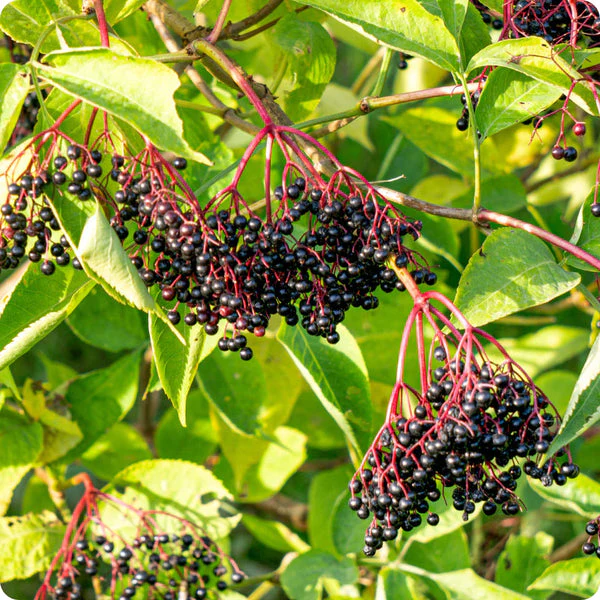
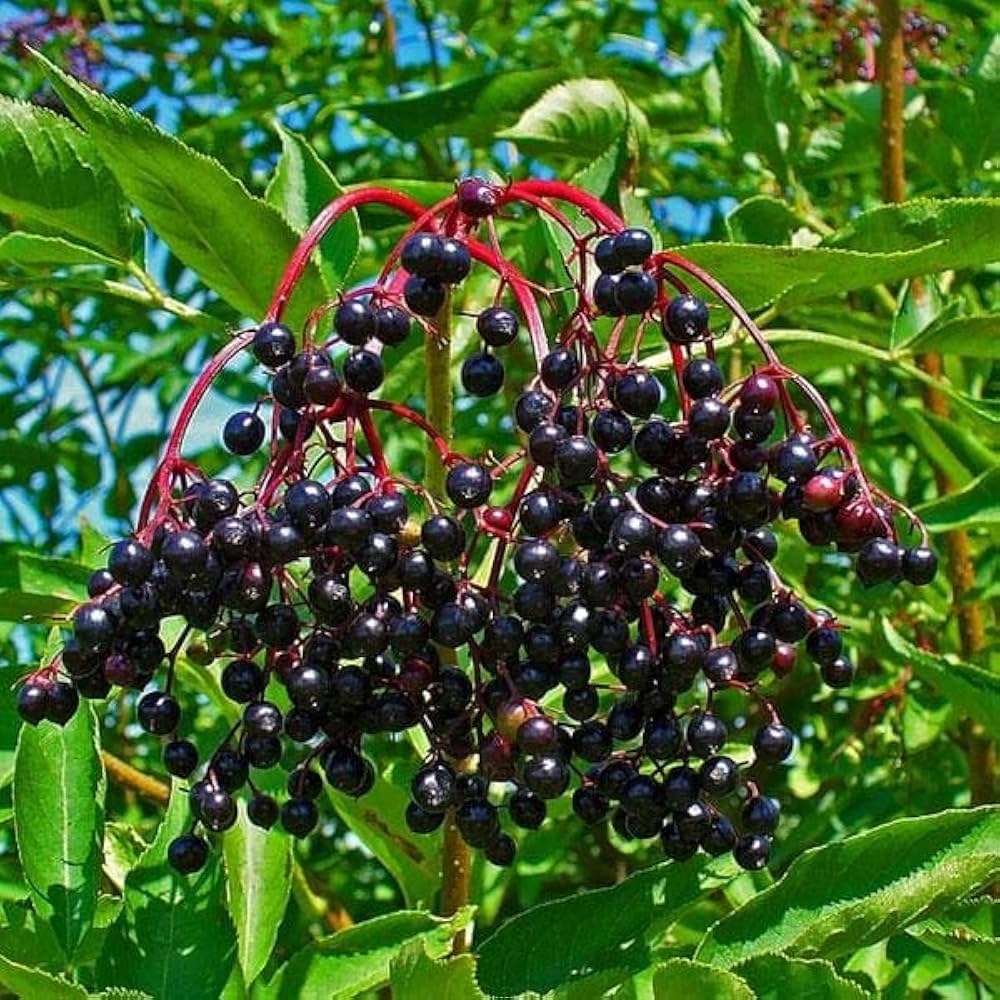
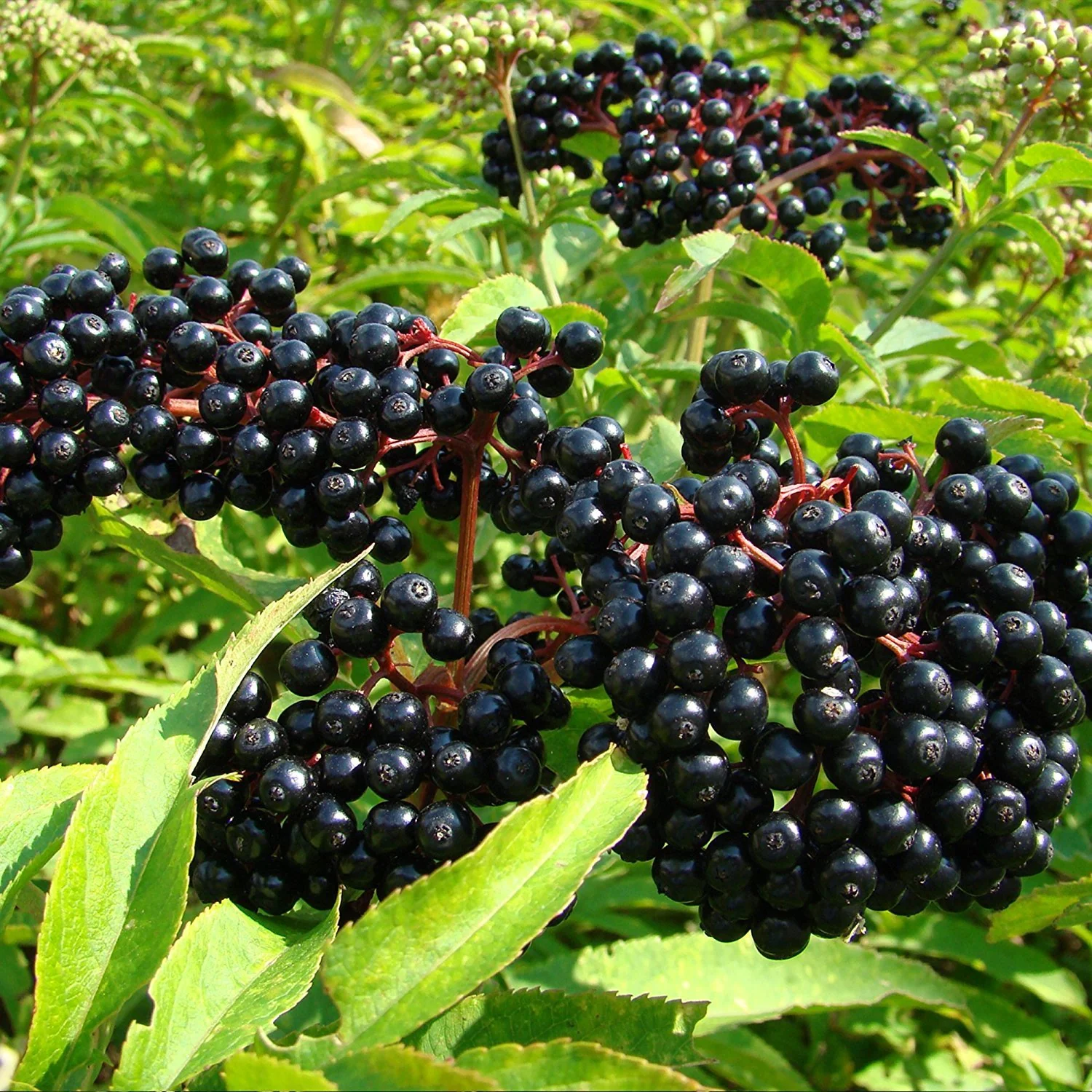
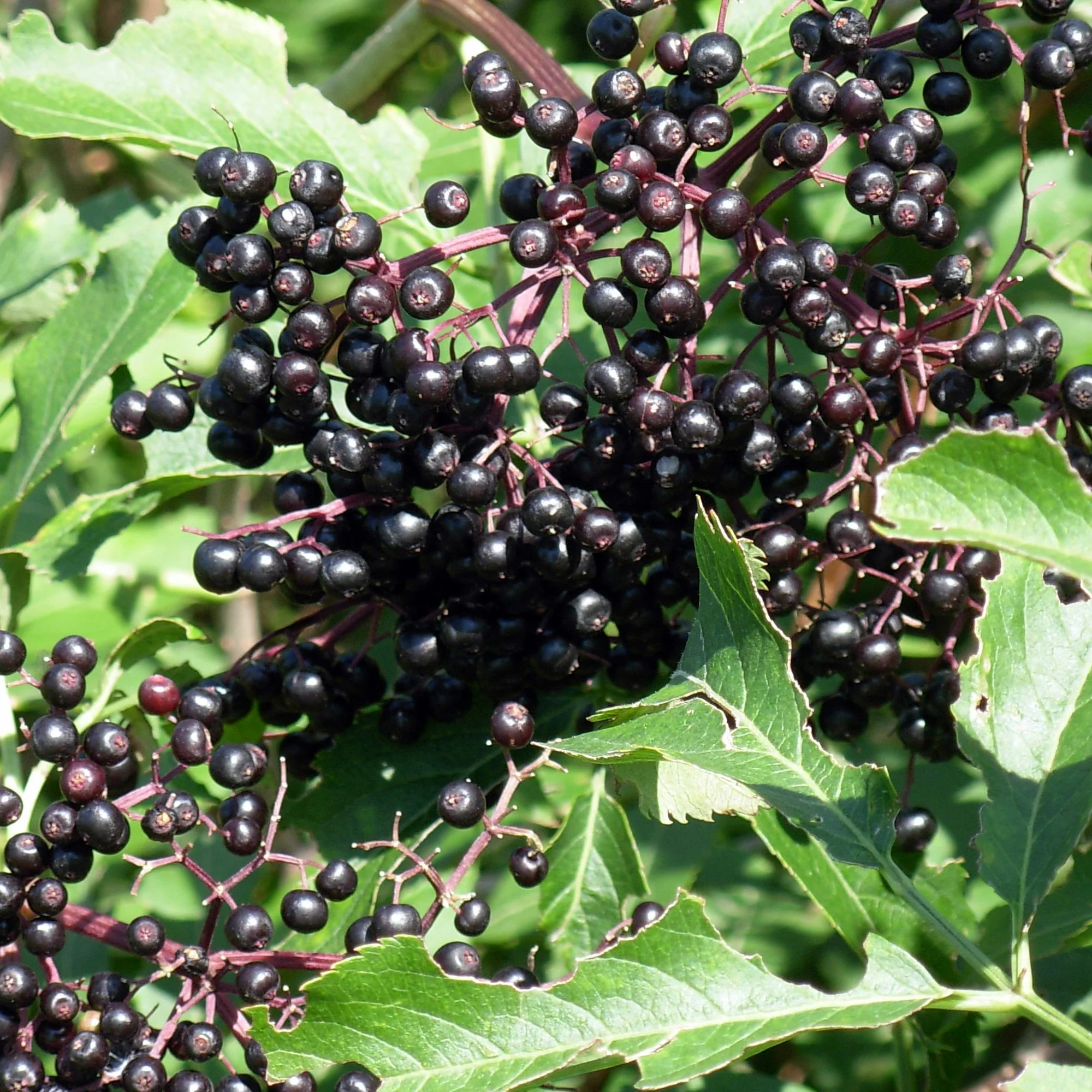
Black Elderberry (Sambucus nigra) is a hardy, vigorous shrub widely appreciated for its attractive foliage, fragrant white blossoms, and abundant clusters of deep purple berries. This adaptable species thrives in a variety of climates and soil conditions, making it ideal for home gardens, boundary plantings, and natural landscapes. Fast-growing and low maintenance, it’s an excellent choice for gardeners of all experience levels.
Key Features
-
Hardy, fast-growing berry shrub
-
Produces clusters of dark purple elderberries
-
Fragrant white blooms attract pollinators
-
Thrives in a wide range of soil types
-
Suitable for hedges, borders, and garden landscapes
-
Easy to grow from seed with proper stratification
-
High-quality, non-GMO seed stock
Specifications
-
Common Name: Black Elderberry
-
Botanical Name: Sambucus nigra
-
Seed Type: Non-GMO
-
Plant Type: Deciduous shrub
-
Growth Rate: Fast
-
USDA Hardiness Zones: 4–8
-
Sowing Season: Late Winter to Spring
-
Soil Preference: Moist, well-drained loam; adaptable to clay and sandy soils
-
Sun Exposure: Full sun to partial shade
-
Water Needs: Moderate
-
Germination Time: 2–3 months (requires cold stratification)
-
Mature Height: 8–15 ft
-
Spacing: 8–10 ft
-
Special Traits: Pollinator-friendly, cold hardy, ornamental blooms
Planting Guide
-
Stratification: Cold stratify seeds for 8–12 weeks for best germination.
-
Sowing Depth: Sow ¼ inch deep in well-drained soil.
-
Temperature: Maintain 65–75°F (18–24°C) after stratification.
-
Light Exposure: Full sun increases berry production; partial shade tolerated.
-
Watering: Keep evenly moist during early growth; moderate moisture afterward.
-
Transplanting: Move seedlings outdoors once frost risk is gone.
-
Shrub Care: Prune older stems in late winter to encourage new growth.
-
Ideal Use: Borders, hedges, wildlife gardens, and natural landscaping.
Original: $16.99
-65%$16.99
$5.95More Images
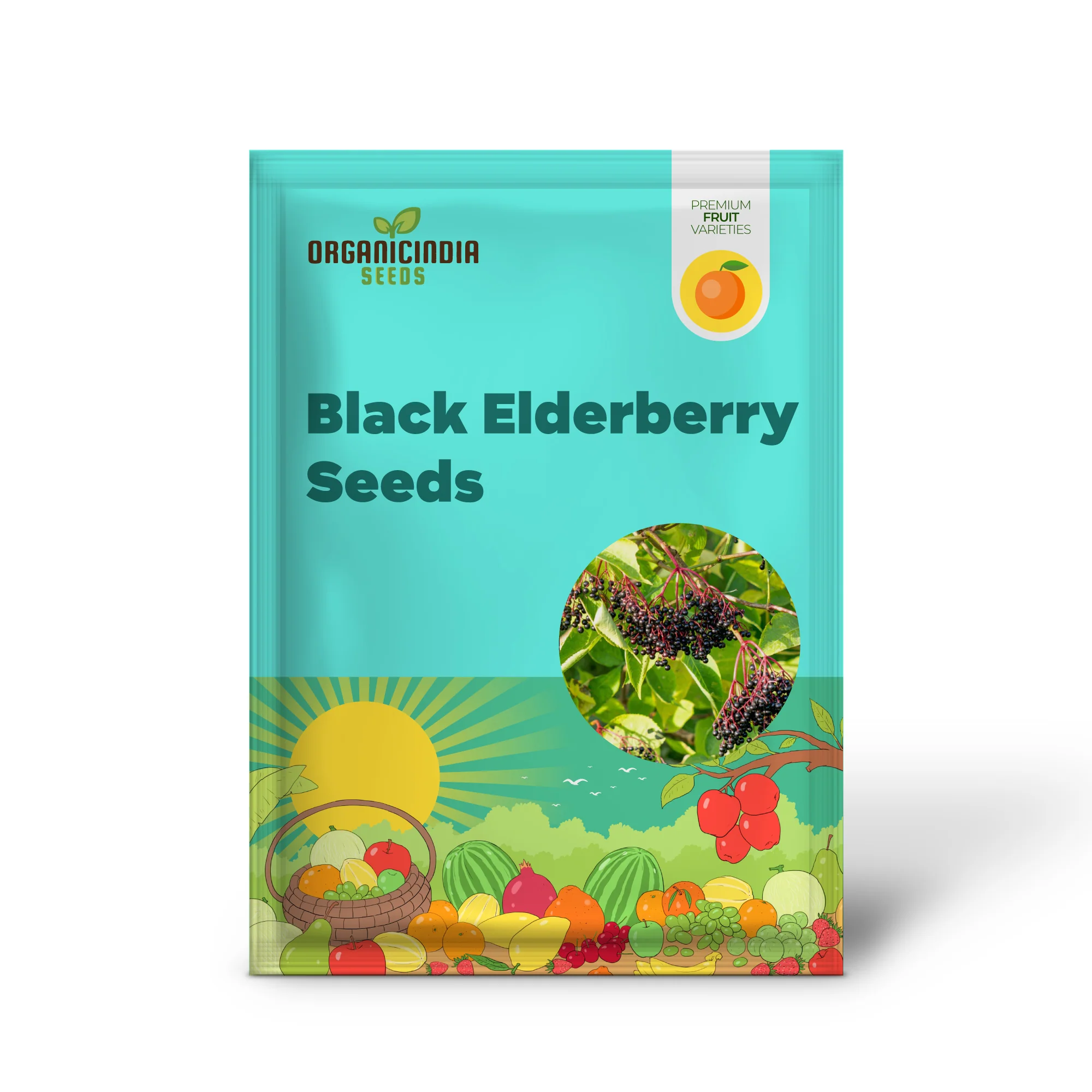
Black Elderberry (Sambucus nigra) – Seeds
Black Elderberry (Sambucus nigra) is a hardy, vigorous shrub widely appreciated for its attractive foliage, fragrant white blossoms, and abundant clusters of deep purple berries. This adaptable species thrives in a variety of climates and soil conditions, making it ideal for home gardens, boundary plantings, and natural landscapes. Fast-growing and low maintenance, it’s an excellent choice for gardeners of all experience levels.
Key Features
-
Hardy, fast-growing berry shrub
-
Produces clusters of dark purple elderberries
-
Fragrant white blooms attract pollinators
-
Thrives in a wide range of soil types
-
Suitable for hedges, borders, and garden landscapes
-
Easy to grow from seed with proper stratification
-
High-quality, non-GMO seed stock
Specifications
-
Common Name: Black Elderberry
-
Botanical Name: Sambucus nigra
-
Seed Type: Non-GMO
-
Plant Type: Deciduous shrub
-
Growth Rate: Fast
-
USDA Hardiness Zones: 4–8
-
Sowing Season: Late Winter to Spring
-
Soil Preference: Moist, well-drained loam; adaptable to clay and sandy soils
-
Sun Exposure: Full sun to partial shade
-
Water Needs: Moderate
-
Germination Time: 2–3 months (requires cold stratification)
-
Mature Height: 8–15 ft
-
Spacing: 8–10 ft
-
Special Traits: Pollinator-friendly, cold hardy, ornamental blooms
Planting Guide
-
Stratification: Cold stratify seeds for 8–12 weeks for best germination.
-
Sowing Depth: Sow ¼ inch deep in well-drained soil.
-
Temperature: Maintain 65–75°F (18–24°C) after stratification.
-
Light Exposure: Full sun increases berry production; partial shade tolerated.
-
Watering: Keep evenly moist during early growth; moderate moisture afterward.
-
Transplanting: Move seedlings outdoors once frost risk is gone.
-
Shrub Care: Prune older stems in late winter to encourage new growth.
-
Ideal Use: Borders, hedges, wildlife gardens, and natural landscaping.
Product Information
Product Information
Shipping & Returns
Shipping & Returns
Description
Black Elderberry (Sambucus nigra) is a hardy, vigorous shrub widely appreciated for its attractive foliage, fragrant white blossoms, and abundant clusters of deep purple berries. This adaptable species thrives in a variety of climates and soil conditions, making it ideal for home gardens, boundary plantings, and natural landscapes. Fast-growing and low maintenance, it’s an excellent choice for gardeners of all experience levels.
Key Features
-
Hardy, fast-growing berry shrub
-
Produces clusters of dark purple elderberries
-
Fragrant white blooms attract pollinators
-
Thrives in a wide range of soil types
-
Suitable for hedges, borders, and garden landscapes
-
Easy to grow from seed with proper stratification
-
High-quality, non-GMO seed stock
Specifications
-
Common Name: Black Elderberry
-
Botanical Name: Sambucus nigra
-
Seed Type: Non-GMO
-
Plant Type: Deciduous shrub
-
Growth Rate: Fast
-
USDA Hardiness Zones: 4–8
-
Sowing Season: Late Winter to Spring
-
Soil Preference: Moist, well-drained loam; adaptable to clay and sandy soils
-
Sun Exposure: Full sun to partial shade
-
Water Needs: Moderate
-
Germination Time: 2–3 months (requires cold stratification)
-
Mature Height: 8–15 ft
-
Spacing: 8–10 ft
-
Special Traits: Pollinator-friendly, cold hardy, ornamental blooms
Planting Guide
-
Stratification: Cold stratify seeds for 8–12 weeks for best germination.
-
Sowing Depth: Sow ¼ inch deep in well-drained soil.
-
Temperature: Maintain 65–75°F (18–24°C) after stratification.
-
Light Exposure: Full sun increases berry production; partial shade tolerated.
-
Watering: Keep evenly moist during early growth; moderate moisture afterward.
-
Transplanting: Move seedlings outdoors once frost risk is gone.
-
Shrub Care: Prune older stems in late winter to encourage new growth.
-
Ideal Use: Borders, hedges, wildlife gardens, and natural landscaping.