Black Chokeberry Fruit Seeds
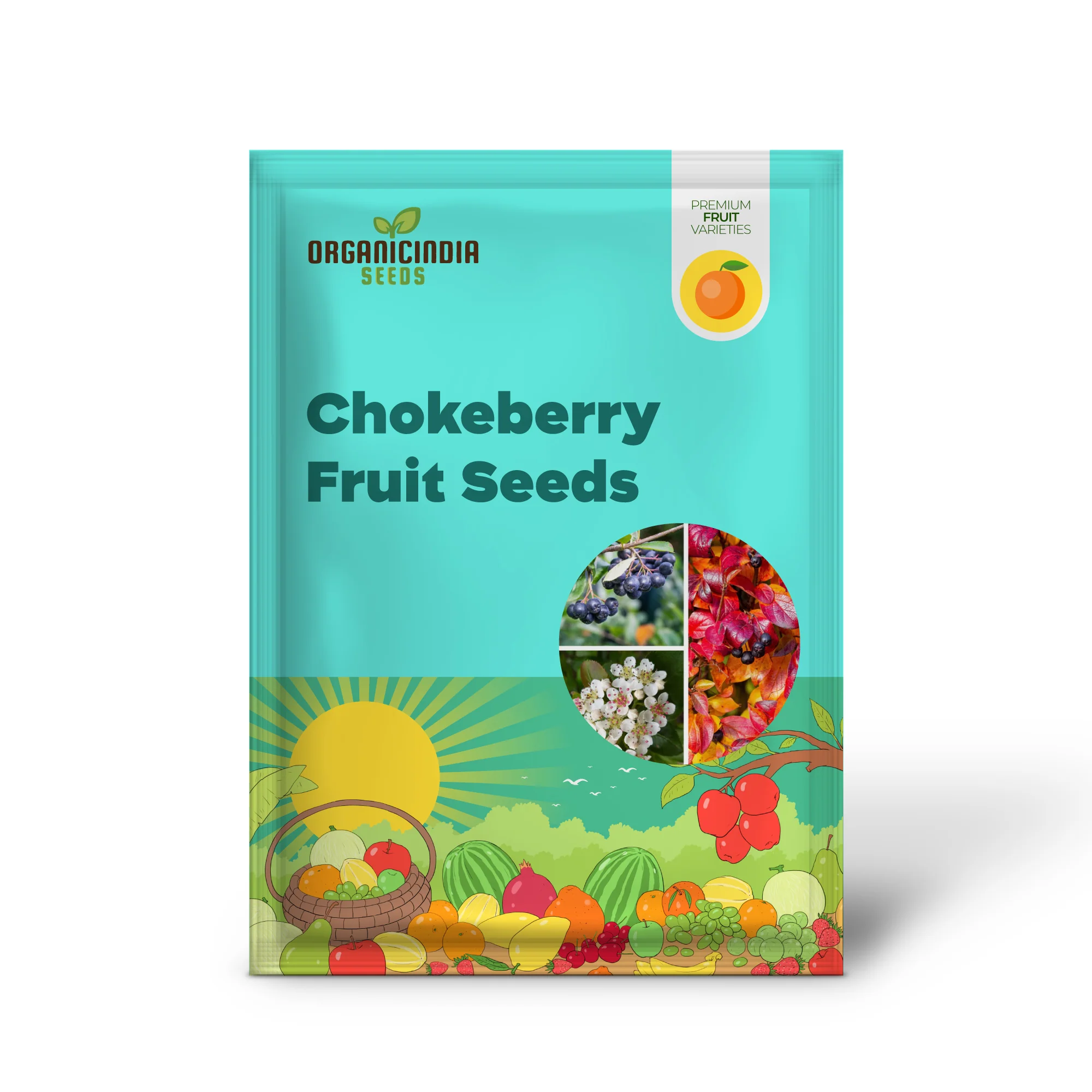
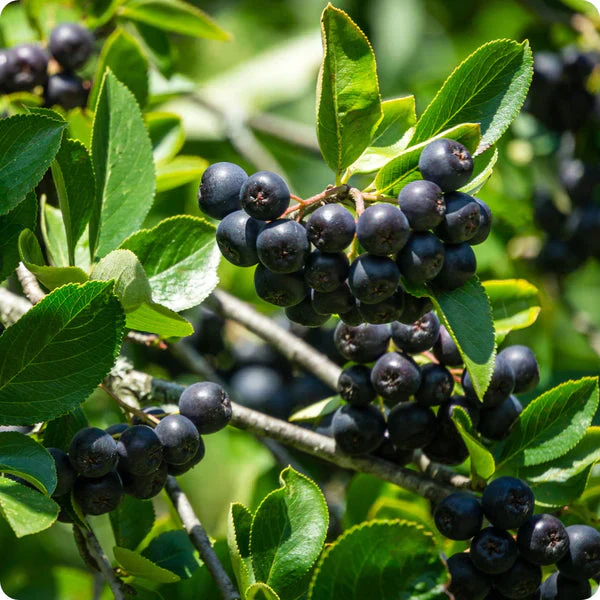
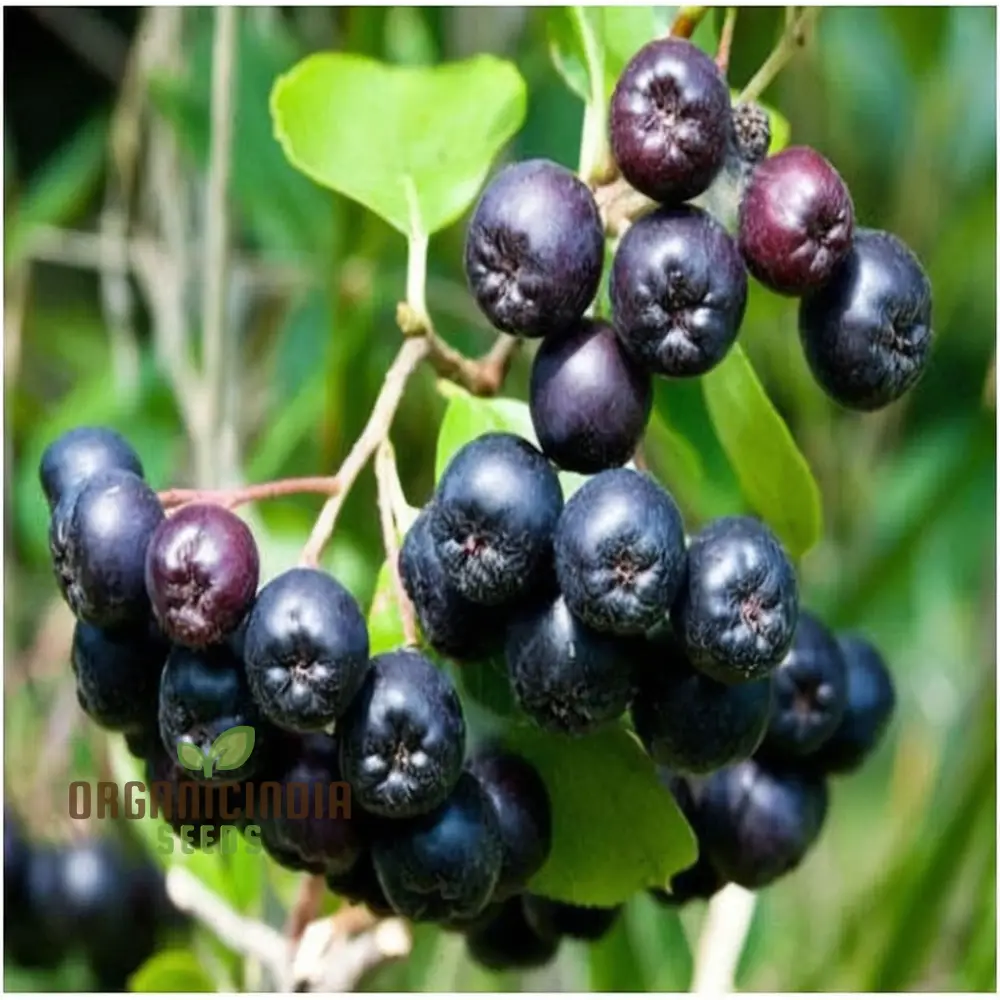
Black Chokeberry (Aronia melanocarpa) is a resilient, deciduous shrub known for its white spring blooms and glossy, dark purple-black berries. Native to North America, it’s an excellent choice for gardeners seeking ornamental beauty, edible berries, and low-maintenance growth. Perfect for natural hedges, pollinator gardens, and cold climates, the chokeberry adapts easily to different soil conditions and provides year-round appeal.
Key Features
-
Cold Hardy: Thrives in USDA Zones 3–8, tolerating frost and poor soils.
-
Attractive Blooms: Produces clusters of fragrant white flowers in spring.
-
Nutrient-Rich Berries: Small black fruits high in antioxidants; suitable for home use and wildlife gardens.
-
Low Maintenance: Tolerant to drought, pests, and pollution.
-
Versatile Shrub: Ideal for hedges, screens, and natural landscapes.
Specifications
-
Common Name: Black Chokeberry
-
Scientific Name: Aronia melanocarpa
-
Plant Type: Deciduous shrub
-
Growth Habit: Upright, spreading habit; 3–6 feet tall and wide
-
USDA Hardiness Zones: 3–8
-
Soil Type: Moist, well-drained soil; tolerates clay and sandy soil
-
Sun Exposure: Full sun to partial shade
-
Water Requirements: Moderate; water regularly during early growth
-
Bloom Time: Spring (white flowers)
-
Berry Season: Late summer to early fall
-
Foliage Color: Glossy green turning red-purple in autumn
-
Lifespan: Perennial
-
Non-GMO / Organic: Non-GMO seeds
-
Pollinator-Friendly: Attracts bees and butterflies
Planting Guide
-
Seed Preparation: Cold stratify seeds for 3 months at 35–40°F (2–4°C) in moist sand or peat.
-
Sowing Depth: ¼ inch deep in a well-draining seed-starting mix.
-
Light: Provide bright, indirect light or partial sun.
-
Watering: Keep soil moist but not soggy during germination.
-
Germination Time: 60–90 days.
-
Transplanting: Move seedlings outdoors after the last frost.
-
Spacing: 3–5 feet apart for hedge or border planting.
-
Maintenance: Prune after fruiting to shape plants and remove old stems.
Original: $16.99
-65%$16.99
$5.95More Images


Black Chokeberry Fruit Seeds
Black Chokeberry (Aronia melanocarpa) is a resilient, deciduous shrub known for its white spring blooms and glossy, dark purple-black berries. Native to North America, it’s an excellent choice for gardeners seeking ornamental beauty, edible berries, and low-maintenance growth. Perfect for natural hedges, pollinator gardens, and cold climates, the chokeberry adapts easily to different soil conditions and provides year-round appeal.
Key Features
-
Cold Hardy: Thrives in USDA Zones 3–8, tolerating frost and poor soils.
-
Attractive Blooms: Produces clusters of fragrant white flowers in spring.
-
Nutrient-Rich Berries: Small black fruits high in antioxidants; suitable for home use and wildlife gardens.
-
Low Maintenance: Tolerant to drought, pests, and pollution.
-
Versatile Shrub: Ideal for hedges, screens, and natural landscapes.
Specifications
-
Common Name: Black Chokeberry
-
Scientific Name: Aronia melanocarpa
-
Plant Type: Deciduous shrub
-
Growth Habit: Upright, spreading habit; 3–6 feet tall and wide
-
USDA Hardiness Zones: 3–8
-
Soil Type: Moist, well-drained soil; tolerates clay and sandy soil
-
Sun Exposure: Full sun to partial shade
-
Water Requirements: Moderate; water regularly during early growth
-
Bloom Time: Spring (white flowers)
-
Berry Season: Late summer to early fall
-
Foliage Color: Glossy green turning red-purple in autumn
-
Lifespan: Perennial
-
Non-GMO / Organic: Non-GMO seeds
-
Pollinator-Friendly: Attracts bees and butterflies
Planting Guide
-
Seed Preparation: Cold stratify seeds for 3 months at 35–40°F (2–4°C) in moist sand or peat.
-
Sowing Depth: ¼ inch deep in a well-draining seed-starting mix.
-
Light: Provide bright, indirect light or partial sun.
-
Watering: Keep soil moist but not soggy during germination.
-
Germination Time: 60–90 days.
-
Transplanting: Move seedlings outdoors after the last frost.
-
Spacing: 3–5 feet apart for hedge or border planting.
-
Maintenance: Prune after fruiting to shape plants and remove old stems.
Product Information
Product Information
Shipping & Returns
Shipping & Returns
Description
Black Chokeberry (Aronia melanocarpa) is a resilient, deciduous shrub known for its white spring blooms and glossy, dark purple-black berries. Native to North America, it’s an excellent choice for gardeners seeking ornamental beauty, edible berries, and low-maintenance growth. Perfect for natural hedges, pollinator gardens, and cold climates, the chokeberry adapts easily to different soil conditions and provides year-round appeal.
Key Features
-
Cold Hardy: Thrives in USDA Zones 3–8, tolerating frost and poor soils.
-
Attractive Blooms: Produces clusters of fragrant white flowers in spring.
-
Nutrient-Rich Berries: Small black fruits high in antioxidants; suitable for home use and wildlife gardens.
-
Low Maintenance: Tolerant to drought, pests, and pollution.
-
Versatile Shrub: Ideal for hedges, screens, and natural landscapes.
Specifications
-
Common Name: Black Chokeberry
-
Scientific Name: Aronia melanocarpa
-
Plant Type: Deciduous shrub
-
Growth Habit: Upright, spreading habit; 3–6 feet tall and wide
-
USDA Hardiness Zones: 3–8
-
Soil Type: Moist, well-drained soil; tolerates clay and sandy soil
-
Sun Exposure: Full sun to partial shade
-
Water Requirements: Moderate; water regularly during early growth
-
Bloom Time: Spring (white flowers)
-
Berry Season: Late summer to early fall
-
Foliage Color: Glossy green turning red-purple in autumn
-
Lifespan: Perennial
-
Non-GMO / Organic: Non-GMO seeds
-
Pollinator-Friendly: Attracts bees and butterflies
Planting Guide
-
Seed Preparation: Cold stratify seeds for 3 months at 35–40°F (2–4°C) in moist sand or peat.
-
Sowing Depth: ¼ inch deep in a well-draining seed-starting mix.
-
Light: Provide bright, indirect light or partial sun.
-
Watering: Keep soil moist but not soggy during germination.
-
Germination Time: 60–90 days.
-
Transplanting: Move seedlings outdoors after the last frost.
-
Spacing: 3–5 feet apart for hedge or border planting.
-
Maintenance: Prune after fruiting to shape plants and remove old stems.