Berberis Hypokerina Seeds For Planting: The Ultimate Gardening Solution for a Vibrant, Low-Maintenance Garden | Enhance Your Outdoor Space with Hardy, Evergreen Beauty
Berberis Hypokerina Seeds For Planting: The Ultimate Gardening Solution for a Vibrant, Low-Maintenance Garden | Enhance Your Outdoor Space with Hardy, Evergreen Beauty
Berberis hypokerina – Hardy Evergreen Shrub for a Vibrant Garden
Introduce Berberis hypokerina to your garden and enjoy a low-maintenance, evergreen beauty that thrives year-round. This hardy shrub, known for its dense foliage, striking yellow flowers, and ornamental berries, adds a touch of elegance to borders, hedges, and wildlife-friendly landscapes. With its drought tolerance and natural resistance to pests, Berberis hypokerina is an excellent choice for both beginner and experienced gardeners looking for a resilient, eye-catching plant.
Key Features
- Scientific Name: Berberis hypokerina
- Common Name: Himalayan Barberry
- Plant Type: Evergreen shrub
- Foliage: Glossy green, turning reddish in autumn
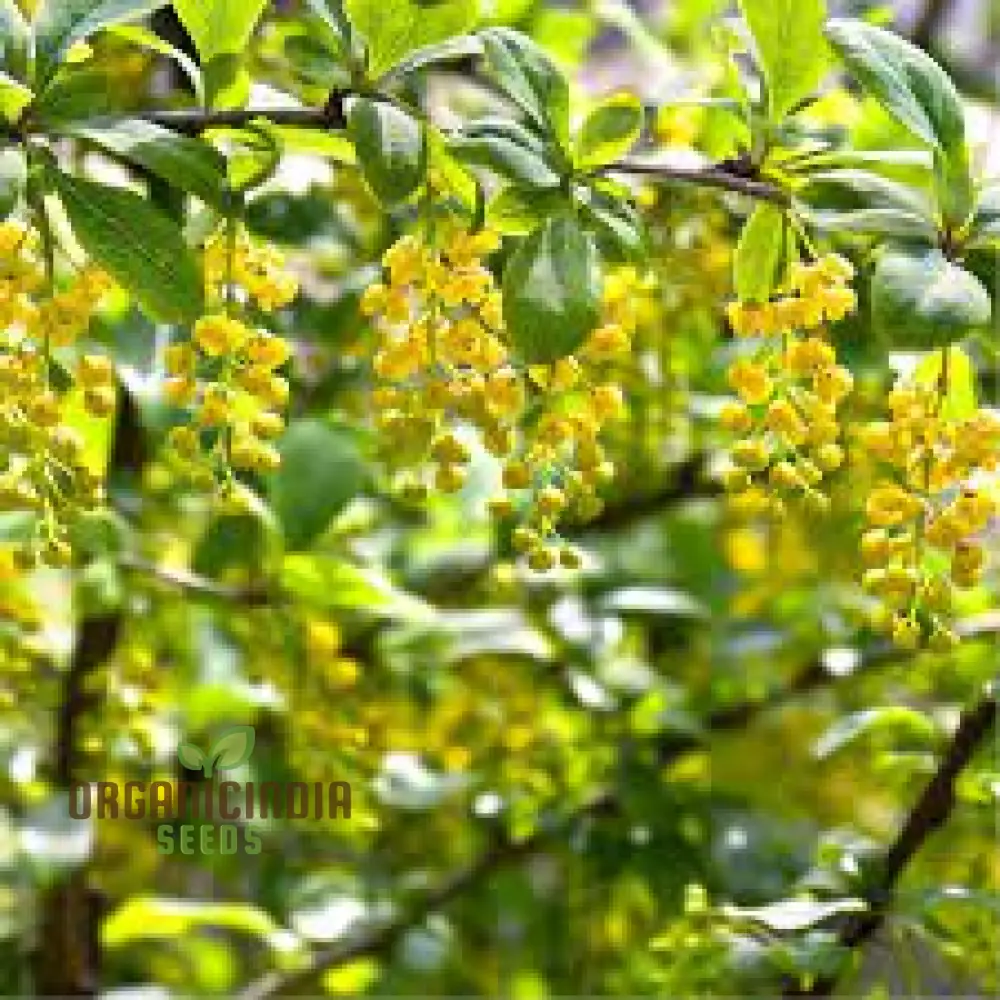
- Flower Color: Bright yellow, bell-shaped flowers
- Fruit: Small, red or blue-black berries that attract birds
- Mature Height: 3 to 6 feet
- Spread: 2 to 4 feet
- Growth Habit: Upright, bushy
- Light Requirements: Full sun to partial shade
- Soil Requirements: Well-drained, moderately fertile soil
- Watering Needs: Low to moderate; drought-tolerant once established
- Blooming Season: Spring to early summer
- Uses: Hedges, borders, wildlife gardens, erosion control
Why Grow Berberis hypokerina?
- Year-Round Beauty – Evergreen foliage with seasonal color changes adds interest in all seasons.
- Resilient & Low-Maintenance – Drought-tolerant and pest-resistant, making it perfect for easy-care landscapes.
- Wildlife-Friendly – Provides nectar for pollinators in spring and berries for birds in autumn.
- Natural Barrier – Thorny branches make it an effective security hedge for property borders.
- Soil & Climate Adaptability – Thrives in various soil types and withstands cold temperatures.
How to Grow Berberis hypokerina from Seeds
Seed Sowing Instructions
- Best Time to Sow: Fall to early spring
- Pre-Treatment: Cold stratification improves germination rates. Follow these steps:
- Mix seeds with moist sand or peat moss.
- Store in the refrigerator at 35-40°F (2-4°C) for 2-3 months.
- Sowing Method:
- Sow seeds in seed trays or directly outdoors in prepared soil.
- Lightly cover with a thin layer of soil (about 1/4 inch deep).
- Keep the soil moist but not waterlogged.
- Germination Conditions:
- Soil Temperature: 55-65°F (13-18°C)
- Germination Time: 4-12 weeks
Care and Maintenance
- Watering: Requires minimal watering once established; water deeply during dry spells.
- Fertilization: Apply a balanced fertilizer in early spring to encourage healthy growth.
- Pruning: Trim in late winter or early spring to shape and remove dead branches.
- Pest & Disease Resistance: Naturally resistant to most pests; occasional monitoring for fungal diseases is recommended.
- Winter Care: Hardy in cold climates; no special winter protection is required.
Companion Planting Suggestions
- Pairs well with Lavender, Salvia, and Coneflowers for a colorful landscape.
- Complements other evergreens and flowering shrubs like Rhododendron and Forsythia.
- Works beautifully in rock gardens and xeriscapes alongside Sedum and ornamental grasses.
Enhance Your Garden with Evergreen Elegance
With vibrant yellow flowers, glossy foliage, and bird-attracting berries, Berberis hypokerina is a must-have for gardeners seeking a striking yet low-maintenance shrub. Whether used for hedges, borders, or erosion control, this hardy evergreen will add beauty and resilience to any outdoor space.
Original: $16.99
-65%$16.99
$5.95More Images


Berberis Hypokerina Seeds For Planting: The Ultimate Gardening Solution for a Vibrant, Low-Maintenance Garden | Enhance Your Outdoor Space with Hardy, Evergreen Beauty
Berberis hypokerina – Hardy Evergreen Shrub for a Vibrant Garden
Introduce Berberis hypokerina to your garden and enjoy a low-maintenance, evergreen beauty that thrives year-round. This hardy shrub, known for its dense foliage, striking yellow flowers, and ornamental berries, adds a touch of elegance to borders, hedges, and wildlife-friendly landscapes. With its drought tolerance and natural resistance to pests, Berberis hypokerina is an excellent choice for both beginner and experienced gardeners looking for a resilient, eye-catching plant.
Key Features
- Scientific Name: Berberis hypokerina
- Common Name: Himalayan Barberry
- Plant Type: Evergreen shrub
- Foliage: Glossy green, turning reddish in autumn
- Flower Color: Bright yellow, bell-shaped flowers
- Fruit: Small, red or blue-black berries that attract birds
- Mature Height: 3 to 6 feet
- Spread: 2 to 4 feet
- Growth Habit: Upright, bushy
- Light Requirements: Full sun to partial shade
- Soil Requirements: Well-drained, moderately fertile soil
- Watering Needs: Low to moderate; drought-tolerant once established
- Blooming Season: Spring to early summer
- Uses: Hedges, borders, wildlife gardens, erosion control
Why Grow Berberis hypokerina?
- Year-Round Beauty – Evergreen foliage with seasonal color changes adds interest in all seasons.
- Resilient & Low-Maintenance – Drought-tolerant and pest-resistant, making it perfect for easy-care landscapes.
- Wildlife-Friendly – Provides nectar for pollinators in spring and berries for birds in autumn.
- Natural Barrier – Thorny branches make it an effective security hedge for property borders.
- Soil & Climate Adaptability – Thrives in various soil types and withstands cold temperatures.
How to Grow Berberis hypokerina from Seeds
Seed Sowing Instructions
- Best Time to Sow: Fall to early spring
- Pre-Treatment: Cold stratification improves germination rates. Follow these steps:
- Mix seeds with moist sand or peat moss.
- Store in the refrigerator at 35-40°F (2-4°C) for 2-3 months.
- Sowing Method:
- Sow seeds in seed trays or directly outdoors in prepared soil.
- Lightly cover with a thin layer of soil (about 1/4 inch deep).
- Keep the soil moist but not waterlogged.
- Germination Conditions:
- Soil Temperature: 55-65°F (13-18°C)
- Germination Time: 4-12 weeks
Care and Maintenance
- Watering: Requires minimal watering once established; water deeply during dry spells.
- Fertilization: Apply a balanced fertilizer in early spring to encourage healthy growth.
- Pruning: Trim in late winter or early spring to shape and remove dead branches.
- Pest & Disease Resistance: Naturally resistant to most pests; occasional monitoring for fungal diseases is recommended.
- Winter Care: Hardy in cold climates; no special winter protection is required.
Companion Planting Suggestions
- Pairs well with Lavender, Salvia, and Coneflowers for a colorful landscape.
- Complements other evergreens and flowering shrubs like Rhododendron and Forsythia.
- Works beautifully in rock gardens and xeriscapes alongside Sedum and ornamental grasses.
Enhance Your Garden with Evergreen Elegance
With vibrant yellow flowers, glossy foliage, and bird-attracting berries, Berberis hypokerina is a must-have for gardeners seeking a striking yet low-maintenance shrub. Whether used for hedges, borders, or erosion control, this hardy evergreen will add beauty and resilience to any outdoor space.
Product Information
Product Information
Shipping & Returns
Shipping & Returns
Description
Berberis hypokerina – Hardy Evergreen Shrub for a Vibrant Garden
Introduce Berberis hypokerina to your garden and enjoy a low-maintenance, evergreen beauty that thrives year-round. This hardy shrub, known for its dense foliage, striking yellow flowers, and ornamental berries, adds a touch of elegance to borders, hedges, and wildlife-friendly landscapes. With its drought tolerance and natural resistance to pests, Berberis hypokerina is an excellent choice for both beginner and experienced gardeners looking for a resilient, eye-catching plant.
Key Features
- Scientific Name: Berberis hypokerina
- Common Name: Himalayan Barberry
- Plant Type: Evergreen shrub
- Foliage: Glossy green, turning reddish in autumn
- Flower Color: Bright yellow, bell-shaped flowers
- Fruit: Small, red or blue-black berries that attract birds
- Mature Height: 3 to 6 feet
- Spread: 2 to 4 feet
- Growth Habit: Upright, bushy
- Light Requirements: Full sun to partial shade
- Soil Requirements: Well-drained, moderately fertile soil
- Watering Needs: Low to moderate; drought-tolerant once established
- Blooming Season: Spring to early summer
- Uses: Hedges, borders, wildlife gardens, erosion control
Why Grow Berberis hypokerina?
- Year-Round Beauty – Evergreen foliage with seasonal color changes adds interest in all seasons.
- Resilient & Low-Maintenance – Drought-tolerant and pest-resistant, making it perfect for easy-care landscapes.
- Wildlife-Friendly – Provides nectar for pollinators in spring and berries for birds in autumn.
- Natural Barrier – Thorny branches make it an effective security hedge for property borders.
- Soil & Climate Adaptability – Thrives in various soil types and withstands cold temperatures.
How to Grow Berberis hypokerina from Seeds
Seed Sowing Instructions
- Best Time to Sow: Fall to early spring
- Pre-Treatment: Cold stratification improves germination rates. Follow these steps:
- Mix seeds with moist sand or peat moss.
- Store in the refrigerator at 35-40°F (2-4°C) for 2-3 months.
- Sowing Method:
- Sow seeds in seed trays or directly outdoors in prepared soil.
- Lightly cover with a thin layer of soil (about 1/4 inch deep).
- Keep the soil moist but not waterlogged.
- Germination Conditions:
- Soil Temperature: 55-65°F (13-18°C)
- Germination Time: 4-12 weeks
Care and Maintenance
- Watering: Requires minimal watering once established; water deeply during dry spells.
- Fertilization: Apply a balanced fertilizer in early spring to encourage healthy growth.
- Pruning: Trim in late winter or early spring to shape and remove dead branches.
- Pest & Disease Resistance: Naturally resistant to most pests; occasional monitoring for fungal diseases is recommended.
- Winter Care: Hardy in cold climates; no special winter protection is required.
Companion Planting Suggestions
- Pairs well with Lavender, Salvia, and Coneflowers for a colorful landscape.
- Complements other evergreens and flowering shrubs like Rhododendron and Forsythia.
- Works beautifully in rock gardens and xeriscapes alongside Sedum and ornamental grasses.
Enhance Your Garden with Evergreen Elegance
With vibrant yellow flowers, glossy foliage, and bird-attracting berries, Berberis hypokerina is a must-have for gardeners seeking a striking yet low-maintenance shrub. Whether used for hedges, borders, or erosion control, this hardy evergreen will add beauty and resilience to any outdoor space.