Bellevalia Dubia Seeds For Planting: A Unique and Vibrant Perennial Flower for Stunning Landscapes
Bellevalia Dubia Seeds For Planting: A Unique and Vibrant Perennial Flower for Stunning Landscapes
Bellevalia dubia – A Unique and Vibrant Perennial for Stunning Garden Displays
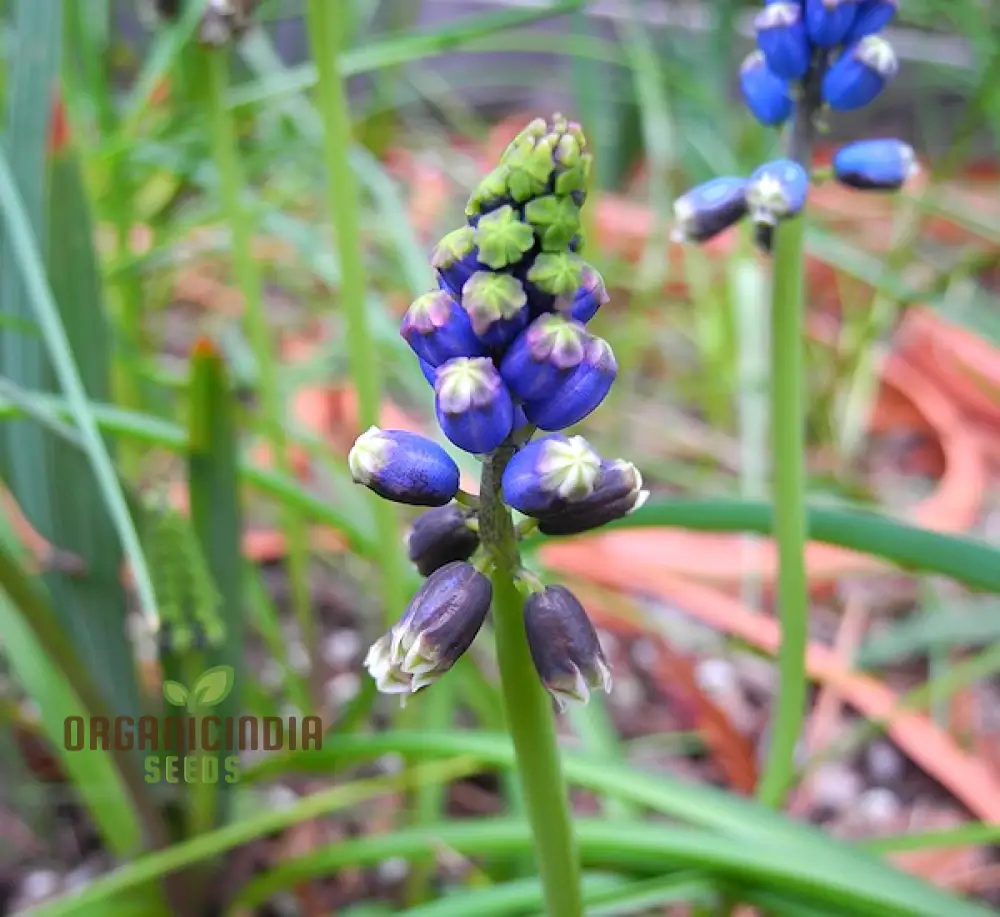
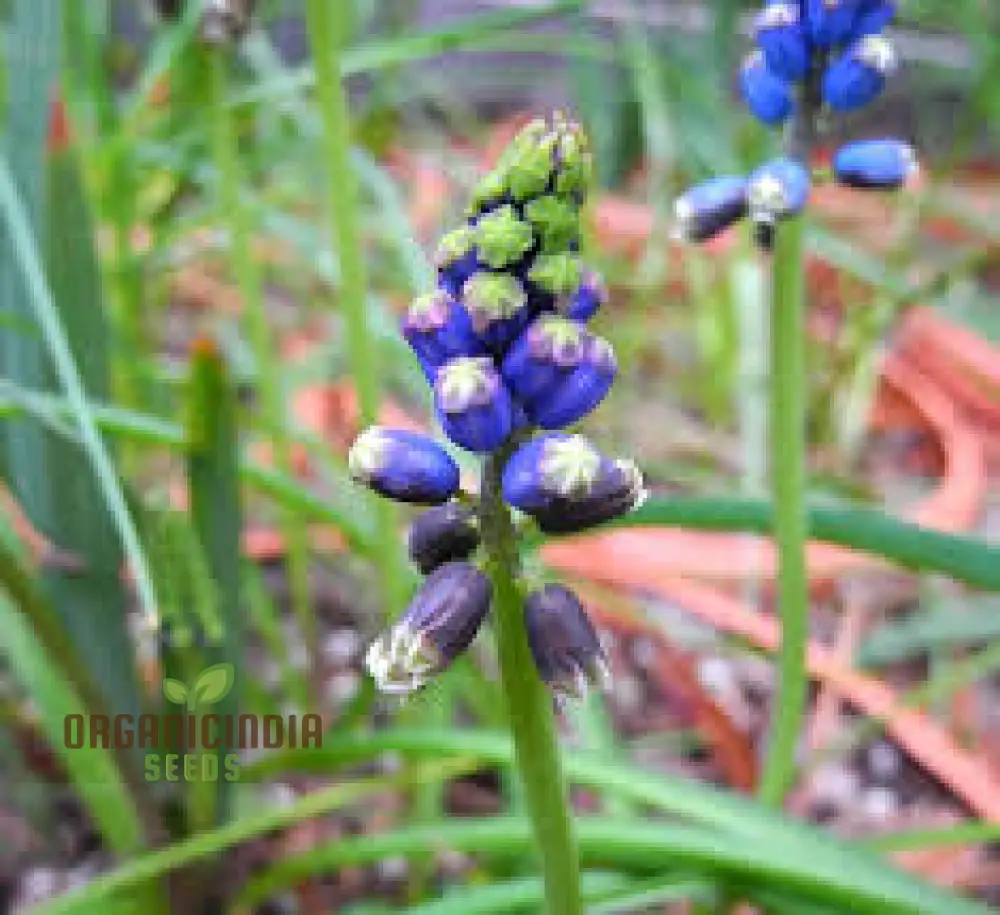
Introduce the rare and captivating beauty of Bellevalia dubia to your garden. This hardy perennial produces charming grape-like flower spikes in shades of blue to violet, adding an elegant touch to borders, rock gardens, and naturalized areas. Closely related to Muscari (Grape Hyacinths), Bellevalia dubia stands out with its delicate yet resilient blooms that thrive in various growing conditions.
Key Features
- Scientific Name: Bellevalia dubia
- Common Name: Bellevalia
- Plant Type: Perennial flowering bulb
- Flower Color: Blue to violet
- Mature Height: 6 to 12 inches
- Spread: 4 to 8 inches
- Growth Habit: Upright, clumping
- Light Requirements: Full sun to partial shade
- Soil Requirements: Well-drained, sandy or loamy soil (neutral to slightly alkaline pH)
- Watering Needs: Low to moderate; prefers dry conditions after blooming
- Blooming Season: Mid to late spring
- Uses: Rock gardens, borders, naturalized meadows, container planting
Why Grow Bellevalia dubia?
- Rare & Distinctive – A unique alternative to traditional spring bulbs, offering a fresh look in gardens.
- Drought Tolerant – Thrives in well-drained soils with minimal water needs.
- Pollinator Friendly – Attracts bees and butterflies, supporting local ecosystems.
- Low Maintenance – Once established, requires little care and can naturalize beautifully.
- Cold Hardy – Survives in temperate to cool climates and returns each spring.
How to Grow Bellevalia dubia from Seeds
Seed Sowing Instructions
- Best Time to Sow: Fall to early spring
- Pre-Treatment (Cold Stratification):
- To improve germination, store seeds in moist sand or a paper towel inside the refrigerator for 4-6 weeks.
- Sowing Method:
- Sow seeds directly outdoors in prepared soil or start indoors in pots.
- Sprinkle seeds on the soil surface and lightly press them in without burying too deeply.
- Keep the soil evenly moist but avoid overwatering.
- Germination Time: 3-6 weeks, depending on temperature and moisture levels.
- Transplanting: Once seedlings develop two sets of true leaves, carefully transplant them into their final location.
Care and Maintenance
- Watering: Maintain light moisture during active growth, then allow soil to dry out after flowering.
- Fertilization: Apply a balanced bulb fertilizer in early spring.
- Pruning: Remove spent flower spikes after blooming to encourage healthy growth.
- Winter Protection: In colder climates, apply a thin layer of mulch to protect young plants.
- Pest & Disease Resistance: Generally resistant to pests, but ensure good drainage to prevent bulb rot.
Companion Planting Suggestions
- Pairs well with Muscari, Tulips, and Daffodils for a layered spring display.
- Complements Lavender and Salvia in rock gardens.
- Looks stunning alongside Ornamental Grasses and Sedums for a naturalized meadow effect.
Enhance Your Garden with the Rare Beauty of Bellevalia dubia
With its elegant spring blooms, drought tolerance, and easy-growing nature, Bellevalia dubia is a must-have for gardeners seeking a unique, low-maintenance perennial. Whether in borders, wildflower meadows, or rock gardens, this exquisite flower will bring color and charm to your landscape for years to come.
Original: $16.99
-65%$16.99
$5.95More Images
Bellevalia Dubia Seeds For Planting: A Unique and Vibrant Perennial Flower for Stunning Landscapes
Bellevalia dubia – A Unique and Vibrant Perennial for Stunning Garden Displays
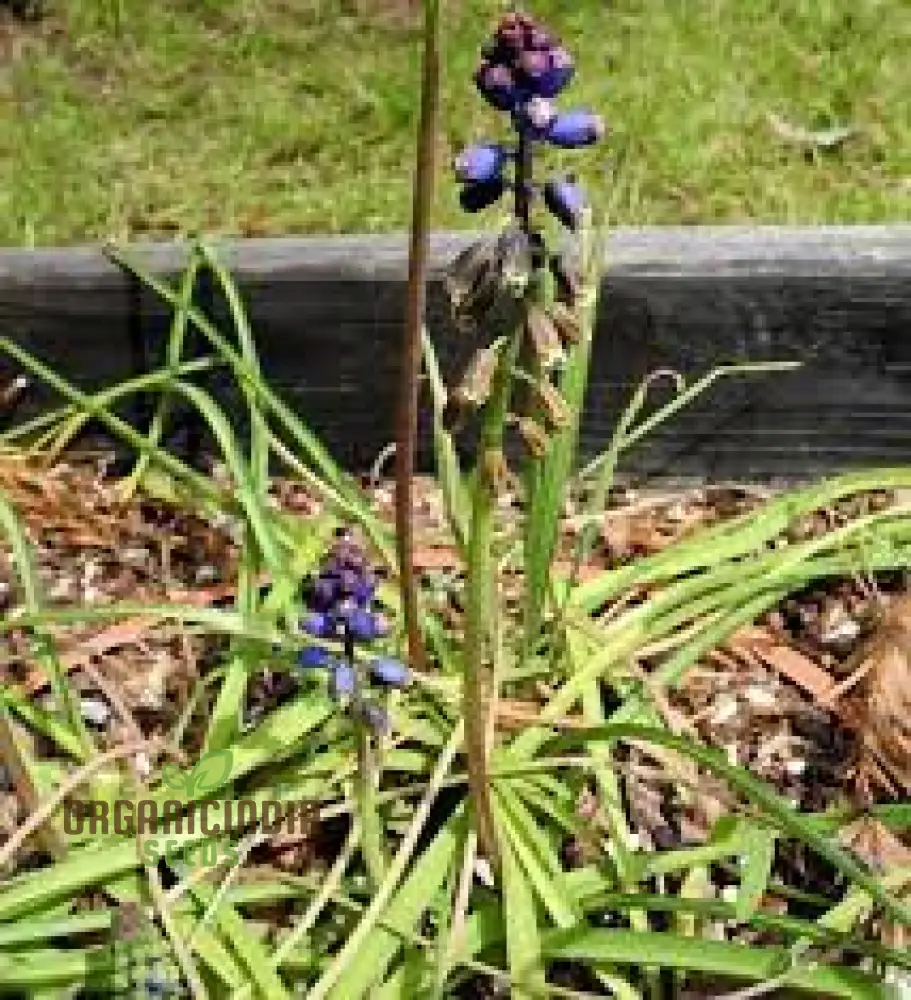
Introduce the rare and captivating beauty of Bellevalia dubia to your garden. This hardy perennial produces charming grape-like flower spikes in shades of blue to violet, adding an elegant touch to borders, rock gardens, and naturalized areas. Closely related to Muscari (Grape Hyacinths), Bellevalia dubia stands out with its delicate yet resilient blooms that thrive in various growing conditions.
Key Features
- Scientific Name: Bellevalia dubia
- Common Name: Bellevalia
- Plant Type: Perennial flowering bulb
- Flower Color: Blue to violet
- Mature Height: 6 to 12 inches
- Spread: 4 to 8 inches
- Growth Habit: Upright, clumping
- Light Requirements: Full sun to partial shade
- Soil Requirements: Well-drained, sandy or loamy soil (neutral to slightly alkaline pH)
- Watering Needs: Low to moderate; prefers dry conditions after blooming
- Blooming Season: Mid to late spring
- Uses: Rock gardens, borders, naturalized meadows, container planting
Why Grow Bellevalia dubia?
- Rare & Distinctive – A unique alternative to traditional spring bulbs, offering a fresh look in gardens.
- Drought Tolerant – Thrives in well-drained soils with minimal water needs.
- Pollinator Friendly – Attracts bees and butterflies, supporting local ecosystems.
- Low Maintenance – Once established, requires little care and can naturalize beautifully.
- Cold Hardy – Survives in temperate to cool climates and returns each spring.
How to Grow Bellevalia dubia from Seeds
Seed Sowing Instructions
- Best Time to Sow: Fall to early spring
- Pre-Treatment (Cold Stratification):
- To improve germination, store seeds in moist sand or a paper towel inside the refrigerator for 4-6 weeks.
- Sowing Method:
- Sow seeds directly outdoors in prepared soil or start indoors in pots.
- Sprinkle seeds on the soil surface and lightly press them in without burying too deeply.
- Keep the soil evenly moist but avoid overwatering.
- Germination Time: 3-6 weeks, depending on temperature and moisture levels.
- Transplanting: Once seedlings develop two sets of true leaves, carefully transplant them into their final location.
Care and Maintenance
- Watering: Maintain light moisture during active growth, then allow soil to dry out after flowering.
- Fertilization: Apply a balanced bulb fertilizer in early spring.
- Pruning: Remove spent flower spikes after blooming to encourage healthy growth.
- Winter Protection: In colder climates, apply a thin layer of mulch to protect young plants.
- Pest & Disease Resistance: Generally resistant to pests, but ensure good drainage to prevent bulb rot.
Companion Planting Suggestions
- Pairs well with Muscari, Tulips, and Daffodils for a layered spring display.
- Complements Lavender and Salvia in rock gardens.
- Looks stunning alongside Ornamental Grasses and Sedums for a naturalized meadow effect.
Enhance Your Garden with the Rare Beauty of Bellevalia dubia
With its elegant spring blooms, drought tolerance, and easy-growing nature, Bellevalia dubia is a must-have for gardeners seeking a unique, low-maintenance perennial. Whether in borders, wildflower meadows, or rock gardens, this exquisite flower will bring color and charm to your landscape for years to come.
Product Information
Product Information
Shipping & Returns
Shipping & Returns
Description
Bellevalia dubia – A Unique and Vibrant Perennial for Stunning Garden Displays
Introduce the rare and captivating beauty of Bellevalia dubia to your garden. This hardy perennial produces charming grape-like flower spikes in shades of blue to violet, adding an elegant touch to borders, rock gardens, and naturalized areas. Closely related to Muscari (Grape Hyacinths), Bellevalia dubia stands out with its delicate yet resilient blooms that thrive in various growing conditions.
Key Features
- Scientific Name: Bellevalia dubia
- Common Name: Bellevalia
- Plant Type: Perennial flowering bulb
- Flower Color: Blue to violet
- Mature Height: 6 to 12 inches
- Spread: 4 to 8 inches
- Growth Habit: Upright, clumping
- Light Requirements: Full sun to partial shade
- Soil Requirements: Well-drained, sandy or loamy soil (neutral to slightly alkaline pH)
- Watering Needs: Low to moderate; prefers dry conditions after blooming
- Blooming Season: Mid to late spring
- Uses: Rock gardens, borders, naturalized meadows, container planting
Why Grow Bellevalia dubia?
- Rare & Distinctive – A unique alternative to traditional spring bulbs, offering a fresh look in gardens.
- Drought Tolerant – Thrives in well-drained soils with minimal water needs.
- Pollinator Friendly – Attracts bees and butterflies, supporting local ecosystems.
- Low Maintenance – Once established, requires little care and can naturalize beautifully.
- Cold Hardy – Survives in temperate to cool climates and returns each spring.
How to Grow Bellevalia dubia from Seeds
Seed Sowing Instructions
- Best Time to Sow: Fall to early spring
- Pre-Treatment (Cold Stratification):
- To improve germination, store seeds in moist sand or a paper towel inside the refrigerator for 4-6 weeks.
- Sowing Method:
- Sow seeds directly outdoors in prepared soil or start indoors in pots.
- Sprinkle seeds on the soil surface and lightly press them in without burying too deeply.
- Keep the soil evenly moist but avoid overwatering.
- Germination Time: 3-6 weeks, depending on temperature and moisture levels.
- Transplanting: Once seedlings develop two sets of true leaves, carefully transplant them into their final location.
Care and Maintenance
- Watering: Maintain light moisture during active growth, then allow soil to dry out after flowering.
- Fertilization: Apply a balanced bulb fertilizer in early spring.
- Pruning: Remove spent flower spikes after blooming to encourage healthy growth.
- Winter Protection: In colder climates, apply a thin layer of mulch to protect young plants.
- Pest & Disease Resistance: Generally resistant to pests, but ensure good drainage to prevent bulb rot.
Companion Planting Suggestions
- Pairs well with Muscari, Tulips, and Daffodils for a layered spring display.
- Complements Lavender and Salvia in rock gardens.
- Looks stunning alongside Ornamental Grasses and Sedums for a naturalized meadow effect.
Enhance Your Garden with the Rare Beauty of Bellevalia dubia
With its elegant spring blooms, drought tolerance, and easy-growing nature, Bellevalia dubia is a must-have for gardeners seeking a unique, low-maintenance perennial. Whether in borders, wildflower meadows, or rock gardens, this exquisite flower will bring color and charm to your landscape for years to come.