Belamcanda Chinensis Seeds For Planting: Exotic Tiger Lily of the Garden - Rare Perennial Plant for Stunning Floral Displays and Naturalizing Landscapes
Belamcanda Chinensis Seeds For Planting: Exotic Tiger Lily of the Garden - Rare Perennial Plant for Stunning Floral Displays and Naturalizing Landscapes
Belamcanda chinensis – The Exotic Leopard Lily for Your Garden
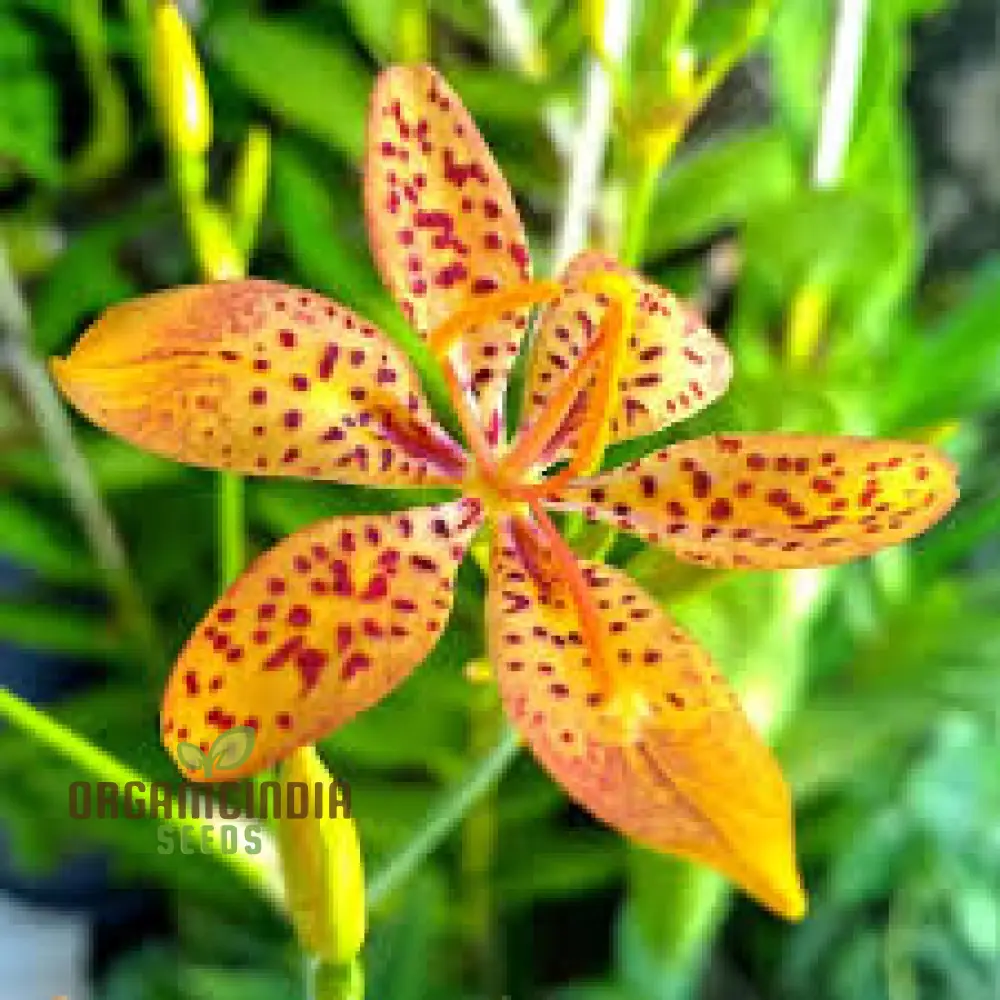
Belamcanda chinensis, commonly known as the Leopard Lily or Blackberry Lily, is a striking perennial known for its exotic, tiger-like orange blooms with red speckles. Despite its name, it is not a true lily but belongs to the iris family (Iridaceae). This low-maintenance plant thrives in a variety of garden settings, including borders, meadows, and cottage gardens, while also being an excellent choice for naturalized landscapes.
Key Features
- Scientific Name: Belamcanda chinensis
- Common Name: Leopard Lily, Blackberry Lily
- Plant Type: Perennial flowering plant
- Flower Color: Bright orange with red speckles
- Mature Height: 24 to 36 inches
- Spread: 12 to 18 inches
- Growth Habit: Upright, clumping
- Light Requirements: Full sun to partial shade
- Soil Requirements: Well-drained, moderately fertile soil (neutral to slightly acidic pH)
- Watering Needs: Moderate; drought-tolerant once established
- Blooming Season: Midsummer to early fall
- Uses: Borders, wildflower meadows, cottage gardens, cut flower arrangements, pollinator-friendly landscapes
Why Grow Belamcanda chinensis?
- Exotic Tiger-Like Blooms – Unique flowers with striking patterns add vibrant beauty to any garden.
- Pollinator Magnet – Attracts bees and butterflies, supporting a healthy ecosystem.
- Drought-Tolerant & Hardy – Requires minimal watering once established.
- Long-Lasting Interest – Produces ornamental seed pods resembling blackberries after flowering.
- Easy to Grow – Low maintenance and adaptable to various soil conditions.
How to Grow Belamcanda chinensis from Seeds
Seed Sowing Instructions
- Best Time to Sow: Fall to early spring.
- Pre-Treatment:
- Cold stratification improves germination. Store seeds in a moist paper towel inside the refrigerator for 4-6 weeks before sowing.
- Sowing Method:
- Sow seeds directly in prepared garden soil or start indoors in seed trays.
- Cover lightly with a thin layer of soil (around 1/8 inch deep).
- Keep the soil moist but not waterlogged.
- Germination Conditions:
- Temperature: 65-75°F (18-24°C)
- Germination Time: 3-6 weeks
Care and Maintenance
- Watering: Water moderately; allow soil to dry slightly between watering sessions.
- Fertilization: Apply a balanced fertilizer in spring to encourage healthy growth.
- Pruning: Remove spent flowers to promote continued blooming and prevent excessive self-seeding.
- Winter Protection: In colder climates, apply mulch around the base to protect roots from frost.
- Pest & Disease Resistance: Generally pest-free but may require slug and snail protection when young.
Companion Planting Suggestions
- Pairs well with Echinacea, Rudbeckia, and Coreopsis in wildflower meadows.
- Complements Lavender, Salvia, and ornamental grasses in perennial borders.
- Looks stunning alongside daylilies and irises for a varied floral display.
Enhance Your Garden with Belamcanda chinensis
With its eye-catching flowers, resilience, and easy-care nature, Belamcanda chinensis is a perfect choice for gardeners looking to introduce a rare and exotic perennial to their landscape. Whether planted in a formal garden or a wildflower setting, this Leopard Lily will bring unique charm and elegance season after season.
More Images


Belamcanda Chinensis Seeds For Planting: Exotic Tiger Lily of the Garden - Rare Perennial Plant for Stunning Floral Displays and Naturalizing Landscapes
Belamcanda chinensis – The Exotic Leopard Lily for Your Garden
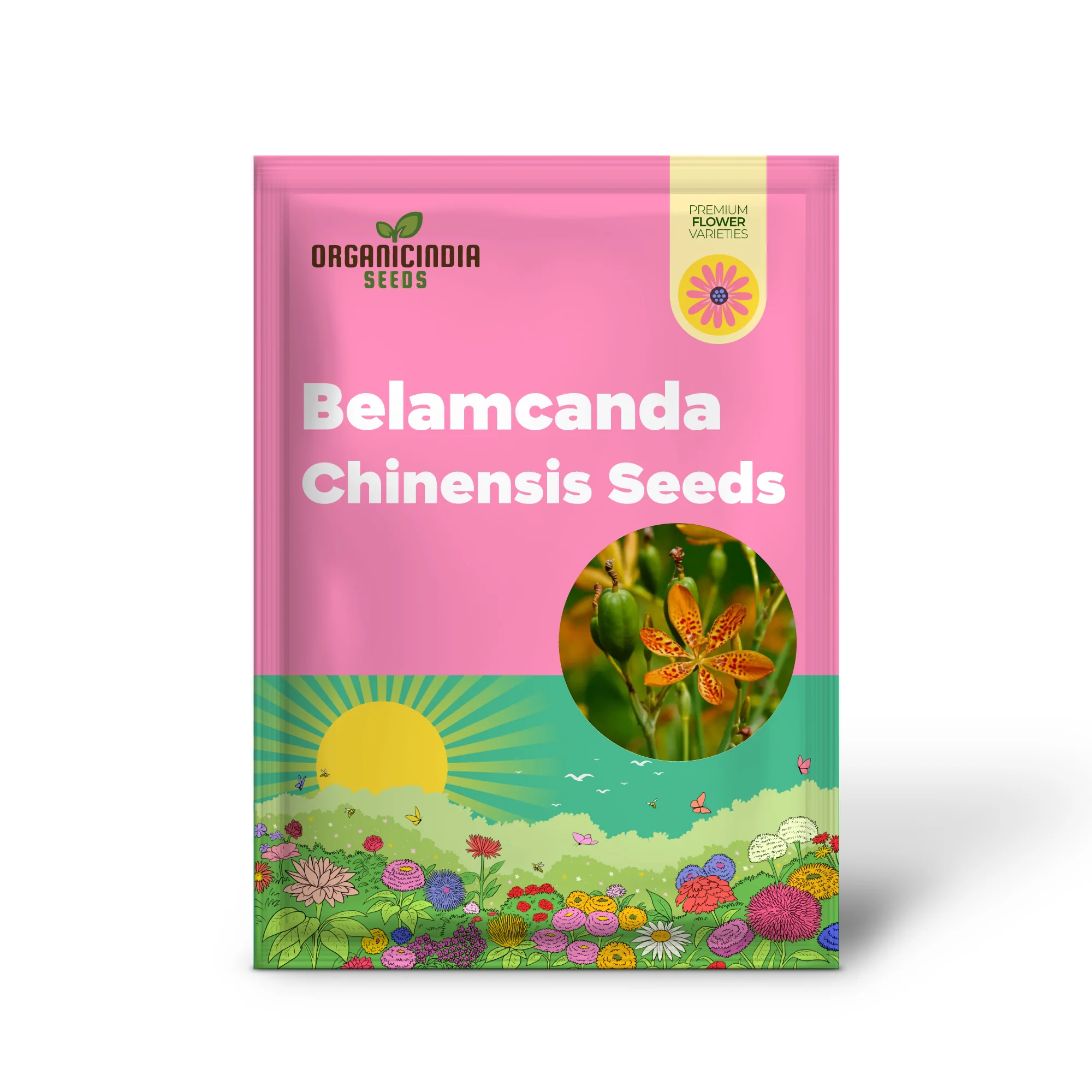
Belamcanda chinensis, commonly known as the Leopard Lily or Blackberry Lily, is a striking perennial known for its exotic, tiger-like orange blooms with red speckles. Despite its name, it is not a true lily but belongs to the iris family (Iridaceae). This low-maintenance plant thrives in a variety of garden settings, including borders, meadows, and cottage gardens, while also being an excellent choice for naturalized landscapes.
Key Features
- Scientific Name: Belamcanda chinensis
- Common Name: Leopard Lily, Blackberry Lily
- Plant Type: Perennial flowering plant
- Flower Color: Bright orange with red speckles
- Mature Height: 24 to 36 inches
- Spread: 12 to 18 inches
- Growth Habit: Upright, clumping
- Light Requirements: Full sun to partial shade
- Soil Requirements: Well-drained, moderately fertile soil (neutral to slightly acidic pH)
- Watering Needs: Moderate; drought-tolerant once established
- Blooming Season: Midsummer to early fall
- Uses: Borders, wildflower meadows, cottage gardens, cut flower arrangements, pollinator-friendly landscapes
Why Grow Belamcanda chinensis?
- Exotic Tiger-Like Blooms – Unique flowers with striking patterns add vibrant beauty to any garden.
- Pollinator Magnet – Attracts bees and butterflies, supporting a healthy ecosystem.
- Drought-Tolerant & Hardy – Requires minimal watering once established.
- Long-Lasting Interest – Produces ornamental seed pods resembling blackberries after flowering.
- Easy to Grow – Low maintenance and adaptable to various soil conditions.
How to Grow Belamcanda chinensis from Seeds
Seed Sowing Instructions
- Best Time to Sow: Fall to early spring.
- Pre-Treatment:
- Cold stratification improves germination. Store seeds in a moist paper towel inside the refrigerator for 4-6 weeks before sowing.
- Sowing Method:
- Sow seeds directly in prepared garden soil or start indoors in seed trays.
- Cover lightly with a thin layer of soil (around 1/8 inch deep).
- Keep the soil moist but not waterlogged.
- Germination Conditions:
- Temperature: 65-75°F (18-24°C)
- Germination Time: 3-6 weeks
Care and Maintenance
- Watering: Water moderately; allow soil to dry slightly between watering sessions.
- Fertilization: Apply a balanced fertilizer in spring to encourage healthy growth.
- Pruning: Remove spent flowers to promote continued blooming and prevent excessive self-seeding.
- Winter Protection: In colder climates, apply mulch around the base to protect roots from frost.
- Pest & Disease Resistance: Generally pest-free but may require slug and snail protection when young.
Companion Planting Suggestions
- Pairs well with Echinacea, Rudbeckia, and Coreopsis in wildflower meadows.
- Complements Lavender, Salvia, and ornamental grasses in perennial borders.
- Looks stunning alongside daylilies and irises for a varied floral display.
Enhance Your Garden with Belamcanda chinensis
With its eye-catching flowers, resilience, and easy-care nature, Belamcanda chinensis is a perfect choice for gardeners looking to introduce a rare and exotic perennial to their landscape. Whether planted in a formal garden or a wildflower setting, this Leopard Lily will bring unique charm and elegance season after season.
Product Information
Product Information
Shipping & Returns
Shipping & Returns
Description
Belamcanda chinensis – The Exotic Leopard Lily for Your Garden
Belamcanda chinensis, commonly known as the Leopard Lily or Blackberry Lily, is a striking perennial known for its exotic, tiger-like orange blooms with red speckles. Despite its name, it is not a true lily but belongs to the iris family (Iridaceae). This low-maintenance plant thrives in a variety of garden settings, including borders, meadows, and cottage gardens, while also being an excellent choice for naturalized landscapes.
Key Features
- Scientific Name: Belamcanda chinensis
- Common Name: Leopard Lily, Blackberry Lily
- Plant Type: Perennial flowering plant
- Flower Color: Bright orange with red speckles
- Mature Height: 24 to 36 inches
- Spread: 12 to 18 inches
- Growth Habit: Upright, clumping
- Light Requirements: Full sun to partial shade
- Soil Requirements: Well-drained, moderately fertile soil (neutral to slightly acidic pH)
- Watering Needs: Moderate; drought-tolerant once established
- Blooming Season: Midsummer to early fall
- Uses: Borders, wildflower meadows, cottage gardens, cut flower arrangements, pollinator-friendly landscapes
Why Grow Belamcanda chinensis?
- Exotic Tiger-Like Blooms – Unique flowers with striking patterns add vibrant beauty to any garden.
- Pollinator Magnet – Attracts bees and butterflies, supporting a healthy ecosystem.
- Drought-Tolerant & Hardy – Requires minimal watering once established.
- Long-Lasting Interest – Produces ornamental seed pods resembling blackberries after flowering.
- Easy to Grow – Low maintenance and adaptable to various soil conditions.
How to Grow Belamcanda chinensis from Seeds
Seed Sowing Instructions
- Best Time to Sow: Fall to early spring.
- Pre-Treatment:
- Cold stratification improves germination. Store seeds in a moist paper towel inside the refrigerator for 4-6 weeks before sowing.
- Sowing Method:
- Sow seeds directly in prepared garden soil or start indoors in seed trays.
- Cover lightly with a thin layer of soil (around 1/8 inch deep).
- Keep the soil moist but not waterlogged.
- Germination Conditions:
- Temperature: 65-75°F (18-24°C)
- Germination Time: 3-6 weeks
Care and Maintenance
- Watering: Water moderately; allow soil to dry slightly between watering sessions.
- Fertilization: Apply a balanced fertilizer in spring to encourage healthy growth.
- Pruning: Remove spent flowers to promote continued blooming and prevent excessive self-seeding.
- Winter Protection: In colder climates, apply mulch around the base to protect roots from frost.
- Pest & Disease Resistance: Generally pest-free but may require slug and snail protection when young.
Companion Planting Suggestions
- Pairs well with Echinacea, Rudbeckia, and Coreopsis in wildflower meadows.
- Complements Lavender, Salvia, and ornamental grasses in perennial borders.
- Looks stunning alongside daylilies and irises for a varied floral display.
Enhance Your Garden with Belamcanda chinensis
With its eye-catching flowers, resilience, and easy-care nature, Belamcanda chinensis is a perfect choice for gardeners looking to introduce a rare and exotic perennial to their landscape. Whether planted in a formal garden or a wildflower setting, this Leopard Lily will bring unique charm and elegance season after season.