Amla Fruit Seeds, Comprehensive Planting and Gardening Guide for Growing Nutrient-Rich Fruits in Your Garden
Amla Fruit Seeds, Comprehensive Planting and Gardening Guide for Growing Nutrient-Rich Fruits in Your Garden
Experience the power of nature with Amla Fruit Seeds, also known as Indian Gooseberry. Renowned for their exceptional health benefits and high Vitamin C content, amla fruits are a staple in natural wellness and traditional remedies.
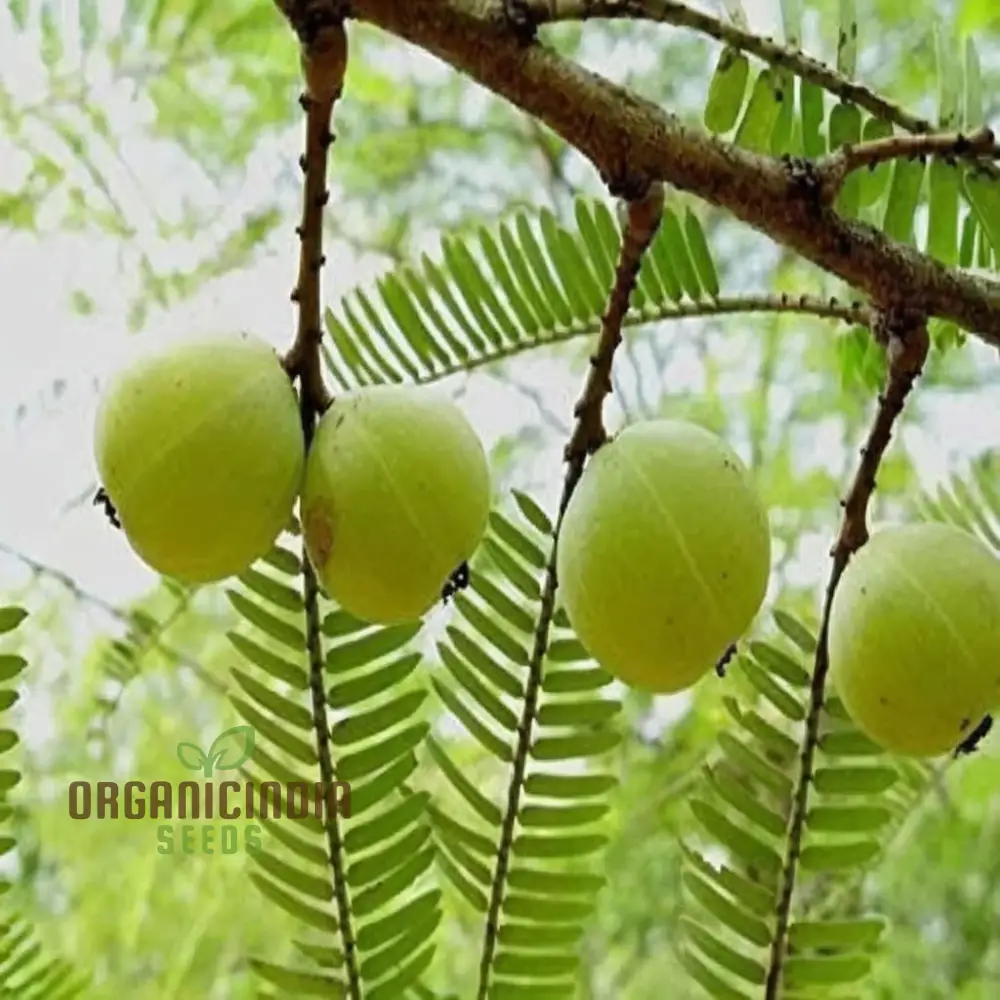
These Non-GMO Amla Seeds are perfect for home gardeners who want to cultivate their own source of nutrient-rich fruit. The hardy, long-living amla tree thrives in warm climates and adapts well to a range of soil types, producing small, greenish-yellow fruits packed with antioxidants and essential nutrients.
Features:
-
Premium Non-GMO Amla (Indian Gooseberry) seeds with high germination rate
-
Produces nutrient-rich, antioxidant-loaded fruits
-
Suitable for pots, containers, and open gardens
-
Drought-tolerant once established and requires minimal care
-
Ideal for home gardeners and small-scale cultivation
-
Excellent for culinary, medicinal, and cosmetic uses
-
Long lifespan tree that provides consistent yields
Specifications:
-
Common Name: Amla / Indian Gooseberry
-
Scientific Name: Phyllanthus emblica
-
Plant Type: Perennial fruit tree
-
Seed Type: Non-GMO
-
Growth Habit: Upright with dense, feathery foliage
-
Height: 15–20 feet (can be pruned for compact growth)
-
Light Requirements: Full sunlight (6–8 hours daily)
-
Soil Type: Well-drained loamy or sandy soil with neutral to slightly alkaline pH
-
Watering: Moderate; water deeply once topsoil is dry
-
Season: Best sown in spring or early summer
-
USDA Hardiness Zones: 9–11
-
Germination Time: 3–8 weeks under optimal warmth and moisture
-
Temperature for Germination: 25–32°C (77–90°F)
-
Maturity: 3–4 years for fruit-bearing with proper care
-
Uses: Juices, pickles, hair oils, herbal medicine, and supplements
Planting Guide:
-
Soak seeds in warm water for 24 hours before planting to soften the outer shell.
-
Prepare soil using a mix of garden soil, compost, and sand for good drainage.
-
Sow seeds 1 inch deep and cover lightly with soil.
-
Keep the soil moist but not soggy during germination.
-
Provide full sunlight or place in a warm indoor area until seedlings appear.
-
Transplant seedlings once they reach 6–8 inches into larger pots or ground.
-
Prune annually to encourage healthy growth and fruiting.
-
Harvest fruits when they turn greenish-yellow and firm to the touch.
More Images


Amla Fruit Seeds, Comprehensive Planting and Gardening Guide for Growing Nutrient-Rich Fruits in Your Garden
Experience the power of nature with Amla Fruit Seeds, also known as Indian Gooseberry. Renowned for their exceptional health benefits and high Vitamin C content, amla fruits are a staple in natural wellness and traditional remedies.
These Non-GMO Amla Seeds are perfect for home gardeners who want to cultivate their own source of nutrient-rich fruit. The hardy, long-living amla tree thrives in warm climates and adapts well to a range of soil types, producing small, greenish-yellow fruits packed with antioxidants and essential nutrients.
Features:
-
Premium Non-GMO Amla (Indian Gooseberry) seeds with high germination rate
-
Produces nutrient-rich, antioxidant-loaded fruits
-
Suitable for pots, containers, and open gardens
-
Drought-tolerant once established and requires minimal care
-
Ideal for home gardeners and small-scale cultivation
-
Excellent for culinary, medicinal, and cosmetic uses
-
Long lifespan tree that provides consistent yields
Specifications:
-
Common Name: Amla / Indian Gooseberry
-
Scientific Name: Phyllanthus emblica
-
Plant Type: Perennial fruit tree
-
Seed Type: Non-GMO
-
Growth Habit: Upright with dense, feathery foliage
-
Height: 15–20 feet (can be pruned for compact growth)
-
Light Requirements: Full sunlight (6–8 hours daily)
-
Soil Type: Well-drained loamy or sandy soil with neutral to slightly alkaline pH
-
Watering: Moderate; water deeply once topsoil is dry
-
Season: Best sown in spring or early summer
-
USDA Hardiness Zones: 9–11
-
Germination Time: 3–8 weeks under optimal warmth and moisture
-
Temperature for Germination: 25–32°C (77–90°F)
-
Maturity: 3–4 years for fruit-bearing with proper care
-
Uses: Juices, pickles, hair oils, herbal medicine, and supplements
Planting Guide:
-
Soak seeds in warm water for 24 hours before planting to soften the outer shell.
-
Prepare soil using a mix of garden soil, compost, and sand for good drainage.
-
Sow seeds 1 inch deep and cover lightly with soil.
-
Keep the soil moist but not soggy during germination.
-
Provide full sunlight or place in a warm indoor area until seedlings appear.
-
Transplant seedlings once they reach 6–8 inches into larger pots or ground.
-
Prune annually to encourage healthy growth and fruiting.
-
Harvest fruits when they turn greenish-yellow and firm to the touch.
Product Information
Product Information
Shipping & Returns
Shipping & Returns
Description
Experience the power of nature with Amla Fruit Seeds, also known as Indian Gooseberry. Renowned for their exceptional health benefits and high Vitamin C content, amla fruits are a staple in natural wellness and traditional remedies.
These Non-GMO Amla Seeds are perfect for home gardeners who want to cultivate their own source of nutrient-rich fruit. The hardy, long-living amla tree thrives in warm climates and adapts well to a range of soil types, producing small, greenish-yellow fruits packed with antioxidants and essential nutrients.
Features:
-
Premium Non-GMO Amla (Indian Gooseberry) seeds with high germination rate
-
Produces nutrient-rich, antioxidant-loaded fruits
-
Suitable for pots, containers, and open gardens
-
Drought-tolerant once established and requires minimal care
-
Ideal for home gardeners and small-scale cultivation
-
Excellent for culinary, medicinal, and cosmetic uses
-
Long lifespan tree that provides consistent yields
Specifications:
-
Common Name: Amla / Indian Gooseberry
-
Scientific Name: Phyllanthus emblica
-
Plant Type: Perennial fruit tree
-
Seed Type: Non-GMO
-
Growth Habit: Upright with dense, feathery foliage
-
Height: 15–20 feet (can be pruned for compact growth)
-
Light Requirements: Full sunlight (6–8 hours daily)
-
Soil Type: Well-drained loamy or sandy soil with neutral to slightly alkaline pH
-
Watering: Moderate; water deeply once topsoil is dry
-
Season: Best sown in spring or early summer
-
USDA Hardiness Zones: 9–11
-
Germination Time: 3–8 weeks under optimal warmth and moisture
-
Temperature for Germination: 25–32°C (77–90°F)
-
Maturity: 3–4 years for fruit-bearing with proper care
-
Uses: Juices, pickles, hair oils, herbal medicine, and supplements
Planting Guide:
-
Soak seeds in warm water for 24 hours before planting to soften the outer shell.
-
Prepare soil using a mix of garden soil, compost, and sand for good drainage.
-
Sow seeds 1 inch deep and cover lightly with soil.
-
Keep the soil moist but not soggy during germination.
-
Provide full sunlight or place in a warm indoor area until seedlings appear.
-
Transplant seedlings once they reach 6–8 inches into larger pots or ground.
-
Prune annually to encourage healthy growth and fruiting.
-
Harvest fruits when they turn greenish-yellow and firm to the touch.