American Silverberry Fruit Seeds
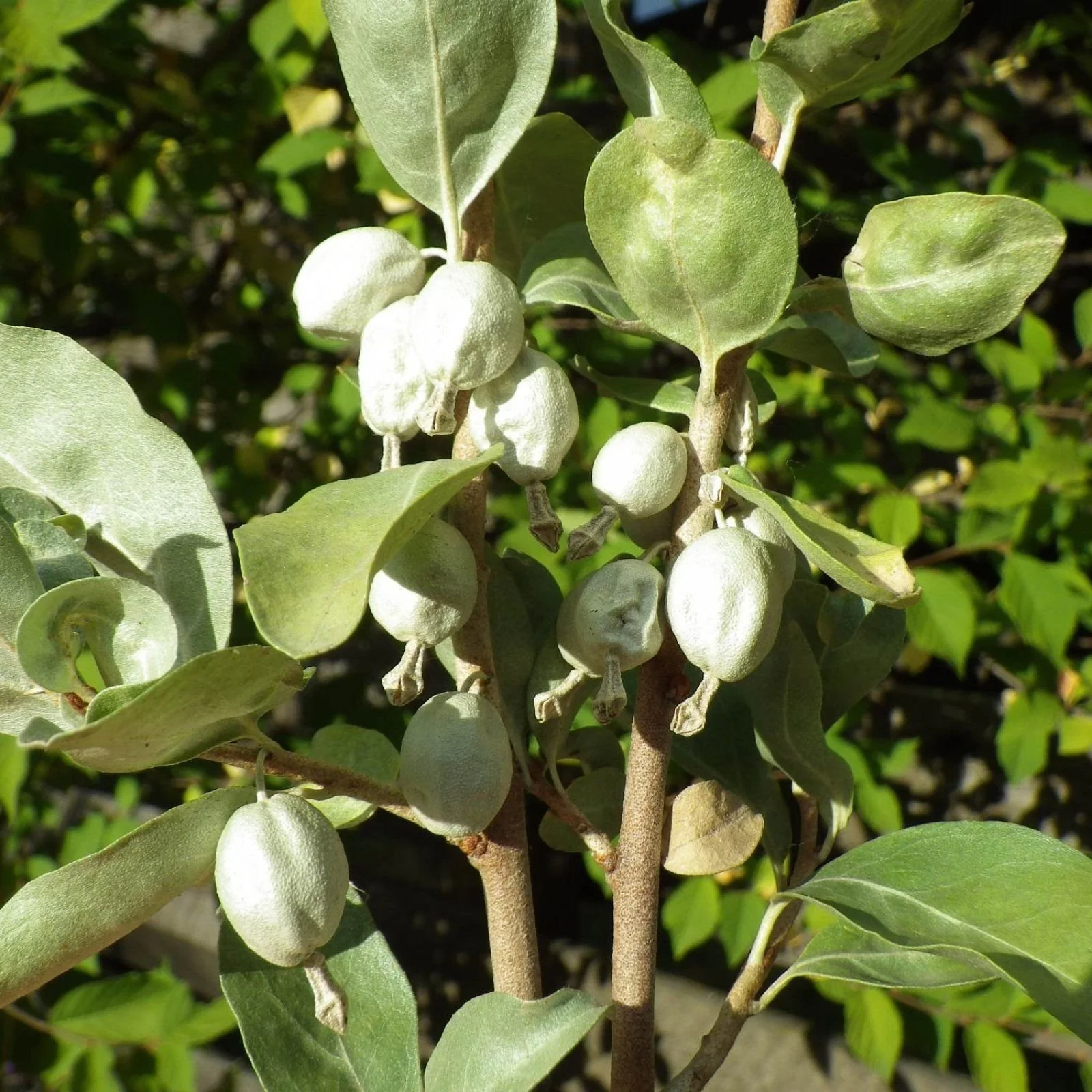
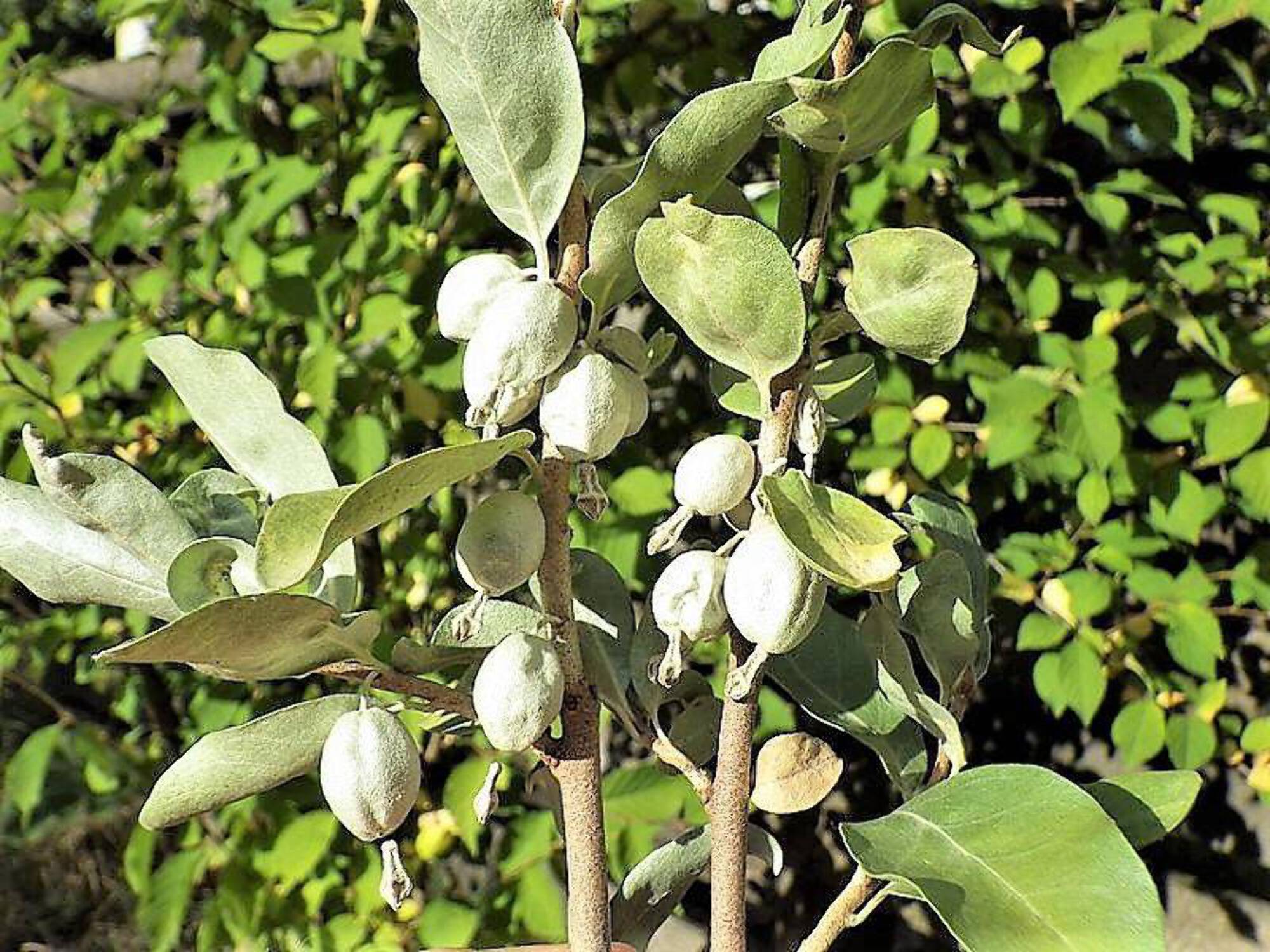
Enhance your landscape with American Silverberry Seeds (Elaeagnus commutata)—a hardy, fast-growing shrub native to North America. Known for its striking silver foliage, fragrant yellowish flowers, and small silvery fruits, this plant adds both visual beauty and ecological value to gardens and natural areas. American Silverberry is prized for its nitrogen-fixing ability, making it ideal for improving soil fertility and supporting sustainable landscaping. It’s a perfect choice for hedgerows, erosion control, and wildlife habitats.
Features
-
Attractive Silvery Foliage: Distinctive silver-green leaves add texture and color.
-
Fragrant Blooms: Produces aromatic yellow flowers in late spring to early summer.
-
Hardy & Drought-Resistant: Thrives in poor soils and harsh climates.
-
Wildlife-Friendly: Fruits provide food for birds and small mammals.
-
Soil-Enriching Plant: Improves soil through nitrogen fixation.
Specifications
-
Botanical Name: Elaeagnus commutata
-
Common Name: American Silverberry, Wolf-willow
-
Seed Type: Non-GMO Fruit Shrub Seeds
-
Growth Habit: Deciduous to semi-evergreen shrub
-
USDA Hardiness Zones: 2–8
-
Sun Exposure: Full sun to partial shade
-
Soil Type: Well-drained sandy, loamy, or clay soil
-
Soil pH: 6.0–8.0
-
Watering Needs: Low to moderate; drought-tolerant once established
-
Germination Time: 30–90 days (cold stratification recommended)
-
Maturity Period: 2–3 years for full shrub development
-
Planting Season: Fall or early spring (after stratification)
-
Planting Depth: 1/4 inch (0.6 cm)
-
Spacing: 3–6 feet apart
-
Temperature for Germination: 40–70°F (4–21°C)
-
Plant Height: 4–10 feet at maturity
-
Flower Color: Creamy yellow
-
Fruit Color: Silver-gray to light brown
-
Pollination: Self-pollinating
-
Uses: Windbreaks, erosion control, hedges, wildlife habitat, soil improvement
Planting Guide
-
Stratify seeds for 60–90 days by refrigerating them in moist sand or peat moss.
-
Sow seeds 1/4 inch deep in well-draining soil after stratification.
-
Keep soil consistently moist during germination.
-
Provide full sun exposure for best growth and fruit production.
-
Transplant seedlings once they are strong enough to handle.
-
Water regularly until established; thereafter, water only during prolonged dry periods.
-
Prune lightly after flowering to shape and encourage new growth.
Original: $16.99
-65%$16.99
$5.95More Images

American Silverberry Fruit Seeds
Enhance your landscape with American Silverberry Seeds (Elaeagnus commutata)—a hardy, fast-growing shrub native to North America. Known for its striking silver foliage, fragrant yellowish flowers, and small silvery fruits, this plant adds both visual beauty and ecological value to gardens and natural areas. American Silverberry is prized for its nitrogen-fixing ability, making it ideal for improving soil fertility and supporting sustainable landscaping. It’s a perfect choice for hedgerows, erosion control, and wildlife habitats.
Features
-
Attractive Silvery Foliage: Distinctive silver-green leaves add texture and color.
-
Fragrant Blooms: Produces aromatic yellow flowers in late spring to early summer.
-
Hardy & Drought-Resistant: Thrives in poor soils and harsh climates.
-
Wildlife-Friendly: Fruits provide food for birds and small mammals.
-
Soil-Enriching Plant: Improves soil through nitrogen fixation.
Specifications
-
Botanical Name: Elaeagnus commutata
-
Common Name: American Silverberry, Wolf-willow
-
Seed Type: Non-GMO Fruit Shrub Seeds
-
Growth Habit: Deciduous to semi-evergreen shrub
-
USDA Hardiness Zones: 2–8
-
Sun Exposure: Full sun to partial shade
-
Soil Type: Well-drained sandy, loamy, or clay soil
-
Soil pH: 6.0–8.0
-
Watering Needs: Low to moderate; drought-tolerant once established
-
Germination Time: 30–90 days (cold stratification recommended)
-
Maturity Period: 2–3 years for full shrub development
-
Planting Season: Fall or early spring (after stratification)
-
Planting Depth: 1/4 inch (0.6 cm)
-
Spacing: 3–6 feet apart
-
Temperature for Germination: 40–70°F (4–21°C)
-
Plant Height: 4–10 feet at maturity
-
Flower Color: Creamy yellow
-
Fruit Color: Silver-gray to light brown
-
Pollination: Self-pollinating
-
Uses: Windbreaks, erosion control, hedges, wildlife habitat, soil improvement
Planting Guide
-
Stratify seeds for 60–90 days by refrigerating them in moist sand or peat moss.
-
Sow seeds 1/4 inch deep in well-draining soil after stratification.
-
Keep soil consistently moist during germination.
-
Provide full sun exposure for best growth and fruit production.
-
Transplant seedlings once they are strong enough to handle.
-
Water regularly until established; thereafter, water only during prolonged dry periods.
-
Prune lightly after flowering to shape and encourage new growth.
Product Information
Product Information
Shipping & Returns
Shipping & Returns
Description
Enhance your landscape with American Silverberry Seeds (Elaeagnus commutata)—a hardy, fast-growing shrub native to North America. Known for its striking silver foliage, fragrant yellowish flowers, and small silvery fruits, this plant adds both visual beauty and ecological value to gardens and natural areas. American Silverberry is prized for its nitrogen-fixing ability, making it ideal for improving soil fertility and supporting sustainable landscaping. It’s a perfect choice for hedgerows, erosion control, and wildlife habitats.
Features
-
Attractive Silvery Foliage: Distinctive silver-green leaves add texture and color.
-
Fragrant Blooms: Produces aromatic yellow flowers in late spring to early summer.
-
Hardy & Drought-Resistant: Thrives in poor soils and harsh climates.
-
Wildlife-Friendly: Fruits provide food for birds and small mammals.
-
Soil-Enriching Plant: Improves soil through nitrogen fixation.
Specifications
-
Botanical Name: Elaeagnus commutata
-
Common Name: American Silverberry, Wolf-willow
-
Seed Type: Non-GMO Fruit Shrub Seeds
-
Growth Habit: Deciduous to semi-evergreen shrub
-
USDA Hardiness Zones: 2–8
-
Sun Exposure: Full sun to partial shade
-
Soil Type: Well-drained sandy, loamy, or clay soil
-
Soil pH: 6.0–8.0
-
Watering Needs: Low to moderate; drought-tolerant once established
-
Germination Time: 30–90 days (cold stratification recommended)
-
Maturity Period: 2–3 years for full shrub development
-
Planting Season: Fall or early spring (after stratification)
-
Planting Depth: 1/4 inch (0.6 cm)
-
Spacing: 3–6 feet apart
-
Temperature for Germination: 40–70°F (4–21°C)
-
Plant Height: 4–10 feet at maturity
-
Flower Color: Creamy yellow
-
Fruit Color: Silver-gray to light brown
-
Pollination: Self-pollinating
-
Uses: Windbreaks, erosion control, hedges, wildlife habitat, soil improvement
Planting Guide
-
Stratify seeds for 60–90 days by refrigerating them in moist sand or peat moss.
-
Sow seeds 1/4 inch deep in well-draining soil after stratification.
-
Keep soil consistently moist during germination.
-
Provide full sun exposure for best growth and fruit production.
-
Transplant seedlings once they are strong enough to handle.
-
Water regularly until established; thereafter, water only during prolonged dry periods.
-
Prune lightly after flowering to shape and encourage new growth.