American Highbush Cranberry Fruit Seeds
Key Features:
-
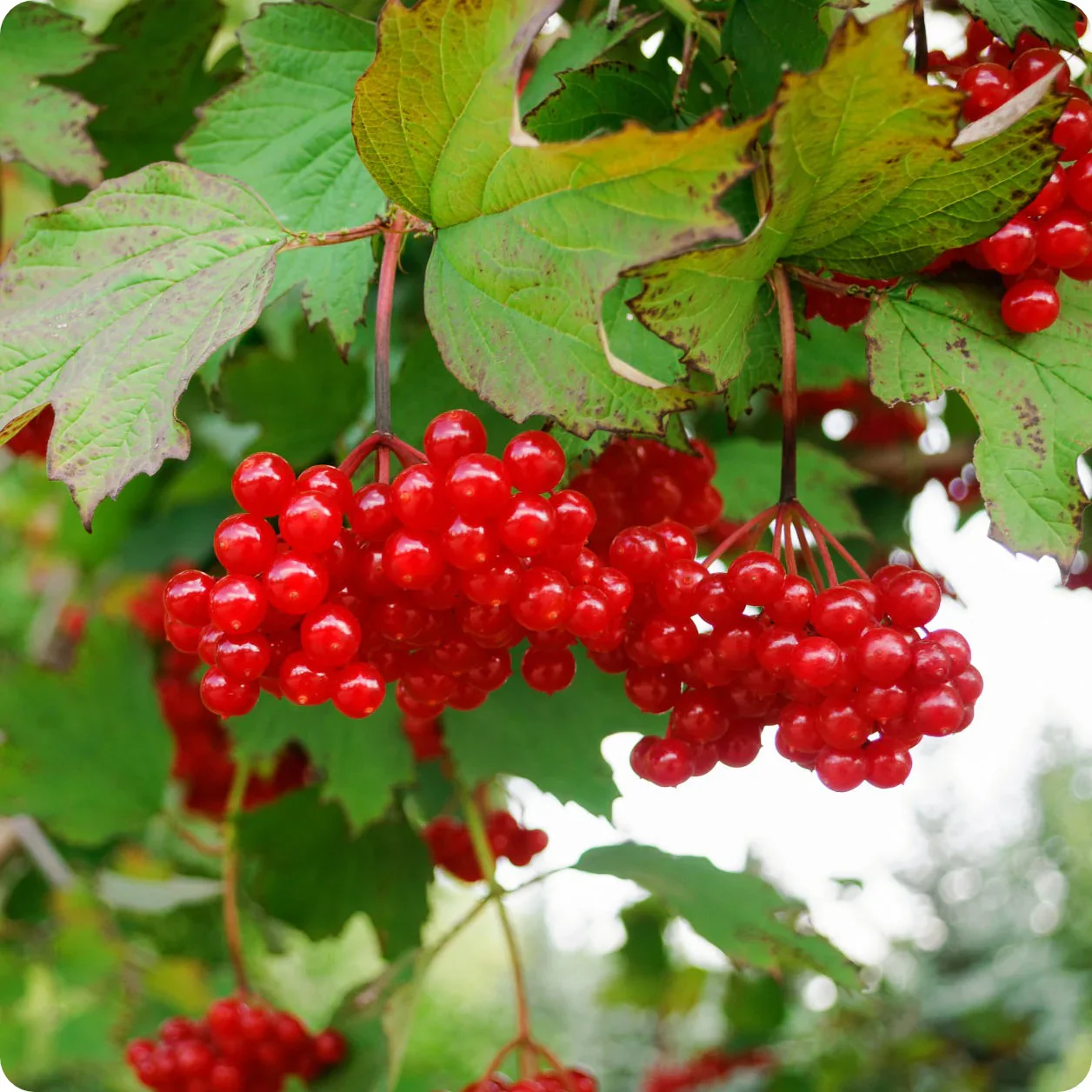
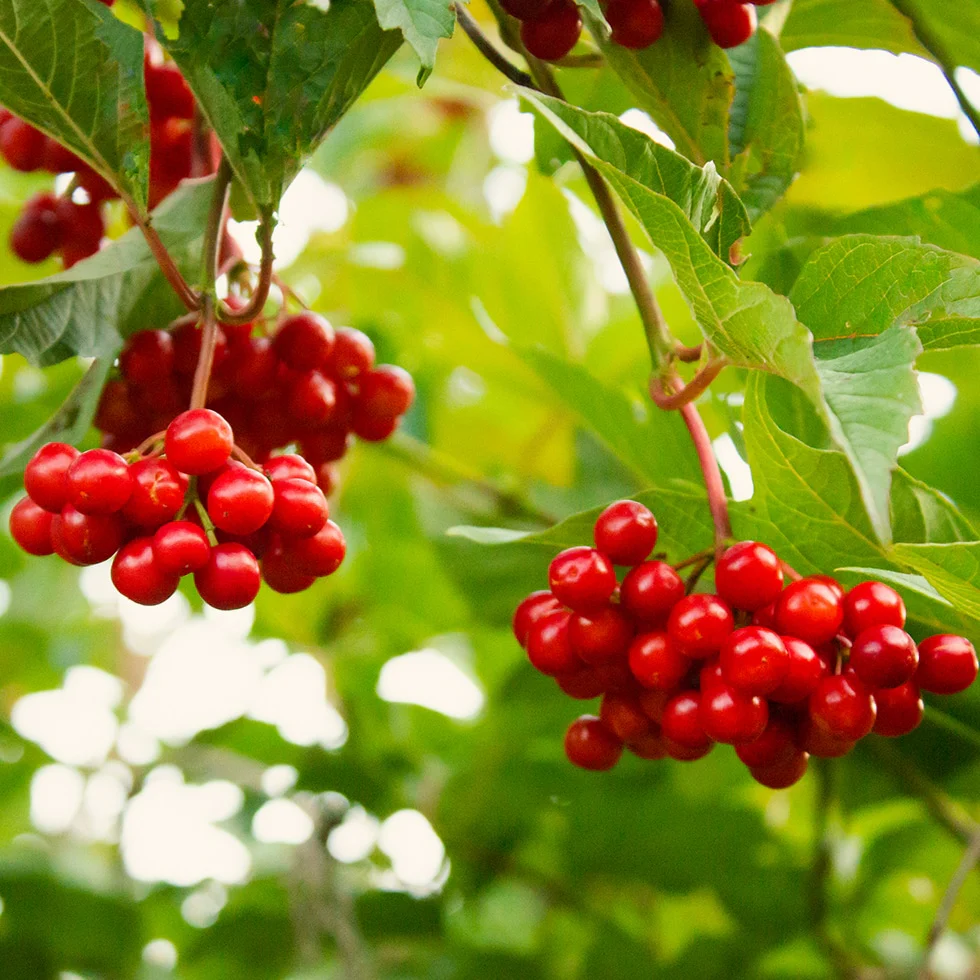
Produces clusters of edible red berries valued for cooking and preserving
-
Displays white flower clusters in late spring and red fall foliage
-
Suitable for hedges, borders, native gardens, and wildlife landscapes
-
Exceptionally cold-hardy, thriving in northern climates
-
Non-GMO seeds
Specifications
-
Seed Name: American Highbush Cranberry
-
Common Name: Highbush Cranberry
-
Botanical Name: Viburnum trilobum (also referenced as Viburnum opulus var. americanum)
-
Plant Type: Deciduous Fruiting Shrub
-
USDA Growing Zones: 2–7
-
Mature Size: 8–12 ft tall; 6–10 ft wide
-
Fruit: Bright red berries in clusters
-
Flowers: White clusters in late spring
-
Planting Season: Spring or Fall
-
Sunlight: Full Sun to Partial Shade
-
Soil Needs: Moist, well-draining; tolerates clay, loam, and slightly acidic soils
-
Watering: Moderate; watering needed during establishment
-
Germination: Requires warm and cold stratification for successful sprouting
-
GMO Status: Non-GMO
Planting Guide
Stratification:
- Place seeds in slightly moist peat or sand.
- Keep warm for 60 days, then refrigerate for 90–120 days.
Sowing:
- Plant seeds 1/4 inch deep in well-draining seed-start mix.
Watering:
- Keep soil consistently moist, not soggy, during germination.
Light:
- Provide bright indirect light for seedlings; transition to full sun outdoors.
Transplanting:
- Move to final outdoor location after frost risk has passed.
Original: $16.99
-65%$16.99
$5.95More Images



American Highbush Cranberry Fruit Seeds
Key Features:
-
Produces clusters of edible red berries valued for cooking and preserving
-
Displays white flower clusters in late spring and red fall foliage
-
Suitable for hedges, borders, native gardens, and wildlife landscapes
-
Exceptionally cold-hardy, thriving in northern climates
-
Non-GMO seeds
Specifications
-
Seed Name: American Highbush Cranberry
-
Common Name: Highbush Cranberry
-
Botanical Name: Viburnum trilobum (also referenced as Viburnum opulus var. americanum)
-
Plant Type: Deciduous Fruiting Shrub
-
USDA Growing Zones: 2–7
-
Mature Size: 8–12 ft tall; 6–10 ft wide
-
Fruit: Bright red berries in clusters
-
Flowers: White clusters in late spring
-
Planting Season: Spring or Fall
-
Sunlight: Full Sun to Partial Shade
-
Soil Needs: Moist, well-draining; tolerates clay, loam, and slightly acidic soils
-
Watering: Moderate; watering needed during establishment
-
Germination: Requires warm and cold stratification for successful sprouting
-
GMO Status: Non-GMO
Planting Guide
Stratification:
- Place seeds in slightly moist peat or sand.
- Keep warm for 60 days, then refrigerate for 90–120 days.
Sowing:
- Plant seeds 1/4 inch deep in well-draining seed-start mix.
Watering:
- Keep soil consistently moist, not soggy, during germination.
Light:
- Provide bright indirect light for seedlings; transition to full sun outdoors.
Transplanting:
- Move to final outdoor location after frost risk has passed.
Product Information
Product Information
Shipping & Returns
Shipping & Returns
Description
Key Features:
-
Produces clusters of edible red berries valued for cooking and preserving
-
Displays white flower clusters in late spring and red fall foliage
-
Suitable for hedges, borders, native gardens, and wildlife landscapes
-
Exceptionally cold-hardy, thriving in northern climates
-
Non-GMO seeds
Specifications
-
Seed Name: American Highbush Cranberry
-
Common Name: Highbush Cranberry
-
Botanical Name: Viburnum trilobum (also referenced as Viburnum opulus var. americanum)
-
Plant Type: Deciduous Fruiting Shrub
-
USDA Growing Zones: 2–7
-
Mature Size: 8–12 ft tall; 6–10 ft wide
-
Fruit: Bright red berries in clusters
-
Flowers: White clusters in late spring
-
Planting Season: Spring or Fall
-
Sunlight: Full Sun to Partial Shade
-
Soil Needs: Moist, well-draining; tolerates clay, loam, and slightly acidic soils
-
Watering: Moderate; watering needed during establishment
-
Germination: Requires warm and cold stratification for successful sprouting
-
GMO Status: Non-GMO
Planting Guide
Stratification:
- Place seeds in slightly moist peat or sand.
- Keep warm for 60 days, then refrigerate for 90–120 days.
Sowing:
- Plant seeds 1/4 inch deep in well-draining seed-start mix.
Watering:
- Keep soil consistently moist, not soggy, during germination.
Light:
- Provide bright indirect light for seedlings; transition to full sun outdoors.
Transplanting:
- Move to final outdoor location after frost risk has passed.