American High-Bush Cranberry (Vaccinium corymbosum) – Seeds
Key Features:
-
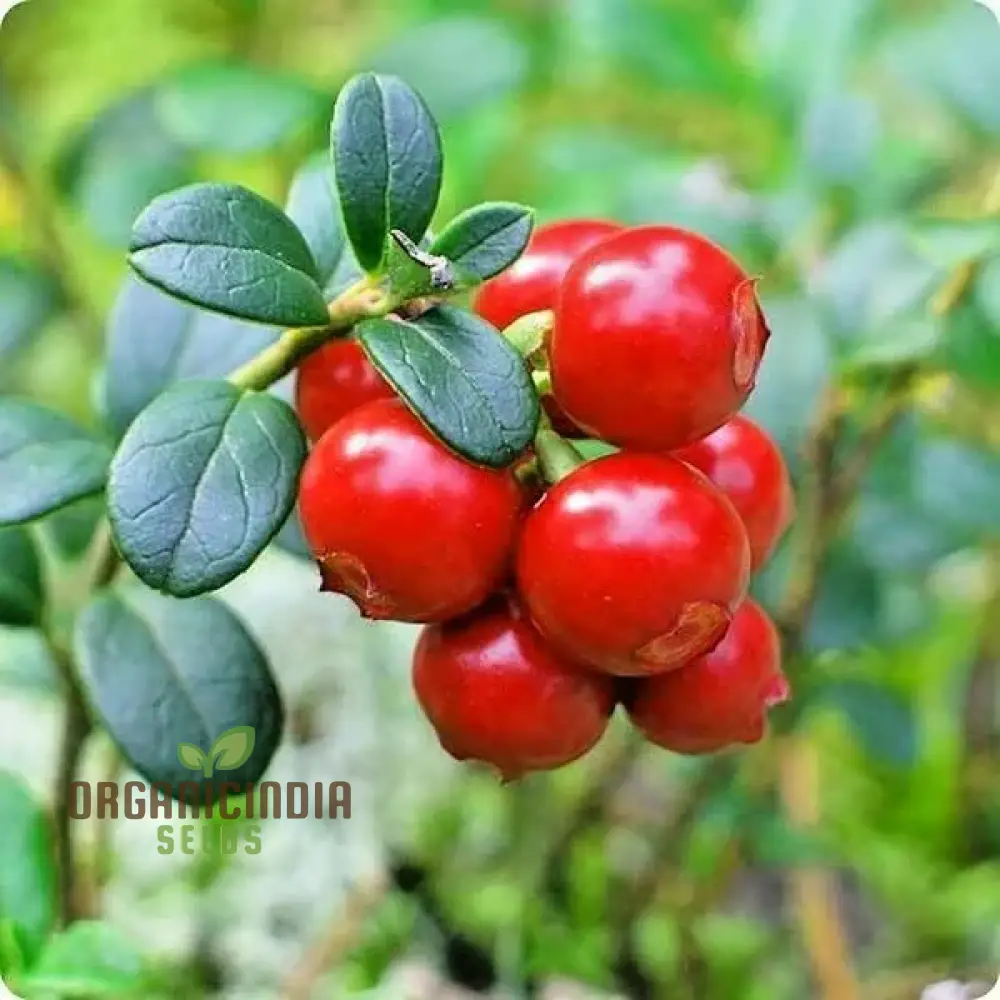
High-Yielding Shrub: Produces vibrant clusters of red, tart berries rich in antioxidants.
-
Cold Hardy & Adaptable: Thrives in cool and temperate regions with wet soil tolerance.
-
Non-GMO & Heirloom Quality: Naturally cultivated for sustainable, healthy gardening.
-
Dual Purpose: Grown for fruit as well as ornamental landscaping value.
-
Wildlife-Friendly: Attracts pollinators, including bees and birds.
-
Long-Lived Perennial: Can produce fruit for decades with proper care.
Specifications:
-
Scientific Name: Vaccinium corymbosum
-
Common Name (US): American High-Bush Cranberry
-
Plant Type: Deciduous Fruiting Shrub
-
Growth Height: 6–12 feet (1.8–3.6 m)
-
USDA Hardiness Zones: 3–8
-
Sun Exposure: Full Sun to Partial Shade
-
Soil Type: Moist, acidic, well-drained soil
-
Water Requirements: Moderate to high; prefers consistent moisture
-
Bloom Season: Late Spring (white-pink bell-shaped flowers)
-
Fruit Season: Late Summer to Early Fall
-
Seed Type: Non-GMO, Heirloom Variety
-
Temperature for Germination: 60–70°F (15–21°C)
-
Germination Time: 30–90 days (may require stratification)
-
Planting Depth: Surface sow or lightly cover with soil (1/8 inch)
-
Spacing: 3–5 feet apart
-
Pollination: Self-fertile but higher yields with cross-pollination
-
Lifespan: Long-lived perennial shrub
-
Uses: Fresh eating, jams, jellies, sauces, landscape ornamental
Planting Guide:
-
Seed Preparation: Stratify seeds in damp peat or sand for 8–12 weeks in refrigeration.
-
Sowing: Surface-sow or cover very lightly; keep moist and warm (60–70°F).
-
Light & Temperature: Provide bright, indirect light during germination.
-
Transplanting: Move to garden beds or pots once seedlings are 3–4 inches tall.
-
Soil & pH: Prefers acidic soil (pH 4.5–5.5) rich in organic matter.
-
Watering: Keep soil consistently moist, especially during dry months.
-
Fertilization: Apply organic compost or slow-release acid-loving plant fertilizer annually.
-
Pruning: Lightly prune after harvest to maintain bush shape and improve airflow.
Original: $16.99
-65%$16.99
$5.95More Images


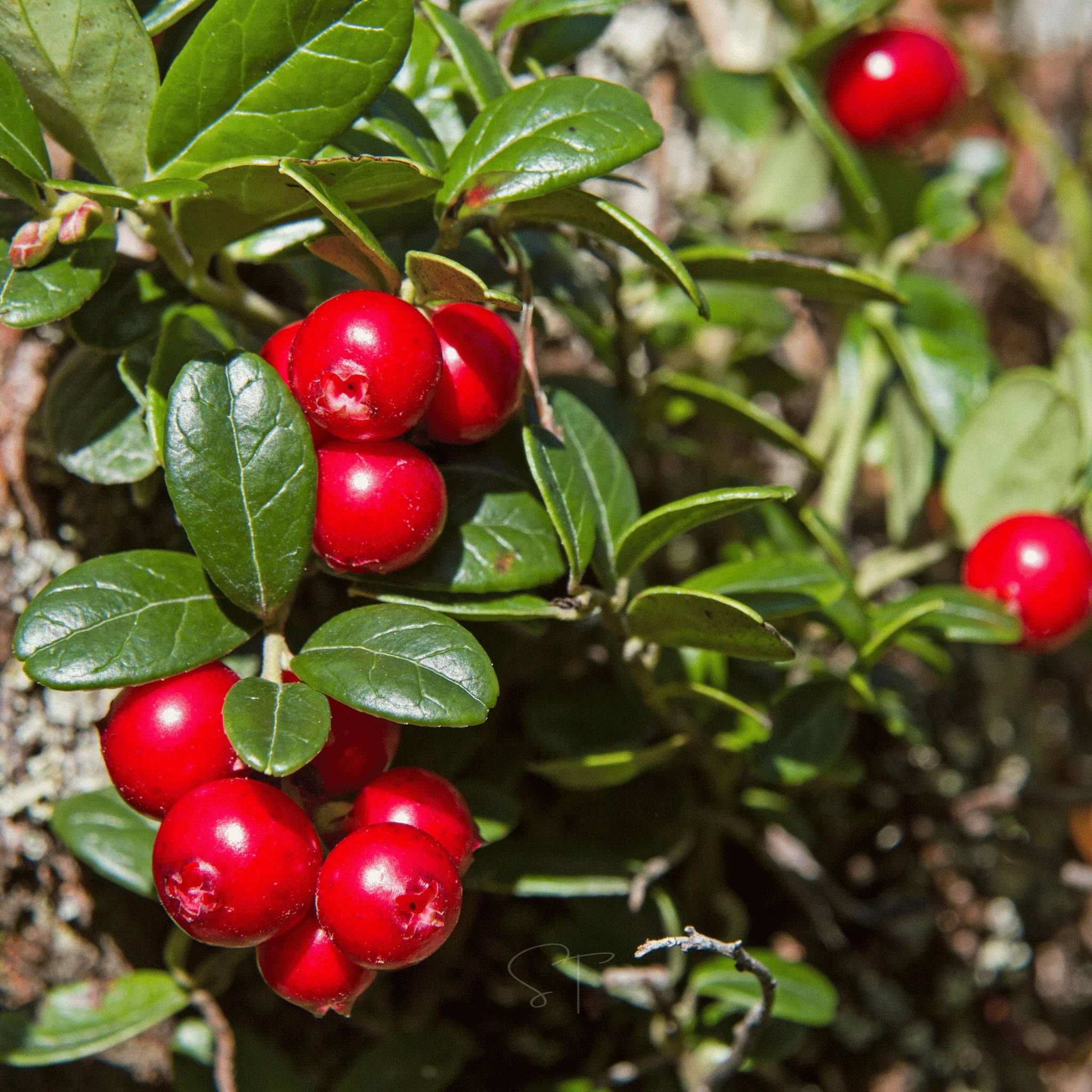
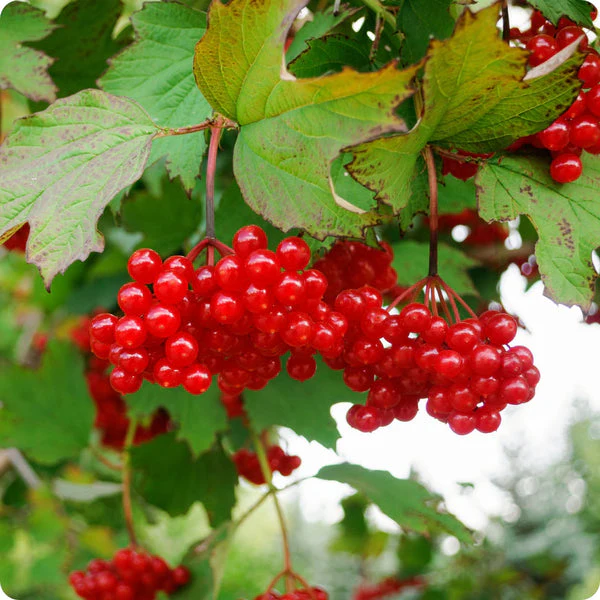
American High-Bush Cranberry (Vaccinium corymbosum) – Seeds
Key Features:
-
High-Yielding Shrub: Produces vibrant clusters of red, tart berries rich in antioxidants.
-
Cold Hardy & Adaptable: Thrives in cool and temperate regions with wet soil tolerance.
-
Non-GMO & Heirloom Quality: Naturally cultivated for sustainable, healthy gardening.
-
Dual Purpose: Grown for fruit as well as ornamental landscaping value.
-
Wildlife-Friendly: Attracts pollinators, including bees and birds.
-
Long-Lived Perennial: Can produce fruit for decades with proper care.
Specifications:
-
Scientific Name: Vaccinium corymbosum
-
Common Name (US): American High-Bush Cranberry
-
Plant Type: Deciduous Fruiting Shrub
-
Growth Height: 6–12 feet (1.8–3.6 m)
-
USDA Hardiness Zones: 3–8
-
Sun Exposure: Full Sun to Partial Shade
-
Soil Type: Moist, acidic, well-drained soil
-
Water Requirements: Moderate to high; prefers consistent moisture
-
Bloom Season: Late Spring (white-pink bell-shaped flowers)
-
Fruit Season: Late Summer to Early Fall
-
Seed Type: Non-GMO, Heirloom Variety
-
Temperature for Germination: 60–70°F (15–21°C)
-
Germination Time: 30–90 days (may require stratification)
-
Planting Depth: Surface sow or lightly cover with soil (1/8 inch)
-
Spacing: 3–5 feet apart
-
Pollination: Self-fertile but higher yields with cross-pollination
-
Lifespan: Long-lived perennial shrub
-
Uses: Fresh eating, jams, jellies, sauces, landscape ornamental
Planting Guide:
-
Seed Preparation: Stratify seeds in damp peat or sand for 8–12 weeks in refrigeration.
-
Sowing: Surface-sow or cover very lightly; keep moist and warm (60–70°F).
-
Light & Temperature: Provide bright, indirect light during germination.
-
Transplanting: Move to garden beds or pots once seedlings are 3–4 inches tall.
-
Soil & pH: Prefers acidic soil (pH 4.5–5.5) rich in organic matter.
-
Watering: Keep soil consistently moist, especially during dry months.
-
Fertilization: Apply organic compost or slow-release acid-loving plant fertilizer annually.
-
Pruning: Lightly prune after harvest to maintain bush shape and improve airflow.
Product Information
Product Information
Shipping & Returns
Shipping & Returns
Description
Key Features:
-
High-Yielding Shrub: Produces vibrant clusters of red, tart berries rich in antioxidants.
-
Cold Hardy & Adaptable: Thrives in cool and temperate regions with wet soil tolerance.
-
Non-GMO & Heirloom Quality: Naturally cultivated for sustainable, healthy gardening.
-
Dual Purpose: Grown for fruit as well as ornamental landscaping value.
-
Wildlife-Friendly: Attracts pollinators, including bees and birds.
-
Long-Lived Perennial: Can produce fruit for decades with proper care.
Specifications:
-
Scientific Name: Vaccinium corymbosum
-
Common Name (US): American High-Bush Cranberry
-
Plant Type: Deciduous Fruiting Shrub
-
Growth Height: 6–12 feet (1.8–3.6 m)
-
USDA Hardiness Zones: 3–8
-
Sun Exposure: Full Sun to Partial Shade
-
Soil Type: Moist, acidic, well-drained soil
-
Water Requirements: Moderate to high; prefers consistent moisture
-
Bloom Season: Late Spring (white-pink bell-shaped flowers)
-
Fruit Season: Late Summer to Early Fall
-
Seed Type: Non-GMO, Heirloom Variety
-
Temperature for Germination: 60–70°F (15–21°C)
-
Germination Time: 30–90 days (may require stratification)
-
Planting Depth: Surface sow or lightly cover with soil (1/8 inch)
-
Spacing: 3–5 feet apart
-
Pollination: Self-fertile but higher yields with cross-pollination
-
Lifespan: Long-lived perennial shrub
-
Uses: Fresh eating, jams, jellies, sauces, landscape ornamental
Planting Guide:
-
Seed Preparation: Stratify seeds in damp peat or sand for 8–12 weeks in refrigeration.
-
Sowing: Surface-sow or cover very lightly; keep moist and warm (60–70°F).
-
Light & Temperature: Provide bright, indirect light during germination.
-
Transplanting: Move to garden beds or pots once seedlings are 3–4 inches tall.
-
Soil & pH: Prefers acidic soil (pH 4.5–5.5) rich in organic matter.
-
Watering: Keep soil consistently moist, especially during dry months.
-
Fertilization: Apply organic compost or slow-release acid-loving plant fertilizer annually.
-
Pruning: Lightly prune after harvest to maintain bush shape and improve airflow.