American Hazelnut Fruit Seeds
Key Features:
-
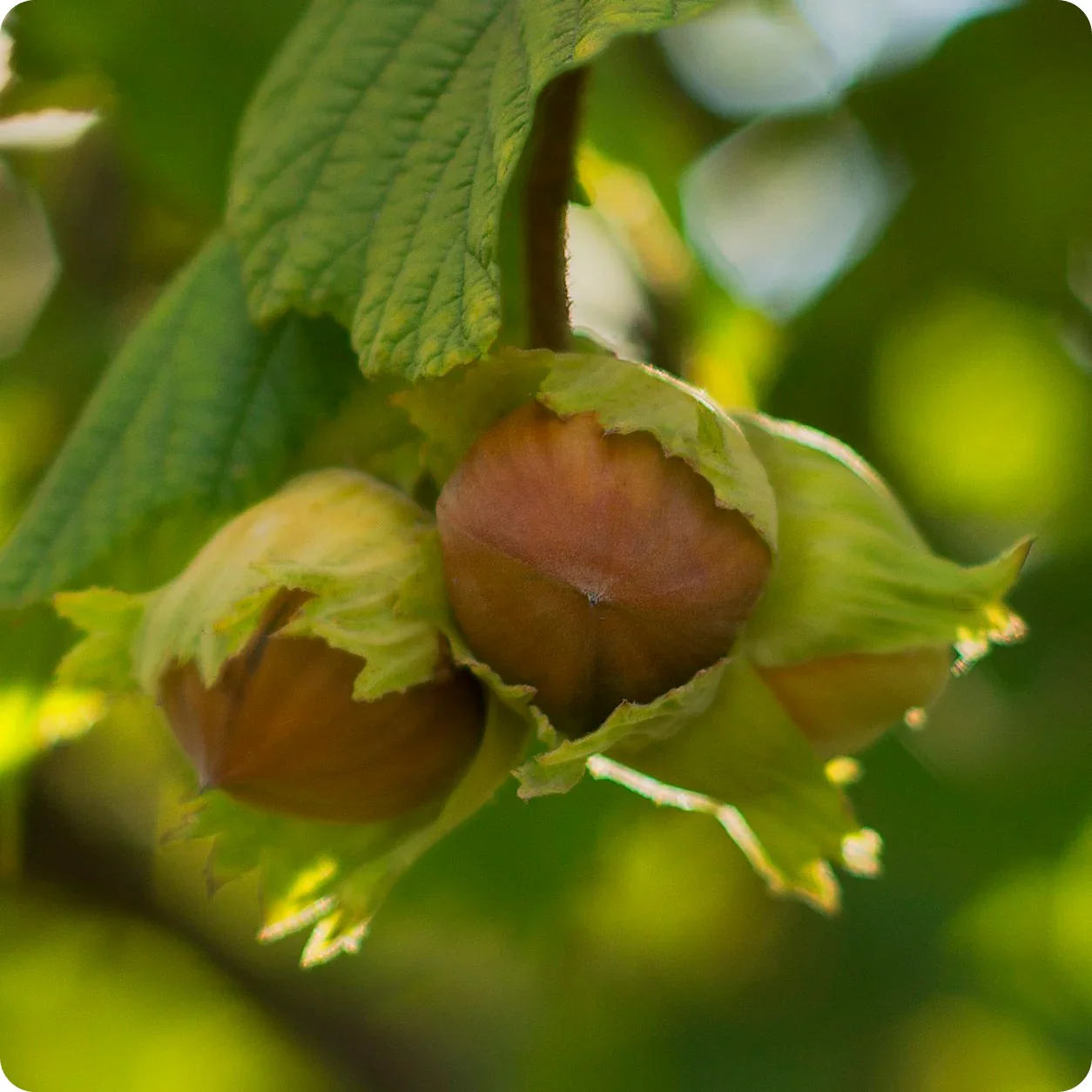
Produces small, sweet, edible hazelnuts suitable for fresh eating, roasting, or baking
-
Cold-hardy native shrub well-adapted to a wide range of climates
-
Excellent choice for natural hedges, food forests, and edible landscapes
-
Attracts pollinators, birds, and beneficial wildlife
-
Non-GMO wild-type seed variety
Specifications
-
Seed Name: American Hazelnut
-
Botanical Name: Corylus americana
-
Plant Type: Perennial Shrub
-
USDA Zones: 4–9
-
Mature Height: 6–12 ft
-
Growth Habit: Multi-stemmed, bushy shrub
-
Fruit/Nut Type: Shell nut with sweet edible kernel
-
Light Requirements: Full Sun to Partial Shade
-
Soil Preference: Well-draining loam, tolerates varied soils
-
Water Needs: Moderate; drought tolerant once established
-
Pollination: Wind-pollinated (planting more than one improves nut yield)
-
Season to Sow: Late fall or early spring
-
GMO Status: Non-GMO
Planting Guide
-
Cold Stratification Required:
Mix seeds with moist sand and refrigerate 90–120 days before planting. -
Sowing Depth:
Plant seeds 1/2 inch deep in soil. -
Germination Temperature:
Maintain soil at 55–70°F after stratification. -
Transplanting:
Transplant seedlings outdoors after frost once 4–6 inches tall. -
Spacing:
Plant 6–10 ft apart for hedge forms; wider spacing for nut orchards. -
Care:
Water weekly in the first growing season; prune lightly to shape if desired.
Original: $16.99
-65%$16.99
$5.95More Images


American Hazelnut Fruit Seeds
Key Features:
-
Produces small, sweet, edible hazelnuts suitable for fresh eating, roasting, or baking
-
Cold-hardy native shrub well-adapted to a wide range of climates
-
Excellent choice for natural hedges, food forests, and edible landscapes
-
Attracts pollinators, birds, and beneficial wildlife
-
Non-GMO wild-type seed variety
Specifications
-
Seed Name: American Hazelnut
-
Botanical Name: Corylus americana
-
Plant Type: Perennial Shrub
-
USDA Zones: 4–9
-
Mature Height: 6–12 ft
-
Growth Habit: Multi-stemmed, bushy shrub
-
Fruit/Nut Type: Shell nut with sweet edible kernel
-
Light Requirements: Full Sun to Partial Shade
-
Soil Preference: Well-draining loam, tolerates varied soils
-
Water Needs: Moderate; drought tolerant once established
-
Pollination: Wind-pollinated (planting more than one improves nut yield)
-
Season to Sow: Late fall or early spring
-
GMO Status: Non-GMO
Planting Guide
-
Cold Stratification Required:
Mix seeds with moist sand and refrigerate 90–120 days before planting. -
Sowing Depth:
Plant seeds 1/2 inch deep in soil. -
Germination Temperature:
Maintain soil at 55–70°F after stratification. -
Transplanting:
Transplant seedlings outdoors after frost once 4–6 inches tall. -
Spacing:
Plant 6–10 ft apart for hedge forms; wider spacing for nut orchards. -
Care:
Water weekly in the first growing season; prune lightly to shape if desired.
Product Information
Product Information
Shipping & Returns
Shipping & Returns
Description
Key Features:
-
Produces small, sweet, edible hazelnuts suitable for fresh eating, roasting, or baking
-
Cold-hardy native shrub well-adapted to a wide range of climates
-
Excellent choice for natural hedges, food forests, and edible landscapes
-
Attracts pollinators, birds, and beneficial wildlife
-
Non-GMO wild-type seed variety
Specifications
-
Seed Name: American Hazelnut
-
Botanical Name: Corylus americana
-
Plant Type: Perennial Shrub
-
USDA Zones: 4–9
-
Mature Height: 6–12 ft
-
Growth Habit: Multi-stemmed, bushy shrub
-
Fruit/Nut Type: Shell nut with sweet edible kernel
-
Light Requirements: Full Sun to Partial Shade
-
Soil Preference: Well-draining loam, tolerates varied soils
-
Water Needs: Moderate; drought tolerant once established
-
Pollination: Wind-pollinated (planting more than one improves nut yield)
-
Season to Sow: Late fall or early spring
-
GMO Status: Non-GMO
Planting Guide
-
Cold Stratification Required:
Mix seeds with moist sand and refrigerate 90–120 days before planting. -
Sowing Depth:
Plant seeds 1/2 inch deep in soil. -
Germination Temperature:
Maintain soil at 55–70°F after stratification. -
Transplanting:
Transplant seedlings outdoors after frost once 4–6 inches tall. -
Spacing:
Plant 6–10 ft apart for hedge forms; wider spacing for nut orchards. -
Care:
Water weekly in the first growing season; prune lightly to shape if desired.