Almond (Badam) Tree Seeds, Cultivate Nutrient-Rich Fruits with Expert Tips on Seed Selection and Care
Almond (Badam) Tree Seeds, Cultivate Nutrient-Rich Fruits with Expert Tips on Seed Selection and Care
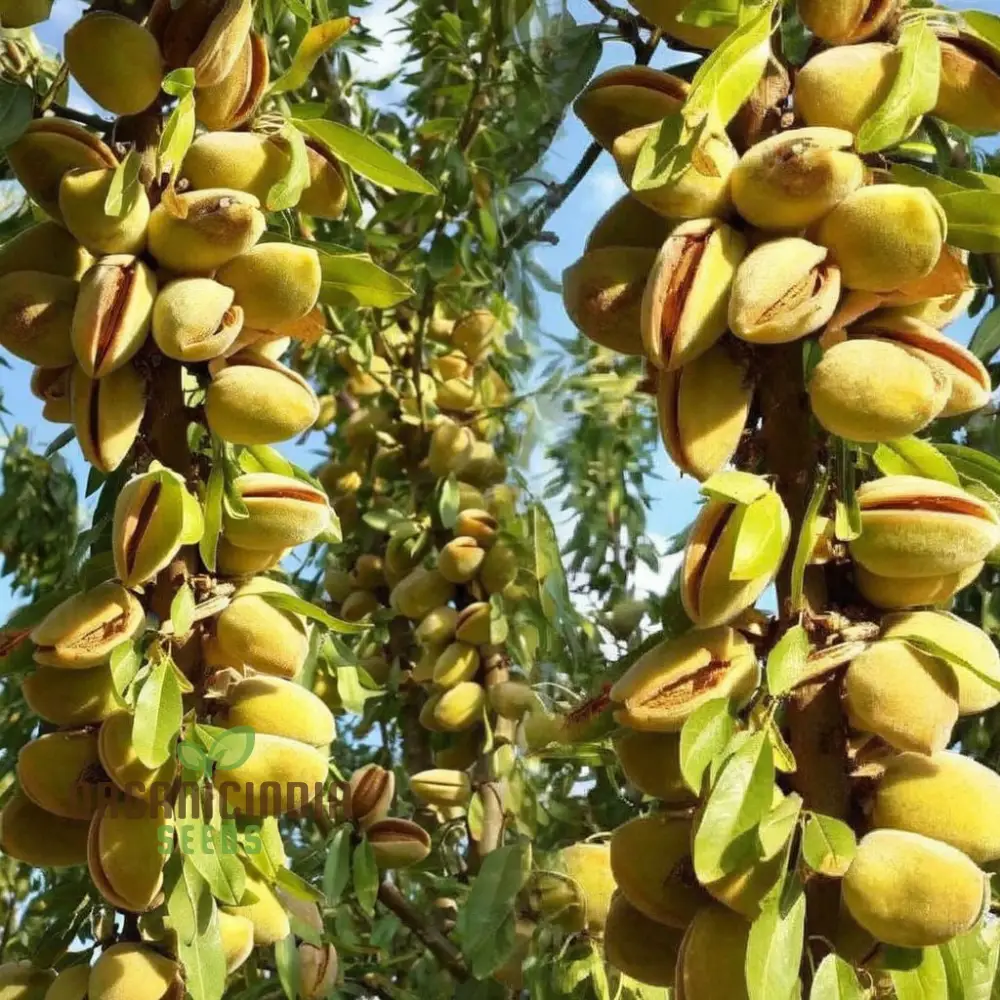
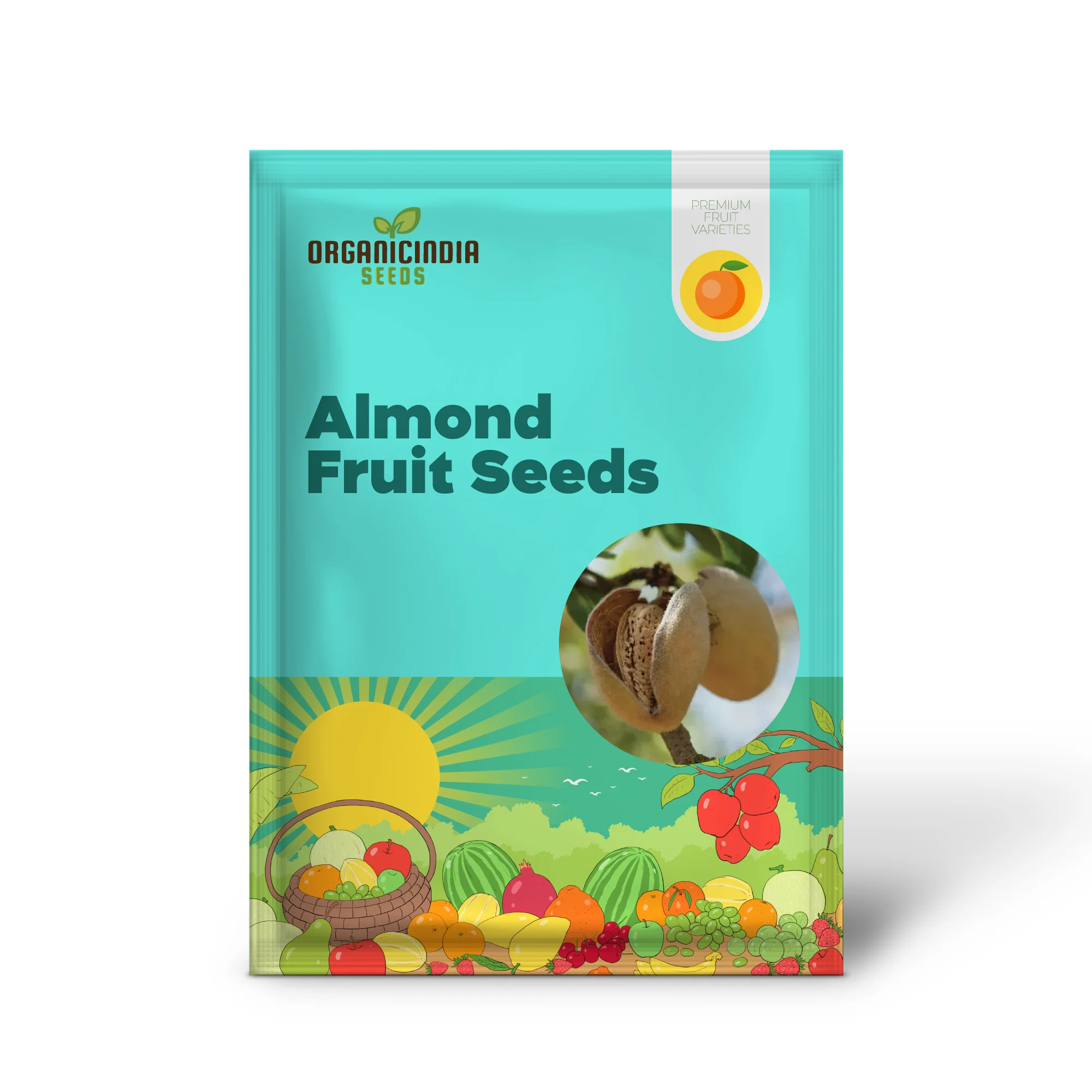
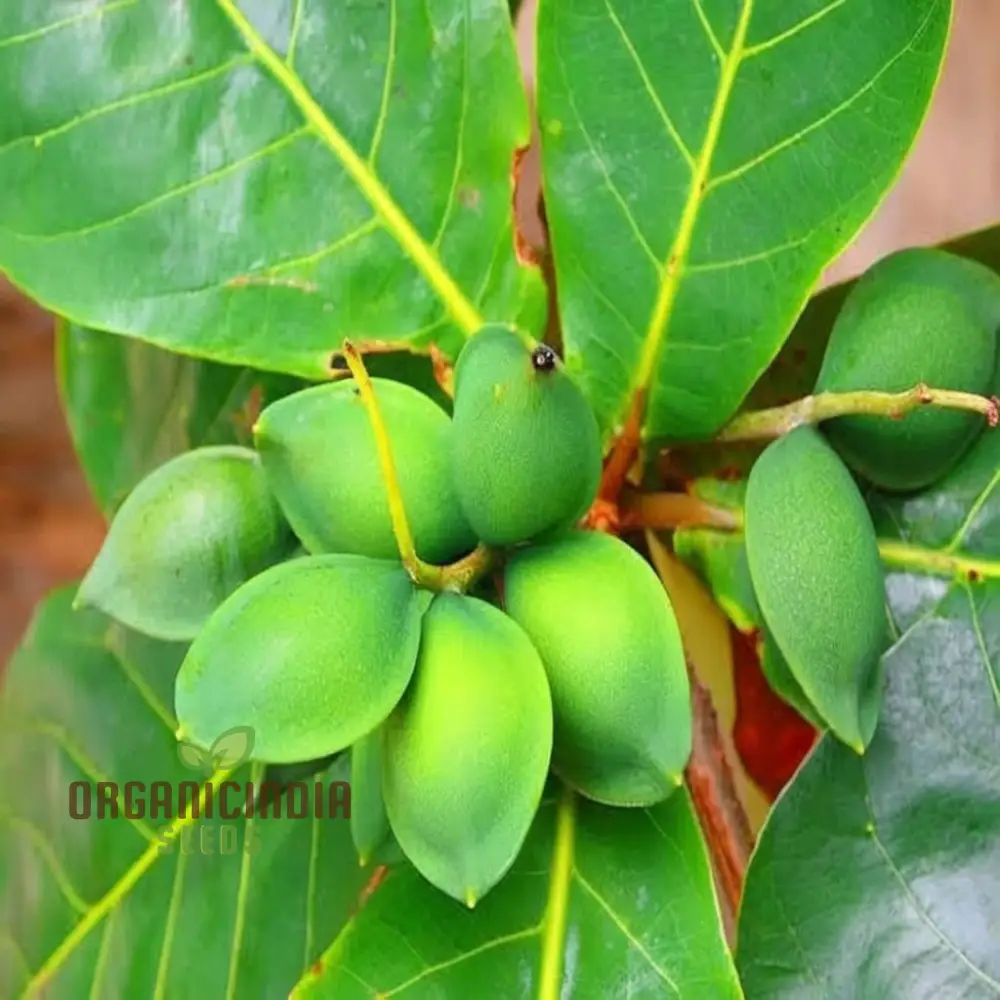
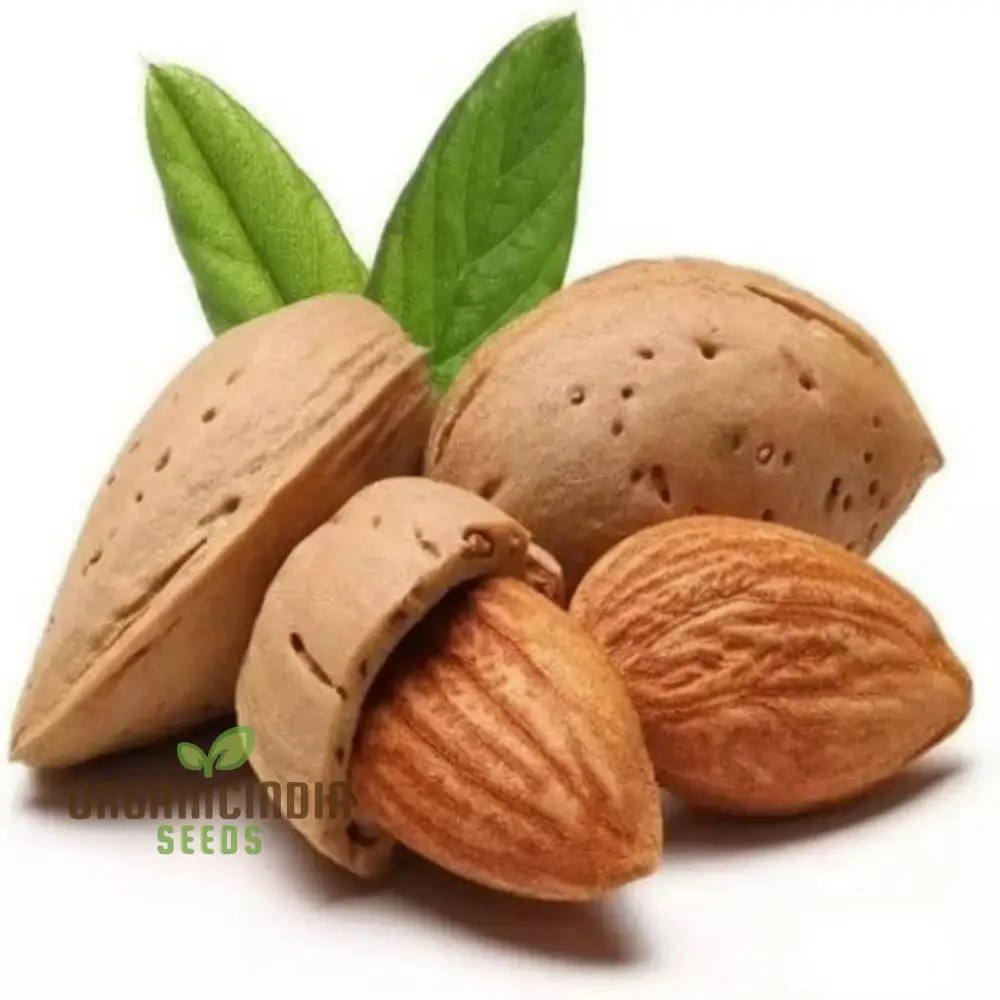
Bring the richness of nature to your garden with Almond (Badam) Tree Seeds (Prunus dulcis) — a rewarding crop known for its nutrient-dense nuts, fragrant blossoms, and ornamental beauty. These Non-GMO almond seeds grow into productive trees that thrive in warm, dry climates, producing delicious, protein-rich almonds perfect for home or small-scale cultivation.
Ideal for backyards, orchards, and large containers, almond trees add both beauty and bounty to any garden. With proper care, you can enjoy their stunning spring blossoms and a harvest of fresh, nutrient-rich nuts.
Features:
-
Premium-quality Almond Tree Seeds (Badam) for planting
-
Produces nutrient-rich almonds high in protein and healthy fats
-
100% Non-GMO and suitable for organic cultivation
-
Beautiful spring blossoms with pinkish-white flowers
-
Thrives in sunny, dry, and temperate climates
-
Long-living and productive fruit tree
-
Ideal for home gardens, orchards, and patios
Specifications:
-
Common Name: Almond / Badam
-
Scientific Name: Prunus dulcis
-
Plant Type: Deciduous fruit and nut tree
-
Seed Type: Non-GMO
-
Growth Habit: Upright, spreading canopy
-
Height: 10–15 feet at maturity (can reach up to 30 feet)
-
Light Requirements: Full sunlight (at least 6–8 hours daily)
-
Soil Type: Well-drained sandy or loamy soil with neutral to slightly alkaline pH
-
Watering: Moderate; allow soil to dry slightly between waterings
-
Season: Best sown in late winter to early spring
-
USDA Hardiness Zones: 7–9
-
Germination Time: 4–8 weeks under ideal conditions
-
Temperature for Germination: 18–25°C (65–77°F)
-
Maturity: 3–5 years for nut-bearing under proper care
-
Pollination: Some varieties self-pollinate; others require cross-pollination
-
Uses: Fresh nuts, desserts, cooking, oil extraction, and ornamental planting
Planting Guide:
-
Cold stratify almond seeds by refrigerating them for 6–8 weeks to enhance germination.
-
After stratification, soak seeds in warm water for 24 hours before planting.
-
Use well-drained fertile soil mixed with compost or organic matter.
-
Plant seeds 1 inch deep in moist soil, covering lightly.
-
Maintain consistent warmth (18–25°C) and sunlight during germination.
-
Transplant seedlings outdoors once they are 6–8 inches tall and frost danger has passed.
-
Choose a sunny, well-ventilated location for planting.
-
Water moderately — avoid overwatering to prevent root rot.
-
Prune annually to maintain shape and encourage fruiting.
More Images
Almond (Badam) Tree Seeds, Cultivate Nutrient-Rich Fruits with Expert Tips on Seed Selection and Care
Bring the richness of nature to your garden with Almond (Badam) Tree Seeds (Prunus dulcis) — a rewarding crop known for its nutrient-dense nuts, fragrant blossoms, and ornamental beauty. These Non-GMO almond seeds grow into productive trees that thrive in warm, dry climates, producing delicious, protein-rich almonds perfect for home or small-scale cultivation.
Ideal for backyards, orchards, and large containers, almond trees add both beauty and bounty to any garden. With proper care, you can enjoy their stunning spring blossoms and a harvest of fresh, nutrient-rich nuts.
Features:
-
Premium-quality Almond Tree Seeds (Badam) for planting
-
Produces nutrient-rich almonds high in protein and healthy fats
-
100% Non-GMO and suitable for organic cultivation
-
Beautiful spring blossoms with pinkish-white flowers
-
Thrives in sunny, dry, and temperate climates
-
Long-living and productive fruit tree
-
Ideal for home gardens, orchards, and patios
Specifications:
-
Common Name: Almond / Badam
-
Scientific Name: Prunus dulcis
-
Plant Type: Deciduous fruit and nut tree
-
Seed Type: Non-GMO
-
Growth Habit: Upright, spreading canopy
-
Height: 10–15 feet at maturity (can reach up to 30 feet)
-
Light Requirements: Full sunlight (at least 6–8 hours daily)
-
Soil Type: Well-drained sandy or loamy soil with neutral to slightly alkaline pH
-
Watering: Moderate; allow soil to dry slightly between waterings
-
Season: Best sown in late winter to early spring
-
USDA Hardiness Zones: 7–9
-
Germination Time: 4–8 weeks under ideal conditions
-
Temperature for Germination: 18–25°C (65–77°F)
-
Maturity: 3–5 years for nut-bearing under proper care
-
Pollination: Some varieties self-pollinate; others require cross-pollination
-
Uses: Fresh nuts, desserts, cooking, oil extraction, and ornamental planting
Planting Guide:
-
Cold stratify almond seeds by refrigerating them for 6–8 weeks to enhance germination.
-
After stratification, soak seeds in warm water for 24 hours before planting.
-
Use well-drained fertile soil mixed with compost or organic matter.
-
Plant seeds 1 inch deep in moist soil, covering lightly.
-
Maintain consistent warmth (18–25°C) and sunlight during germination.
-
Transplant seedlings outdoors once they are 6–8 inches tall and frost danger has passed.
-
Choose a sunny, well-ventilated location for planting.
-
Water moderately — avoid overwatering to prevent root rot.
-
Prune annually to maintain shape and encourage fruiting.
Product Information
Product Information
Shipping & Returns
Shipping & Returns
Description
Bring the richness of nature to your garden with Almond (Badam) Tree Seeds (Prunus dulcis) — a rewarding crop known for its nutrient-dense nuts, fragrant blossoms, and ornamental beauty. These Non-GMO almond seeds grow into productive trees that thrive in warm, dry climates, producing delicious, protein-rich almonds perfect for home or small-scale cultivation.
Ideal for backyards, orchards, and large containers, almond trees add both beauty and bounty to any garden. With proper care, you can enjoy their stunning spring blossoms and a harvest of fresh, nutrient-rich nuts.
Features:
-
Premium-quality Almond Tree Seeds (Badam) for planting
-
Produces nutrient-rich almonds high in protein and healthy fats
-
100% Non-GMO and suitable for organic cultivation
-
Beautiful spring blossoms with pinkish-white flowers
-
Thrives in sunny, dry, and temperate climates
-
Long-living and productive fruit tree
-
Ideal for home gardens, orchards, and patios
Specifications:
-
Common Name: Almond / Badam
-
Scientific Name: Prunus dulcis
-
Plant Type: Deciduous fruit and nut tree
-
Seed Type: Non-GMO
-
Growth Habit: Upright, spreading canopy
-
Height: 10–15 feet at maturity (can reach up to 30 feet)
-
Light Requirements: Full sunlight (at least 6–8 hours daily)
-
Soil Type: Well-drained sandy or loamy soil with neutral to slightly alkaline pH
-
Watering: Moderate; allow soil to dry slightly between waterings
-
Season: Best sown in late winter to early spring
-
USDA Hardiness Zones: 7–9
-
Germination Time: 4–8 weeks under ideal conditions
-
Temperature for Germination: 18–25°C (65–77°F)
-
Maturity: 3–5 years for nut-bearing under proper care
-
Pollination: Some varieties self-pollinate; others require cross-pollination
-
Uses: Fresh nuts, desserts, cooking, oil extraction, and ornamental planting
Planting Guide:
-
Cold stratify almond seeds by refrigerating them for 6–8 weeks to enhance germination.
-
After stratification, soak seeds in warm water for 24 hours before planting.
-
Use well-drained fertile soil mixed with compost or organic matter.
-
Plant seeds 1 inch deep in moist soil, covering lightly.
-
Maintain consistent warmth (18–25°C) and sunlight during germination.
-
Transplant seedlings outdoors once they are 6–8 inches tall and frost danger has passed.
-
Choose a sunny, well-ventilated location for planting.
-
Water moderately — avoid overwatering to prevent root rot.
-
Prune annually to maintain shape and encourage fruiting.