Allium Karataviense Seeds – Premium Ornamental Bloom Variety for Garden Planting
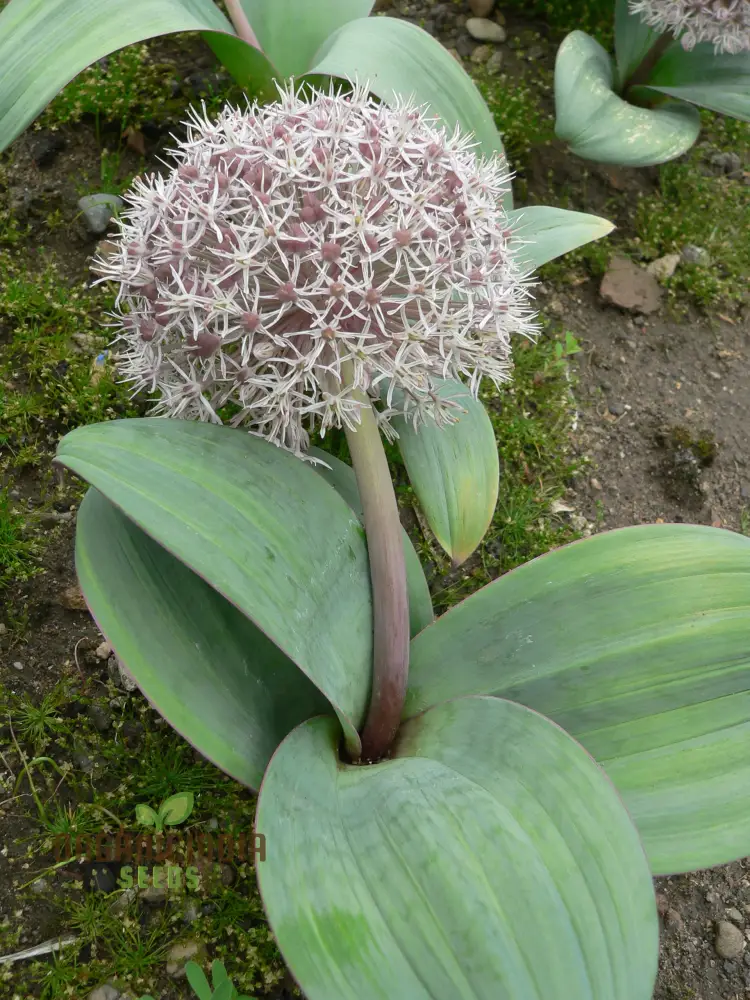
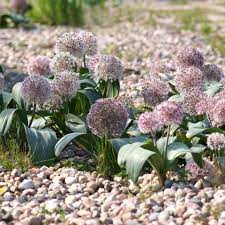
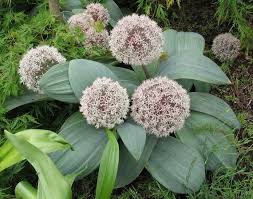
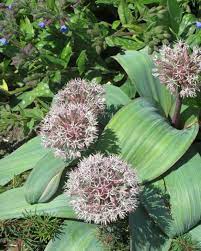
Transform your spring garden with Allium Karataviense Seeds, a premium ornamental variety known for its spherical flower heads, soft pastel tones, and elegant structure. This compact Allium species is prized for its striking globe-shaped flowers, broad blue-green foliage, and ability to thrive in both rock gardens and traditional flower beds.
Allium Karataviense produces long-lasting blossoms that add architectural interest and charm to any garden setting. These high-quality, non-GMO seeds offer excellent germination and reliable growth, making them an ideal choice for both new and experienced gardeners.
Key Features
-
Produces decorative globe-shaped flower heads
-
Compact size ideal for small gardens and borders
-
High-quality, non-GMO seeds
-
Late-spring blooms add architectural garden interest
-
Drought-tolerant once established
-
Attractive to beneficial pollinators
-
Perfect for rock gardens, borders, and landscape accents
Specifications
Botanical Name: Allium karataviense
Common Name (US): Kara Onion or Turkistan Onion
Plant Type: Perennial Ornamental
Seed Type: High-Quality, Non-GMO
Flower Color: Pale pink to light lavender globe blooms
Bloom Season: Late Spring to Early Summer
USDA Hardiness Zones: 4–9
Sun Exposure: Full Sun
Soil Requirements: Well-drained sandy or loamy soil
Plant Height: 8–12 inches
Spacing: 6–12 inches apart
Water Requirements: Low to moderate; drought-tolerant
Growth Habit: Compact, clump-forming
Germination Time: 14–30 days
Temperature for Germination: 60–70°F
Uses: Borders, rock gardens, decorative beds, landscaping
Special Notes: Allow foliage to die back naturally to strengthen bulbs for next season.
Planting Guide
1. Seed Preparation
-
Some growers prefer cold stratification for 4–6 weeks to improve germination.
-
Not mandatory, but recommended for best results.
2. Sowing Depth
-
Sow seeds ¼ inch deep in well-drained soil.
-
Lightly cover and keep moist.
3. Light & Temperature
-
Maintain soil temperature between 60–70°F for germination.
-
Place in sunny spot with good airflow.
4. Transplanting
-
Transplant seedlings when large enough to handle.
-
Choose a sunny location with well-drained soil.
5. Watering & Care
-
Water regularly during germination and establishment.
-
Reduce watering once plants mature—Alliums prefer drier soil.
-
Apply mulch to reduce weeds and retain moisture.
6. Blooming Timeline
-
Expect blooms in late spring after plants mature.
-
Foliage should be left untouched until it naturally fades.
Benefits
-
Eye-catching ornamental flowers for spring landscapes
-
Low-maintenance and drought-tolerant
-
Adds structure, color, and height to garden beds
-
Ideal for modern, rock, and architectural garden designs
-
Supports pollinators such as bees
Original: $16.99
-65%$16.99
$5.95More Images


Allium Karataviense Seeds – Premium Ornamental Bloom Variety for Garden Planting
Transform your spring garden with Allium Karataviense Seeds, a premium ornamental variety known for its spherical flower heads, soft pastel tones, and elegant structure. This compact Allium species is prized for its striking globe-shaped flowers, broad blue-green foliage, and ability to thrive in both rock gardens and traditional flower beds.
Allium Karataviense produces long-lasting blossoms that add architectural interest and charm to any garden setting. These high-quality, non-GMO seeds offer excellent germination and reliable growth, making them an ideal choice for both new and experienced gardeners.
Key Features
-
Produces decorative globe-shaped flower heads
-
Compact size ideal for small gardens and borders
-
High-quality, non-GMO seeds
-
Late-spring blooms add architectural garden interest
-
Drought-tolerant once established
-
Attractive to beneficial pollinators
-
Perfect for rock gardens, borders, and landscape accents
Specifications
Botanical Name: Allium karataviense
Common Name (US): Kara Onion or Turkistan Onion
Plant Type: Perennial Ornamental
Seed Type: High-Quality, Non-GMO
Flower Color: Pale pink to light lavender globe blooms
Bloom Season: Late Spring to Early Summer
USDA Hardiness Zones: 4–9
Sun Exposure: Full Sun
Soil Requirements: Well-drained sandy or loamy soil
Plant Height: 8–12 inches
Spacing: 6–12 inches apart
Water Requirements: Low to moderate; drought-tolerant
Growth Habit: Compact, clump-forming
Germination Time: 14–30 days
Temperature for Germination: 60–70°F
Uses: Borders, rock gardens, decorative beds, landscaping
Special Notes: Allow foliage to die back naturally to strengthen bulbs for next season.
Planting Guide
1. Seed Preparation
-
Some growers prefer cold stratification for 4–6 weeks to improve germination.
-
Not mandatory, but recommended for best results.
2. Sowing Depth
-
Sow seeds ¼ inch deep in well-drained soil.
-
Lightly cover and keep moist.
3. Light & Temperature
-
Maintain soil temperature between 60–70°F for germination.
-
Place in sunny spot with good airflow.
4. Transplanting
-
Transplant seedlings when large enough to handle.
-
Choose a sunny location with well-drained soil.
5. Watering & Care
-
Water regularly during germination and establishment.
-
Reduce watering once plants mature—Alliums prefer drier soil.
-
Apply mulch to reduce weeds and retain moisture.
6. Blooming Timeline
-
Expect blooms in late spring after plants mature.
-
Foliage should be left untouched until it naturally fades.
Benefits
-
Eye-catching ornamental flowers for spring landscapes
-
Low-maintenance and drought-tolerant
-
Adds structure, color, and height to garden beds
-
Ideal for modern, rock, and architectural garden designs
-
Supports pollinators such as bees
Product Information
Product Information
Shipping & Returns
Shipping & Returns
Description
Transform your spring garden with Allium Karataviense Seeds, a premium ornamental variety known for its spherical flower heads, soft pastel tones, and elegant structure. This compact Allium species is prized for its striking globe-shaped flowers, broad blue-green foliage, and ability to thrive in both rock gardens and traditional flower beds.
Allium Karataviense produces long-lasting blossoms that add architectural interest and charm to any garden setting. These high-quality, non-GMO seeds offer excellent germination and reliable growth, making them an ideal choice for both new and experienced gardeners.
Key Features
-
Produces decorative globe-shaped flower heads
-
Compact size ideal for small gardens and borders
-
High-quality, non-GMO seeds
-
Late-spring blooms add architectural garden interest
-
Drought-tolerant once established
-
Attractive to beneficial pollinators
-
Perfect for rock gardens, borders, and landscape accents
Specifications
Botanical Name: Allium karataviense
Common Name (US): Kara Onion or Turkistan Onion
Plant Type: Perennial Ornamental
Seed Type: High-Quality, Non-GMO
Flower Color: Pale pink to light lavender globe blooms
Bloom Season: Late Spring to Early Summer
USDA Hardiness Zones: 4–9
Sun Exposure: Full Sun
Soil Requirements: Well-drained sandy or loamy soil
Plant Height: 8–12 inches
Spacing: 6–12 inches apart
Water Requirements: Low to moderate; drought-tolerant
Growth Habit: Compact, clump-forming
Germination Time: 14–30 days
Temperature for Germination: 60–70°F
Uses: Borders, rock gardens, decorative beds, landscaping
Special Notes: Allow foliage to die back naturally to strengthen bulbs for next season.
Planting Guide
1. Seed Preparation
-
Some growers prefer cold stratification for 4–6 weeks to improve germination.
-
Not mandatory, but recommended for best results.
2. Sowing Depth
-
Sow seeds ¼ inch deep in well-drained soil.
-
Lightly cover and keep moist.
3. Light & Temperature
-
Maintain soil temperature between 60–70°F for germination.
-
Place in sunny spot with good airflow.
4. Transplanting
-
Transplant seedlings when large enough to handle.
-
Choose a sunny location with well-drained soil.
5. Watering & Care
-
Water regularly during germination and establishment.
-
Reduce watering once plants mature—Alliums prefer drier soil.
-
Apply mulch to reduce weeds and retain moisture.
6. Blooming Timeline
-
Expect blooms in late spring after plants mature.
-
Foliage should be left untouched until it naturally fades.
Benefits
-
Eye-catching ornamental flowers for spring landscapes
-
Low-maintenance and drought-tolerant
-
Adds structure, color, and height to garden beds
-
Ideal for modern, rock, and architectural garden designs
-
Supports pollinators such as bees