Allium campanulatum Flower Seeds, Cultivating Graceful Blooms with Expert Planting and Gardening
Allium campanulatum Flower Seeds, Cultivating Graceful Blooms with Expert Planting and Gardening
Allium Campanulatum Flower Seeds – Cultivating Graceful Blooms with Expert Planting and Gardening
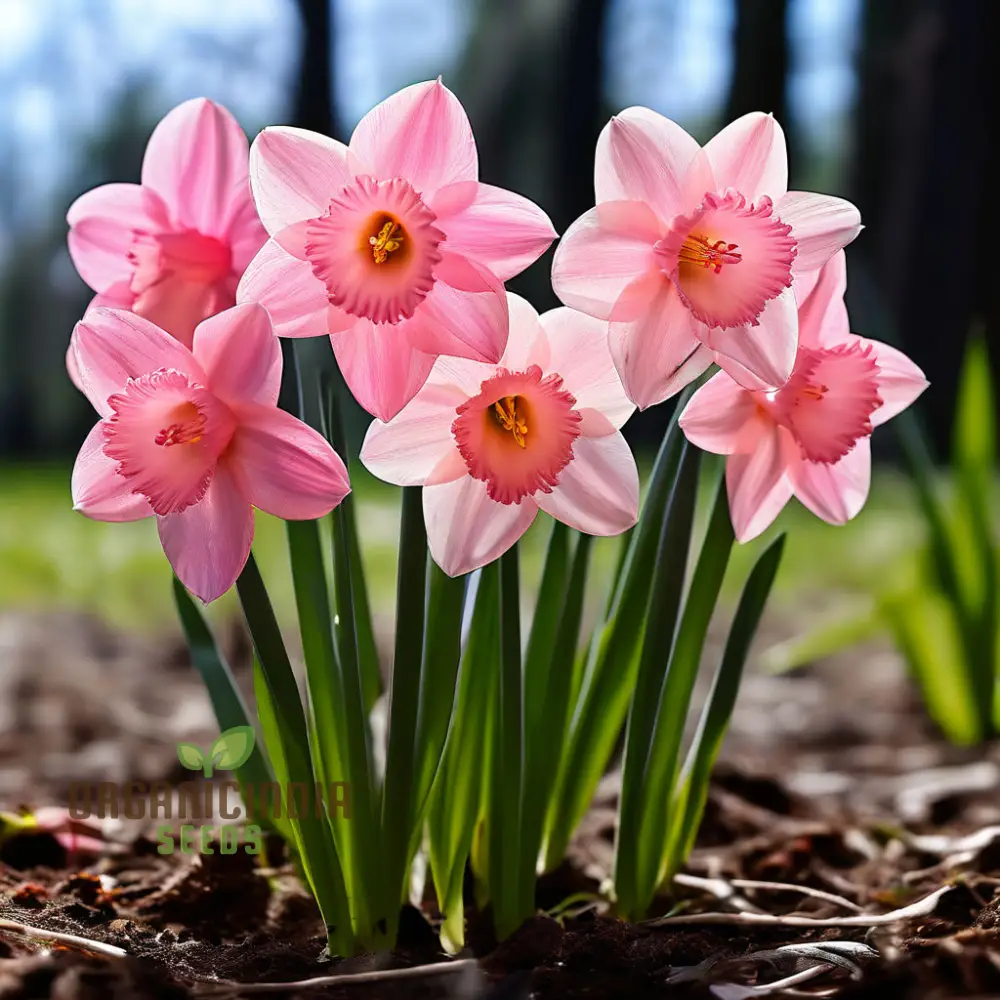
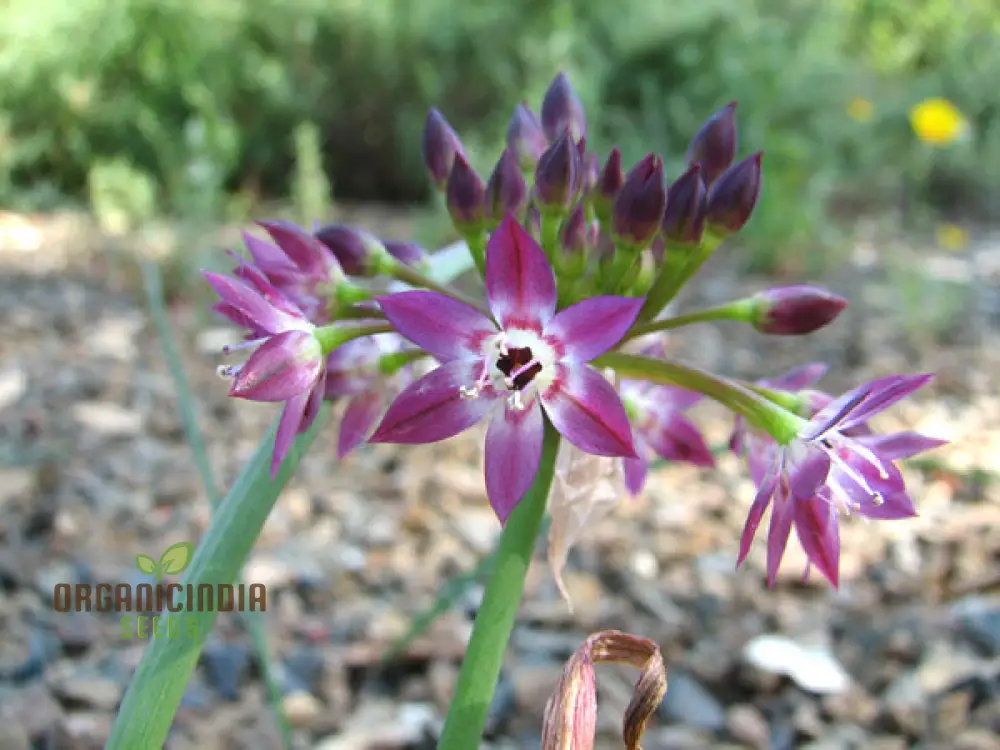
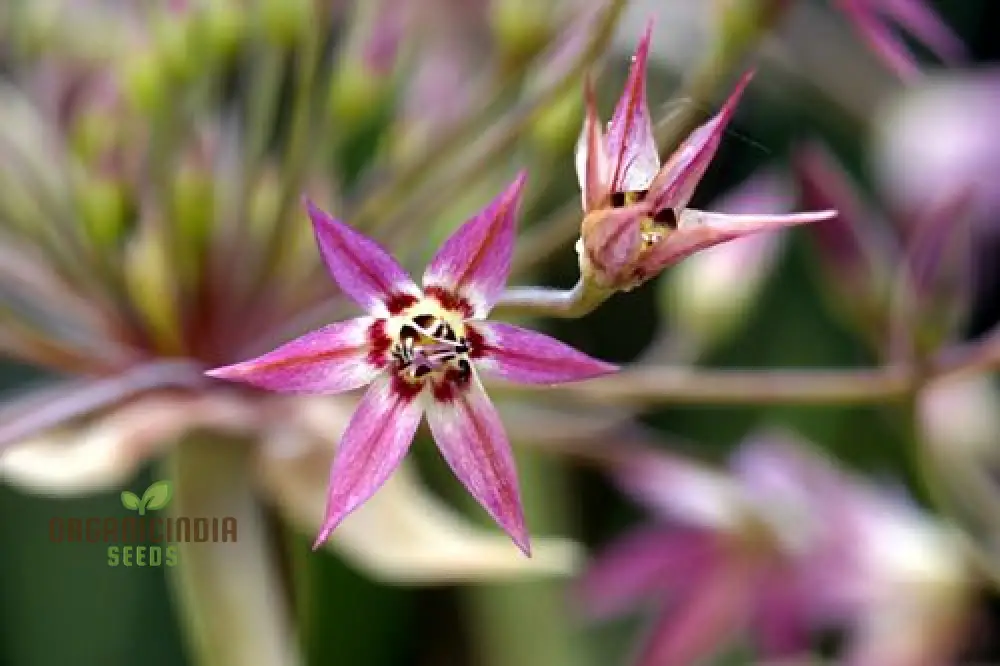
Allium campanulatum, commonly known as Bell-Flowered Onion, is a beautiful perennial that adds both elegance and grace to any garden. Featuring bell-shaped purple or pink flowers arranged in loose clusters, this charming allium variety is perfect for rock gardens, meadows, and garden borders. With its hardiness, low maintenance, and pollinator-friendly nature, it’s a wonderful choice for gardeners seeking both beauty and practicality.
Key Features:
- Scientific Name: Allium campanulatum
- Common Name: Bell-Flowered Onion
- Plant Type: Perennial flowering bulb
- Flower Color: Purple, pink, with some varieties having a bluish hue
- Mature Height: 18 to 24 inches
- Spread: 8 to 12 inches
- Light Requirements: Full sun to partial shade
- Soil Requirements: Well-drained, moderately fertile soil
- Watering Needs: Moderate; drought-tolerant once established
- Growth Habit: Clump-forming
- Blooming Season: Late spring to early summer
- Uses: Rock gardens, borders, meadows, wildflower gardens
Why Grow Allium Campanulatum?
- Unique bell-shaped flowers – Delicate and graceful blooms that add a soft touch to your garden
- Pollinator-friendly – Attracts bees, butterflies, and other beneficial insects
- Low maintenance – Easy to care for once established
- Drought-tolerant – Thrives in dry conditions and well-drained soil
- Naturalizes well – Ideal for creating natural-looking, wildflower meadows
How to Grow Allium Campanulatum from Seeds:
Seed Sowing Instructions:
- Best Time to Sow: Fall to early spring
- Pre-Treatment:
- Cold stratification is recommended for improved germination. Store seeds in a moist paper towel inside a plastic bag and refrigerate for 4 to 6 weeks
- Sowing Method:
- Sow seeds ¼ to ½ inch deep in a well-drained seed-starting mix or directly outdoors in a prepared garden bed
- Keep the soil consistently moist, but ensure it’s not waterlogged
- Germination time: Typically takes 3 to 4 weeks at 65 to 70°F (18 to 21°C)
- Spacing:
- Space plants 8 to 12 inches apart to allow for proper growth and air circulation
Transplanting and Care:
- Once seedlings have developed two sets of true leaves, transplant them to their final garden location
- Allium campanulatum thrives in full sun but can tolerate partial shade, making it perfect for meadow-style gardens and border plantings
Care and Maintenance Tips:
- Watering: Water moderately during the growing season, but reduce watering once the plant is established and the foliage begins to die back
- Fertilization: Apply a low-nitrogen fertilizer in early spring to encourage strong growth and flowering
- Pruning: Deadhead spent flowers to encourage re-blooming and maintain a tidy appearance
- Winter Care: Apply mulch around the base in colder climates for winter protection
Perfect Companion Plants:
Allium campanulatum pairs beautifully with other Allium species, lavender, coneflowers, black-eyed Susans, and ornamental grasses. It also complements native wildflowers, making it a great addition to meadows or wildflower gardens where it can naturalize and spread over time.
Grace Your Garden with Allium Campanulatum
With its delicate bell-shaped flowers, drought tolerance, and easy care, Allium campanulatum is a fantastic addition to any garden. Whether planted in rock gardens, borders, or meadows, this beautiful allium will bring a graceful touch and attract pollinators to your outdoor space year after year.
Original: $16.99
-65%$16.99
$5.95More Images
Allium campanulatum Flower Seeds, Cultivating Graceful Blooms with Expert Planting and Gardening
Allium Campanulatum Flower Seeds – Cultivating Graceful Blooms with Expert Planting and Gardening
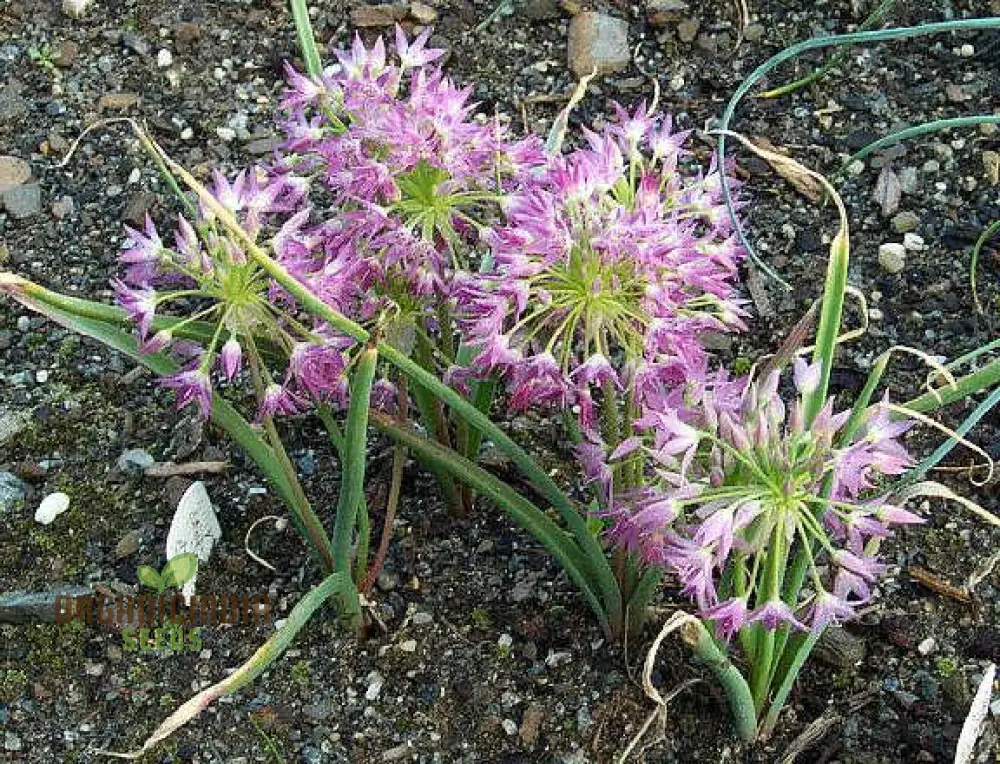
Allium campanulatum, commonly known as Bell-Flowered Onion, is a beautiful perennial that adds both elegance and grace to any garden. Featuring bell-shaped purple or pink flowers arranged in loose clusters, this charming allium variety is perfect for rock gardens, meadows, and garden borders. With its hardiness, low maintenance, and pollinator-friendly nature, it’s a wonderful choice for gardeners seeking both beauty and practicality.
Key Features:
- Scientific Name: Allium campanulatum
- Common Name: Bell-Flowered Onion
- Plant Type: Perennial flowering bulb
- Flower Color: Purple, pink, with some varieties having a bluish hue
- Mature Height: 18 to 24 inches
- Spread: 8 to 12 inches
- Light Requirements: Full sun to partial shade
- Soil Requirements: Well-drained, moderately fertile soil
- Watering Needs: Moderate; drought-tolerant once established
- Growth Habit: Clump-forming
- Blooming Season: Late spring to early summer
- Uses: Rock gardens, borders, meadows, wildflower gardens
Why Grow Allium Campanulatum?
- Unique bell-shaped flowers – Delicate and graceful blooms that add a soft touch to your garden
- Pollinator-friendly – Attracts bees, butterflies, and other beneficial insects
- Low maintenance – Easy to care for once established
- Drought-tolerant – Thrives in dry conditions and well-drained soil
- Naturalizes well – Ideal for creating natural-looking, wildflower meadows
How to Grow Allium Campanulatum from Seeds:
Seed Sowing Instructions:
- Best Time to Sow: Fall to early spring
- Pre-Treatment:
- Cold stratification is recommended for improved germination. Store seeds in a moist paper towel inside a plastic bag and refrigerate for 4 to 6 weeks
- Sowing Method:
- Sow seeds ¼ to ½ inch deep in a well-drained seed-starting mix or directly outdoors in a prepared garden bed
- Keep the soil consistently moist, but ensure it’s not waterlogged
- Germination time: Typically takes 3 to 4 weeks at 65 to 70°F (18 to 21°C)
- Spacing:
- Space plants 8 to 12 inches apart to allow for proper growth and air circulation
Transplanting and Care:
- Once seedlings have developed two sets of true leaves, transplant them to their final garden location
- Allium campanulatum thrives in full sun but can tolerate partial shade, making it perfect for meadow-style gardens and border plantings
Care and Maintenance Tips:
- Watering: Water moderately during the growing season, but reduce watering once the plant is established and the foliage begins to die back
- Fertilization: Apply a low-nitrogen fertilizer in early spring to encourage strong growth and flowering
- Pruning: Deadhead spent flowers to encourage re-blooming and maintain a tidy appearance
- Winter Care: Apply mulch around the base in colder climates for winter protection
Perfect Companion Plants:
Allium campanulatum pairs beautifully with other Allium species, lavender, coneflowers, black-eyed Susans, and ornamental grasses. It also complements native wildflowers, making it a great addition to meadows or wildflower gardens where it can naturalize and spread over time.
Grace Your Garden with Allium Campanulatum
With its delicate bell-shaped flowers, drought tolerance, and easy care, Allium campanulatum is a fantastic addition to any garden. Whether planted in rock gardens, borders, or meadows, this beautiful allium will bring a graceful touch and attract pollinators to your outdoor space year after year.
Product Information
Product Information
Shipping & Returns
Shipping & Returns
Description
Allium Campanulatum Flower Seeds – Cultivating Graceful Blooms with Expert Planting and Gardening
Allium campanulatum, commonly known as Bell-Flowered Onion, is a beautiful perennial that adds both elegance and grace to any garden. Featuring bell-shaped purple or pink flowers arranged in loose clusters, this charming allium variety is perfect for rock gardens, meadows, and garden borders. With its hardiness, low maintenance, and pollinator-friendly nature, it’s a wonderful choice for gardeners seeking both beauty and practicality.
Key Features:
- Scientific Name: Allium campanulatum
- Common Name: Bell-Flowered Onion
- Plant Type: Perennial flowering bulb
- Flower Color: Purple, pink, with some varieties having a bluish hue
- Mature Height: 18 to 24 inches
- Spread: 8 to 12 inches
- Light Requirements: Full sun to partial shade
- Soil Requirements: Well-drained, moderately fertile soil
- Watering Needs: Moderate; drought-tolerant once established
- Growth Habit: Clump-forming
- Blooming Season: Late spring to early summer
- Uses: Rock gardens, borders, meadows, wildflower gardens
Why Grow Allium Campanulatum?
- Unique bell-shaped flowers – Delicate and graceful blooms that add a soft touch to your garden
- Pollinator-friendly – Attracts bees, butterflies, and other beneficial insects
- Low maintenance – Easy to care for once established
- Drought-tolerant – Thrives in dry conditions and well-drained soil
- Naturalizes well – Ideal for creating natural-looking, wildflower meadows
How to Grow Allium Campanulatum from Seeds:
Seed Sowing Instructions:
- Best Time to Sow: Fall to early spring
- Pre-Treatment:
- Cold stratification is recommended for improved germination. Store seeds in a moist paper towel inside a plastic bag and refrigerate for 4 to 6 weeks
- Sowing Method:
- Sow seeds ¼ to ½ inch deep in a well-drained seed-starting mix or directly outdoors in a prepared garden bed
- Keep the soil consistently moist, but ensure it’s not waterlogged
- Germination time: Typically takes 3 to 4 weeks at 65 to 70°F (18 to 21°C)
- Spacing:
- Space plants 8 to 12 inches apart to allow for proper growth and air circulation
Transplanting and Care:
- Once seedlings have developed two sets of true leaves, transplant them to their final garden location
- Allium campanulatum thrives in full sun but can tolerate partial shade, making it perfect for meadow-style gardens and border plantings
Care and Maintenance Tips:
- Watering: Water moderately during the growing season, but reduce watering once the plant is established and the foliage begins to die back
- Fertilization: Apply a low-nitrogen fertilizer in early spring to encourage strong growth and flowering
- Pruning: Deadhead spent flowers to encourage re-blooming and maintain a tidy appearance
- Winter Care: Apply mulch around the base in colder climates for winter protection
Perfect Companion Plants:
Allium campanulatum pairs beautifully with other Allium species, lavender, coneflowers, black-eyed Susans, and ornamental grasses. It also complements native wildflowers, making it a great addition to meadows or wildflower gardens where it can naturalize and spread over time.
Grace Your Garden with Allium Campanulatum
With its delicate bell-shaped flowers, drought tolerance, and easy care, Allium campanulatum is a fantastic addition to any garden. Whether planted in rock gardens, borders, or meadows, this beautiful allium will bring a graceful touch and attract pollinators to your outdoor space year after year.