Allheal Seeds for Gardening - Premium Quality Seeds for Successful Planting
Allheal Seeds for Gardening – Premium Quality Seeds for Successful Planting
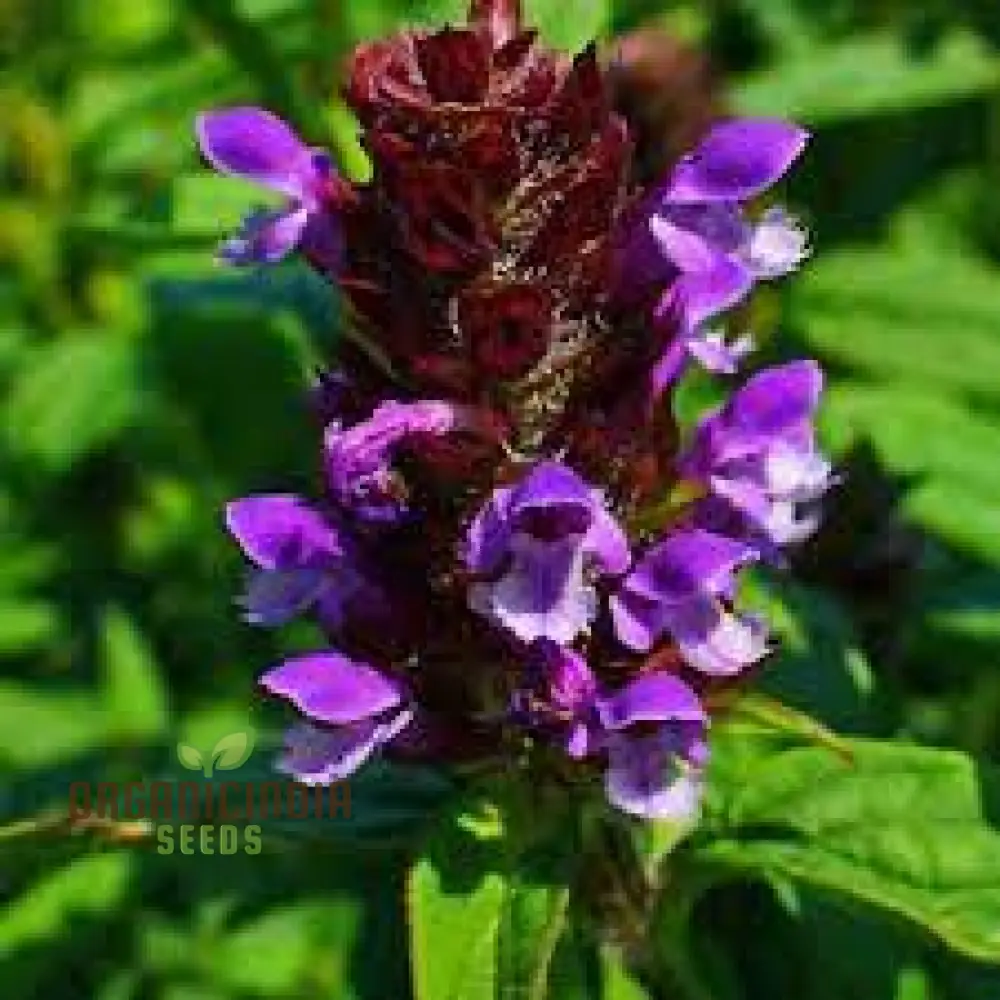
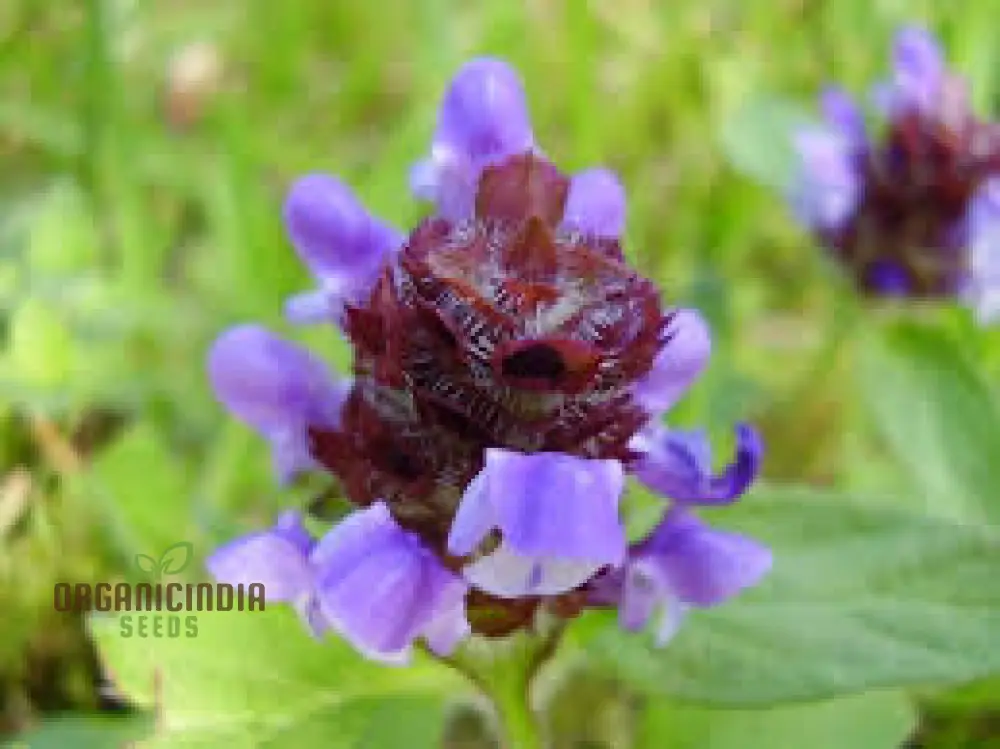
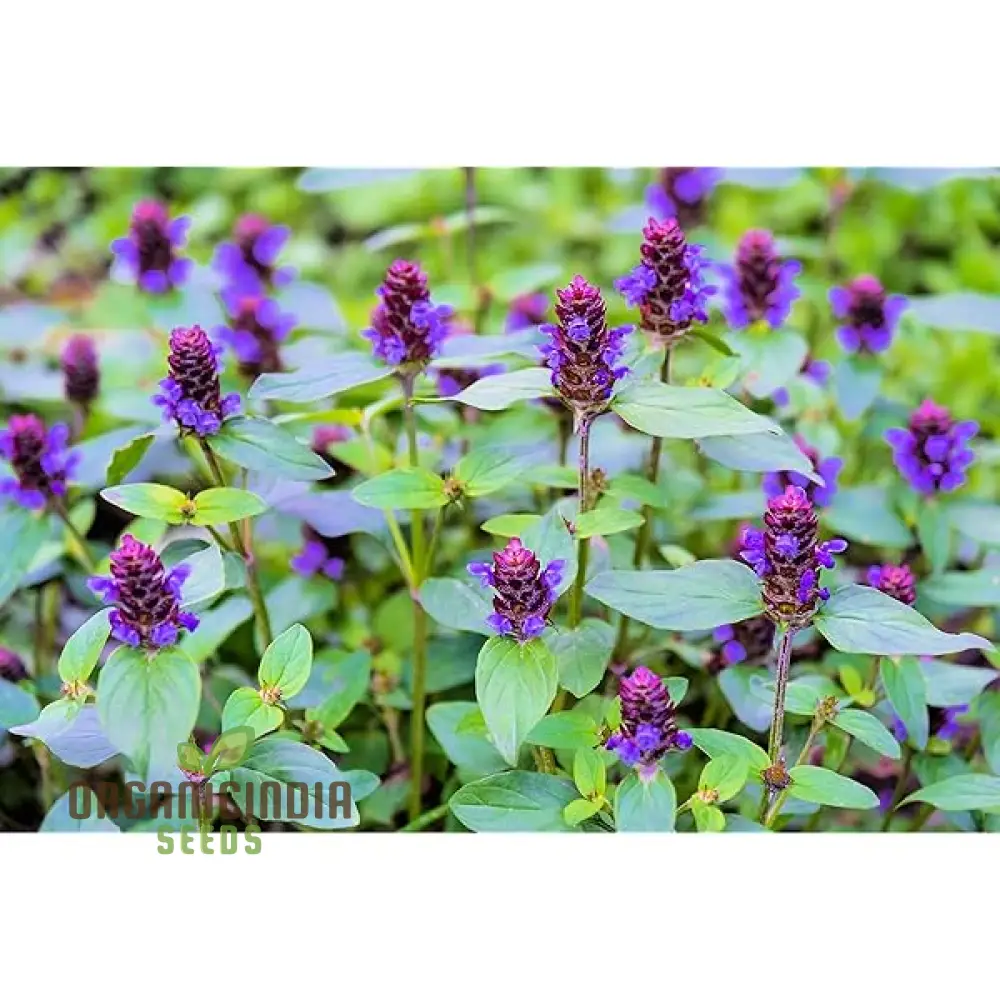
Allheal (Prunella vulgaris), also known as Self-Heal or Heal-All, is a hardy, low-maintenance perennial herb known for its beautiful purple blooms and traditional medicinal uses. This versatile plant is an excellent choice for garden borders, wildflower meadows, and pollinator-friendly landscapes. Its spreading habit makes it great as ground cover while attracting bees and butterflies to the garden.
Key Attributes
- Product Name: Allheal Seeds
- Scientific Name: Prunella vulgaris
- Common Names: Self-Heal, Heal-All, Woundwort, Carpenter’s Herb
- Plant Type: Perennial Herb
- Flower Color: Violet to deep purple
- Mature Height: 6 to 12 inches tall
- Growth Habit: Low-growing, spreading ground cover
- Light Requirements: Full sun to partial shade
- Soil Requirements: Well-drained, loamy or sandy soil
- Watering Needs: Moderate; tolerates occasional drought once established
- Blooming Season: Late spring to early fall
- Uses: Ideal for medicinal herb gardens, pollinator gardens, meadows, and erosion control
Product Details
- Germination Rate: High with proper care
- Pollinator Friendly: Attracts bees, butterflies, and other beneficial insects
- Drought Resistance: Moderate once established
- Traditional Herbal Uses: Historically used for teas, salves, and tinctures
Planting Instructions
Sowing Guide
- Best Planting Time: Early spring or late summer
- Soil Preparation: Loosen soil and mix in compost for better drainage
- Planting Depth: Sow seeds on the surface and lightly press into the soil
- Spacing: 8 to 12 inches apart
- Watering: Keep soil consistently moist until germination occurs
- Germination Time: 7 to 21 days at temperatures between 65-75°F
Care & Maintenance
- Mulching: Helps retain moisture and suppress weeds
- Fertilization: Minimal feeding required; occasional compost application is beneficial
- Pruning: Trim back after flowering to encourage new growth
- Pest & Disease Resistance: Generally pest-free and resistant to most common plant diseases
Why Grow Allheal?
- Medicinal & Herbal Benefits: Used in traditional remedies for centuries
- Pollinator-Friendly: Supports bees and butterflies
- Drought-Tolerant & Low Maintenance: Great for easy-care gardens
- Versatile Planting: Works well in wildflower gardens, borders, and as ground cover
Companion Planting Suggestions
- Complements chamomile, echinacea, and lavender in herbal gardens
- Works well with yarrow, thyme, and creeping phlox as ground cover
- Ideal for planting alongside milkweed and coneflowers in pollinator gardens
Allheal is a wonderful choice for gardeners looking for a resilient, multipurpose plant. Whether you are interested in its herbal properties, its benefits to pollinators, or its beauty as a ground cover, this plant makes an excellent addition to any garden.
More Images
Allheal Seeds for Gardening - Premium Quality Seeds for Successful Planting
Allheal Seeds for Gardening – Premium Quality Seeds for Successful Planting
Allheal (Prunella vulgaris), also known as Self-Heal or Heal-All, is a hardy, low-maintenance perennial herb known for its beautiful purple blooms and traditional medicinal uses. This versatile plant is an excellent choice for garden borders, wildflower meadows, and pollinator-friendly landscapes. Its spreading habit makes it great as ground cover while attracting bees and butterflies to the garden.
Key Attributes
- Product Name: Allheal Seeds
- Scientific Name: Prunella vulgaris
- Common Names: Self-Heal, Heal-All, Woundwort, Carpenter’s Herb
- Plant Type: Perennial Herb
- Flower Color: Violet to deep purple
- Mature Height: 6 to 12 inches tall
- Growth Habit: Low-growing, spreading ground cover
- Light Requirements: Full sun to partial shade
- Soil Requirements: Well-drained, loamy or sandy soil
- Watering Needs: Moderate; tolerates occasional drought once established
- Blooming Season: Late spring to early fall
- Uses: Ideal for medicinal herb gardens, pollinator gardens, meadows, and erosion control
Product Details
- Germination Rate: High with proper care
- Pollinator Friendly: Attracts bees, butterflies, and other beneficial insects
- Drought Resistance: Moderate once established
- Traditional Herbal Uses: Historically used for teas, salves, and tinctures
Planting Instructions
Sowing Guide
- Best Planting Time: Early spring or late summer
- Soil Preparation: Loosen soil and mix in compost for better drainage
- Planting Depth: Sow seeds on the surface and lightly press into the soil
- Spacing: 8 to 12 inches apart
- Watering: Keep soil consistently moist until germination occurs
- Germination Time: 7 to 21 days at temperatures between 65-75°F
Care & Maintenance
- Mulching: Helps retain moisture and suppress weeds
- Fertilization: Minimal feeding required; occasional compost application is beneficial
- Pruning: Trim back after flowering to encourage new growth
- Pest & Disease Resistance: Generally pest-free and resistant to most common plant diseases
Why Grow Allheal?
- Medicinal & Herbal Benefits: Used in traditional remedies for centuries
- Pollinator-Friendly: Supports bees and butterflies
- Drought-Tolerant & Low Maintenance: Great for easy-care gardens
- Versatile Planting: Works well in wildflower gardens, borders, and as ground cover
Companion Planting Suggestions
- Complements chamomile, echinacea, and lavender in herbal gardens
- Works well with yarrow, thyme, and creeping phlox as ground cover
- Ideal for planting alongside milkweed and coneflowers in pollinator gardens
Allheal is a wonderful choice for gardeners looking for a resilient, multipurpose plant. Whether you are interested in its herbal properties, its benefits to pollinators, or its beauty as a ground cover, this plant makes an excellent addition to any garden.
Product Information
Product Information
Shipping & Returns
Shipping & Returns
Description
Allheal Seeds for Gardening – Premium Quality Seeds for Successful Planting
Allheal (Prunella vulgaris), also known as Self-Heal or Heal-All, is a hardy, low-maintenance perennial herb known for its beautiful purple blooms and traditional medicinal uses. This versatile plant is an excellent choice for garden borders, wildflower meadows, and pollinator-friendly landscapes. Its spreading habit makes it great as ground cover while attracting bees and butterflies to the garden.
Key Attributes
- Product Name: Allheal Seeds
- Scientific Name: Prunella vulgaris
- Common Names: Self-Heal, Heal-All, Woundwort, Carpenter’s Herb
- Plant Type: Perennial Herb
- Flower Color: Violet to deep purple
- Mature Height: 6 to 12 inches tall
- Growth Habit: Low-growing, spreading ground cover
- Light Requirements: Full sun to partial shade
- Soil Requirements: Well-drained, loamy or sandy soil
- Watering Needs: Moderate; tolerates occasional drought once established
- Blooming Season: Late spring to early fall
- Uses: Ideal for medicinal herb gardens, pollinator gardens, meadows, and erosion control
Product Details
- Germination Rate: High with proper care
- Pollinator Friendly: Attracts bees, butterflies, and other beneficial insects
- Drought Resistance: Moderate once established
- Traditional Herbal Uses: Historically used for teas, salves, and tinctures
Planting Instructions
Sowing Guide
- Best Planting Time: Early spring or late summer
- Soil Preparation: Loosen soil and mix in compost for better drainage
- Planting Depth: Sow seeds on the surface and lightly press into the soil
- Spacing: 8 to 12 inches apart
- Watering: Keep soil consistently moist until germination occurs
- Germination Time: 7 to 21 days at temperatures between 65-75°F
Care & Maintenance
- Mulching: Helps retain moisture and suppress weeds
- Fertilization: Minimal feeding required; occasional compost application is beneficial
- Pruning: Trim back after flowering to encourage new growth
- Pest & Disease Resistance: Generally pest-free and resistant to most common plant diseases
Why Grow Allheal?
- Medicinal & Herbal Benefits: Used in traditional remedies for centuries
- Pollinator-Friendly: Supports bees and butterflies
- Drought-Tolerant & Low Maintenance: Great for easy-care gardens
- Versatile Planting: Works well in wildflower gardens, borders, and as ground cover
Companion Planting Suggestions
- Complements chamomile, echinacea, and lavender in herbal gardens
- Works well with yarrow, thyme, and creeping phlox as ground cover
- Ideal for planting alongside milkweed and coneflowers in pollinator gardens
Allheal is a wonderful choice for gardeners looking for a resilient, multipurpose plant. Whether you are interested in its herbal properties, its benefits to pollinators, or its beauty as a ground cover, this plant makes an excellent addition to any garden.