African Baobab Tree Seeds
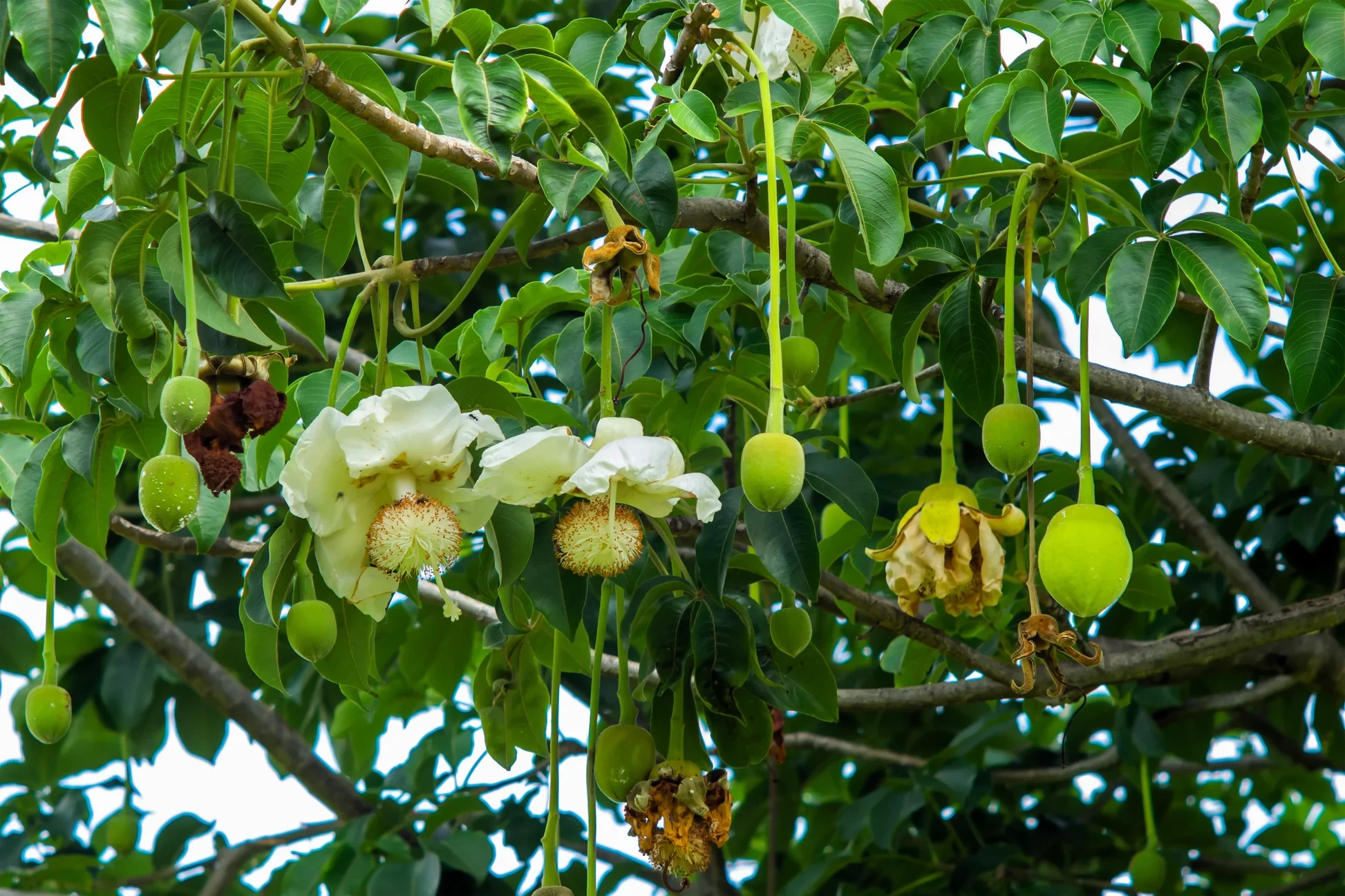
The African Baobab Tree (Adansonia digitata) is one of the most iconic and majestic trees in the world, often called the “Tree of Life.” Native to Africa’s warm regions, it is prized for its unique swollen trunk, resilience, and striking silhouette. These non-GMO Baobab tree seeds are ideal for gardeners who appreciate rare, drought-tolerant, and long-living trees. The Baobab can also be grown as a fascinating indoor bonsai or outdoor ornamental in tropical to subtropical climates.
Features:
-
Premium-quality, non-GMO African Baobab tree seeds
-
Known for its iconic trunk and centuries-long lifespan
-
Can be grown as a large landscape tree or bonsai specimen
-
Extremely drought-tolerant once established
-
Perfect for warm, dry, and tropical regions
-
High germination rate with proper pre-treatment
Specifications:
-
Scientific Name: Adansonia digitata
-
Common Name (US): African Baobab Tree
-
Plant Type: Deciduous Tree
-
Seed Type: Non-GMO
-
Growth Habit: Spreading canopy with thick trunk
-
Climate/USDA Zones: 10–12 (Tropical/Subtropical)
-
Soil Type: Well-drained, sandy or loamy soil
-
Sunlight: Full Sun
-
Water Requirement: Low once established; drought-tolerant
-
Temperature Range: 22°C–35°C (72°F–95°F)
-
Planting Season: Spring to Early Summer
-
Germination Time: 2–6 weeks with scarification
-
Maturity: 8–10 years to full tree form (slower in pots)
-
Lifespan: Can live for over 1,000 years in ideal conditions
Planting Guide:
-
Seed Preparation: Scarify the seed coat by lightly sanding or nicking it, then soak seeds in warm water for 24–48 hours.
-
Planting Depth: Sow 1 inch deep in well-draining soil.
-
Light: Provide full sunlight from germination onward.
-
Watering: Keep soil slightly moist until germination; reduce watering as seedlings mature.
-
Transplanting: Move young trees outdoors when temperatures remain above 20°C (68°F).
-
Maintenance: Minimal pruning required; avoid overwatering.
-
Special Tip: Baobabs grow slowly but reward patience with incredible longevity and beauty.
Original: $16.99
-65%$16.99
$5.95More Images


African Baobab Tree Seeds
The African Baobab Tree (Adansonia digitata) is one of the most iconic and majestic trees in the world, often called the “Tree of Life.” Native to Africa’s warm regions, it is prized for its unique swollen trunk, resilience, and striking silhouette. These non-GMO Baobab tree seeds are ideal for gardeners who appreciate rare, drought-tolerant, and long-living trees. The Baobab can also be grown as a fascinating indoor bonsai or outdoor ornamental in tropical to subtropical climates.
Features:
-
Premium-quality, non-GMO African Baobab tree seeds
-
Known for its iconic trunk and centuries-long lifespan
-
Can be grown as a large landscape tree or bonsai specimen
-
Extremely drought-tolerant once established
-
Perfect for warm, dry, and tropical regions
-
High germination rate with proper pre-treatment
Specifications:
-
Scientific Name: Adansonia digitata
-
Common Name (US): African Baobab Tree
-
Plant Type: Deciduous Tree
-
Seed Type: Non-GMO
-
Growth Habit: Spreading canopy with thick trunk
-
Climate/USDA Zones: 10–12 (Tropical/Subtropical)
-
Soil Type: Well-drained, sandy or loamy soil
-
Sunlight: Full Sun
-
Water Requirement: Low once established; drought-tolerant
-
Temperature Range: 22°C–35°C (72°F–95°F)
-
Planting Season: Spring to Early Summer
-
Germination Time: 2–6 weeks with scarification
-
Maturity: 8–10 years to full tree form (slower in pots)
-
Lifespan: Can live for over 1,000 years in ideal conditions
Planting Guide:
-
Seed Preparation: Scarify the seed coat by lightly sanding or nicking it, then soak seeds in warm water for 24–48 hours.
-
Planting Depth: Sow 1 inch deep in well-draining soil.
-
Light: Provide full sunlight from germination onward.
-
Watering: Keep soil slightly moist until germination; reduce watering as seedlings mature.
-
Transplanting: Move young trees outdoors when temperatures remain above 20°C (68°F).
-
Maintenance: Minimal pruning required; avoid overwatering.
-
Special Tip: Baobabs grow slowly but reward patience with incredible longevity and beauty.
Product Information
Product Information
Shipping & Returns
Shipping & Returns
Description
The African Baobab Tree (Adansonia digitata) is one of the most iconic and majestic trees in the world, often called the “Tree of Life.” Native to Africa’s warm regions, it is prized for its unique swollen trunk, resilience, and striking silhouette. These non-GMO Baobab tree seeds are ideal for gardeners who appreciate rare, drought-tolerant, and long-living trees. The Baobab can also be grown as a fascinating indoor bonsai or outdoor ornamental in tropical to subtropical climates.
Features:
-
Premium-quality, non-GMO African Baobab tree seeds
-
Known for its iconic trunk and centuries-long lifespan
-
Can be grown as a large landscape tree or bonsai specimen
-
Extremely drought-tolerant once established
-
Perfect for warm, dry, and tropical regions
-
High germination rate with proper pre-treatment
Specifications:
-
Scientific Name: Adansonia digitata
-
Common Name (US): African Baobab Tree
-
Plant Type: Deciduous Tree
-
Seed Type: Non-GMO
-
Growth Habit: Spreading canopy with thick trunk
-
Climate/USDA Zones: 10–12 (Tropical/Subtropical)
-
Soil Type: Well-drained, sandy or loamy soil
-
Sunlight: Full Sun
-
Water Requirement: Low once established; drought-tolerant
-
Temperature Range: 22°C–35°C (72°F–95°F)
-
Planting Season: Spring to Early Summer
-
Germination Time: 2–6 weeks with scarification
-
Maturity: 8–10 years to full tree form (slower in pots)
-
Lifespan: Can live for over 1,000 years in ideal conditions
Planting Guide:
-
Seed Preparation: Scarify the seed coat by lightly sanding or nicking it, then soak seeds in warm water for 24–48 hours.
-
Planting Depth: Sow 1 inch deep in well-draining soil.
-
Light: Provide full sunlight from germination onward.
-
Watering: Keep soil slightly moist until germination; reduce watering as seedlings mature.
-
Transplanting: Move young trees outdoors when temperatures remain above 20°C (68°F).
-
Maintenance: Minimal pruning required; avoid overwatering.
-
Special Tip: Baobabs grow slowly but reward patience with incredible longevity and beauty.