6 Variety Marigold (Gainda) Flower Seeds for Planting, Comprehensive Guide to Growing a Colorful Marigold Garden
6 Variety Marigold (Gainda) Flower Seeds for Planting, Comprehensive Guide to Growing a Colorful Marigold Garden
6 Variety Marigold (Gainda) Flower Seeds for Planting – Comprehensive Guide to Growing a Colorful Marigold Garden
Product Description:
Marigolds (Tagetes spp.), commonly known as Gainda, are one of the easiest and most rewarding flowers to grow. Known for their vibrant blooms and pest-repelling properties, marigolds come in a variety of colors and flower shapes, adding a burst of color to flower beds, borders, and container gardens. This seed pack includes six distinct marigold varieties to create a diverse and colorful garden display. Marigolds are prized for their long blooming season, drought resistance, and ability to attract beneficial insects while deterring harmful pests.
Varieties Included:
-
French Marigold (Tagetes patula):
- Compact, bushy plants with double blooms.
- Colors: Red, orange, and yellow (often bi-colored).
- Height: 6–12 inches (15–30 cm).
-
African Marigold (Tagetes erecta):
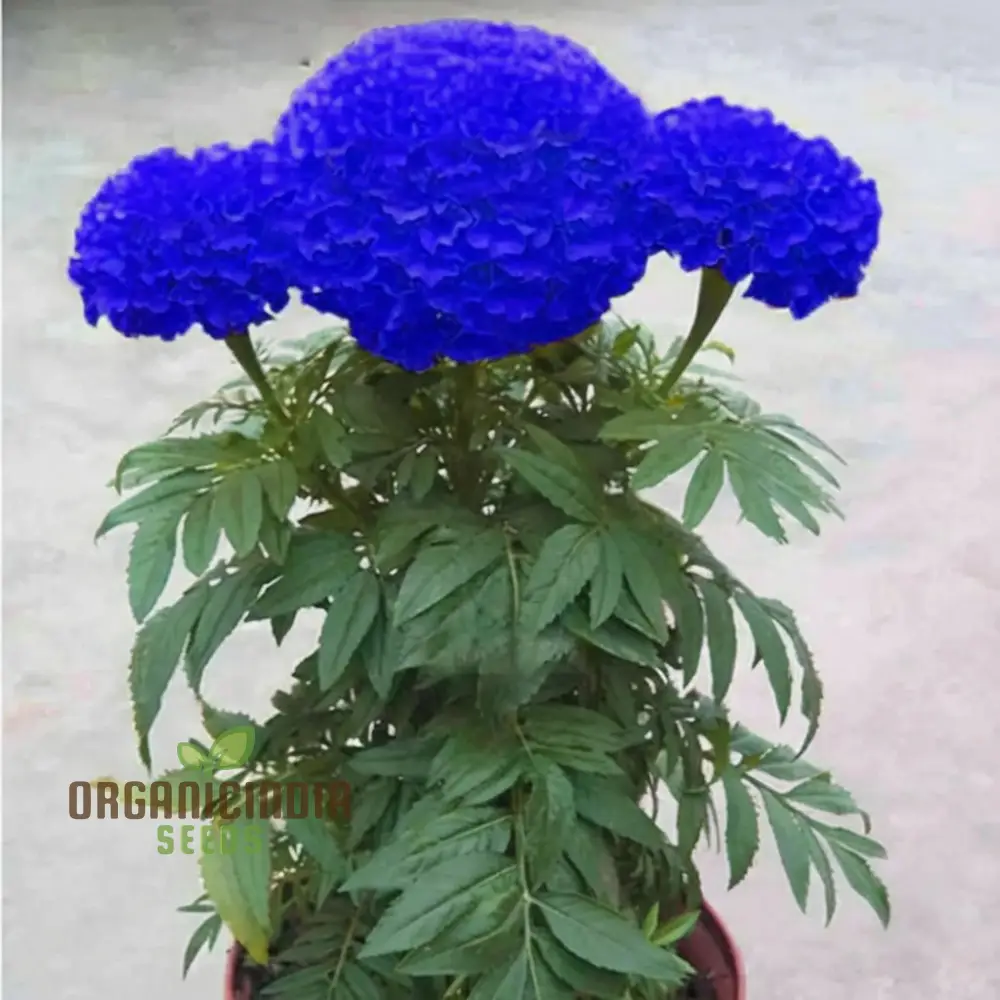
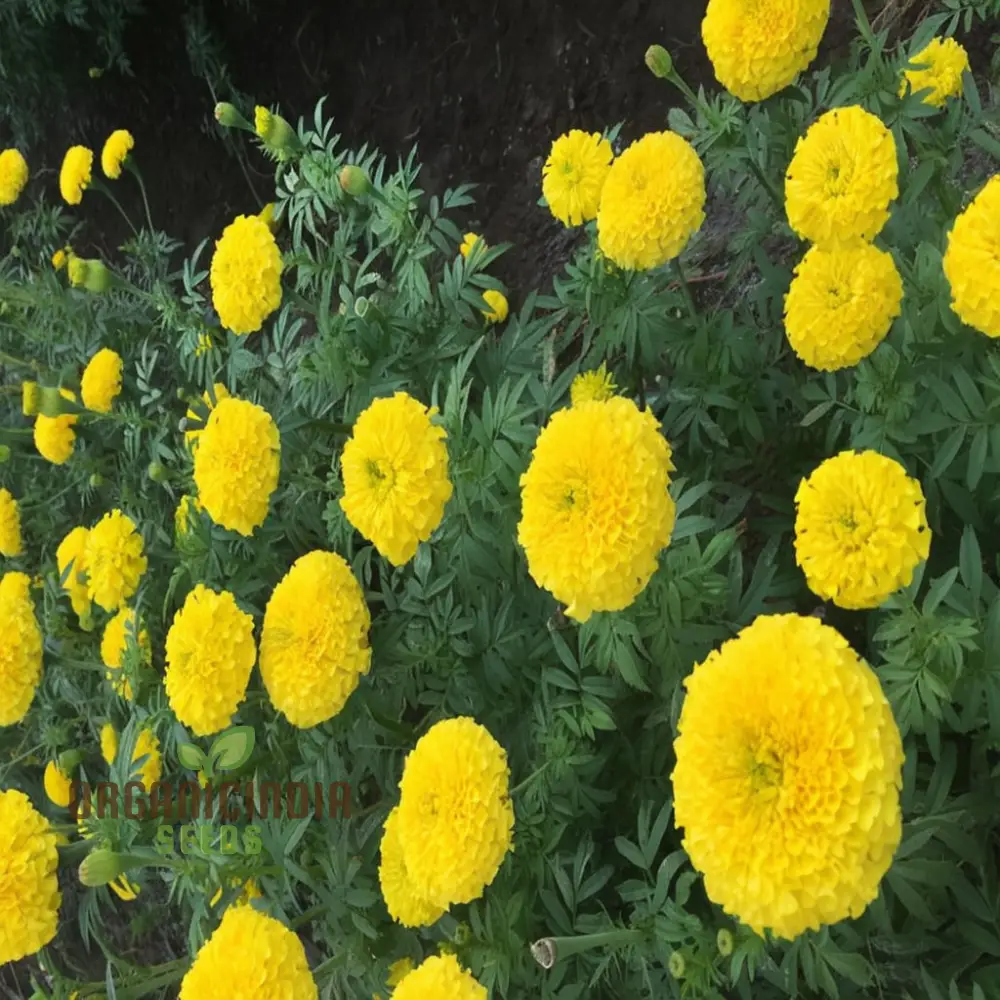
- Tall plants with large, pom-pom-shaped blooms.
- Colors: Bright yellow and deep orange.
- Height: 18–36 inches (45–90 cm).
-
Signet Marigold (Tagetes tenuifolia):
- Delicate, lacy foliage with small, single flowers.
- Colors: Yellow and orange.
- Height: 8–12 inches (20–30 cm).
-
Dwarf French Marigold:
- Low-growing plants with dense, double blooms.
- Colors: Mixed shades of red, gold, and orange.
- Height: 6–10 inches (15–25 cm).
-
Triploid Marigold:
- Hybrid variety with larger, weather-resistant blooms.
- Colors: Orange, yellow, and red.
- Height: 12–16 inches (30–40 cm).
-
Calendula (Pot Marigold):
- Edible marigold with medicinal properties.
- Colors: Soft yellow, orange, and apricot.
- Height: 12–24 inches (30–60 cm).
Planting Instructions:
1. Seed Preparation:
- No special preparation required; marigold seeds have high natural germination rates.
- For faster germination, soak seeds in lukewarm water for 2–4 hours before planting (optional).
2. Sowing Guidelines:
- Indoor Sowing: Start seeds indoors 4–6 weeks before the last expected frost.
- Outdoor Sowing: Directly sow seeds in prepared garden beds after the last frost.
- Soil: Use well-draining soil enriched with organic matter.
- Depth: Sow seeds 1/4 inch (0.6 cm) deep.
- Spacing: Space seeds 6–12 inches apart, depending on the variety.
- Temperature: Maintain soil temperature at 65–75°F (18–24°C) for best germination.
3. Germination:
- Germination typically occurs within 5–10 days.
- Keep the soil consistently moist but not waterlogged.
Care and Maintenance:
- Light Requirements: Full sun (at least 6–8 hours of direct sunlight daily).
- Soil Requirements: Well-drained, fertile soil with a pH of 6.0–7.5.
-
Watering:
- Water regularly during dry periods, but avoid overwatering.
- Once established, marigolds are drought-tolerant.
-
Fertilizer:
- Apply a balanced fertilizer (10-10-10) every 4–6 weeks during the growing season.
- Avoid high nitrogen, which can reduce blooming.
-
Pruning:
- Deadhead spent blooms to promote continuous flowering.
- Pinch back young plants to encourage bushier growth.
-
Pest and Disease Control:
- Marigolds naturally deter pests such as aphids and nematodes.
- Watch for fungal diseases; avoid overhead watering to reduce risk.
Benefits and Uses:
- Pollinator Attraction: Attracts bees, butterflies, and beneficial insects.
- Pest Control: Naturally repels aphids, whiteflies, and nematodes.
-
Companion Planting:
- Enhances the growth of vegetables such as tomatoes, peppers, and beans.
- Reduces pest pressure in mixed plantings.
- Cut Flowers: Long-lasting in floral arrangements.
- Edible Uses: Calendula petals are edible and can be used in salads and teas.
Why Grow Marigolds?
- Fast-growing and low-maintenance.
- Provides vibrant color throughout the growing season.
- Acts as a natural pest deterrent.
- Ideal for mixed borders, flower beds, and container planting.
- Drought and heat tolerant once established.
Pack Size: Contains a mix of 6 varieties (total of 100, 250, or 500 seeds).
Germination Rate: High (with proper planting).
Origin: Sustainably sourced.
Shelf Life: Best planted within 1 year for maximum germination.
Original: $14.00
-65%$14.00
$4.90More Images


6 Variety Marigold (Gainda) Flower Seeds for Planting, Comprehensive Guide to Growing a Colorful Marigold Garden
6 Variety Marigold (Gainda) Flower Seeds for Planting – Comprehensive Guide to Growing a Colorful Marigold Garden
Product Description:
Marigolds (Tagetes spp.), commonly known as Gainda, are one of the easiest and most rewarding flowers to grow. Known for their vibrant blooms and pest-repelling properties, marigolds come in a variety of colors and flower shapes, adding a burst of color to flower beds, borders, and container gardens. This seed pack includes six distinct marigold varieties to create a diverse and colorful garden display. Marigolds are prized for their long blooming season, drought resistance, and ability to attract beneficial insects while deterring harmful pests.
Varieties Included:
-
French Marigold (Tagetes patula):
- Compact, bushy plants with double blooms.
- Colors: Red, orange, and yellow (often bi-colored).
- Height: 6–12 inches (15–30 cm).
-
African Marigold (Tagetes erecta):
- Tall plants with large, pom-pom-shaped blooms.
- Colors: Bright yellow and deep orange.
- Height: 18–36 inches (45–90 cm).
-
Signet Marigold (Tagetes tenuifolia):
- Delicate, lacy foliage with small, single flowers.
- Colors: Yellow and orange.
- Height: 8–12 inches (20–30 cm).
-
Dwarf French Marigold:
- Low-growing plants with dense, double blooms.
- Colors: Mixed shades of red, gold, and orange.
- Height: 6–10 inches (15–25 cm).
-
Triploid Marigold:
- Hybrid variety with larger, weather-resistant blooms.
- Colors: Orange, yellow, and red.
- Height: 12–16 inches (30–40 cm).
-
Calendula (Pot Marigold):
- Edible marigold with medicinal properties.
- Colors: Soft yellow, orange, and apricot.
- Height: 12–24 inches (30–60 cm).
Planting Instructions:
1. Seed Preparation:
- No special preparation required; marigold seeds have high natural germination rates.
- For faster germination, soak seeds in lukewarm water for 2–4 hours before planting (optional).
2. Sowing Guidelines:
- Indoor Sowing: Start seeds indoors 4–6 weeks before the last expected frost.
- Outdoor Sowing: Directly sow seeds in prepared garden beds after the last frost.
- Soil: Use well-draining soil enriched with organic matter.
- Depth: Sow seeds 1/4 inch (0.6 cm) deep.
- Spacing: Space seeds 6–12 inches apart, depending on the variety.
- Temperature: Maintain soil temperature at 65–75°F (18–24°C) for best germination.
3. Germination:
- Germination typically occurs within 5–10 days.
- Keep the soil consistently moist but not waterlogged.
Care and Maintenance:
- Light Requirements: Full sun (at least 6–8 hours of direct sunlight daily).
- Soil Requirements: Well-drained, fertile soil with a pH of 6.0–7.5.
-
Watering:
- Water regularly during dry periods, but avoid overwatering.
- Once established, marigolds are drought-tolerant.
-
Fertilizer:
- Apply a balanced fertilizer (10-10-10) every 4–6 weeks during the growing season.
- Avoid high nitrogen, which can reduce blooming.
-
Pruning:
- Deadhead spent blooms to promote continuous flowering.
- Pinch back young plants to encourage bushier growth.
-
Pest and Disease Control:
- Marigolds naturally deter pests such as aphids and nematodes.
- Watch for fungal diseases; avoid overhead watering to reduce risk.
Benefits and Uses:
- Pollinator Attraction: Attracts bees, butterflies, and beneficial insects.
- Pest Control: Naturally repels aphids, whiteflies, and nematodes.
-
Companion Planting:
- Enhances the growth of vegetables such as tomatoes, peppers, and beans.
- Reduces pest pressure in mixed plantings.
- Cut Flowers: Long-lasting in floral arrangements.
- Edible Uses: Calendula petals are edible and can be used in salads and teas.
Why Grow Marigolds?
- Fast-growing and low-maintenance.
- Provides vibrant color throughout the growing season.
- Acts as a natural pest deterrent.
- Ideal for mixed borders, flower beds, and container planting.
- Drought and heat tolerant once established.
Pack Size: Contains a mix of 6 varieties (total of 100, 250, or 500 seeds).
Germination Rate: High (with proper planting).
Origin: Sustainably sourced.
Shelf Life: Best planted within 1 year for maximum germination.
Product Information
Product Information
Shipping & Returns
Shipping & Returns
Description
6 Variety Marigold (Gainda) Flower Seeds for Planting – Comprehensive Guide to Growing a Colorful Marigold Garden
Product Description:
Marigolds (Tagetes spp.), commonly known as Gainda, are one of the easiest and most rewarding flowers to grow. Known for their vibrant blooms and pest-repelling properties, marigolds come in a variety of colors and flower shapes, adding a burst of color to flower beds, borders, and container gardens. This seed pack includes six distinct marigold varieties to create a diverse and colorful garden display. Marigolds are prized for their long blooming season, drought resistance, and ability to attract beneficial insects while deterring harmful pests.
Varieties Included:
-
French Marigold (Tagetes patula):
- Compact, bushy plants with double blooms.
- Colors: Red, orange, and yellow (often bi-colored).
- Height: 6–12 inches (15–30 cm).
-
African Marigold (Tagetes erecta):
- Tall plants with large, pom-pom-shaped blooms.
- Colors: Bright yellow and deep orange.
- Height: 18–36 inches (45–90 cm).
-
Signet Marigold (Tagetes tenuifolia):
- Delicate, lacy foliage with small, single flowers.
- Colors: Yellow and orange.
- Height: 8–12 inches (20–30 cm).
-
Dwarf French Marigold:
- Low-growing plants with dense, double blooms.
- Colors: Mixed shades of red, gold, and orange.
- Height: 6–10 inches (15–25 cm).
-
Triploid Marigold:
- Hybrid variety with larger, weather-resistant blooms.
- Colors: Orange, yellow, and red.
- Height: 12–16 inches (30–40 cm).
-
Calendula (Pot Marigold):
- Edible marigold with medicinal properties.
- Colors: Soft yellow, orange, and apricot.
- Height: 12–24 inches (30–60 cm).
Planting Instructions:
1. Seed Preparation:
- No special preparation required; marigold seeds have high natural germination rates.
- For faster germination, soak seeds in lukewarm water for 2–4 hours before planting (optional).
2. Sowing Guidelines:
- Indoor Sowing: Start seeds indoors 4–6 weeks before the last expected frost.
- Outdoor Sowing: Directly sow seeds in prepared garden beds after the last frost.
- Soil: Use well-draining soil enriched with organic matter.
- Depth: Sow seeds 1/4 inch (0.6 cm) deep.
- Spacing: Space seeds 6–12 inches apart, depending on the variety.
- Temperature: Maintain soil temperature at 65–75°F (18–24°C) for best germination.
3. Germination:
- Germination typically occurs within 5–10 days.
- Keep the soil consistently moist but not waterlogged.
Care and Maintenance:
- Light Requirements: Full sun (at least 6–8 hours of direct sunlight daily).
- Soil Requirements: Well-drained, fertile soil with a pH of 6.0–7.5.
-
Watering:
- Water regularly during dry periods, but avoid overwatering.
- Once established, marigolds are drought-tolerant.
-
Fertilizer:
- Apply a balanced fertilizer (10-10-10) every 4–6 weeks during the growing season.
- Avoid high nitrogen, which can reduce blooming.
-
Pruning:
- Deadhead spent blooms to promote continuous flowering.
- Pinch back young plants to encourage bushier growth.
-
Pest and Disease Control:
- Marigolds naturally deter pests such as aphids and nematodes.
- Watch for fungal diseases; avoid overhead watering to reduce risk.
Benefits and Uses:
- Pollinator Attraction: Attracts bees, butterflies, and beneficial insects.
- Pest Control: Naturally repels aphids, whiteflies, and nematodes.
-
Companion Planting:
- Enhances the growth of vegetables such as tomatoes, peppers, and beans.
- Reduces pest pressure in mixed plantings.
- Cut Flowers: Long-lasting in floral arrangements.
- Edible Uses: Calendula petals are edible and can be used in salads and teas.
Why Grow Marigolds?
- Fast-growing and low-maintenance.
- Provides vibrant color throughout the growing season.
- Acts as a natural pest deterrent.
- Ideal for mixed borders, flower beds, and container planting.
- Drought and heat tolerant once established.
Pack Size: Contains a mix of 6 varieties (total of 100, 250, or 500 seeds).
Germination Rate: High (with proper planting).
Origin: Sustainably sourced.
Shelf Life: Best planted within 1 year for maximum germination.