Blue Deer Brush Ceanothus Seeds – Native Wildlife-Friendly Tree Variety for Landscapes
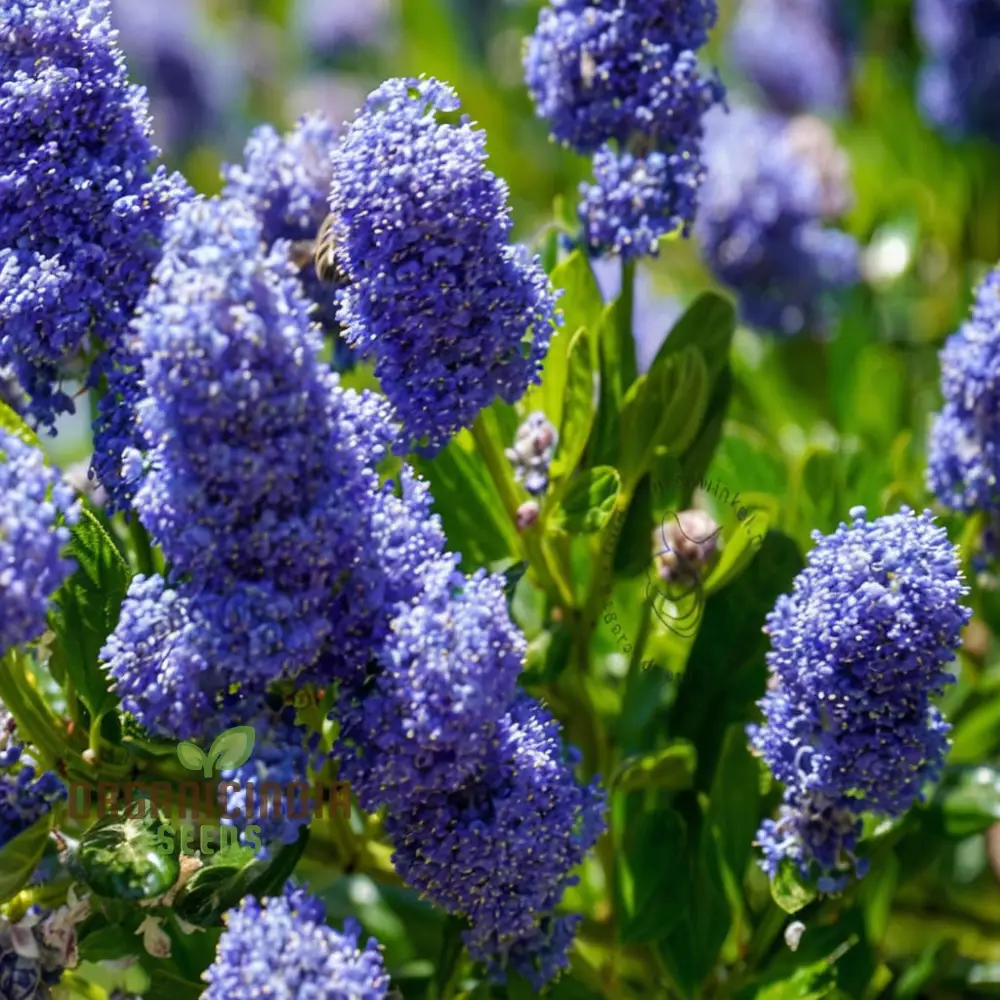
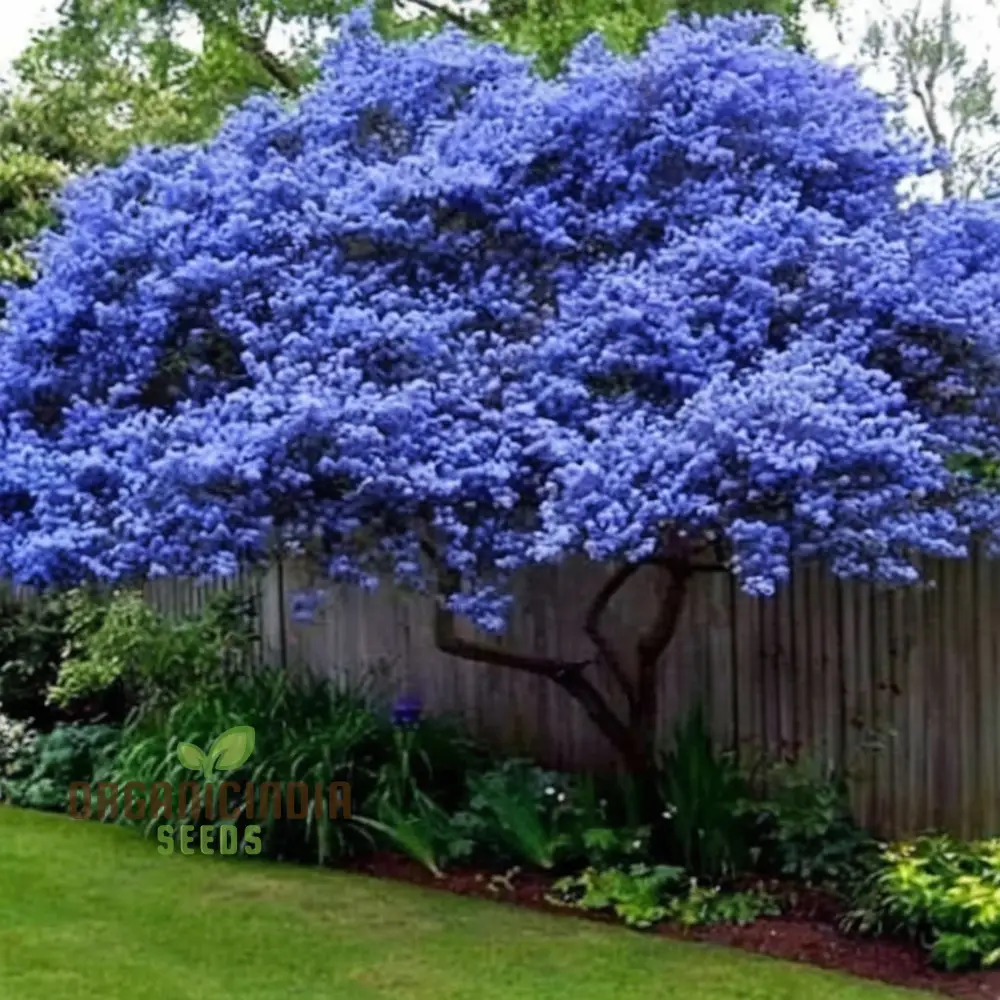
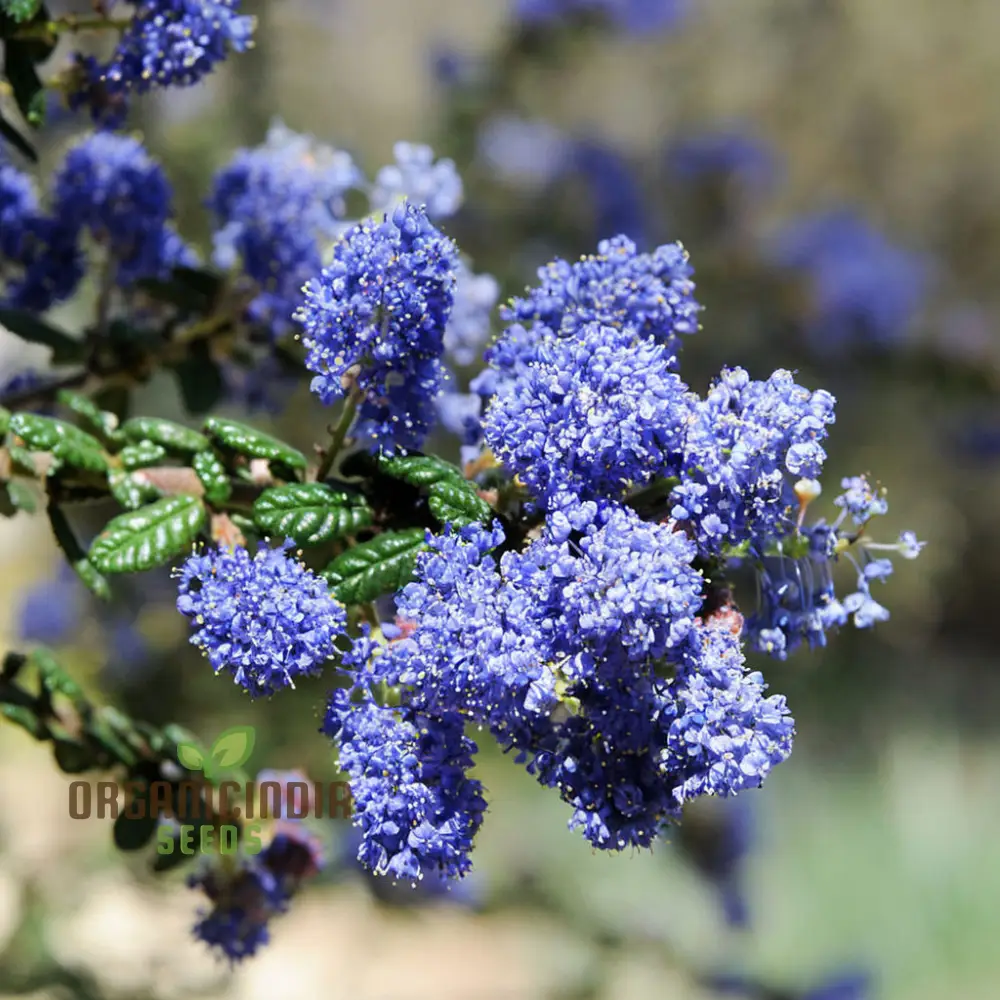
Enhance your garden with the natural charm of Blue Deer Brush Ceanothus Seeds, a native North American species admired for its soft blue blossoms and ecological benefits. Ideal for wildlife-friendly gardens, restoration projects, and low-water landscapes, this shrub-like tree brings vibrant seasonal color while supporting beneficial insects, birds, and pollinators.
With its adaptability to varied soil types, low upkeep needs, and drought tolerance once established, Ceanothus is a perfect choice for gardeners seeking a resilient, attractive, and eco-conscious landscape plant.
Key Features
-
Produces abundant soft blue flower clusters
-
Native plant ideal for wildlife gardens
-
Supports pollinators, birds, and beneficial insects
-
High-quality, non-GMO seeds
-
Drought-tolerant once established
-
Perfect for natural landscapes and habitat restoration
-
Thrives in sunny, well-drained soil
-
Fast-growing, low-maintenance shrub/tree
Specifications
Botanical Name: Ceanothus integerrimus
Common Name (US): Blue Deer Brush / Deerbrush Ceanothus
Plant Type: Deciduous Shrub or Small Tree
Seed Type: Non-GMO, High-Quality
Flower Color: Soft Blue
Bloom Season: Spring to Early Summer
USDA Hardiness Zones: 6–10
Sun Exposure: Full Sun to Partial Shade
Soil Requirements: Well-drained sandy, rocky, or loamy soils
Height at Maturity: 6–12 feet
Spacing: 5–10 feet
Water Needs: Low after establishment
Germination: Slow; requires pre-treatment
Growth Rate: Fast-growing in suitable climates
Uses: Wildlife gardens, habitat planting, xeriscapes, natural landscapes
Special Notes: Native species that thrives in low-nutrient soils; avoids heavy
Planting Guide
1. Seed Preparation
Ceanothus seeds respond best to natural-like germination processes:
-
Scarification: Lightly sand or nick the seed coat.
-
Hot Water Treatment: Pour hot (not boiling) water over seeds and soak for 12–24 hours.
-
Cold Stratification: Refrigerate in moist sand for 4–6 weeks to increase germination rates.
2. Sowing Instructions
-
Sow seeds ¼ inch deep in well-draining seed-starting mix.
-
Maintain moist but not waterlogged soil.
3. Germination Conditions
-
Soil temperature: 65–75°F
-
Light: Bright indirect light or partial sun
-
Germination is naturally slow and irregular.
4. Transplanting
-
Transplant when seedlings are strong enough and frost danger has passed.
-
Select sunny areas with good drainage.
5. Long-Term Care
-
Water lightly during early growth.
-
Reduce watering significantly once established.
-
Prune sparingly to shape; avoid heavy cutting.
Benefits
-
Adds beautiful seasonal blue color
-
Provides habitat and food for wildlife
-
Ideal for sustainable, low-water landscaping
-
Native species that integrates naturally into many environments
-
Low maintenance and drought tolerant
Original: $16.99
-65%$16.99
$5.95More Images
Blue Deer Brush Ceanothus Seeds – Native Wildlife-Friendly Tree Variety for Landscapes
Enhance your garden with the natural charm of Blue Deer Brush Ceanothus Seeds, a native North American species admired for its soft blue blossoms and ecological benefits. Ideal for wildlife-friendly gardens, restoration projects, and low-water landscapes, this shrub-like tree brings vibrant seasonal color while supporting beneficial insects, birds, and pollinators.
With its adaptability to varied soil types, low upkeep needs, and drought tolerance once established, Ceanothus is a perfect choice for gardeners seeking a resilient, attractive, and eco-conscious landscape plant.
Key Features
-
Produces abundant soft blue flower clusters
-
Native plant ideal for wildlife gardens
-
Supports pollinators, birds, and beneficial insects
-
High-quality, non-GMO seeds
-
Drought-tolerant once established
-
Perfect for natural landscapes and habitat restoration
-
Thrives in sunny, well-drained soil
-
Fast-growing, low-maintenance shrub/tree
Specifications
Botanical Name: Ceanothus integerrimus
Common Name (US): Blue Deer Brush / Deerbrush Ceanothus
Plant Type: Deciduous Shrub or Small Tree
Seed Type: Non-GMO, High-Quality
Flower Color: Soft Blue
Bloom Season: Spring to Early Summer
USDA Hardiness Zones: 6–10
Sun Exposure: Full Sun to Partial Shade
Soil Requirements: Well-drained sandy, rocky, or loamy soils
Height at Maturity: 6–12 feet
Spacing: 5–10 feet
Water Needs: Low after establishment
Germination: Slow; requires pre-treatment
Growth Rate: Fast-growing in suitable climates
Uses: Wildlife gardens, habitat planting, xeriscapes, natural landscapes
Special Notes: Native species that thrives in low-nutrient soils; avoids heavy
Planting Guide
1. Seed Preparation
Ceanothus seeds respond best to natural-like germination processes:
-
Scarification: Lightly sand or nick the seed coat.
-
Hot Water Treatment: Pour hot (not boiling) water over seeds and soak for 12–24 hours.
-
Cold Stratification: Refrigerate in moist sand for 4–6 weeks to increase germination rates.
2. Sowing Instructions
-
Sow seeds ¼ inch deep in well-draining seed-starting mix.
-
Maintain moist but not waterlogged soil.
3. Germination Conditions
-
Soil temperature: 65–75°F
-
Light: Bright indirect light or partial sun
-
Germination is naturally slow and irregular.
4. Transplanting
-
Transplant when seedlings are strong enough and frost danger has passed.
-
Select sunny areas with good drainage.
5. Long-Term Care
-
Water lightly during early growth.
-
Reduce watering significantly once established.
-
Prune sparingly to shape; avoid heavy cutting.
Benefits
-
Adds beautiful seasonal blue color
-
Provides habitat and food for wildlife
-
Ideal for sustainable, low-water landscaping
-
Native species that integrates naturally into many environments
-
Low maintenance and drought tolerant
Product Information
Product Information
Shipping & Returns
Shipping & Returns
Description
Enhance your garden with the natural charm of Blue Deer Brush Ceanothus Seeds, a native North American species admired for its soft blue blossoms and ecological benefits. Ideal for wildlife-friendly gardens, restoration projects, and low-water landscapes, this shrub-like tree brings vibrant seasonal color while supporting beneficial insects, birds, and pollinators.
With its adaptability to varied soil types, low upkeep needs, and drought tolerance once established, Ceanothus is a perfect choice for gardeners seeking a resilient, attractive, and eco-conscious landscape plant.
Key Features
-
Produces abundant soft blue flower clusters
-
Native plant ideal for wildlife gardens
-
Supports pollinators, birds, and beneficial insects
-
High-quality, non-GMO seeds
-
Drought-tolerant once established
-
Perfect for natural landscapes and habitat restoration
-
Thrives in sunny, well-drained soil
-
Fast-growing, low-maintenance shrub/tree
Specifications
Botanical Name: Ceanothus integerrimus
Common Name (US): Blue Deer Brush / Deerbrush Ceanothus
Plant Type: Deciduous Shrub or Small Tree
Seed Type: Non-GMO, High-Quality
Flower Color: Soft Blue
Bloom Season: Spring to Early Summer
USDA Hardiness Zones: 6–10
Sun Exposure: Full Sun to Partial Shade
Soil Requirements: Well-drained sandy, rocky, or loamy soils
Height at Maturity: 6–12 feet
Spacing: 5–10 feet
Water Needs: Low after establishment
Germination: Slow; requires pre-treatment
Growth Rate: Fast-growing in suitable climates
Uses: Wildlife gardens, habitat planting, xeriscapes, natural landscapes
Special Notes: Native species that thrives in low-nutrient soils; avoids heavy
Planting Guide
1. Seed Preparation
Ceanothus seeds respond best to natural-like germination processes:
-
Scarification: Lightly sand or nick the seed coat.
-
Hot Water Treatment: Pour hot (not boiling) water over seeds and soak for 12–24 hours.
-
Cold Stratification: Refrigerate in moist sand for 4–6 weeks to increase germination rates.
2. Sowing Instructions
-
Sow seeds ¼ inch deep in well-draining seed-starting mix.
-
Maintain moist but not waterlogged soil.
3. Germination Conditions
-
Soil temperature: 65–75°F
-
Light: Bright indirect light or partial sun
-
Germination is naturally slow and irregular.
4. Transplanting
-
Transplant when seedlings are strong enough and frost danger has passed.
-
Select sunny areas with good drainage.
5. Long-Term Care
-
Water lightly during early growth.
-
Reduce watering significantly once established.
-
Prune sparingly to shape; avoid heavy cutting.
Benefits
-
Adds beautiful seasonal blue color
-
Provides habitat and food for wildlife
-
Ideal for sustainable, low-water landscaping
-
Native species that integrates naturally into many environments
-
Low maintenance and drought tolerant