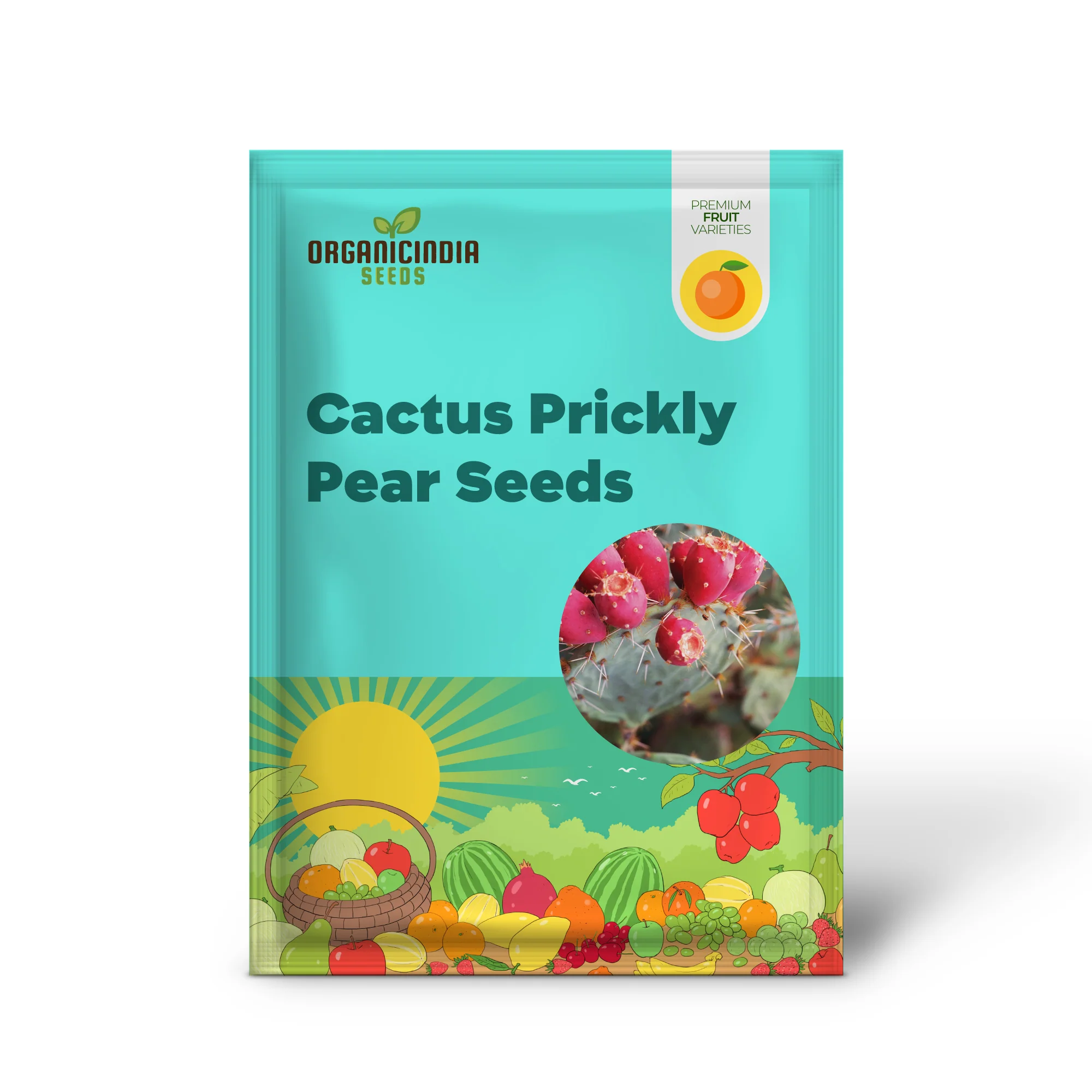
20 Red Cactus Prickly Pear Seeds | Opuntia Ficus Indica Indian Fig Sabras Fruit | Unique Edible Cactus Seeds
20 Red Cactus Prickly Pear Seeds | Opuntia Ficus Indica Indian Fig Sabras Fruit | Unique Edible Cactus Seeds
Key Features:
-
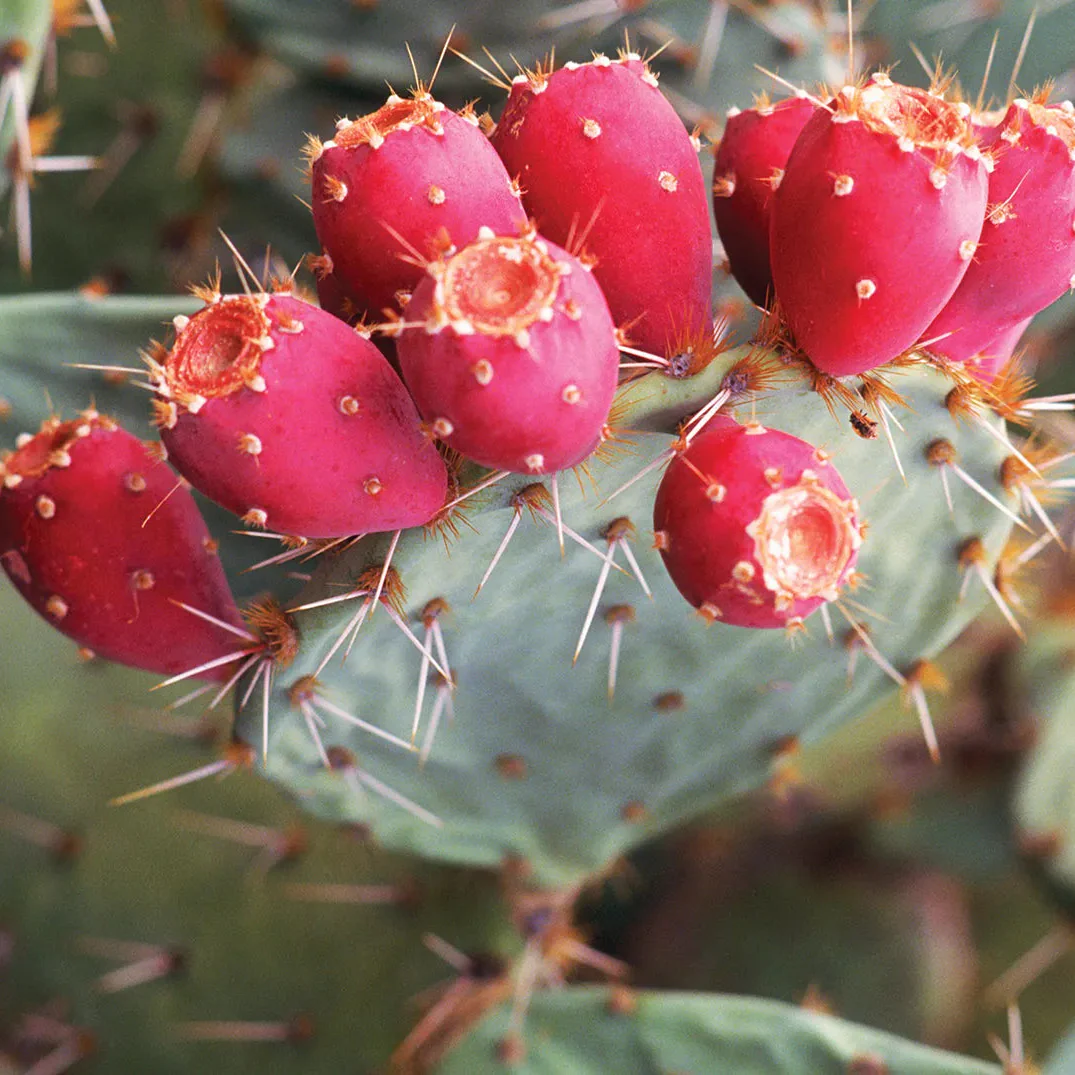
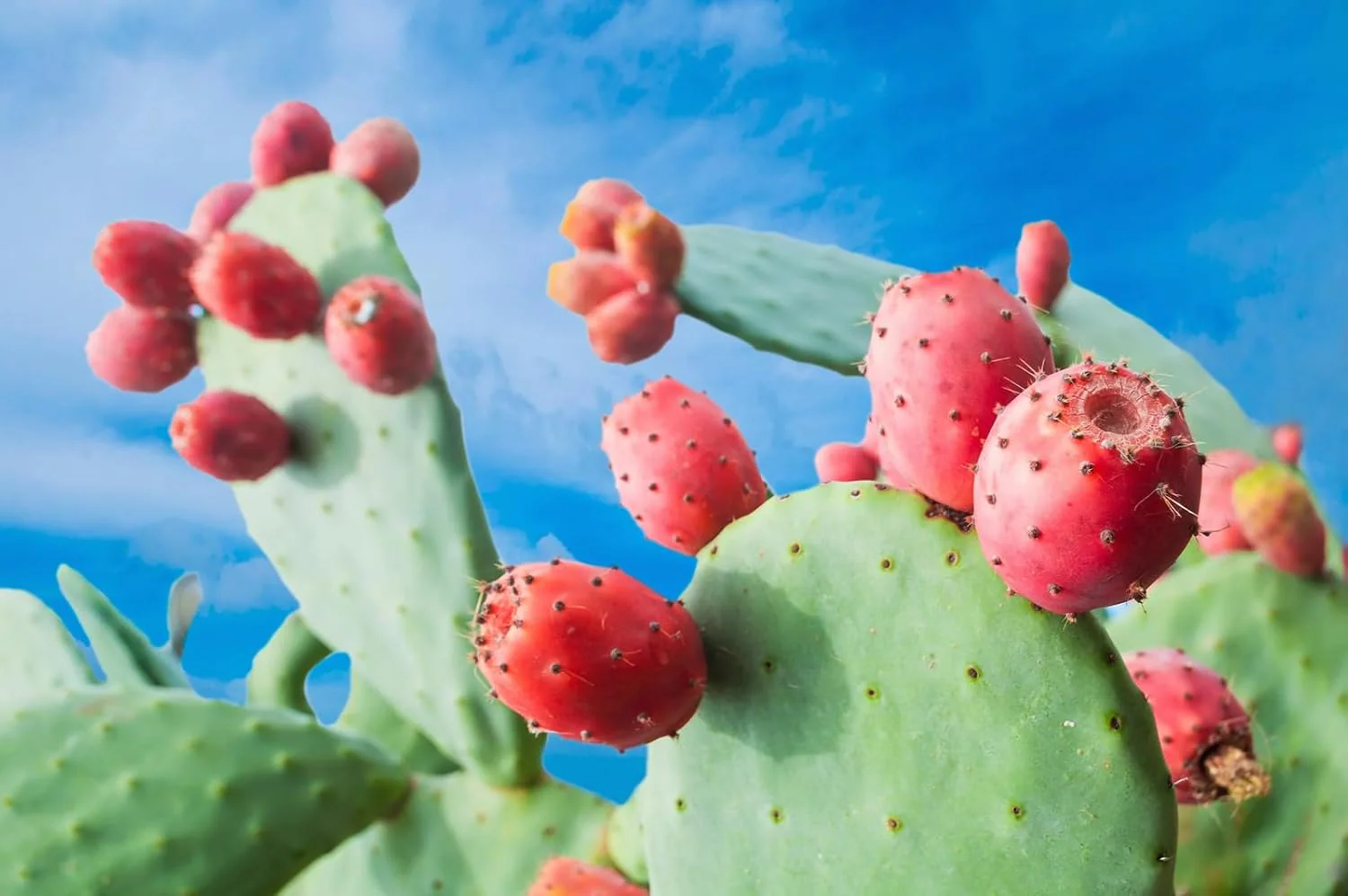
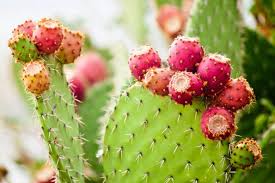
Produces bright red edible prickly pear fruits
-
Fruits have a sweet, mild flavor suitable for juices, jams, or fresh use
-
Pads (nopales) are also edible when cooked
-
Highly drought-tolerant and excellent for dry or low-water landscapes
-
Grows well in pots, desert gardens, and warm outdoor climates
-
Non-GMO premium seed selection
Specifications
-
Seed Name: Prickly Pear Cactus
-
Scientific Name: Opuntia ficus-indica
-
Fruit Color: Red
-
Plant Type: Perennial Desert Cactus
-
Climate: Hot, dry, arid & semi-arid regions
-
Soil Requirement: Sandy or well-draining soil
-
Watering: Very low; avoid overwatering
-
Sunlight: Full sun
-
USDA Zones: 8–11 (can be container-grown in cooler zones)
-
Growth Form: Thick paddled cactus forming wide shrubs
-
GMO Status: Non-GMO
-
Best Planting Time: Spring or early summer
Planting Guide
-
Seed Preparation:
Lightly scarify seeds (rub gently with sandpaper) to improve germination. -
Sowing Depth:
Sow just below surface, cover lightly with sandy soil. -
Germination Conditions:
Maintain warm temperatures (70–85°F) and keep soil slightly moist, not wet. -
Transplanting:
Transfer seedlings to pots or outdoor soil once rooted and stable. -
Care:
Provide full sun and avoid excess watering.
Original: $16.99
-65%$16.99
$5.95More Images
20 Red Cactus Prickly Pear Seeds | Opuntia Ficus Indica Indian Fig Sabras Fruit | Unique Edible Cactus Seeds
Key Features:
-
Produces bright red edible prickly pear fruits
-
Fruits have a sweet, mild flavor suitable for juices, jams, or fresh use
-
Pads (nopales) are also edible when cooked
-
Highly drought-tolerant and excellent for dry or low-water landscapes
-
Grows well in pots, desert gardens, and warm outdoor climates
-
Non-GMO premium seed selection
Specifications
-
Seed Name: Prickly Pear Cactus
-
Scientific Name: Opuntia ficus-indica
-
Fruit Color: Red
-
Plant Type: Perennial Desert Cactus
-
Climate: Hot, dry, arid & semi-arid regions
-
Soil Requirement: Sandy or well-draining soil
-
Watering: Very low; avoid overwatering
-
Sunlight: Full sun
-
USDA Zones: 8–11 (can be container-grown in cooler zones)
-
Growth Form: Thick paddled cactus forming wide shrubs
-
GMO Status: Non-GMO
-
Best Planting Time: Spring or early summer
Planting Guide
-
Seed Preparation:
Lightly scarify seeds (rub gently with sandpaper) to improve germination. -
Sowing Depth:
Sow just below surface, cover lightly with sandy soil. -
Germination Conditions:
Maintain warm temperatures (70–85°F) and keep soil slightly moist, not wet. -
Transplanting:
Transfer seedlings to pots or outdoor soil once rooted and stable. -
Care:
Provide full sun and avoid excess watering.
Product Information
Product Information
Shipping & Returns
Shipping & Returns
Description
Key Features:
-
Produces bright red edible prickly pear fruits
-
Fruits have a sweet, mild flavor suitable for juices, jams, or fresh use
-
Pads (nopales) are also edible when cooked
-
Highly drought-tolerant and excellent for dry or low-water landscapes
-
Grows well in pots, desert gardens, and warm outdoor climates
-
Non-GMO premium seed selection
Specifications
-
Seed Name: Prickly Pear Cactus
-
Scientific Name: Opuntia ficus-indica
-
Fruit Color: Red
-
Plant Type: Perennial Desert Cactus
-
Climate: Hot, dry, arid & semi-arid regions
-
Soil Requirement: Sandy or well-draining soil
-
Watering: Very low; avoid overwatering
-
Sunlight: Full sun
-
USDA Zones: 8–11 (can be container-grown in cooler zones)
-
Growth Form: Thick paddled cactus forming wide shrubs
-
GMO Status: Non-GMO
-
Best Planting Time: Spring or early summer
Planting Guide
-
Seed Preparation:
Lightly scarify seeds (rub gently with sandpaper) to improve germination. -
Sowing Depth:
Sow just below surface, cover lightly with sandy soil. -
Germination Conditions:
Maintain warm temperatures (70–85°F) and keep soil slightly moist, not wet. -
Transplanting:
Transfer seedlings to pots or outdoor soil once rooted and stable. -
Care:
Provide full sun and avoid excess watering.